

Issue · Budget & Taxes
Budget & Taxes
Every budget & taxes bill, vote, and legislator stance in Washington, automatically classified by Maddy, our AI policy reader.
Total bills
627
2025-2026 Regular Session
Top supporter
Vandana Slatter
80% support rate
Top opponent
Zach Hall
25% support rate
Ranked legislators
10
5 support · 5 oppose
Key legislators
Who's moving budget & taxes in Washington
| Legislator | Party | Stance | Support rate | Decisive votes |
|---|---|---|---|---|
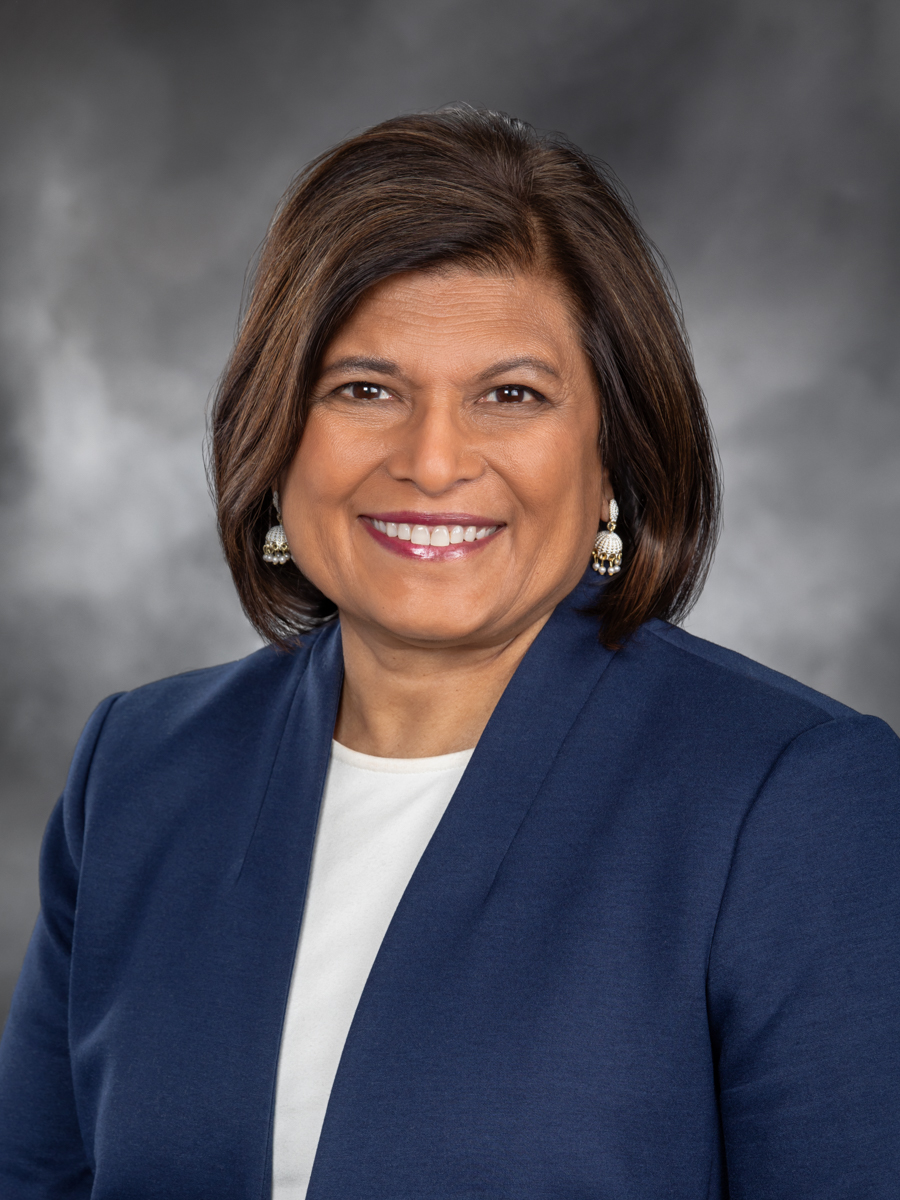
Vandana Slatter
Senate · District 48
|
D |
Support
|
80% | 103 |
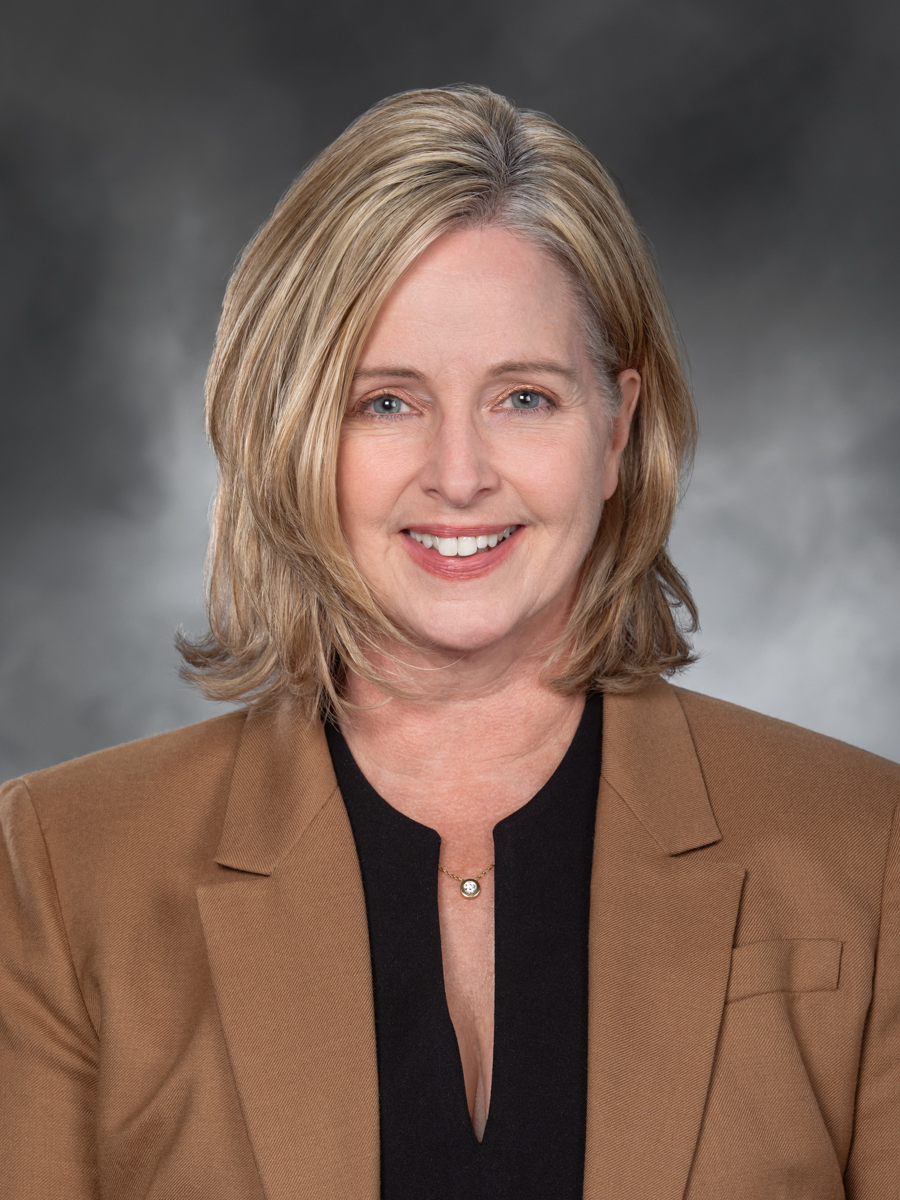
Annette Cleveland
Senate · District 49
|
D |
Support
|
78% | 106 |
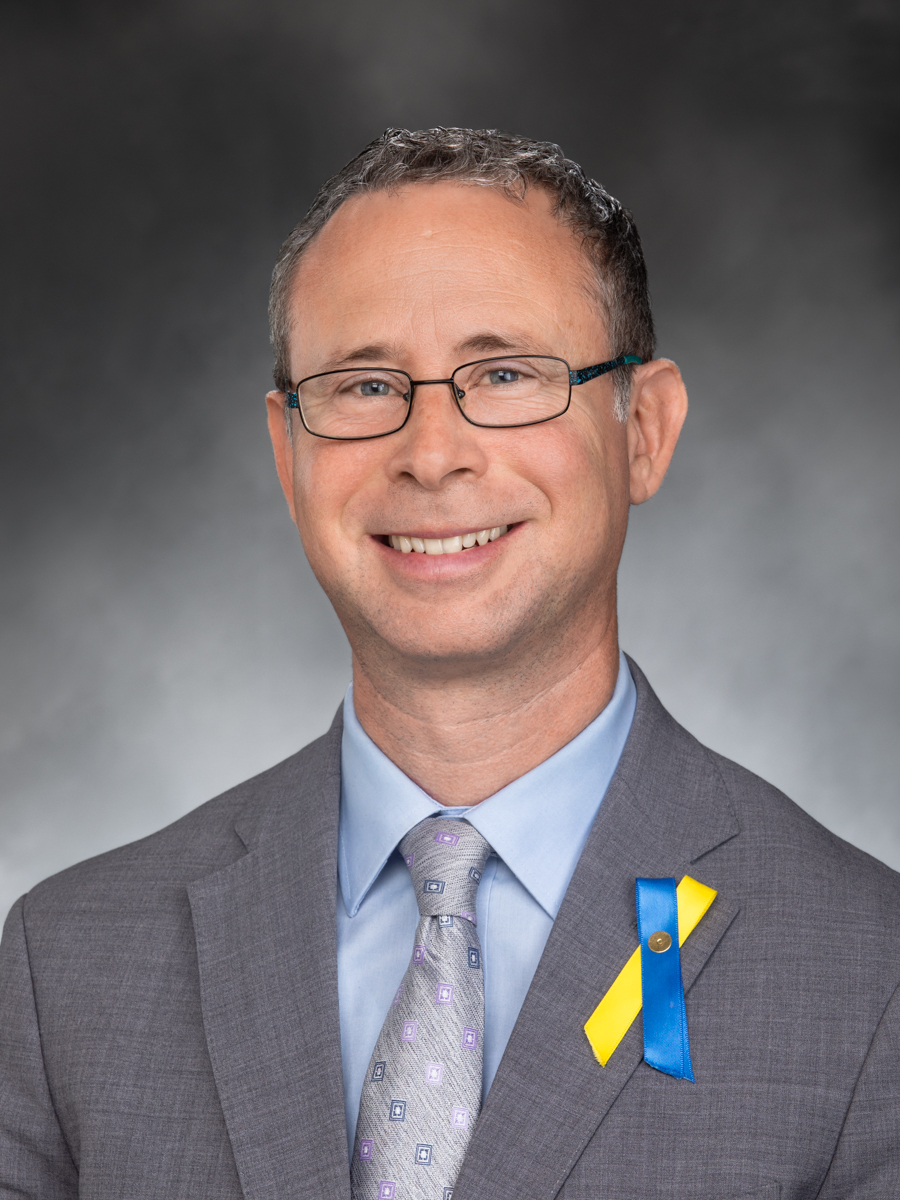
Jesse Salomon
Senate · District 32
|
D |
Support
|
78% | 106 |
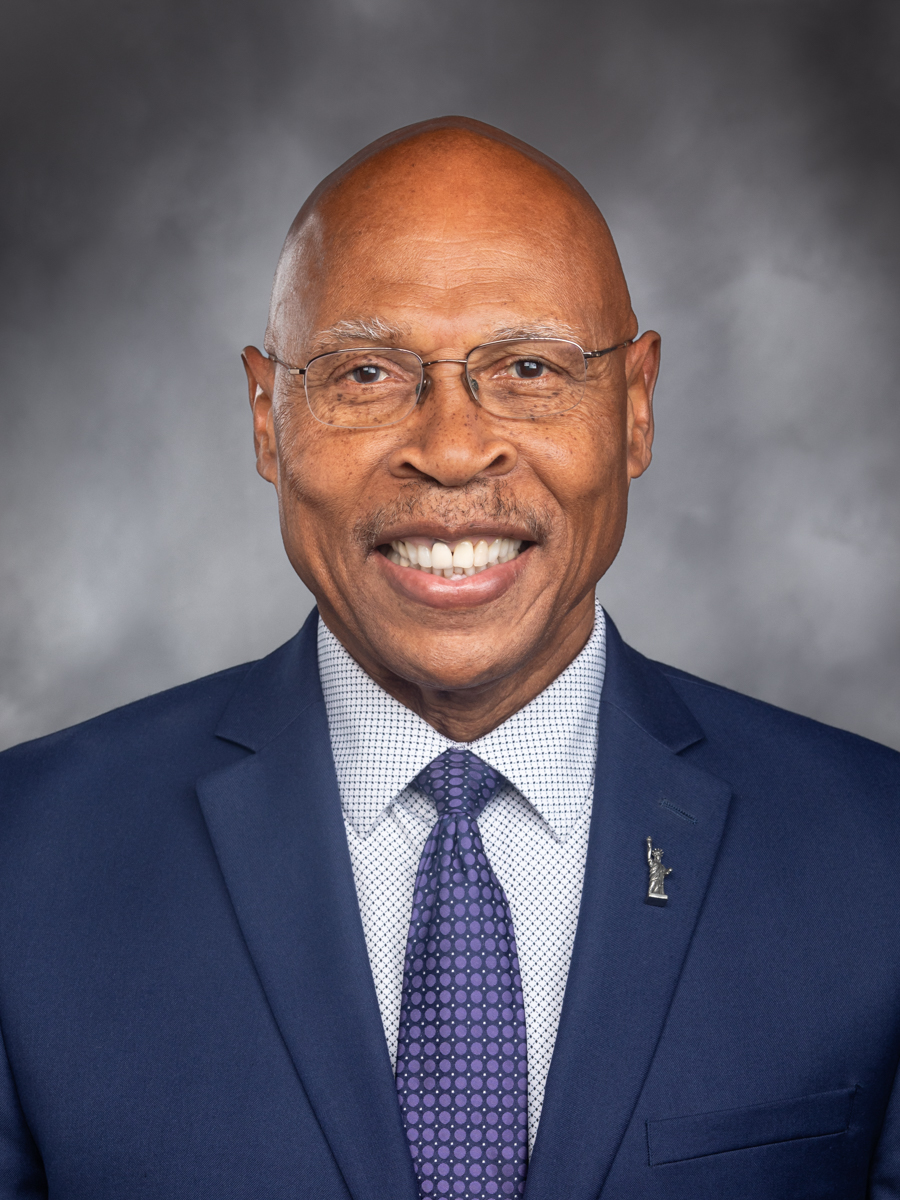
John Lovick
Senate · District 44
|
D |
Support
|
78% | 106 |

June Robinson
Senate · District 38
|
D |
Support
|
78% | 105 |

Zach Hall
House · District 5
|
D |
Oppose
|
25% | 116 |

Leonard Christian
Senate · District 4
|
R |
Oppose
|
28% | 106 |

Jim McCune
Senate · District 2
|
R |
Oppose
|
30% | 104 |
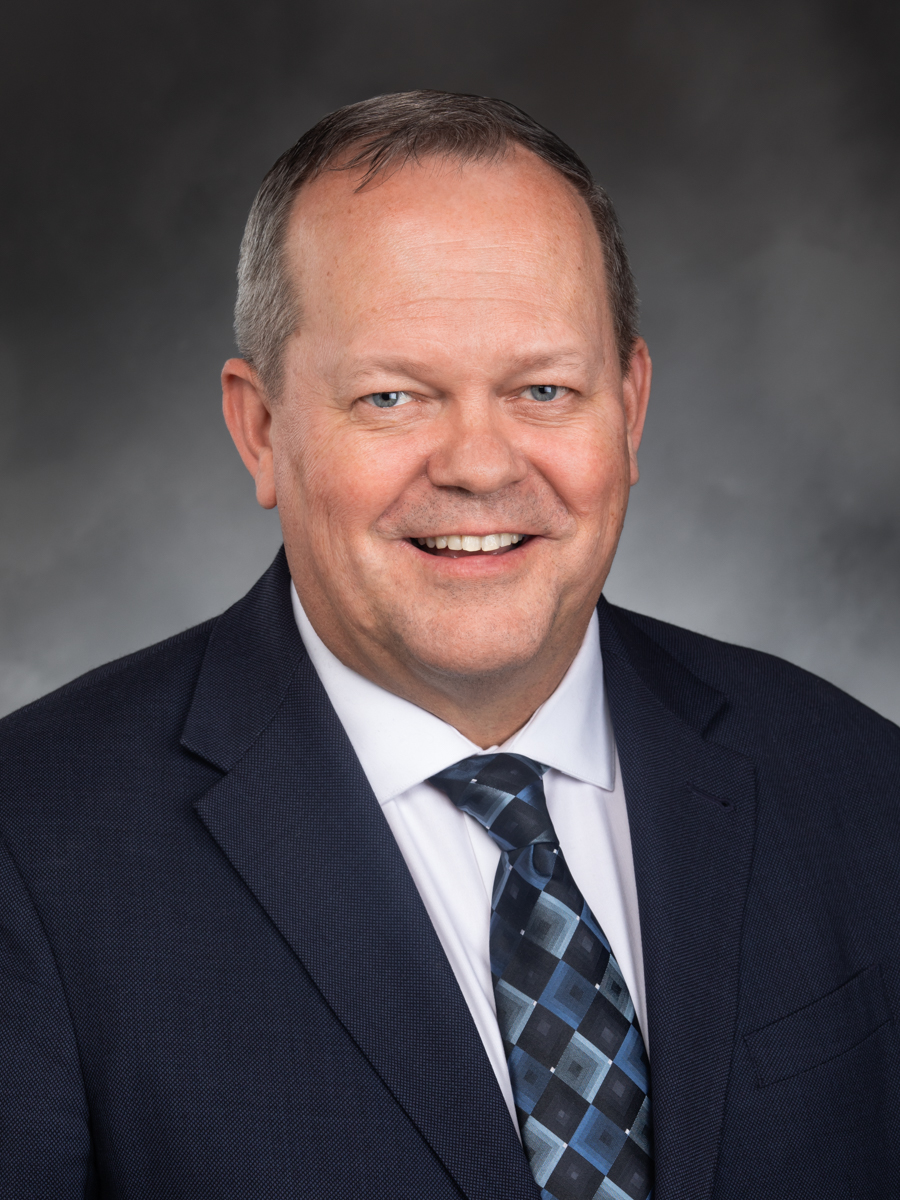
Matt Boehnke
Senate · District 8
|
R |
Oppose
|
31% | 103 |
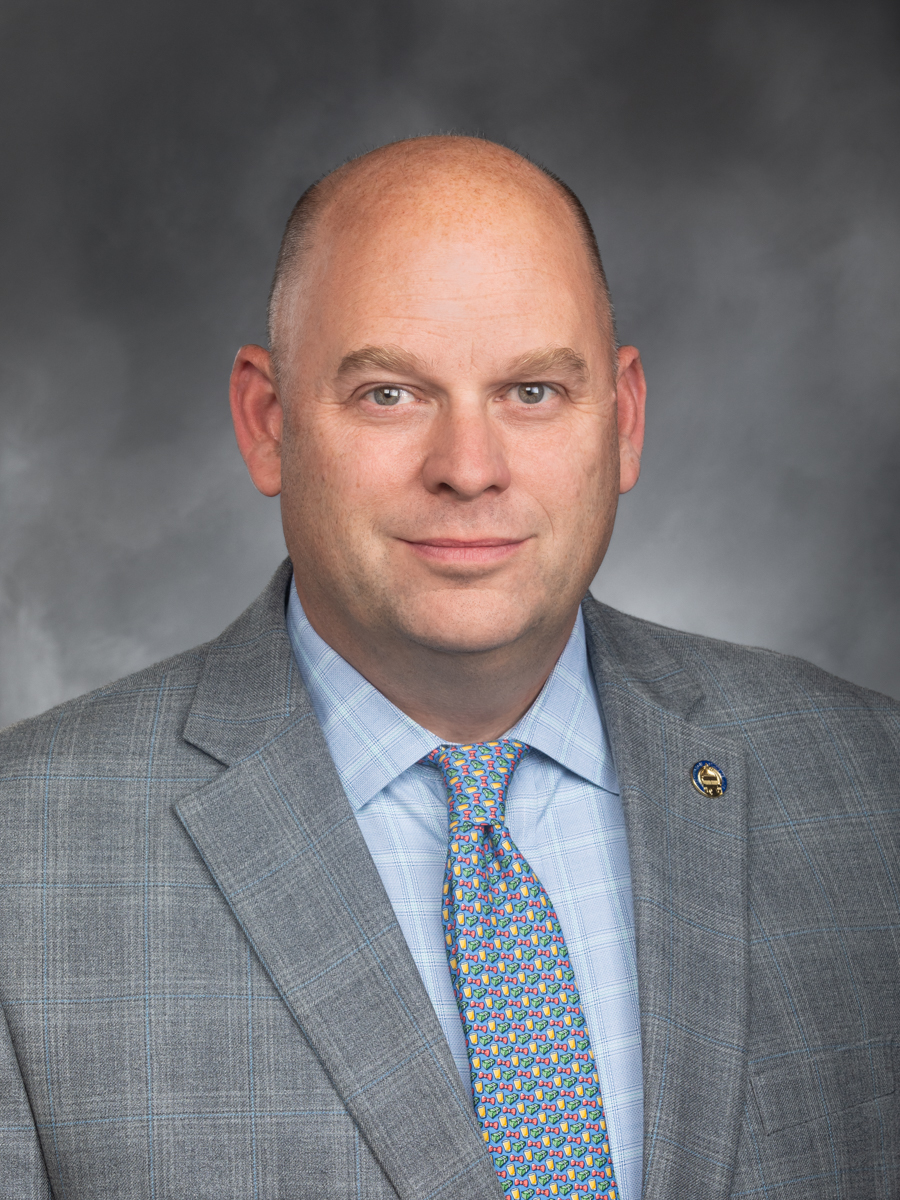
Drew MacEwen
Senate · District 35
|
R |
Oppose
|
32% | 105 |
Showing 221–230 of 627
bills
All budget & taxes bills
SB 5839: Concerning county ferry district authority.
Topics
✓ Budget & TaxesSupports Budget & TaxesAuthorizes property tax levies (up to 75¢/$1,000) for ferry operations and infrastructure, directly enabling funding through new tax authority.
✓ TransportationSupports TransportationFunds ferry infrastructure via property tax increases and removes service restrictions, directly advancing transportation operations and infrastructure maintenance.
Sub-Topics
Property Tax
SB 5872: Establishing the preK promise account.
Topics
✓ Budget & TaxesSupports Budget & TaxesCreates dedicated preK funding account, prohibits fund diversion to general budget, ensures ongoing support without annual appropriations for essential early education program.
✓ EducationSupports EducationCreates dedicated preK funding via a separate account, ensuring ongoing support without annual appropriations, directly advancing early education access and funding.
SB 5884: Expanding the limited sales and use tax incentive program to encourage redevelopment of underutilized property.
Topics
✓ Budget & TaxesSupports Budget & TaxesExpands tax deferral for affordable housing developers, providing tax relief to incentivize redevelopment. Directly uses tax policy to support affordable housing funding.
✓ HousingSupports HousingExpands tax deferral for affordable housing redevelopment, directly incentivizing low/moderate-income housing projects through sales/use tax incentives.
Sub-Topics
Business Taxes
Sales Tax
Tax Incentives
Affordable Housing
Housing Finance
Property Taxes
HB 2175: Exempting providers of free durable medical equipment from retail sales and use tax for certain items.
Topics
✓ Budget & TaxesSupports Budget & TaxesExempts nonprofits from sales tax on medical equipment, providing tax relief for organizations serving vulnerable populations and aligning with fiscal responsibility for public health access.
✓ HealthcareSupports HealthcareExempts nonprofits from taxes on medical equipment, reducing costs to improve patient access to durable medical devices.
Sub-Topics
Sales Tax
HB 2162: Establishing a public interest law grant program and a business and occupation tax credit for approved contributions to the program account.
Topics
✓ Budget & TaxesSupports Budget & TaxesCreates business tax credit to fund public interest lawyer grants, leveraging private contributions for public service without direct state spending.
✓ Criminal JusticeSupports Criminal JusticeFunds public defenders/prosecutors via tax credits, supporting legal representation access - key criminal justice reform component.
Sub-Topics
Tax Credits
HB 2116: Updating school enrichment funding.
Topics
✓ Budget & TaxesSupports Budget & TaxesSets property tax limits for school enrichment while creating state funding for districts below $1.50 levy, ensuring continued program funding through structured fiscal management.
✓ EducationSupports EducationBill establishes new funding limits for enrichment programs and creates supplemental funding for low-levy districts, strengthening school program access and funding stability.
SB 5832: Updating the arbitration fee collected for the new motor vehicle arbitration account.
Sub-Topics
Procurement
HB 2170: Expanding revenue generation and economic opportunities from natural climate solutions and ecosystem services.
Topics
✓ Budget & TaxesSupports Budget & TaxesBill creates new revenue stream via carbon credits and ecosystem services, expanding state budget income without tax increases, aligning with fiscal responsibility.
✓ EnvironmentSupports EnvironmentAuthorizes carbon credits and ecosystem projects (reforestation, kelp restoration) to generate revenue for environmental protection, directly advancing climate solutions and conservation.
HB 2181: Paying for response activities for the December 2025 significant atmospheric river and winter event.
Topics
✓ Budget & TaxesSupports Budget & TaxesAllocates $690M from Climate Investment Account to repair storm-damaged infrastructure using designated revenue, demonstrating responsible fiscal management within existing budget framework.
✓ EnvironmentSupports EnvironmentFunds from Climate Investment Account (Climate Commitment Act) used for storm recovery, directly tied to climate-related infrastructure response.
✓ TransportationSupports TransportationAllocates $690M from Climate Investment Account to repair damaged transportation infrastructure (I-90, SR 2, 167, 410) after storm event, directly funding restoration of critical systems.
Sub-Topics
Roads & Highways