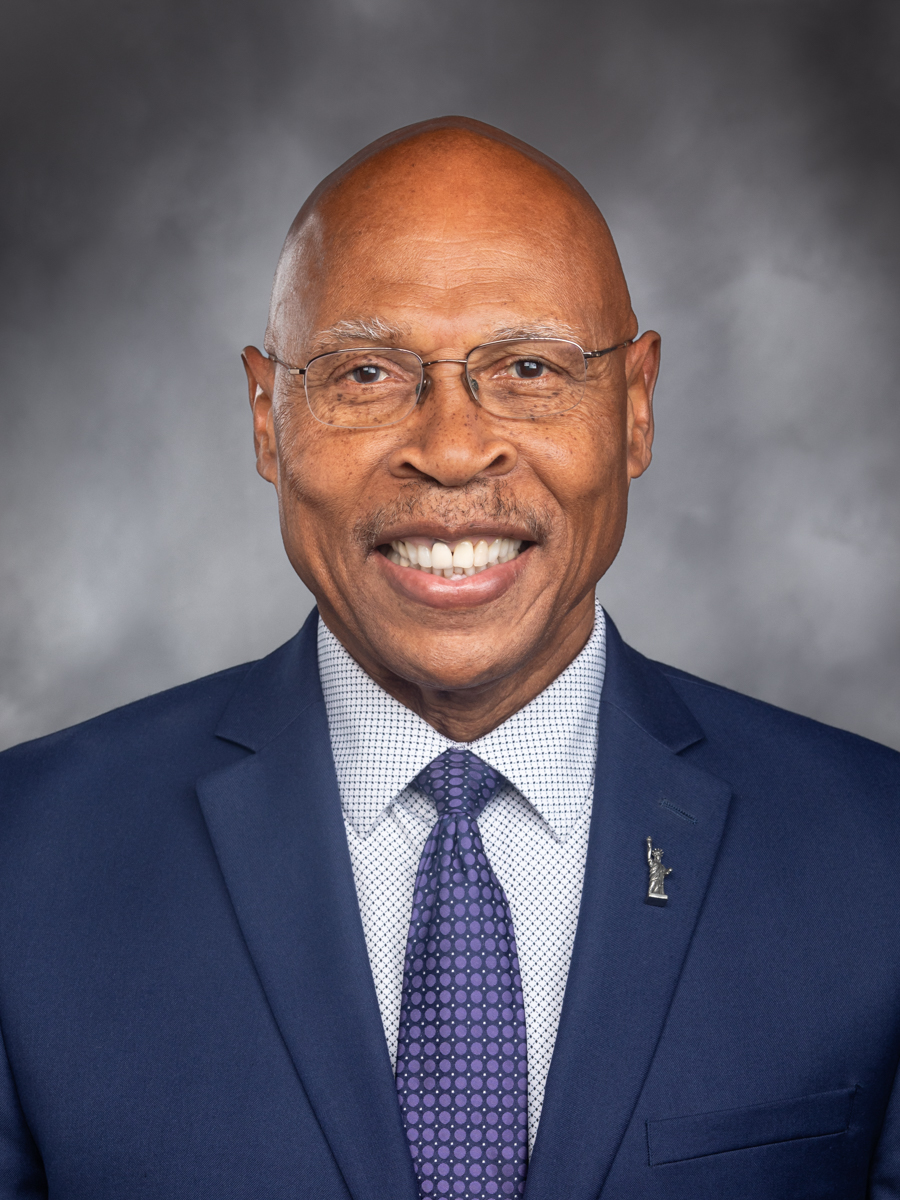
HB 2227 would exempt sales of "qualified affordable housing" from Washington's real estate excise tax. This bill amends the state's tax code (RCW 82.45.010) to create this specific exemption for qualifying affordable housing properties. The exemption directly affects sellers of eligible affordable housing units, reducing their tax burden when selling such properties. The bill is currently pending in the House Finance Committee after being prefaced in December 2025.
This bill (SB 6320) modifies Washington State's funding formula for school district enrichment levies and creates new rules for students in alternative learning experiences. It adjusts state funding based on actual district levy rates (capping at $1.50 per $1,000 assessed value) and establishes a process for districts to restore funding for students in remote online programs when certified by a healthcare provider due to immunosuppression, chronic illness, injury, or bullying-related medical conditions. The bill defines "multidistrict online providers" as organizations serving students across multiple districts, excluding certain cooperative programs. It directly affects school districts, students in remote learning, and tribal education compact schools by changing how enrollment and funding are calculated for alternative learning programs.
SB 6012 exempts schools (both public and private) from paying Washington's retail sales tax on certain services they purchase for operational use, such as cleaning, repairs, or maintenance. The bill amends state tax law (RCW 82.04.050) to exclude these school-purchased services from the definition of "retail sale," removing the tax obligation for schools. This change directly affects schools by reducing their operational costs for essential services, without altering tax treatment for other businesses. The bill is currently pending in committee after being prefaced for introduction in January 2026.
This bill proposes the creation of a state-owned public bank in Washington to increase public financing capacity for infrastructure and other public initiatives without raising taxes or increasing state debt. The legislation would establish a new depository bank that holds state and local government funds, allowing the state to leverage deposits to provide loans for projects like transportation and community development. Modeled after the Bank of North Dakota, the public bank would operate under state control to generate profits for the people of Washington while offering lower-cost financing for public needs. The bill amends existing state statutes to authorize the bank's formation and outlines how the institution would manage deposits and loans to support economic development and reduce reliance on bond financing.
SB 6005 allocates $13 million for community electric vehicle (EV) charging infrastructure, prioritizing multifamily housing, public locations, schools, and government facilities, with $2 million reserved for federally recognized tribes. It also directs $4.9 million for tribal electric boat grants and $6.85 million to establish a sustainable aviation fuel institute in the Cascadia region. The bill requires projects to reduce emissions and mandates implementation by local governments, tribes, or utilities, with strict reporting on emissions impacts and coordination with state electrification programs. Funding must cover level-two or higher charging infrastructure, including site improvements, and cannot exceed 100% of project costs.
HB 2669 requires a detailed performance audit of Washington's I-5 bridge replacement project over the Columbia River by December 1, 2027. The audit will examine how project funds were spent (including contractor payments that increased sixfold without added work), financial reporting compliance, traffic and revenue forecasts, and whether the design effectively reduces congestion. It specifically compares the project to other major bridges like Baltimore's Key Bridge and the Brent Spence Bridge. The Washington State Department of Transportation (WSDOT) must provide documentation, and the audit report will be submitted to the legislature by the deadline. The bill expires December 31, 2027.
HB 2638 creates a property tax exemption for surviving spouses or domestic partners of Washington state or local officers and firefighters who died from duty-related injuries or diseases. The exemption applies to the primary residence of qualifying survivors, reducing or eliminating property taxes based on their combined income level (with three income thresholds). Survivors with the lowest income are exempt from all property taxes, while those with higher incomes receive partial exemptions on a portion of their home's value. This policy change directly affects eligible surviving family members by easing their property tax burden, as outlined in new provisions to Washington's property tax code.
HB 2673 proposes a tax exemption for property used as affordable housing owned or operated by social housing agencies in Washington State. This bill directly affects affordable housing providers by removing certain property taxes on qualifying properties. The key mechanism adds an exemption to existing tax codes, specifically excluding from taxation real property used for affordable housing under a social housing agency's ownership or operation. The exemption applies to properties meeting the bill's defined criteria for affordable housing use, without altering other tax obligations.
SB 6220 expands property tax exemption eligibility for nonprofit housing providers in Washington State. It allows these organizations to temporarily use their properties for certain community purposes (like events or gatherings) without losing their tax exemption, as long as the use doesn’t exceed 50 days per year and only 15 days are used for business promotion. The bill modifies tax code provisions to clarify that such temporary community uses - when not for profit and within specified limits - do not invalidate the exemption. This directly affects nonprofit housing providers seeking tax relief while hosting community activities beyond affordable housing operations. The bill is currently in committee review after its first reading.
SB 6125 provides enrollment stabilization funding to Washington school districts, charter schools, and tribal schools if their state funding for the 2026-27 or 2027-28 school years drops below what it would have been using 2025-26 enrollment data. The bill requires the state superintendent to calculate and pay the difference (the "stabilization amount") when current funding falls short of projected funding based on prior enrollment. This funding covers all state education allocations, including general funding, special education, learning assistance, and career programs, but cannot be used to replace basic education funding. The program expires on July 1, 2028.