

Issue · Budget & Taxes
Budget & Taxes (Revenue)
Every budget & taxes bill, vote, and legislator stance in Washington, automatically classified by Maddy, our AI policy reader.
Total bills
52
2025-2026 Regular Session
Top supporter
Amy Walen
100% support rate
Top opponent
Alex Ybarra
33% support rate
Ranked legislators
10
5 support · 5 oppose
Key legislators
Who's moving revenue in Washington
| Legislator | Party | Stance | Support rate | Votes |
|---|---|---|---|---|

Amy Walen
House · District 48
|
D |
Strong +
|
100% | 3 |

April Berg
House · District 44
|
D |
Strong +
|
100% | 3 |

Brandy Donaghy
House · District 44
|
D |
Strong +
|
100% | 3 |

Brianna Thomas
House · District 34
|
D |
Strong +
|
100% | 3 |
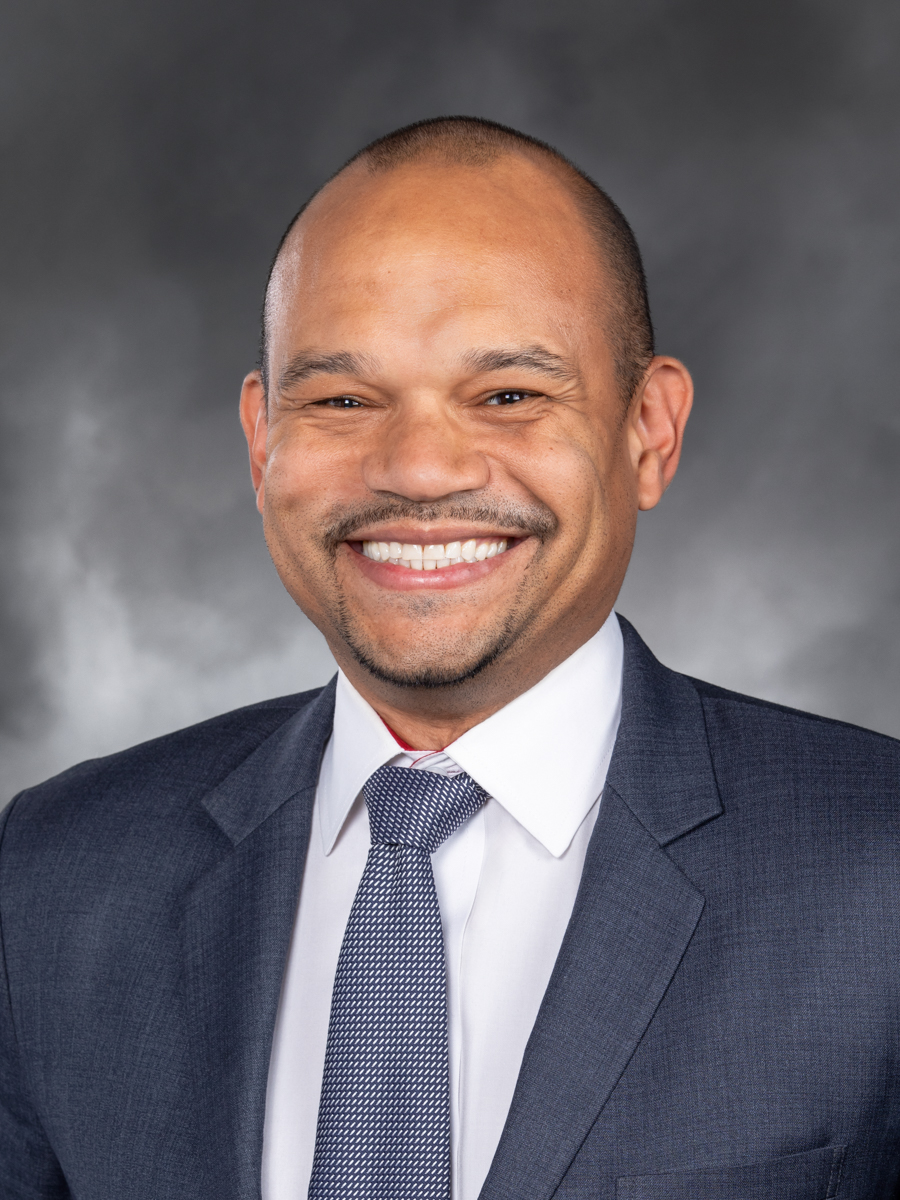
Chipalo Street
House · District 37
|
D |
Strong +
|
100% | 3 |

Alex Ybarra
House · District 13
|
R |
Oppose
|
33% | 3 |

Alicia Rule
House · District 42
|
D |
Oppose
|
33% | 3 |

Andrew Barkis
House · District 2
|
R |
Oppose
|
33% | 3 |

Andrew Engell
House · District 7
|
R |
Oppose
|
33% | 3 |

April Connors
House · District 8
|
R |
Oppose
|
33% | 3 |
Showing 1–10 of 52
bills
All budget & taxes bills
HB 2734: Creating a hunger free Washington through a sugar-sweetened beverage tax and precluding a supplemental nutrition assistance program waiver.
Topics
✓ Budget & TaxesSupports Budget & TaxesImposes excise tax on sugary drinks to fund SNAP and nutrition programs, directly increasing state revenue allocation for essential services.
✓ HealthcareSupports HealthcareBill funds SNAP and nutrition programs via soda tax, directly supporting public health initiatives and food security for low-income residents, aligning with healthcare funding indicators.
SB 5989: Concerning the distribution of aircraft fuel tax revenue.
Topics
✓ Budget & TaxesSupports Budget & TaxesRedirects aircraft fuel tax revenue to dedicated aviation projects with tracking requirements, ensuring fiscal accountability for infrastructure funding within budget management.
✓ TransportationSupports TransportationDedicates aircraft fuel tax revenue to aviation projects via aeronautics account, directly funding transportation infrastructure as required by DOT aviation division.
HB 2528: Creating uniformity for the process by which cities planning under the growth management act implement real estate excise taxes.
Topics
✓ Budget & TaxesSupports Budget & TaxesStandardizes real estate tax for infrastructure/funding, mandates specific capital project use with fiscal caps, promoting responsible budget management.
✓ HousingSupports HousingMandates real estate tax revenue for affordable housing projects with 25% cap on homelessness housing funding, directly advancing housing funding requirements.
✓ TransportationSupports TransportationBill mandates 0.25% real estate tax revenue fund roads, airports, and infrastructure projects under Growth Management Act, explicitly linking to transportation infrastructure funding.
HB 2621: Concerning property tax reform.
Topics
✓ Budget & TaxesSupports Budget & TaxesExpands property tax relief for seniors/disabled by raising income thresholds and property caps, providing direct tax relief to lower/middle income groups.
✓ HousingSupports HousingExpands property tax relief for seniors, reducing housing costs and increasing affordability for vulnerable residents through higher income thresholds and property value caps.
✓ VeteransSupports VeteransBill explicitly includes veterans with 40%+ disability in expanded property tax relief program, directly advancing veteran financial benefits.
HB 2451: Concerning local tax increment financing.
Topics
✓ Budget & TaxesSupports Budget & TaxesBill enables local governments to fund public improvements (roads, housing) using tax increment revenue, strengthening fiscal tools for public projects.
✓ HousingSupports HousingBill explicitly designates affordable housing as an eligible TIF project, directly enabling local funding for housing development and affordability initiatives.
✓ TransportationSupports TransportationBill explicitly lists roads as eligible TIF projects, enabling local funding for transportation infrastructure improvements within designated increment areas.
HB 2270: Providing specified flexibility for use of lodging tax revenues for small cities.
Topics
✓ Budget & TaxesSupports Budget & TaxesAllows reallocation of existing lodging tax revenue to infrastructure/public services, promoting flexible fiscal management without new taxes or defunding.
✓ TransportationSupports TransportationBill explicitly redirects lodging tax funds to transportation infrastructure and secondary roads, expanding funding for road projects previously restricted to tourism promotion.
Sub-Topics
Revenue
SB 6294: Providing local governments tax resources and fund flexibility.
Topics
✓ Budget & TaxesSupports Budget & TaxesEnables local real estate taxes (0.25-0.5%) to fund infrastructure/housing, aligning with fiscal responsibility and essential program funding.
✓ HousingSupports HousingBill explicitly allocates up to 0.5% real estate tax for affordable housing developments and prioritizes homelessness-related facilities with dedicated funding requirements.
✓ TransportationSupports TransportationBill explicitly funds roads, airports, and infrastructure projects through new local taxes for qualifying transportation capital projects.
HB 2628: Concerning regularly updating the budget outlook to reflect the most recent revenue forecast.
SB 6093: Enacting an excise tax on large operating companies on the amount of payroll expenses above the minimum wage threshold of the additional medicare tax to fund services to benefit Washingtonians and establishing the Well Washington fund account.
Topics
✓ Budget & TaxesSupports Budget & TaxesImposes excise tax on large companies' payroll to fund healthcare, education, food assistance, and housing via Well Washington Fund, directly advancing public service funding.
✓ HealthcareSupports HealthcareBill allocates 51% of tax revenue to fund healthcare (including Medicaid) via the Well Washington Fund, directly advancing healthcare services and coverage.
✓ HousingSupports HousingBill allocates 51% of tax revenue to housing initiatives under the Well Washington Fund, directly funding housing programs as stated in the summary.