Issue · Healthcare

Healthcare

Every healthcare bill, vote, and legislator stance in Utah, automatically classified by Maddy, our AI policy reader.

Total bills
104
2026 General Session
Top supporter
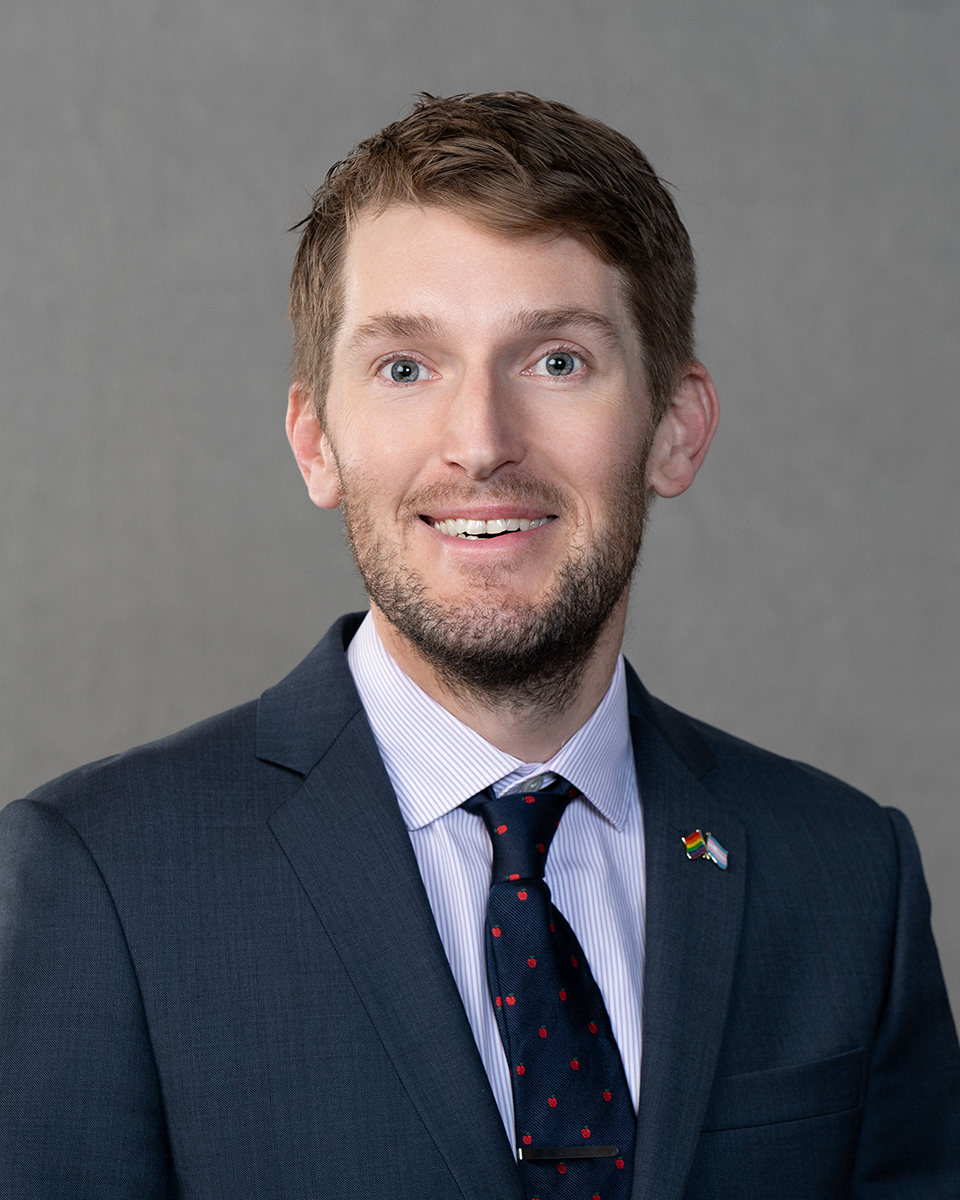
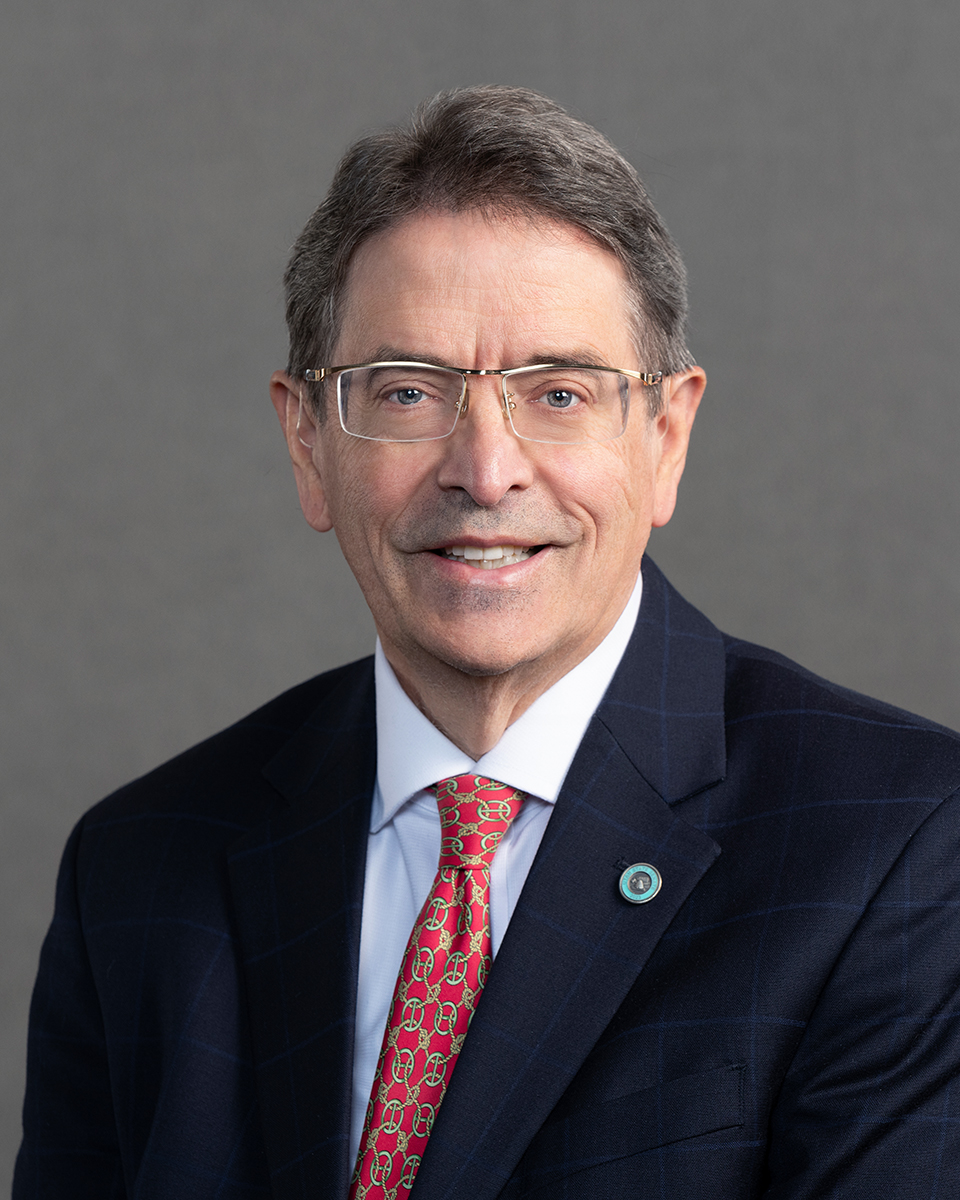
Kathleen Riebe
87% support rate
Top opponent
Lincoln Fillmore
10% support rate
Ranked legislators
10
5 support · 5 oppose
Key legislators

Who's moving healthcare in Utah

Legislators moving healthcare in Utah
Legislator Party Stance Support rate Votes
Kathleen Riebe
Kathleen Riebe Senate · District 15
D
Strong +
87% 63
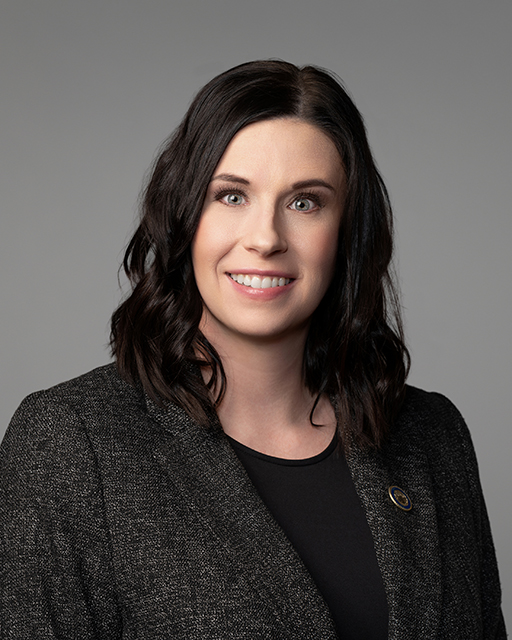
Nate Blouin
Nate Blouin Senate · District 13
D
Strong +
83% 68
Karen Kwan
Karen Kwan Senate · District 12
D
Strong +
83% 68
Emily Buss
Emily Buss Senate · District 11
N
Strong +
82% 63
Norm Thurston
Norm Thurston House · District 62
R
Strong +
80% 45
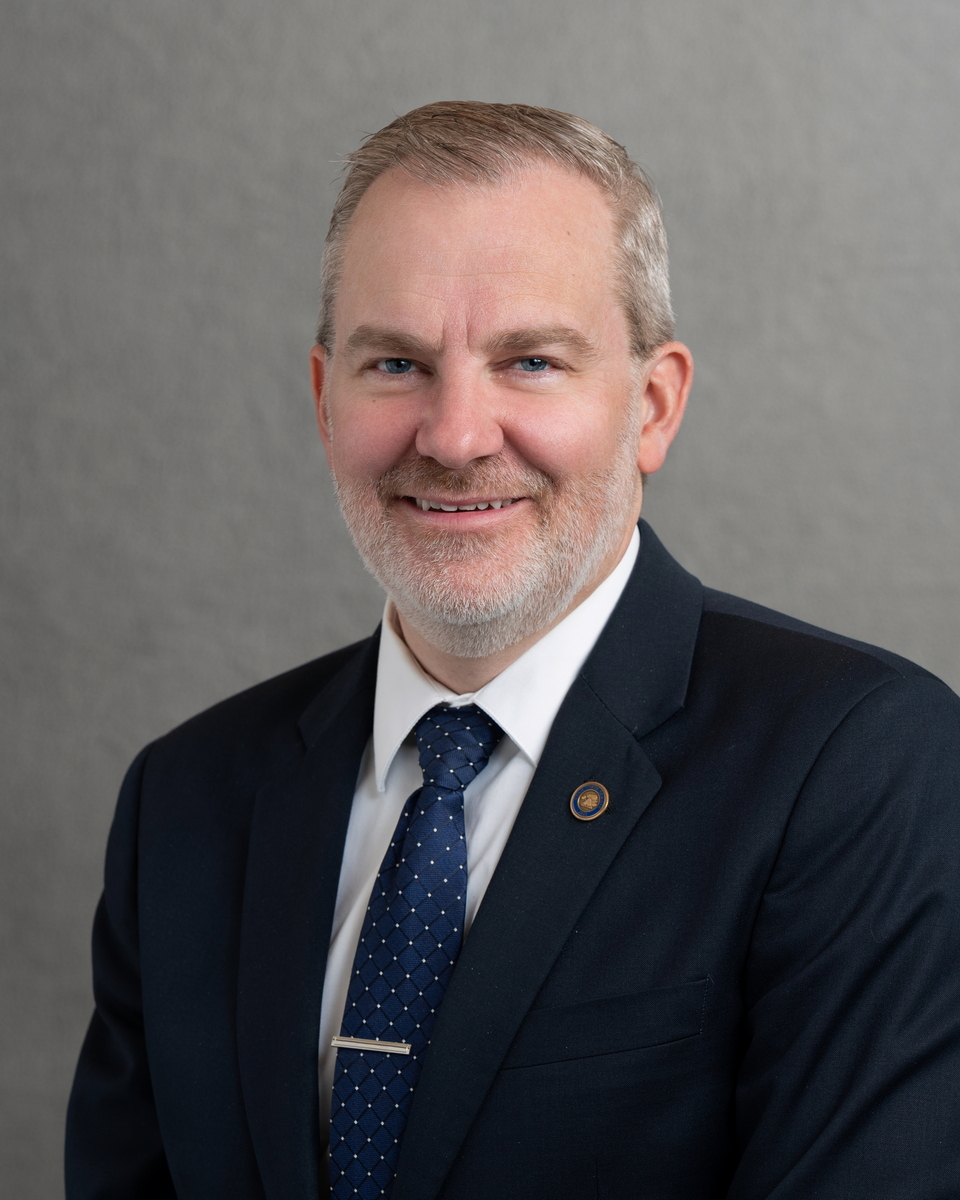
Lincoln Fillmore
Lincoln Fillmore Senate · District 17
R
Strong −
10% 56
John Johnson
John Johnson Senate · District 3
R
Oppose
30% 65
Dan McCay
Dan McCay Senate · District 18
R
Oppose
38% 55
Cal Musselman
Cal Musselman Senate · District 4
R
Oppose
38% 64
Tiara Auxier
Tiara Auxier House · District 4
R
Oppose
38% 42
Showing 51–60 of 104 bills

All healthcare bills

signed · Utah · House Mar 26, 2026

HB 269: Ambulance Provider Payment Amendments

HB 269 amends Utah's ambulance payment rules to directly affect ambulance providers and health insurers or workers' compensation carriers. It requires the Bureau of Emergency Medical Services to annually adjust base rates based on medical inflation, explicitly includes medication costs in the base rate (previously excluded), and allows providers to collect both base rates and mileage fees. The bill also clarifies that health plans must pay providers directly for covered ambulance services without balance billing for uncovered portions. These changes take effect January 1, 2027, with no new state funding required.
signed · Utah · Senate Mar 24, 2026

SCR 6: Concurrent Resolution Regarding Pediatric Care for Autonomic Disorders

SCR 6 is a non-binding resolution encouraging Utah's medical community to improve awareness, education, and diagnosis of POTS (postural orthostatic tachycardia syndrome) in children and adolescents, and urging insurers to cover diagnosis and treatment gaps. It highlights that 77% of POTS patients are initially misdiagnosed, Utah ranks 49th in primary care access, and POTS affects an estimated 3 million U.S. patients, often leading to disability. The resolution does not create new laws or appropriate funds but calls for systemic changes to address barriers in pediatric autonomic disorder care. It specifically targets pediatric patients, healthcare providers, and insurance companies without mandating action.
passed · Utah · House Mar 7, 2026

HB 338: First Responder Health Amendments

HB 338 requires all Utah first responder agencies to provide mental health services to current first responders, their spouses and children, surviving spouses of line-of-duty deaths, and retired or separated first responders (and their spouses) for three years after separation. It creates a Mental Health Resources Reserve Account funded by agency contributions to provide grants for mental health plans, prioritizing small agencies, and mandates the Department of Public Safety to submit annual compliance reports to specific committees and a public safety portal. The bill also updates grant application requirements to ensure providers have first responder-specific experience and outlines detailed plan criteria for agencies seeking funding. No new state funds are appropriated; existing resources will support these expanded services.
Sub-Topics Mental Health Tags Public Safety
signed · Utah · Senate Mar 26, 2026

SB 121: Medical Cannabis Program Amendments

SB 121 amends Utah's medical cannabis program to clarify rules and improve accessibility for patients and providers. Key changes include allowing legal guardians to obtain medical cannabis cards for incapacitated adults, creating a voucher program for patients to access cannabis or devices, and updating transportation and safe storage requirements for deliveries. The bill also streamlines administrative processes, such as revising how providers access patient information and simplifying identification requirements for cardholders. These changes affect medical cannabis patients, licensed providers, and delivery services operating under Utah's current program.
signed · Utah · House Mar 18, 2026

HB 205: Substance Use Intervention Amendments

HB 205 creates new pathways for substance use treatment within Utah's criminal justice system. It allows county jails to establish recovery housing pods for incarcerated individuals with substance use disorders, requiring approval by local substance abuse authorities and structured treatment programs. The bill also restricts syringe exchange programs to only distributing syringes (not other drug paraphernalia) and prohibits exchanges in public parks. Additionally, it authorizes courts to implement structured treatment programs for drug offenses and issue geographic "off-limits" orders for individuals charged with drug crimes. These changes primarily affect jails, local health authorities, and courts managing drug-related cases.
signed · Utah · Senate Mar 18, 2026

SB 175: Health Insurance Revisions

SB 175 updates Utah's health insurance requirements for autism spectrum disorder (ASD) coverage. It requires health benefit plans to cover ASD treatment - including applied behavior analysis - and expands the list of qualified providers (like psychologists and social workers) eligible for reimbursement for diagnosis and treatment. The bill also removes outdated language about preexisting conditions and clarifies definitions for ASD diagnosis and treatment under Utah law. These changes directly affect health insurance plans sold in Utah's individual and large group markets, ensuring coverage for children aged 2-10 years with ASD. The law amends specific Utah Code sections (26B-3-904 and 31A-22-642) without appropriating new funds.
Sub-Topics Insurance
signed · Utah · Senate Mar 18, 2026

SB 158: Recreational Therapy Program Amendments

SB 158 expands Medicaid reimbursement eligibility to include licensed residential support programs accredited by the American Camp Association, directly affecting Medicaid beneficiaries receiving recreational therapy services in these facilities. The bill adds this program type to the existing list of covered settings (like hospitals and skilled nursing facilities) where qualified enrollees - those enrolled in Medicaid and referred by a mental health therapist - can access reimbursed services. It authorizes the Department of Health and Human Services to seek necessary federal waivers to implement this change, with no new state funding required. The policy takes effect May 6, 2026, and focuses solely on expanding coverage eligibility without altering service criteria or beneficiary requirements.
signed · Utah · Senate Mar 18, 2026

SB 204: Physical Therapy Payment Amendments

SB 204 requires Utah health insurers to apply the same cost-sharing rules (like copays and deductibles) for physical therapy services as they do for primary care visits. This directly affects patients seeking physical therapy and insurers, ensuring they pay no more out-of-pocket for PT than for a primary care visit. The bill amends Utah law to prohibit insurers from charging higher fees or imposing extra costs for physical therapy compared to primary care, while clarifying that physical therapists must still practice within existing scope-of-practice laws. It takes effect January 1, 2027, with no new funding required.
Sub-Topics Primary Care
signed · Utah · House Mar 19, 2026

HB 390: Veterans PTSD Clinical Research Amendments

HB 390 authorizes Utah's Huntsman Mental Health Institute to conduct a clinical study on the safety and feasibility of psychedelic-assisted therapy for veterans with treatment-resistant PTSD (veterans whose PTSD hasn't improved with standard treatments). The bill permits Huntsman to accept donations and grants to fund the study, requiring combined legislative appropriations and donations to reach a sufficient threshold by January 1, 2027, to begin the research. Huntsman must report findings to the Health and Human Services Interim Committee and will return unused donations by July 1, 2032. The study must comply with federal and state regulations, including FDA oversight and safety protocols for administering psychedelic drugs like MDMA or psilocybin in controlled settings. The bill makes no direct funding appropriation and focuses solely on enabling this specific research initiative.
signed · Utah · Senate Mar 24, 2026

SB 150: Healthcare Providers Scope of Practice Amendments

SB 150 creates a formal process for reviewing whether healthcare practitioners (like nurses or therapists) should be allowed to use new technologies in their practice. It requires Utah's Office of Professional Licensure Review to conduct these "scope of practice reviews" when requested by legislators, healthcare employers, or professional groups. The office must convene advisory groups including affected practitioners, assess if the technology improves care access, outcomes, or costs, and then submit a report to the Business and Labor Committee. The bill does not change current practice standards but establishes a structured method for evaluating potential expansions to healthcare occupations' scope.
Showing 51 to 60 of 104 bills
Previous 1 5 6 7 11 Next