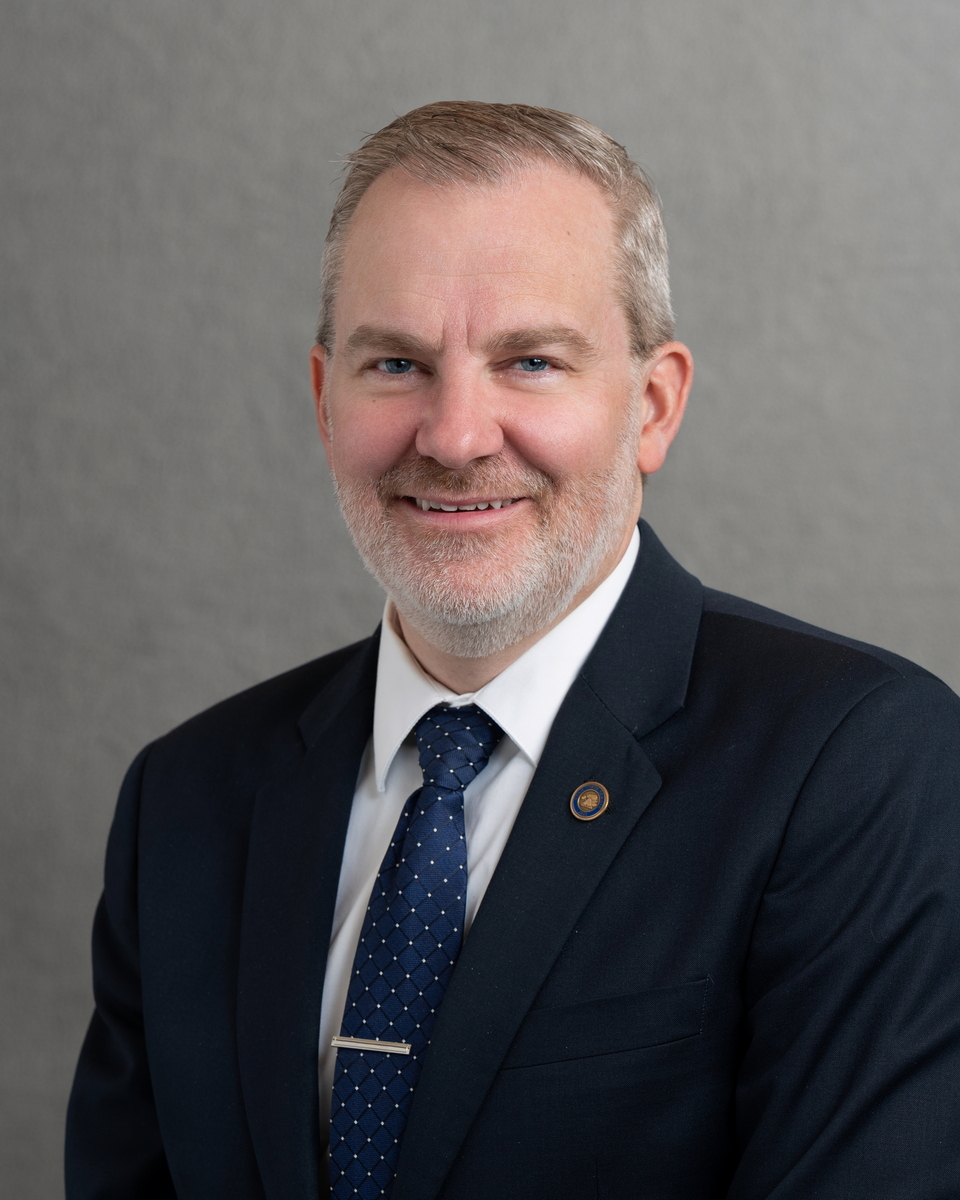
This bill creates a Cannabis Production Establishment and Pharmacy Licensing Advisory Board to oversee medical cannabis pharmacy licensing in Utah. The board, composed of eight to nine members with strict conflict-of-interest rules (e.g., no industry ties), reviews license applications and location changes. Key provisions require the board to consider geographic access, patient cost efficiency, and medical cannabis availability when approving pharmacy location shifts. It directly affects medical cannabis pharmacies seeking new locations or operational changes, ensuring decisions align with public health and geographic distribution goals. The bill amends Utah code sections governing licensing procedures but does not appropriate funds or change patient eligibility.
SB 121 amends Utah's medical cannabis program to clarify rules and improve accessibility for patients and providers. Key changes include allowing legal guardians to obtain medical cannabis cards for incapacitated adults, creating a voucher program for patients to access cannabis or devices, and updating transportation and safe storage requirements for deliveries. The bill also streamlines administrative processes, such as revising how providers access patient information and simplifying identification requirements for cardholders. These changes affect medical cannabis patients, licensed providers, and delivery services operating under Utah's current program.
HB 164 requires health care providers to give patients written information about reporting unprofessional or unlawful conduct to Utah's Division of Professional Licensing before patients sign any nondisclosure agreement. It makes such agreements legally unenforceable unless the provider first provides a standardized model notice explaining how to file a complaint. The bill directs the Division to create and publish this notice online, including details on what constitutes misconduct and the reporting process. This affects patients seeking to report provider misconduct and health care providers using nondisclosure clauses, effective May 6, 2026.
HB 416 creates the Firefighter Cancer Benefit Trust Fund to provide financial support for firefighters diagnosed with cancer presumed to be work-related. The bill redirects existing revenue from property and life insurance premiums (specifically 50% of the first $4 million from property insurance tax and 10% of the first $1 million from life insurance tax) to fund this trust, replacing prior allocations. The trust fund, administered by an 11-member board (including firefighters, fire chiefs, medical experts, and officials), will cover benefits for affected firefighters and their families, with assets protected from creditor claims. This bill modifies tax distribution rules without new appropriations, directly affecting Utah firefighters with presumptive cancer diagnoses under existing law.
This bill requires Utah healthcare facilities to provide parents or legal guardians full access to minors' electronic medical records, unless exceptions apply (such as a minor's consent for specific treatments, a court order, or if the parent isn't legally authorized under state/federal law). It mandates electronic health record vendors to ensure systems support this access and authorizes the attorney general to enforce compliance with fines up to $10,000 per day. Facilities must also provide paper records free of charge upon request if electronic access is restricted. The law takes effect May 6, 2026, and aligns with federal privacy standards.
HB 269 amends Utah's ambulance payment rules to directly affect ambulance providers and health insurers or workers' compensation carriers. It requires the Bureau of Emergency Medical Services to annually adjust base rates based on medical inflation, explicitly includes medication costs in the base rate (previously excluded), and allows providers to collect both base rates and mileage fees. The bill also clarifies that health plans must pay providers directly for covered ambulance services without balance billing for uncovered portions. These changes take effect January 1, 2027, with no new state funding required.
HB 122 requires Utah correctional facilities to report the number of pregnant inmates and inmates who are parents of minor children. It extends postpartum recovery care to 12 weeks, prohibits restraints during this period without specific security justification, and increases social worker access from six to 12 weeks to help inmates arrange childcare, plan family reunification, and access substance abuse treatment if needed. The bill also clarifies that facilities must provide postpartum medical care for 12 weeks after childbirth. These changes directly affect pregnant and postpartum incarcerated individuals in Utah state prisons and county jails.
This concurrent resolution directs Utah's Public Employees' Benefit and Insurance Program (PEHP) to add hormone replacement therapy (HRT) treatments for perimenopausal and menopausal symptoms to its drug formulary. It specifically affects state employees covered by PEHP health plans, requiring the program to include these treatments in its approved medications. The resolution does not address "black box" warnings but mandates PEHP to cover HRT for symptom relief. As a procedural directive, it guides an agency's existing policy without creating new law.
HB 572 updates Utah's behavioral and mental health systems to improve coordination and support. It requires standardized consent forms for disclosing mental health conditions to providers and law enforcement, mandates jail screening tool transparency, and shifts administration of the suicide prevention fund to a dedicated office. The bill creates a peer support specialist program, establishes a family outreach role for suicide/overdose cases, and amends involuntary commitment procedures. It appropriates $750,000 for implementation in fiscal year 2027, directly affecting justice-involved individuals, mental health providers, and families impacted by behavioral health crises.
HB 599 amends Utah's social services funding to redirect interest earned from the Medicaid ACA Fund into the General Fund, freeing up $759,700 annually for 2026-2027. It adds immunosuppressive drugs to Medicaid's preferred drug list and transitions the Children's Health Insurance Program (CHIP) into Medicaid, with dental services for CHIP beneficiaries to be provided through the University of Utah School of Dentistry. The bill also allocates funds from electronic cigarette taxes to support substance use treatment and prevention services. These changes directly affect Medicaid beneficiaries, CHIP enrollees (now covered under Medicaid), and individuals seeking substance use treatment.