Issue · Environment

Environment (Wildlife)

Every environment bill, vote, and legislator stance in Utah, automatically classified by Maddy, our AI policy reader.

Total bills
7
2026 General Session
Top supporter
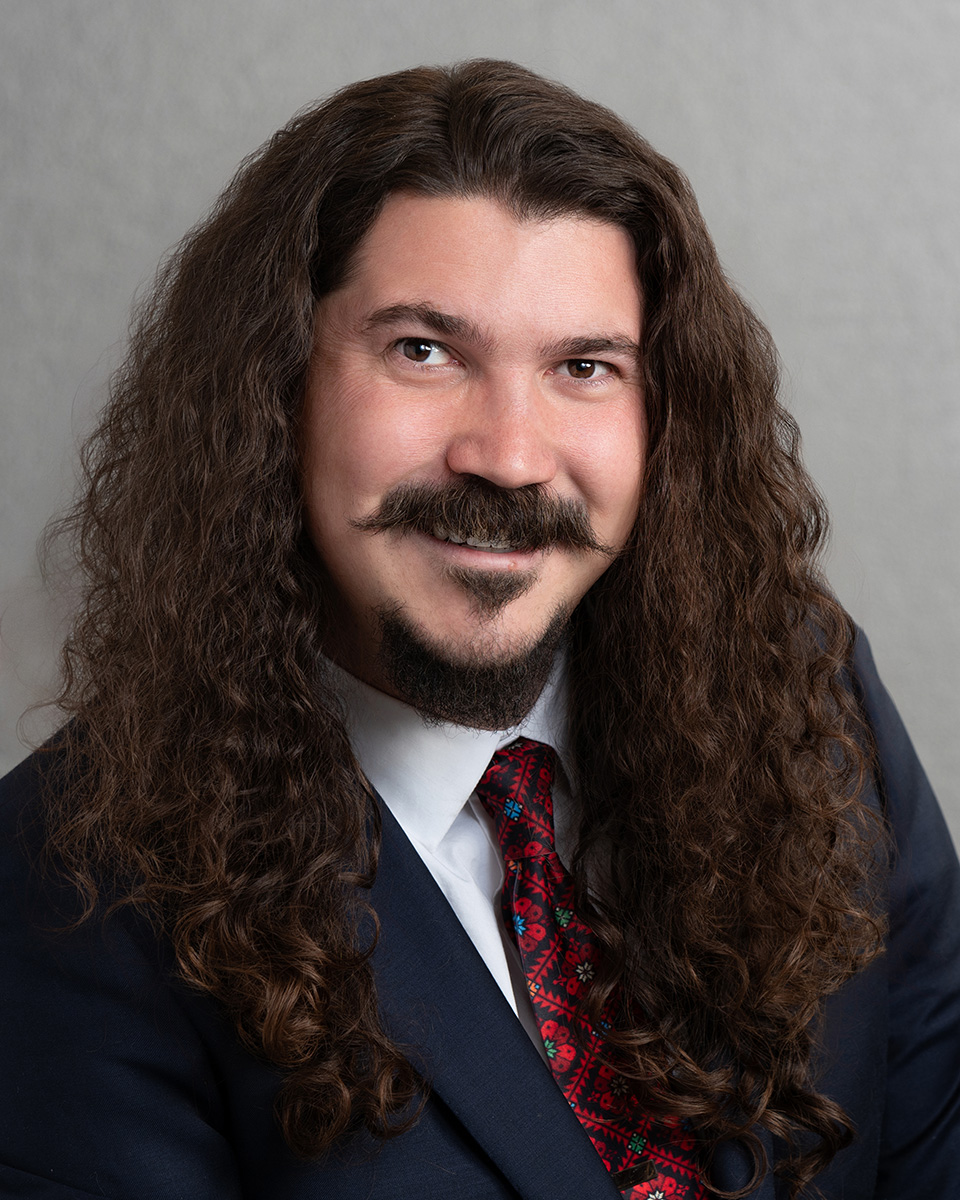
Andrew Stoddard
100% support rate
Top opponent
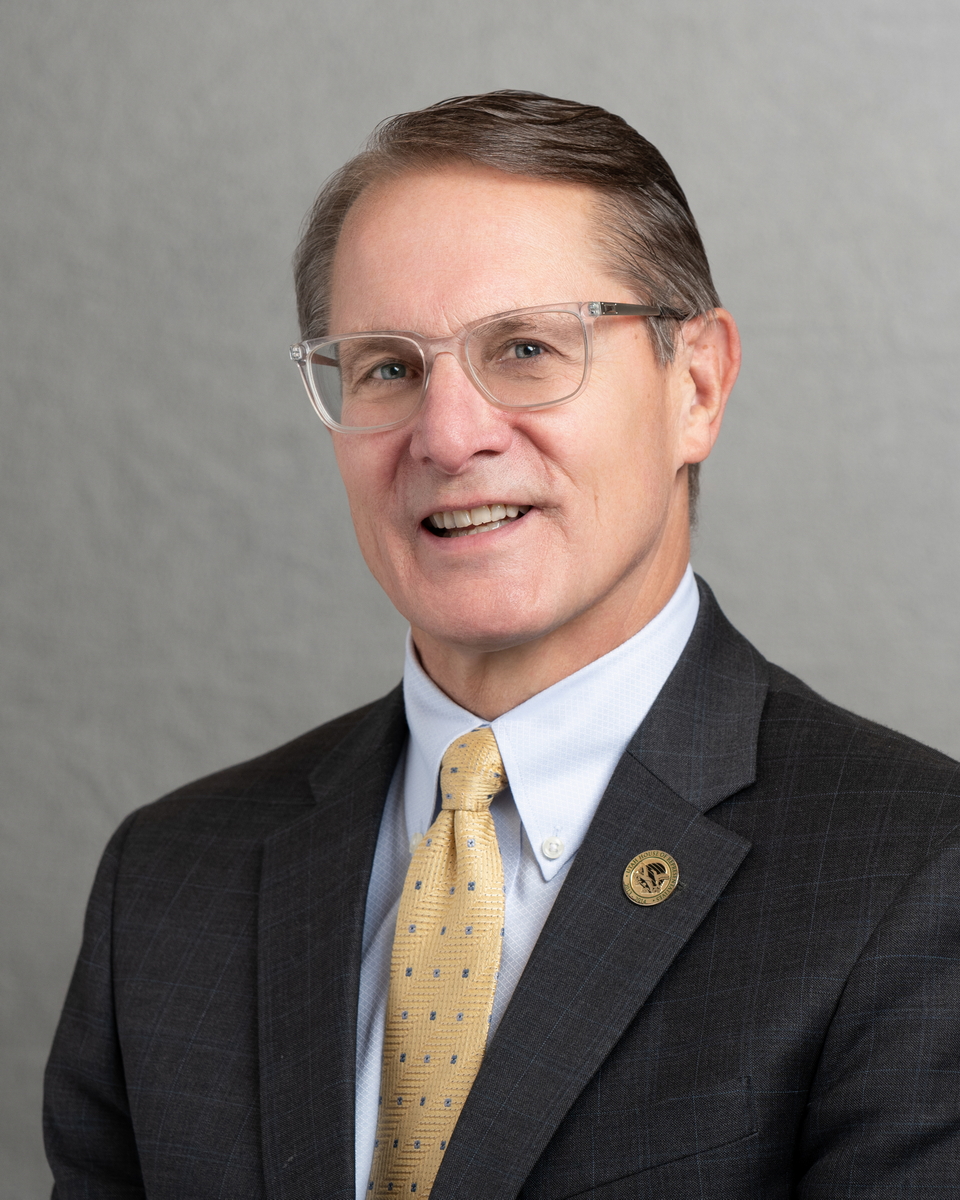
Cal Musselman
33% support rate
Ranked legislators
10
5 support · 5 oppose
Key legislators

Who's moving wildlife in Utah

Legislators moving wildlife in Utah
Legislator Party Stance Support rate Votes
Andrew Stoddard
Andrew Stoddard House · District 40
D
Strong +
100% 3
Carol Moss
Carol Moss House · District 34
D
Strong +
100% 3
Doug Owens
Doug Owens House · District 33
D
Strong +
100% 3
Emily Buss
Emily Buss Senate · District 11
N
Strong +
100% 3
Grant Miller
Grant Miller House · District 24
D
Strong +
100% 3
Cal Musselman
Cal Musselman Senate · District 4
R
Oppose
33% 3
Carl Albrecht
Carl Albrecht House · District 70
R
Oppose
33% 3
Karen Kwan
Karen Kwan Senate · District 12
D
Oppose
33% 3
Ken Ivory
Ken Ivory House · District 39
R
Oppose
33% 3
Leah Hansen
Leah Hansen House · District 51
R
Oppose
33% 3
Showing 7 of 7 bills

All environment bills

introduced · Utah · House Mar 7, 2026

HB 285: Local Planning and Regulation Impacts on Wildlife Amendments

HB 285 requires Utah cities and counties to consider how new development affects wildlife habitats, movement, and migration corridors when creating or updating their long-term land use plans. It also mandates the Utah Department of Natural Resources to provide local governments with relevant wildlife information to support these planning decisions. This applies to all municipalities and counties as they adopt or revise general plans and land use regulations. The bill makes technical updates to existing state code without adding new funding or regulatory requirements.
Sub-Topics Wildlife
passed · Utah · House Mar 7, 2026

HB 168: Hunting and Fishing Amendments

HB 168 creates the Poaching Mitigation Fund to use restitution from poaching violations for anti-poaching efforts like education programs, wildlife crime detection equipment, and law enforcement training. It modifies the Guide and Outfitter Fund to allow the Division of Law Enforcement to use its money for wildlife enforcement, removes outdated references to "spotters," and updates definitions for guides and outfitters. The bill also clarifies rules about the number of people allowed to provide guide services, addresses unlawful aircraft activity during hunting/fishing, and requires reimbursement for investigatory expenses related to violations. These changes directly affect wildlife law enforcement, licensed guides/outfitters, and individuals violating hunting/fishing regulations. The bill makes technical updates to Utah code sections without appropriating new funds.
signed · Utah · House Mar 25, 2026

HB 412: Energy Development Planning Amendments

HB 412 requires developers of utility-scale solar and wind power plants (over 1 megawatt capacity) to consult with Utah’s Division of Wildlife Resources before seeking local government permits. The bill mandates that developers submit project details, hold meetings with wildlife officials, and incorporate the division’s recommendations for minimizing wildlife impacts. Local governments must consider these recommendations when reviewing permits, though the wildlife division cannot approve or deny projects. The law takes effect May 6, 2026, and does not appropriate funds or change local permitting authority.
Sub-Topics Solar Wind Wildlife
signed · Utah · House Mar 18, 2026

HB 431: Wildlife Crossing Amendments

HB 431 creates a dedicated Wildlife Crossing Account funded through voluntary $1 contributions when Utah residents apply for vehicle registration or purchase hunting, fishing, or other licenses. The bill directs the Department of Transportation, with input from wildlife officials, to prioritize projects that improve wildlife safety (like animal crossings over roads) and protect livestock. It does not appropriate new state funds but instead uses existing voluntary contributions and allocates a portion of sales tax revenue to the account. The account will support projects designed to reduce wildlife-vehicle collisions and enhance habitat connectivity across Utah.
signed · Utah · House Mar 7, 2026

HB 93: Goshen Bay Waterfowl Management Area

HB 93 creates the Goshen Bay Waterfowl Management Area on state-owned lands near the Great Salt Lake, designated for conservation and public use. The bill authorizes the Wildlife Board to manage this area to protect waterfowl and other wildlife habitat, enhance wetland ecosystems, and provide recreational opportunities like hunting, fishing, and wildlife viewing. It directly affects the Wildlife Board (which will manage the area) and the public who access the site for outdoor activities. The bill makes technical updates to existing Utah law (23A-6-403 and 23A-12-301) to formally establish the area without appropriating new funds.
signed · Utah · House Mar 25, 2026

HB 30: Wildlife Management Area Amendments

HB 30 creates the Wildlife Management Area Stewardship Fund, funded by voluntary contributions, to support habitat restoration, trail maintenance, and volunteer coordination in state wildlife areas. It repeals the previous requirement for hunting or fishing licenses to access these areas and instead mandates that recreational users (non-hunting, non-fishing visitors) in certain counties complete an approved educational video and obtain digital verification for entry. Exceptions include highway travel within the areas, participation in educational programs, or existing property rights. The bill directly affects non-hunting, non-fishing visitors and the Division of Wildlife Resources, which will manage the fund and oversee the educational requirements.
signed · Utah · House Mar 25, 2026

HB 16: Solar Power Plant Amendments

HB 16 establishes new rules for utility-scale solar power plants in Utah, affecting developers planning projects permitted after May 6, 2026. It ties state financial incentives to land characteristics: projects on protected farmland (prime, irrigated, or high-capacity cropland) lose full incentives, while those on less productive land may qualify for partial support. The bill also requires wildlife impact consultations, mandates decommissioning plans with financial assurance (like bonds or letters of credit), and sets site restoration standards. Existing projects with pre-2026 agreements or permits are exempt from these new rules.
Sub-Topics Solar Wildlife