Issue · Environment

Environment

Every environment bill, vote, and legislator stance in Utah, automatically classified by Maddy, our AI policy reader.

Total bills
51
2026 General Session
Top supporter
John Arthur
94% support rate
Top opponent
Mike Petersen
12% support rate
Ranked legislators
10
5 support · 5 oppose
Key legislators

Who's moving environment in Utah

Legislators moving environment in Utah
Legislator Party Stance Support rate Votes
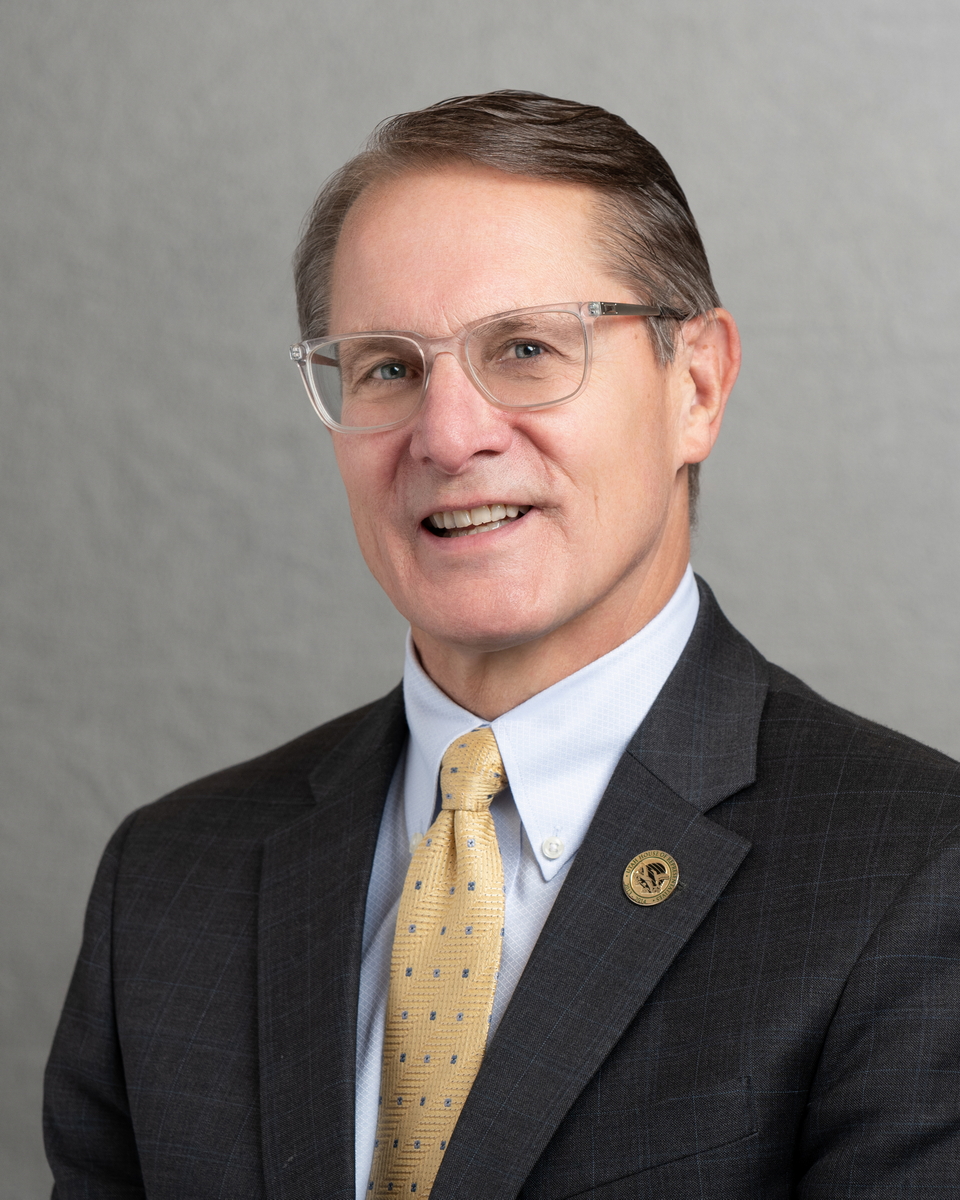
John Arthur
John Arthur House · District 41
D
Strong +
94% 35
Jen Dailey-Provost
Jen Dailey-Provost House · District 22
D
Strong +
94% 33
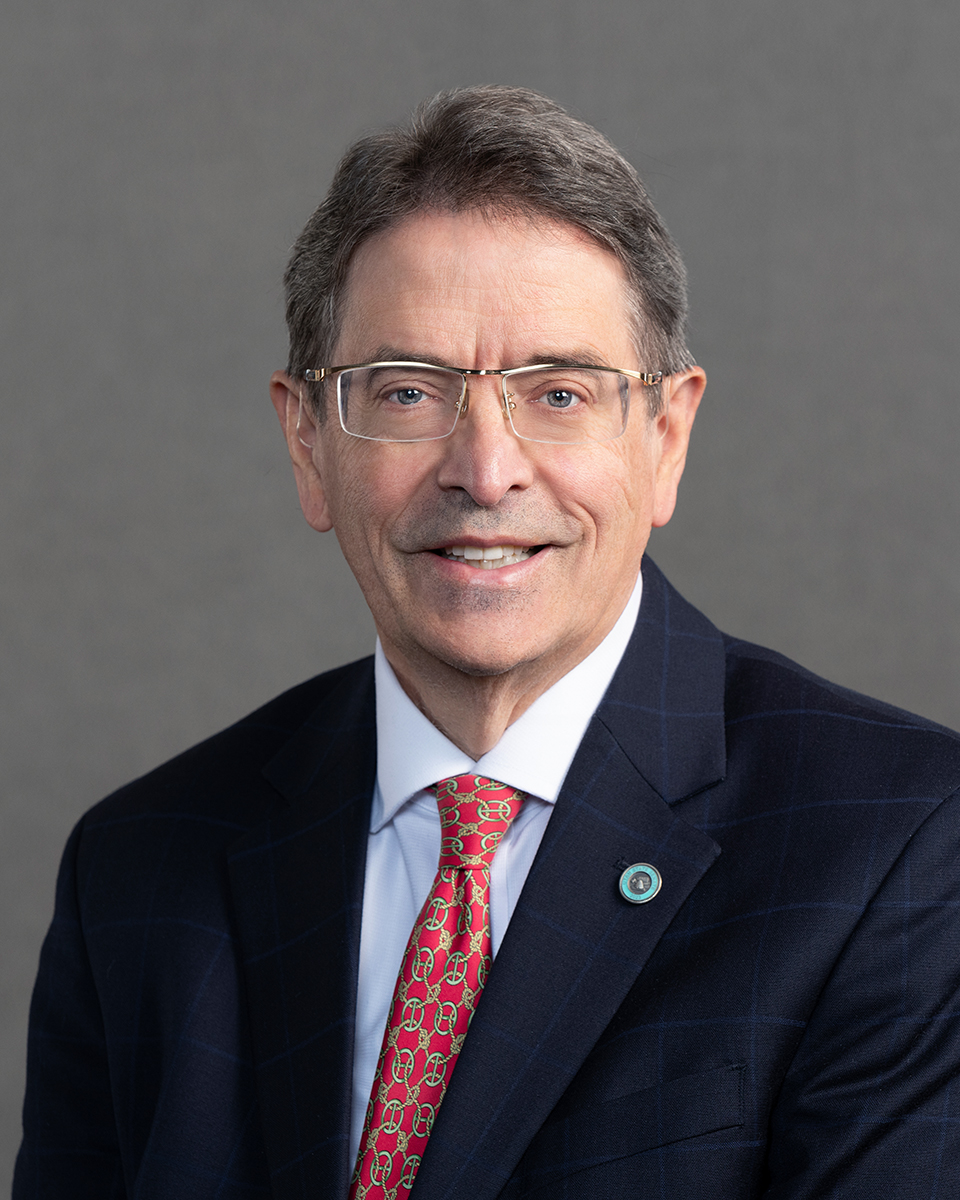
Doug Owens
Doug Owens House · District 33
D
Strong +
94% 33
Hoang Nguyen
Hoang Nguyen House · District 23
D
Strong +
94% 33
Ashlee Matthews
Ashlee Matthews House · District 37
D
Strong +
93% 27
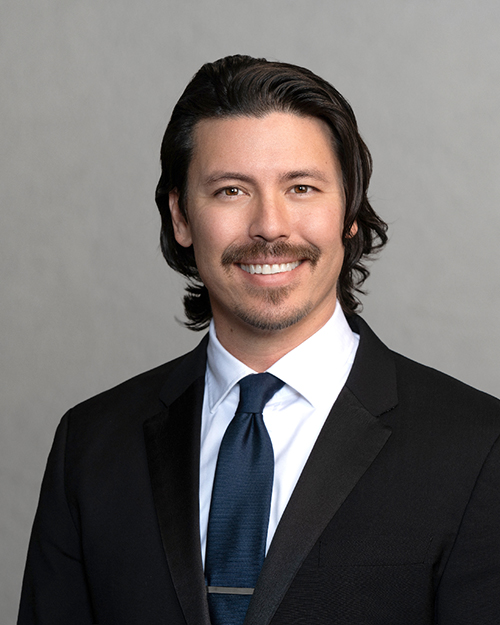
Mike Petersen
Mike Petersen House · District 2
R
Strong −
12% 33
Ken Ivory
Ken Ivory House · District 39
R
Strong −
18% 33
Leah Hansen
Leah Hansen House · District 51
R
Strong −
18% 34
John Johnson
John Johnson Senate · District 3
R
Strong −
18% 34
Kristen Chevrier
Kristen Chevrier House · District 54
R
Strong −
20% 28
Showing 31–40 of 51 bills

All environment bills

failed · Utah · Senate Mar 7, 2026

SCR 3: Concurrent Resolution Regarding Nuclear Weapons Testing

SCR 3 is a Utah legislative resolution urging the U.S. government not to resume explosive nuclear weapons testing. It directly addresses the federal government, referencing Utah's historical exposure to radioactive fallout from Nevada tests and citing international consensus (187 countries supporting the Comprehensive Test Ban Treaty) and 75% U.S. public opposition. The resolution emphasizes that the U.S. already maintains nuclear safety through the Stockpile Stewardship Program and that restarting tests would escalate global nuclear arms races. As a symbolic measure with no funding or legal effect, it does not change federal policy but formally expresses Utah's position.
signed · Utah · House Mar 23, 2026

HB 313: Landscaper Certification Amendments

HB 313 updates Utah's licensing rules for landscape work. It requires the Division of Professional Licensing to define "landscape work" and specify which licensees can perform it. Landscaping licensees must complete 6 hours of continuing education every two years, including an additional 3 hours focused on water conservation (like drought-tolerant plants and efficient irrigation) and fire risk management (such as fire-resistant landscape designs). The bill affects current and future landscape contractors who need to renew their licenses under these new education requirements, effective May 6, 2026.
Sub-Topics Conservation
passed · Utah · House Mar 7, 2026

HB 328: Water Usage Modifications

HB 328 prohibits the use of overhead spray irrigation for nonfunctional turf (aesthetic turf not used for sports, recreation, or active community purposes) in new or redeveloped projects on specified land within the Great Salt Lake drainage area, effective January 1, 2027. It applies to property owners and developers of commercial, industrial, institutional, or multifamily projects in this region, excluding agricultural land, single-family homes, schools, and government properties. Municipalities must include warnings about the prohibition in land use permits and may inspect projects for compliance. The bill defines key terms like "nonfunctional turf" and "specified land" to clarify which developments and landscapes are affected.
Sub-Topics Water Quality
signed · Utah · House Mar 25, 2026

HB 412: Energy Development Planning Amendments

HB 412 requires developers of utility-scale solar and wind power plants (over 1 megawatt capacity) to consult with Utah’s Division of Wildlife Resources before seeking local government permits. The bill mandates that developers submit project details, hold meetings with wildlife officials, and incorporate the division’s recommendations for minimizing wildlife impacts. Local governments must consider these recommendations when reviewing permits, though the wildlife division cannot approve or deny projects. The law takes effect May 6, 2026, and does not appropriate funds or change local permitting authority.
Sub-Topics Solar Wind Wildlife
signed · Utah · House Mar 25, 2026

HB 378: Fugitive Dust Mitigation Amendments

HB 378 amends Utah's air quality laws to regulate dust emissions from specific industrial sites. It requires facilities like sand/gravel operations, excavation sites, and bulk material handling areas (over a quarter acre) to post visible public signage with facility details and contact information. The bill establishes a tiered annual fee system based on dust emissions: $750 for under 20 tons, $1,500 for 20-79 tons, $3,500 for 79-99 tons, and $4,500 for 99+ tons, starting in 2027 (with rules finalized by 2028). These fees apply to "aggregate operations" defined as facilities extracting or processing rock materials like sand, gravel, and stone, excluding agricultural sites or road salting. The bill repeals an outdated section and has no budget impact.
Sub-Topics Air Quality
signed · Utah · House Mar 18, 2026

HB 431: Wildlife Crossing Amendments

HB 431 creates a dedicated Wildlife Crossing Account funded through voluntary $1 contributions when Utah residents apply for vehicle registration or purchase hunting, fishing, or other licenses. The bill directs the Department of Transportation, with input from wildlife officials, to prioritize projects that improve wildlife safety (like animal crossings over roads) and protect livestock. It does not appropriate new state funds but instead uses existing voluntary contributions and allocates a portion of sales tax revenue to the account. The account will support projects designed to reduce wildlife-vehicle collisions and enhance habitat connectivity across Utah.
signed · Utah · House Mar 25, 2026

HB 185: Carbon Credit Amendments

HB 185 establishes new rules and funds for carbon credit transactions in Utah. It creates a Carbon Credit Investment Fund funded by a 19% assessment on carbon credit sales (administered by the State Tax Commission) and a Carbon Credit Litigation Fund. The bill requires carbon credit brokers to hold licenses, imposes criminal penalties for unlicensed sales, and gives the Office of Energy Development a right of first refusal to purchase in-state carbon credits. State agencies must report carbon credit details and deposit sale revenue into the General Fund, while 5% of the Investment Fund’s annual earnings go to rural counties and eligible rural colleges meeting specific enrollment and completion rate criteria.
Sub-Topics State Budget
passed · Utah · House Mar 7, 2026

HB 154: Water Loss Study Amendments

HB 154 directs Utah's Division of Water Resources to study water loss in public water systems from 2015 to 2024, compiling data on system size and analyzing industry practices for both public systems and end-use losses. The study requires the division to make recommendations for improving water loss estimates and reducing actual water losses. The division must report findings to the Legislative Water Development Commission by October 31, 2026. The bill also repeals related provisions by July 1, 2027, with most provisions effective May 6, 2026.
Sub-Topics Drinking Water
signed · Utah · House Mar 25, 2026

HB 323: Solar Panel Disposal Amendments

HB 323 creates a new program to manage solar panel waste in Utah, directly affecting solar installers, panel owners, and waste facilities. It requires installers to register with the Waste Management Division and pay fees, mandates panel owners to test for hazards and dispose of panels at approved sites starting July 2027, and authorizes the Waste Management Board to set testing and disposal rules. The bill also establishes a dedicated waste account, requires detailed disclosures from solar retailers about disposal, and mandates annual reports to lawmakers. No new funding is appropriated for this program.
signed · Utah · House Feb 1, 2026

HB 5: Natural Resources, Agriculture, and Environmental Quality Base Budget

HB 5 is a funding bill that allocates $1.3 billion in state funds for Utah's Natural Resources, Agriculture, and Environmental Quality agencies for fiscal years 2026 and 2027. It directly affects the Utah Department of Agriculture and Food, providing specific appropriations for its programs like Animal Industry, Invasive Species Mitigation, Plant Industry, and Marketing. The bill details funding sources (including General Fund and Income Tax Fund) and includes limited provisions for non-lapsing funds to cover specific operational needs like equipment, training, and projects. It does not create new policies but authorizes spending for existing agency operations.
Showing 31 to 40 of 51 bills
Previous 1 3 4 5 6 Next