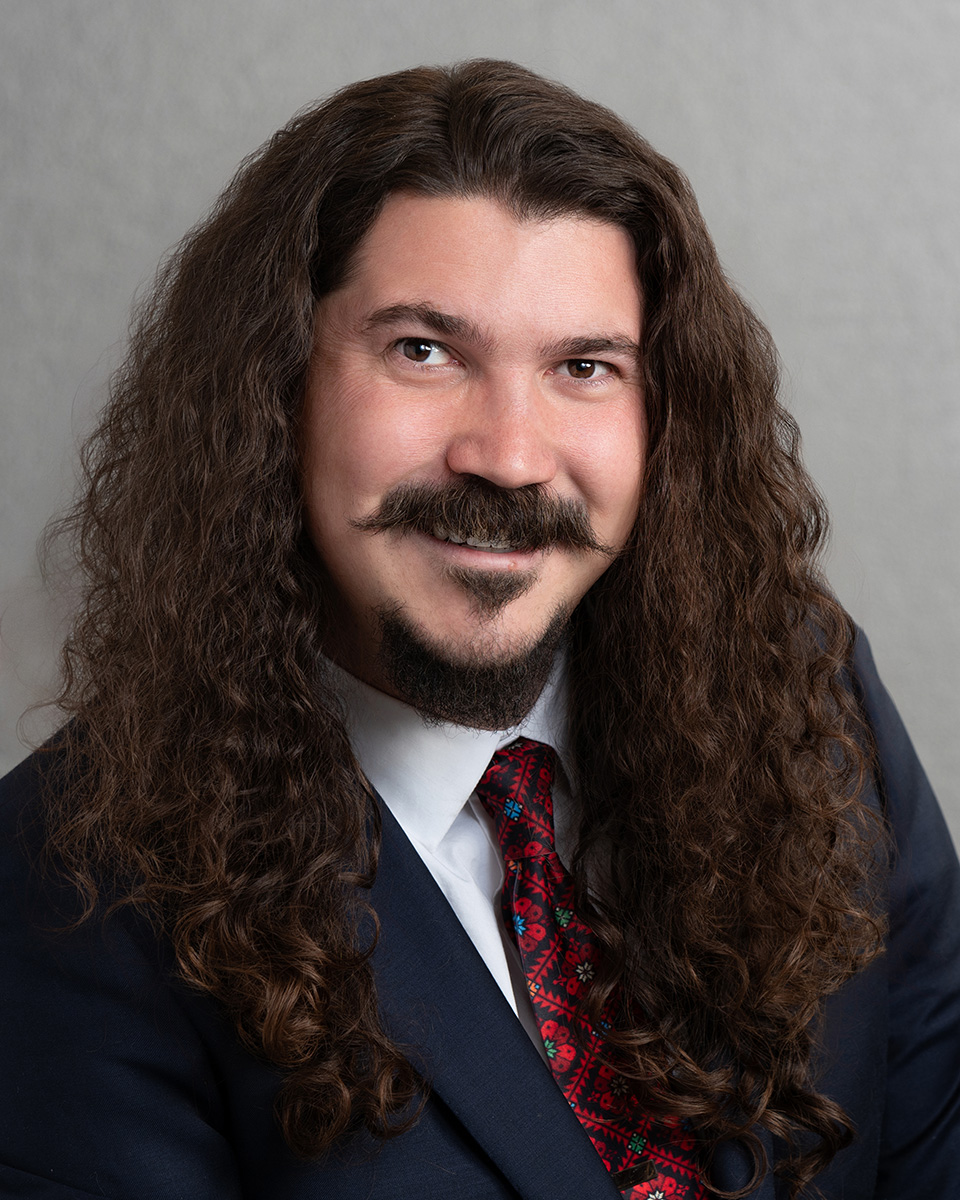
This bill is a resolution from the Utah House of Representatives that formally censures Judge Don M. Torgerson for comments made during a sentencing hearing involving child sexual exploitation. The resolution condemns the judge for minimizing the severity of the crimes and suggesting that a defendant's socioeconomic privilege could justify a lighter sentence. It also expresses disappointment that the Utah State Courts issued inaccurate information defending the judge's conduct. The measure does not change laws or allocate funds but serves as an official statement of disapproval from the legislature.
HJR 26 amends Utah's Rules of Evidence to establish new standards for admitting evidence generated by automated systems (like AI or algorithms) that make inferences or predictions. It requires such evidence to meet four criteria for admissibility: it must help the court understand the case, be based on sufficient facts, use reliable methods, and apply those methods correctly to the facts. This rule specifically excludes basic measuring devices (like speedometers or thermometers) from these requirements. The bill affects Utah courts and legal proceedings involving machine-generated evidence, ensuring such evidence meets reliability standards before being used in trials.
HJR 28 amends Utah court rules to create a new procedure for remanding non-capital felony appeals (cases without a death sentence) to trial courts. It allows defendants to request the appellate court send their case back for factual findings about claims of ineffective legal counsel, requiring specific evidence and limiting the process to 90 days. The bill explicitly excludes capital felony cases (with death sentences) from this remand process. This affects defendants in non-capital felony appeals challenging their attorneys' performance, providing a structured way to address incomplete records without changing the death penalty process.
HB 207 amends Utah court procedures for competency evaluations of defendants in criminal cases. It requires courts to order multiple evaluations simultaneously if needed, allows the Department of Health to conduct additional evaluations under specific circumstances, and permits transferring defendants to clinical settings for evaluations. The bill clarifies reporting rules for progress toward competency and ensures involuntary medication orders remain valid during facility transfers. This procedural update affects defendants, courts, and the Department of Health, with no new funding required.
This is a non-binding resolution (HJR 4) from Utah's legislature urging Congress to take specific actions on prison security and inmate reentry. It requests Congress to support the 2025 Second Chance Reauthorization Act (to restore funding for reentry programs), expand affordable health care access for incarcerated individuals before release, pass the 2025 Cell Phone Jamming Reform Act, criminalize drone flights over prisons, and allow pilot programs to mitigate drone threats. The resolution does not appropriate funds or create new state laws, but highlights federal policy gaps using statistics on recidivism, contraband cell phones, and drone incidents. It directly addresses Congress, not Utah residents or state agencies.
SB 80 clarifies that physicians do not commit unprofessional conduct by participating in the execution of a death sentence authorized under Utah law. The bill amends disciplinary rules to explicitly exclude such participation from professional misconduct definitions for physicians. It directly affects medical professionals who may be involved in capital punishment procedures. The bill makes a specific policy change to protect physicians from disciplinary action related to this role, without creating new programs or allocating funds.
SJR 1 amends Utah's Rules of Evidence to allow courts to admit evidence of prior similar child molestation or sexual assault acts in criminal cases involving those specific offenses. It permits prosecutors to present evidence of past child molestation (including sexual exploitation of minors) or prior sexual assaults to show a defendant's propensity, provided they give the defendant reasonable notice before trial. This change directly affects defendants in criminal cases accused of child molestation (involving children under 14) or sexual assault. The amendment does not alter other evidence rules but specifies new procedures for disclosure and admissibility in these limited cases.
HB 455 allows peace officer and dispatcher applicants in Utah with expunged or dismissed criminal convictions to enter training programs and take certification exams under specific conditions. It directly affects individuals seeking these public safety roles who previously faced automatic disqualification due to cleared records. Key conditions include: no violent felony or sexual offense convictions, a minimum 10-year waiting period since conviction, and meeting other standard requirements like background checks. The bill amends Utah Code sections 53-6-203 and 53-6-302 to update eligibility standards for these positions.
HB 588 requires Utah's Office of American Indian-Alaska Native Health and Family Services to create mandatory training for peace officers investigating missing or murdered Indigenous individuals. The training curriculum must cover tribal sovereignty principles, relevant federal/state/tribal laws, methods for gathering accurate tribal affiliation information, coordination with family members, and best practices for interviewing families. This bill directly affects law enforcement officers conducting such investigations and aims to improve investigative approaches through culturally informed practices. The training must be reviewed and updated at least every three years, with the bill taking effect on May 6, 2026.
HB 593 amends Utah's bail procedures to improve pretrial release decisions. It requires jail staff to collect detailed information - including residential address, financial circumstances, community ties, and lethality assessments - when individuals are arrested without a warrant and booked. The bill also establishes new criteria for jail officials to release people on their own recognizance (without bail), prohibiting release for certain offenses like violent felonies, domestic violence, or recent bookings. These changes apply directly to arrested individuals, courts, and jail staff, aiming to inform release decisions with more comprehensive data while maintaining court oversight.