

Maddy summaryThis bill establishes new procedural safeguards for the Internal Revenue Service when conducting tax inquiries or examinations of universities, requiring high-level Treasury approval based on reasonable belief that a university may not qualify for tax-exempt status. It mandates that the IRS provide written notice to the institution before beginning an inquiry and at least 15 days before starting a formal examination, offering the university the opportunity to hold a conference to discuss concerns. The legislation imposes strict time limits, requiring inquiries to be completed within 90 days and examinations within two years, while also restricting the ability to re-examine a university for five years if no significant tax issues are found. Additionally, it requires the Secretary of the Treasury to submit confidential reports to congressional committees detailing any new university tax investigations.
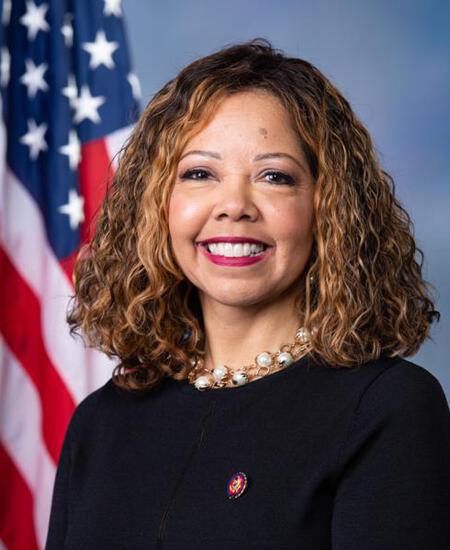
Rep. Lucy McBath
Sponsored bills
Maddy summaryThis House resolution marks the 25th anniversary of the September 11, 2001 terrorist attacks by formally honoring the memory of the nearly 3,000 victims and recognizing the sacrifices made by first responders, military personnel, and the passengers of United Airlines Flight 93. The bill acknowledges the ongoing health challenges faced by survivors and responders, highlighting the role of the World Trade Center Health Program in providing long-term medical support. It also credits charitable organizations and community groups that have continued to assist victims' families and veterans over the past two decades. Finally, the resolution urges the American public to observe the anniversary with ceremonies and reaffirms Congress's commitment to remembering the events and lessons of that day.
Maddy summaryThe FEMA for Safe Recovery Act requires the Federal Emergency Management Agency to issue regulations within one year that prevent gender-based violence, human trafficking, and sexual exploitation during disaster response and recovery operations. Key provisions include establishing joint federal and local coordination centers, improving staff stability in shelters, and creating non-adjudicatory reporting mechanisms for abuse by housing providers. The bill also mandates that all FEMA employees receive training on identifying and referring victims of these crimes, while ensuring that state and local governments retain the authority to implement stricter protections or manage their own emergency systems.
Maddy summaryThe SIMPLE Act requires the Department of Education to automatically enroll borrowers who are at least 75 days delinquent on federal student loans into the income-driven repayment plan that offers them the lowest monthly payment. To facilitate this, the bill authorizes the use of IRS tax return data to determine a borrower's income and family size without requiring additional action from the borrower, provided they have approved such disclosure or are applying for loan rehabilitation. The legislation also establishes specific notification procedures at 31 days of delinquency and mandates that borrowers rehabilitating defaulted loans be placed in the most favorable repayment plan after making their ninth required payment. These automatic enrollment provisions take effect on July 1, 2028, while changes allowing borrowers to switch between repayment plans become effective immediately upon enactment.
Maddy summaryThe Better Jobs through Evidence and Innovation Act amends the Workforce Innovation and Opportunity Act to create a competitive grant program that funds innovative employment and training services. The bill directs federal resources toward initiatives that have demonstrated improvements in participant earnings and job placement, with specific attention to individuals facing barriers to employment and underserved communities such as rural areas. Eligible recipients include state and local workforce boards, tribal organizations, colleges, and nonprofit groups that design or implement these field-initiated programs. The legislation establishes a tiered funding structure based on the strength of existing evidence, offering early-phase grants for new pilots, mid-phase grants for refinement, and expansion grants for proven models. Grantees are required to partner with independent researchers to conduct rigorous impact evaluations, ensuring that at least 60 percent of each award is spent directly on program implementation rather than administrative costs. The bill authorizes appropriations for this initiative through fiscal year 2031.
Maddy summaryHR 2555, the Freedom of Association in Higher Education Act of 2025, protects students who join or form single-sex social organizations (like fraternities or sororities) at colleges. It prohibits colleges receiving federal funds from taking negative actions against these students or organizations solely because they limit membership to one sex - such as denying housing, financial aid, leadership roles, or recognition. The bill ensures students can join such groups without coercion and stops colleges from imposing unfair recruitment rules on single-sex organizations compared to others. It does not require colleges to recognize single-sex groups, allow organizations to set their own membership rules, or override Title IX protections.
Maddy summaryThe READ Act amends the Elementary and Secondary Education Act to improve reading instruction by defining specific terms like "science of reading" and "high-impact tutoring" and requiring states to exclude certain teaching models that rely on context clues. The bill directs federal literacy grants to states, with mandatory funding for low-performing states, to implement evidence-based strategies such as universal early literacy screenings, professional development for teachers, and the adoption of high-quality instructional materials. It also mandates that states report data on student progress and teacher training while prohibiting the Department of Education from issuing regulations that dictate specific instructional content or curricula. Additionally, the legislation expands research initiatives to study reading development and requires the federal government to provide states with detailed reports on academic outcomes and achievement gaps.
Maddy summaryThis bill establishes federal protections and funding to expand access to in vitro fertilization and intrauterine insemination for individuals, military service members, and veterans. It requires most private health plans, Medicaid programs, and Medicare to cover these fertility treatments without imposing higher cost-sharing than other medical services. Additionally, the legislation mandates that the Department of Defense and the Department of Veterans Affairs provide specific fertility preservation and treatment benefits to uniformed service members and eligible veterans. The bill also includes preemption clauses that override state laws restricting these procedures and prohibits discrimination based on marital status, sex, or sexual orientation in the provision of care.
Maddy summaryThe Justice for Incarcerated Moms Act aims to improve maternal health outcomes for pregnant and postpartum individuals in the criminal justice system by restricting financial incentives for states that use restraints on pregnant inmates. Under the bill, states receiving federal justice grants would face a 25 percent funding penalty if they fail to implement laws limiting the use of shackles on pregnant individuals, with those withheld funds redirected to compliant states. The legislation also directs the Bureau of Prisons and the Department of Justice to create and fund programs in at least six federal facilities and across various state and local prisons that provide specialized prenatal care, mental health support, and reentry assistance. These programs are designed to address specific health disparities, particularly for racial and ethnic minority groups, by offering culturally competent care, nutrition counseling, and opportunities to maintain contact with newborn children. Additionally, the act requires an independent oversight organization to monitor program implementation and mandates a Government Accountability Office report to analyze maternal and infant health data within the correctional system.
Maddy summaryThis bill establishes a new talent marketplace system to connect job seekers with employers and training programs using digital platforms that support open standards and interoperable data sharing. It creates a federal grant program requiring states to allocate 5-10 percent of workforce funds toward building these marketplaces, which include digital tools for tracking skills, verifying credentials, and generating standardized skill profiles. The legislation also mandates that states make these platforms publicly accessible through one-stop delivery systems while protecting user privacy and ensuring websites are easy to navigate and compare programs.