Issue · Veterans

Veterans (Military Families)

Every veterans bill, vote, and legislator stance in United States, automatically classified by Maddy, our AI policy reader.

Total bills
108
119th Congress
Top supporter
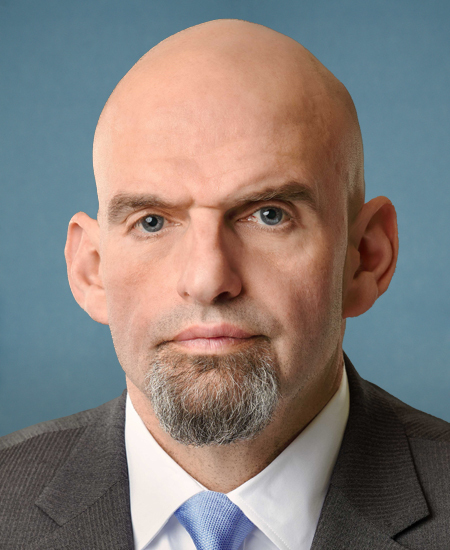
John Fetterman
100% support rate
Top opponent
Rand Paul
0% support rate
Ranked legislators
10
5 support · 5 oppose
Key legislators

Who's moving military families in United States

Legislators moving military families in United States
Legislator Party Stance Support rate Votes
John Fetterman
John Fetterman Senate
D
Strong +
100% 22
Jared F. Golden
Jared F. Golden House · District 2
D
Strong +
100% 3
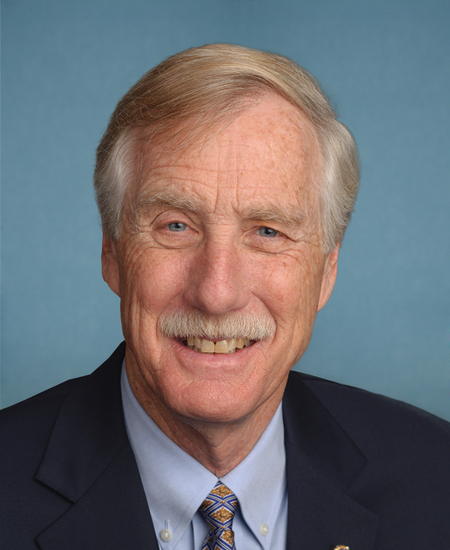
Angus S. King, Jr.
Angus S. King, Jr. Senate
I
Strong +
96% 24
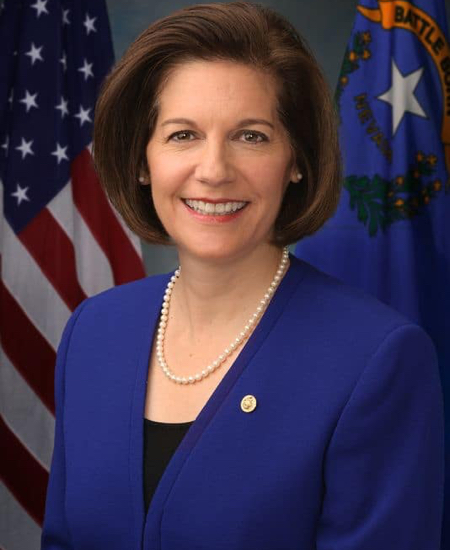
Catherine Cortez Masto
Catherine Cortez Masto Senate
D
Strong +
96% 24
Susan M. Collins
Susan M. Collins Senate
R
Strong +
92% 24
Rand Paul
Rand Paul Senate
R
Strong −
0% 24
Thomas Massie
Thomas Massie House · District 4
R
Strong −
0% 3
Amy Klobuchar
Amy Klobuchar Senate
D
Strong −
12% 24
Brian Schatz
Brian Schatz Senate
D
Strong −
12% 24
Charles E. Schumer
Charles E. Schumer Senate
D
Strong −
12% 24
Showing 81–90 of 108 bills

All veterans bills

in committee · United States · House Jun 24, 2025

HR 2055: Caring for Survivors Act of 2025

The Caring for Survivors Act of 2025 increases monthly dependency and indemnity compensation for surviving spouses of veterans. It changes the calculation method from a fixed $1,154 to 55% of a specific veteran compensation rate, effective six months after enactment. The bill also reduces the required continuous disability rating period for survivors from 10 years to 5 years, and provides a proportional payment for cases where the rating period is shorter than 10 years. Surviving spouses of veterans who died before January 1, 1993, receive the greater of their current benefit or the new calculation. This directly affects surviving spouses eligible for benefits under Title 38, U.S. Code, particularly those with veterans who died prior to 1993.
in committee · United States · Senate Feb 4, 2025

S 385: Fairness for Servicemembers and their Families Act of 2025

S 385, the Fairness for Servicemembers and their Families Act of 2025, requires the Secretary of Veterans Affairs to review the automatic maximum coverage amount for Servicemembers’ Group Life Insurance (SGLI) and Veterans’ Group Life Insurance (VGLI) every five years starting in 2026. The review compares the current coverage limit to a new amount calculated as $500,000 multiplied by the average change in the Consumer Price Index over the previous five years. This adjustment mechanism ensures coverage levels better reflect inflation, directly affecting active-duty servicemembers and veterans enrolled in these insurance programs. The bill mandates that the review results be submitted to congressional committees, potentially guiding future coverage increases within existing administrative structures.
in committee · United States · House Apr 9, 2025

HR 2576: Servicemembers and Veterans Empowerment and Support Act of 2025

This bill, the Servicemembers and Veterans Empowerment and Support Act of 2025, improves support for veterans and service members who experienced military sexual trauma (MST), which includes sexual assault, battery, or harassment during military service. It establishes specialized teams to review MST claims, allows veterans to choose where their VA medical exam for MST claims takes place, and expands eligibility for MST counseling to all former reserve members. The bill requires VA to provide sensitive communications to MST survivors, connect veterans to health care when they submit MST claims, and provide clear contact information for MST support resources. It also mandates annual reviews of MST claim processing accuracy and ensures individuals who withdraw from service academies can access care and records related to MST.
in committee · United States · House Jun 11, 2025

HR 3387: ETS Act

The ETS Act (HR 3387) enhances support for military members transitioning to civilian life through the Transition Assistance Program (TAP). It increases preseparation counseling from 365 to 540 days, requires at least 3 days of counseling for members with employment/education plans and 5 days for others, and mandates in-person counseling when possible. The bill creates standardized pathways across military branches, establishes a pilot program for military spouses with tailored counseling, and improves coordination between Defense, Veterans Affairs, and Labor to support service members at risk of difficult transitions. It also includes new reporting requirements to track TAP effectiveness and extends transitional health care availability from 180 to 270 days.
in committee · United States · Senate May 22, 2025

S 1856: A bill to amend the Internal Revenue Code of 1986 to exclude military bonuses from gross income.

This bill (S 1856) would amend the tax code to exclude certain military bonuses from being counted as taxable income. Specifically, it changes Internal Revenue Code Section 134 to remove bonuses paid to active-duty service members under Chapter 5 of Title 37, U.S. Code, from gross income calculations. The change would apply to tax returns filed for 2025 and later tax years. It directly affects service members receiving these specific bonuses by potentially reducing their federal tax burden.
Sub-Topics Military Families
in committee · United States · House Jan 13, 2026

HR 7042: Heroes Home Energy Savings Act

HR 7042, the Heroes Home Energy Savings Act, allocates specific funding to enhance weatherization services for military households under the existing Weatherization Assistance Program (WAP). It authorizes $350 million annually (2026-2030) for general WAP services and sets aside $2.1 million each year specifically for weatherization improvements to homes of active duty and reserve military members. The bill requires that no more than 6% of the general WAP funding can be used for program enhancements, while the dedicated $2.1 million must be spent solely on military households. This directly affects active duty and reserve military personnel and their households by providing targeted energy efficiency upgrades to their homes.
in committee · United States · House May 8, 2025

HR 3296: MIL FMLA Act

The MIL FMLA Act expands the Family and Medical Leave Act to provide military families with additional leave options. It allows eligible employees to take up to 26 workweeks of leave during a 12-month period to care for a covered servicemember (active duty member or veteran), regardless of the employee's family relationship to the servicemember. The bill adds new definitions to include domestic partners, grandparents, siblings, and other extended family members as eligible caregivers, and creates a new "veteran leave" provision for employees who are covered servicemembers needing leave due to service-related serious injury or illness. These changes aim to better support military families by providing more comprehensive leave options for caregiving needs related to military service.
in committee · United States · Senate Mar 18, 2026

S 410: Love Lives On Act of 2025

The Love Lives On Act of 2025 modifies veterans' and military survivors' benefit rules to prevent remarriage from automatically ending eligibility. It directly affects surviving spouses of veterans or military members who remarried, ensuring they retain access to key benefits. Key provisions include: (1) preventing termination of veterans' dependency compensation (under 38 U.S.C. §1311/1562) due to remarriage; (2) stopping termination of military Survivor Benefit Plan annuities solely for remarriage, with specific rules for those who remarried before age 55; and (3) expanding TRICARE coverage to include remarried widows/widowers whose subsequent marriage ended (via death, divorce, or annulment). These changes restore or maintain benefits that were previously lost upon remarriage.
in committee · United States · House Dec 9, 2025

HR 5995: Have You Served Act

HR 5995, the "Have You Served Act," provides grants to states and tribes with veteran suicide prevention plans to fund "Ask the Question Campaigns." These campaigns train human services professionals, local governments, and community providers to respectfully ask clients if they or a loved one served in the military, then connect them to VA resources. The bill authorizes $6 million annually (2026-2030) for up to 25 grants of $200,000 each to support this training and outreach. It directly affects veterans and their families by improving access to VA services through community-based referrals, without changing eligibility for benefits.
in committee · United States · House Jun 11, 2025

HR 2720: Gold Star Family Education Parity Act

HR 2720, the Gold Star Family Education Parity Act, terminates the Survivors' and Dependents' Educational Assistance program (Chapter 35 of the U.S. Code) for Gold Star families on August 1, 2029. It directly affects surviving spouses and children of service members who died in combat, ensuring they can transition to the Post-9/11 GI Bill (Chapter 33) without losing benefits. The bill automatically switches eligibility to Chapter 33, bypassing standard service-credit restrictions that would otherwise reduce their benefit duration. This creates a seamless transition to continued education support while maintaining the same benefit level. The policy change takes effect on the specified termination date, 2029.
Showing 81 to 90 of 108 bills
Previous 1 8 9 10 11 Next