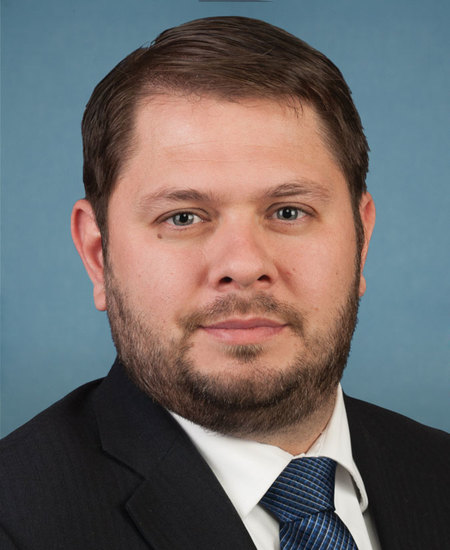
HR 874 modifies how the VA pays for community care provided to veterans under its Community Care Program. It requires the VA to set location-specific payment rates for care delivered at specific facilities (like inpatient hospitals, outpatient departments, or physician offices), regardless of where the provider is headquartered. The bill also mandates that providers include a geographically specific national provider ID code in payment claims and directs the VA to pay the lowest applicable rate if multiple rates apply. These changes take effect January 1, 2026.
HR 1411, the "No Veteran Should Go Hungry Act of 2025," requires the military's Transition Assistance Program (TAP) to provide veterans with information and counseling about federal food assistance programs. Specifically, it mandates that TAP include details on the Supplemental Nutrition Assistance Program (SNAP) and the Women, Infants, and Children (WIC) program, developed in consultation with the Secretary of Agriculture. This change directly affects transitioning veterans by connecting them to existing nutrition support resources during their military-to-civilian transition. The bill does not create new benefits but ensures veterans receive clear guidance on accessing current federal food assistance programs.
Veterans 2nd Amendment Protection Act of 2025 This bill prohibits the Department of Veterans Affairs (VA) from transmitting certain information to the National Instant Criminal Background Check System (NICS) utilized by licensed importers or dealers of firearms. Specifically, the bill prohibits the VA from transmitting personally identifying information of a veteran or a beneficiary to the NICS solely on the basis that such veteran or beneficiary has an appointed fiduciary to manage their benefits, unless there is an order or finding of a judicial authority that such veteran or beneficiary is a danger to themselves or others.
This bill (HR 5999) requires the Department of Veterans Affairs (VA) to provide opioid antagonists (like naloxone) to enrolled veterans without needing a prescription or charging a copayment. It directly affects veterans receiving VA healthcare who may need emergency reversal of opioid overdoses. The key provisions mandate the VA to furnish these life-saving medications directly and eliminate both the prescription requirement and cost barrier. This policy change aims to improve immediate access to overdose reversal for veterans without requiring additional medical steps or financial burden.
This bill requires the Veterans Health Administration (VHA) to ensure that veterans eligible for VA hospital care in each of the 48 contiguous states can receive treatment at a VA full-service hospital located within that state. If no VA hospital is available in a state, the VHA must contract with other healthcare providers to offer comparable services. The law also clarifies that veterans may still receive care at VA facilities in other states if needed, and mandates a report to Congress within one year on implementation progress and impacts on care quality. It directly affects veterans seeking VA hospital care across 48 states, with no changes to eligibility criteria.
HR 2623, the Innovative Therapies Centers of Excellence Act of 2025, directs the Department of Veterans Affairs to establish at least five specialized medical centers focused on treating veterans with specific conditions like PTSD, depression, chronic pain, and substance use disorders using innovative therapies. These centers must meet strict criteria, including academic partnerships with medical schools, research capabilities, veteran advisory committees, and data-sharing systems for evaluating treatment effectiveness. The bill authorizes $30 million annually for these centers' research and education activities and requires the VA to submit annual reports to Congress on their operations and findings. It directly affects veterans seeking advanced treatments for covered conditions through VA facilities and establishes a peer review process to select designated centers based on scientific merit.
HR 3013 amends U.S. Code to increase annual funding for programs supporting homeless veterans. It extends the funding authorization period through fiscal year 2024 and sets specific amounts: $350 million for 2025, with future years receiving "such sums as may be necessary." This directly affects homeless veterans by securing sustained federal funding for comprehensive service programs. The bill makes no changes to program requirements, only adjusting the authorized funding levels year by year.
HR 3834, the Protecting Veteran’s Claim Options Act, modifies rules for veterans filing supplemental claims with the Board of Veterans’ Appeals. It prevents the Board from denying relief solely because a veteran didn’t submit new evidence upfront for certain supplemental claims (Section 5104C(a)(1)(B)). For cases remanded by the Court of Appeals for Veterans Claims, the bill limits the evidence the Board can consider to what was previously reviewed, but requires the Board to accept new evidence submitted by the veteran or their representative within 90 days of the remand. This directly affects veterans appealing claims and their representatives by expanding opportunities to present evidence without automatic denial for missing initial evidence.
This bill adds glioblastoma multiforme (an aggressive brain cancer) to the list of conditions presumed connected to Agent Orange exposure for veterans. It directly affects veterans who developed this cancer after serving in Vietnam during the Vietnam era (1961-1971). The key mechanism amends VA law to automatically presume service connection for this cancer, eliminating the need for veterans to prove a direct link to exposure. This change would streamline access to disability benefits for affected veterans without altering existing benefit amounts.
Combat Veterans Pre-Enrollment Act of 2025 This bill requires the Department of Veterans Affairs (VA) to establish a program to carry out all activities necessary to permit certain members of the Armed Forces to elect to enroll in the VA health care system on the date of separation of such members from active service. Specifically, the program is for those who served on active duty in a theater of combat operations during a period of war after the Persian Gulf War or in combat against a hostile force during a period of hostilities after November 11, 1998. The VA must, in conjunction with the Department of Defense (DOD) and Department of Homeland Security, establish a mechanism to permit a member of the Armed Forces to elect to pre-enroll in the VA health care system during the 180-day period preceding the date of separation of the member from active service. The VA-DOD Joint Executive Committee must brief Congress on the efforts to implement such a mechanism under the program. The Government Accountability Office must report on the program and include recommendations with respect to methods to improve the program.