

Issue · Veterans
Veterans (Veteran Benefits)
Every veterans bill, vote, and legislator stance in United States, automatically classified by Maddy, our AI policy reader.
Total bills
439
119th Congress
Top supporter
Jefferson Van Drew
100% support rate
Top opponent
Jerrold Nadler
0% support rate
Ranked legislators
10
5 support · 5 oppose
Key legislators
Who's moving veteran benefits in United States
| Legislator | Party | Stance | Support rate | Decisive votes |
|---|---|---|---|---|
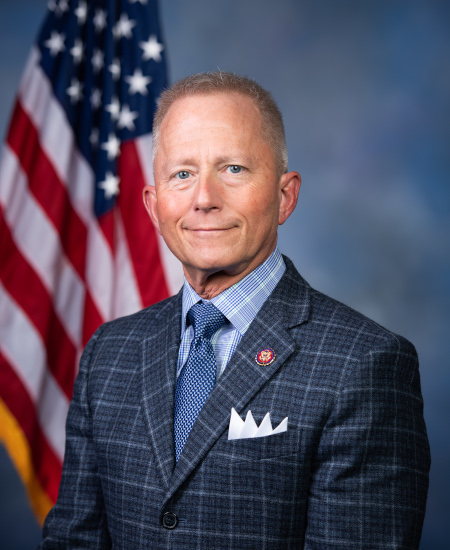
Jefferson Van Drew
House · District 2
|
R |
Strong +
|
100% | 4 |
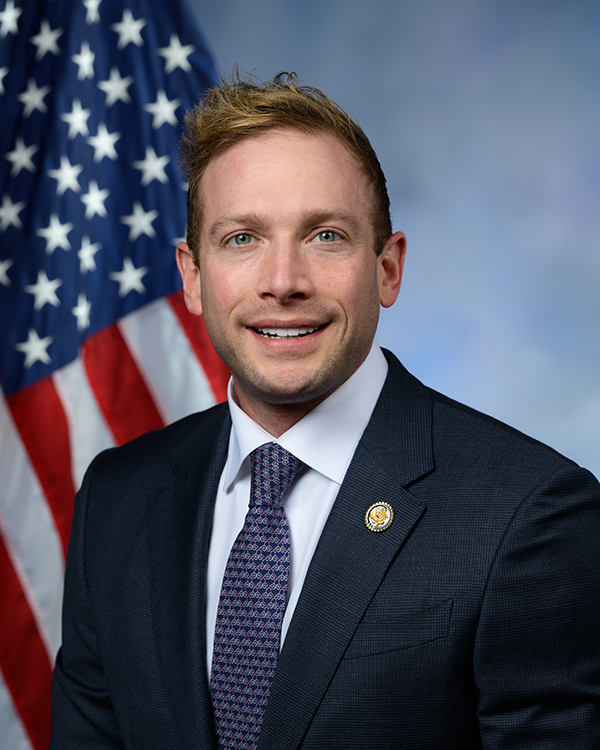
Max L. Miller
House · District 7
|
R |
Strong +
|
100% | 4 |

Elise M. Stefanik
House · District 21
|
R |
Strong +
|
100% | 3 |

Lauren Boebert
House · District 4
|
R |
Strong +
|
100% | 3 |

Wesley Hunt
House · District 38
|
R |
Strong +
|
100% | 3 |
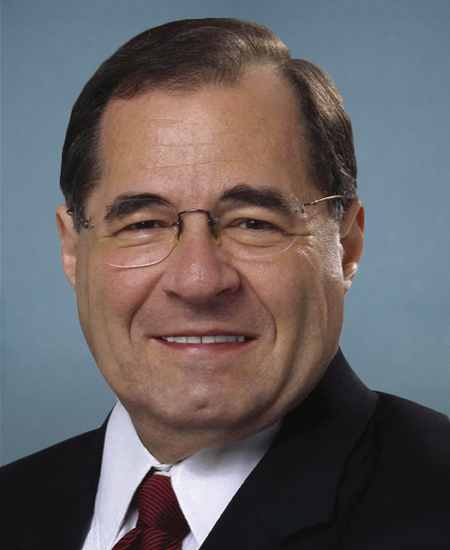
Jerrold Nadler
House · District 12
|
D |
Strong −
|
0% | 3 |

Mike Quigley
House · District 5
|
D |
Strong −
|
0% | 3 |
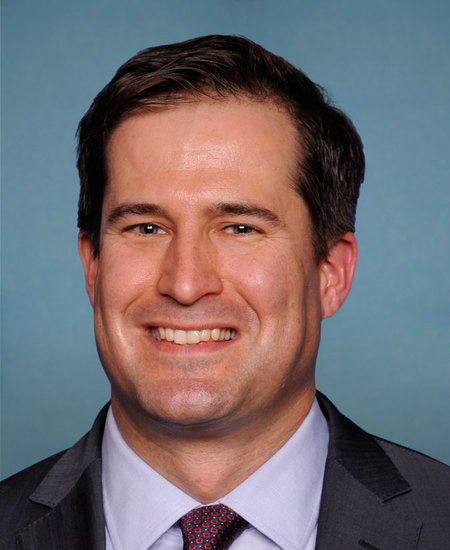
Seth Moulton
House · District 6
|
D |
Strong −
|
0% | 3 |

Adam Smith
House · District 9
|
D |
Oppose
|
25% | 4 |
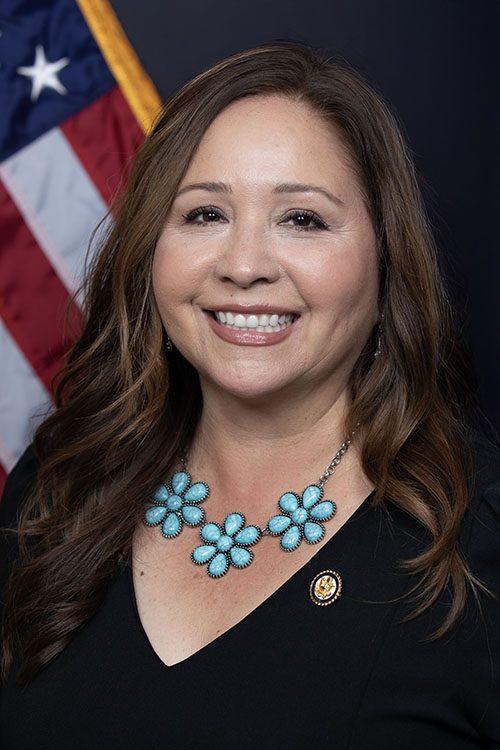
Adelita S. Grijalva
House · District 7
|
D |
Oppose
|
25% | 4 |
Showing 331–340 of 439
bills
All veterans bills
HR 585: Supporting Veteran Families in Need Act
Topics
✓ Budget & TaxesSupports Budget & TaxesEstablishes permanent funding authority for veteran family assistance, ensuring automatic annual appropriations without requiring new budget approvals, directly advancing fiscal support for essential program funding.
✓ HealthcareSupports HealthcareBill establishes permanent funding for financial assistance to low-income veteran families, which supports healthcare access and stability for vulnerable populations.
✓ HousingSupports HousingBill establishes permanent funding for financial assistance to very low-income veteran families in permanent housing, directly advancing affordable housing support for a vulnerable population.
✓ VeteransSupports VeteransEstablishes permanent funding for financial assistance to low-income veteran families, directly expanding benefits without annual appropriations.
HR 7241: Protect Veterans from the THIEF Act
Topics
✓ HealthcareSupports HealthcareBill protects veterans' sensitive health information from misuse by contractors, directly supporting patient privacy rights and healthcare data security.
✓ TechnologySupports TechnologyPrevents sale of veterans' health data, strengthening privacy protections per bill's data handling restrictions
✓ VeteransSupports VeteransProhibits VA contractors from selling veterans' health data, requiring contracts to ban misuse - directly protects veterans' privacy and security.
HR 3643: VA Data Transparency and Trust Act
Topics
✓ HealthcareSupports HealthcareBill requires detailed reporting on VA healthcare services, improving transparency and accountability for veterans' health care delivery.
✓ VeteransSupports VeteransRequires detailed annual reports on VA healthcare/services and benefits, enabling oversight and accountability to improve veteran service delivery per bill summary.
HR 668: Coordinating Care for Senior Veterans and Wounded Warriors Act
Topics
✓ HealthcareSupports HealthcareEstablishes VA-Medicare coordination pilot to improve veteran healthcare access, outcomes, and cost efficiency through personalized care plans and case managers.
✓ VeteransSupports VeteransEstablishes VA-Medicare coordination pilot with case managers to improve veterans' healthcare access, outcomes, and cost efficiency for enrolled veterans.
Sub-Topics
Long-Term Care
Medicare
Veteran Benefits
Veteran Healthcare
Veteran Mental Health
Tags
Seniors
HR 1527: Reforming Education for Veterans Act
Topics
✓ EducationSupports EducationProvides flexibility for veterans to maintain VA-funded education during military service, enhancing access and reducing barriers to completion.
✓ VeteransSupports VeteransAmends VA education law to give veterans flexibility during military service interruptions, reducing barriers to education benefits and improving access to existing programs.
HR 1107: Protecting Veteran Access to Telemedicine Services Act of 2025
Topics
✓ HealthcareSupports HealthcareBill enables VA telemedicine prescriptions without in-person exams, improving veteran access to medications and services per bill summary.
✓ VeteransSupports VeteransBill removes in-person exam requirement for VA telemedicine prescriptions, improving healthcare access for veterans without restricting benefits.
HR 7174: Full Cost of War Act
Topics
✓ HealthcareSupports HealthcareBill mandates funding for veterans' medical care as part of military authorization, directly advancing healthcare funding for veterans' benefits per summary.
✓ VeteransSupports VeteransBill mandates funding for veterans' benefits (medical, disability) at time of military authorization, directly advancing veteran support through guaranteed financial commitment.
S 3311: Veterans Affairs Peer Review Neutrality Act of 2025
S 3703: Rural Veterans’ Improved Access to Benefits Act of 2026
Topics
✓ HealthcareSupports HealthcareExpands VA disability exam access for rural veterans by allowing broader healthcare professional eligibility, improving patient access to services.
✓ VeteransSupports VeteransExpands rural veterans' access to disability exams by broadening provider eligibility and extending temporary contracts until 2031, directly improving healthcare access.