

Issue · Veterans
Veterans (Veteran Benefits)
Every veterans bill, vote, and legislator stance in United States, automatically classified by Maddy, our AI policy reader.
Total bills
428
119th Congress
Top supporter
Jefferson Van Drew
100% support rate
Top opponent
Jerrold Nadler
0% support rate
Ranked legislators
10
5 support · 5 oppose
Key legislators
Who's moving veteran benefits in United States
| Legislator | Party | Stance | Support rate | Decisive votes |
|---|---|---|---|---|
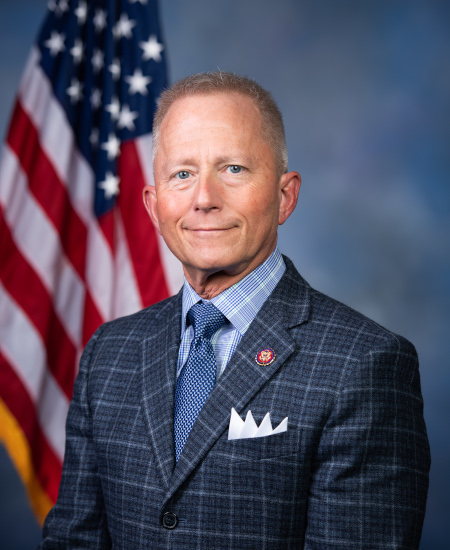
Jefferson Van Drew
House · District 2
|
R |
Strong +
|
100% | 4 |
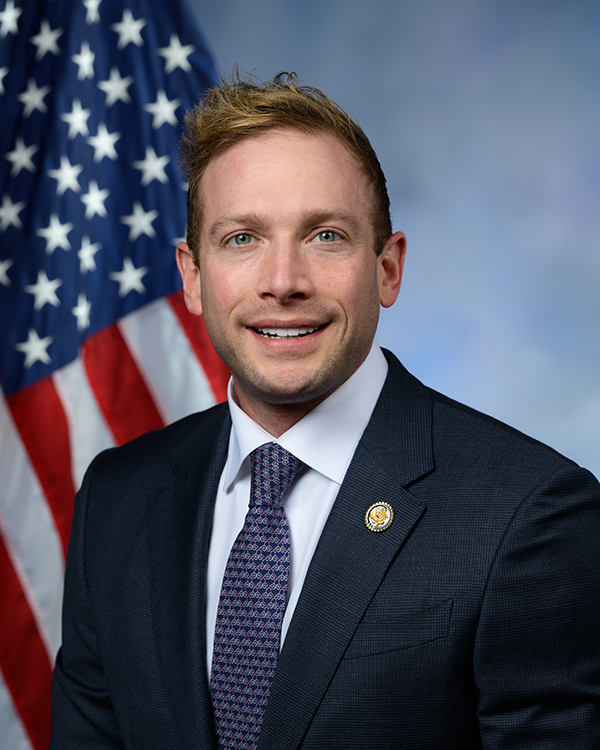
Max L. Miller
House · District 7
|
R |
Strong +
|
100% | 4 |
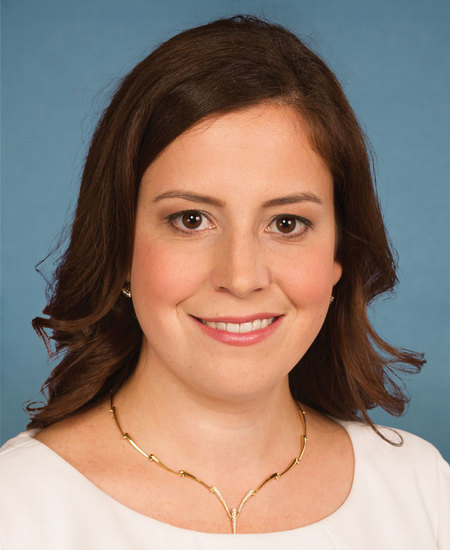
Elise M. Stefanik
House · District 21
|
R |
Strong +
|
100% | 3 |
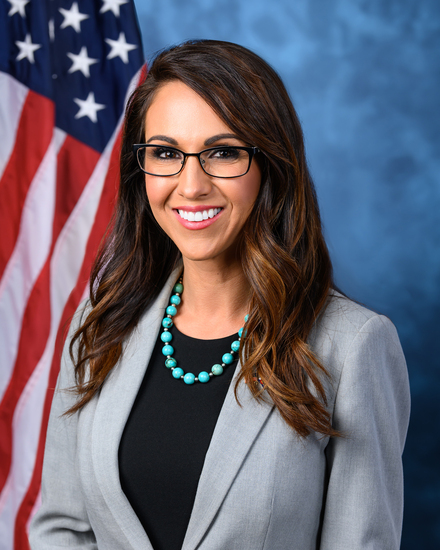
Lauren Boebert
House · District 4
|
R |
Strong +
|
100% | 3 |
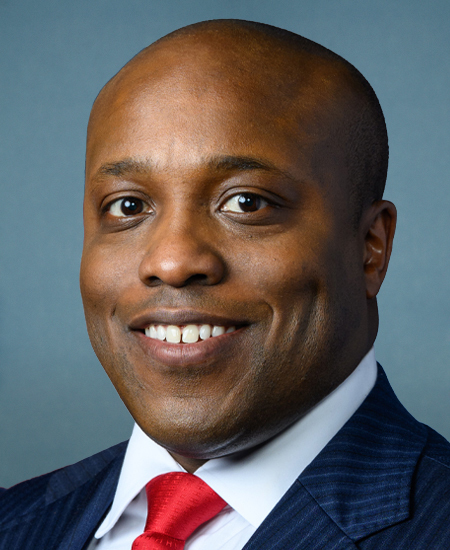
Wesley Hunt
House · District 38
|
R |
Strong +
|
100% | 3 |
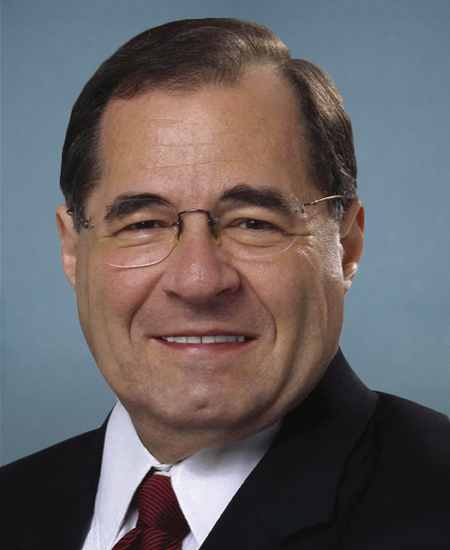
Jerrold Nadler
House · District 12
|
D |
Strong −
|
0% | 3 |

Mike Quigley
House · District 5
|
D |
Strong −
|
0% | 3 |
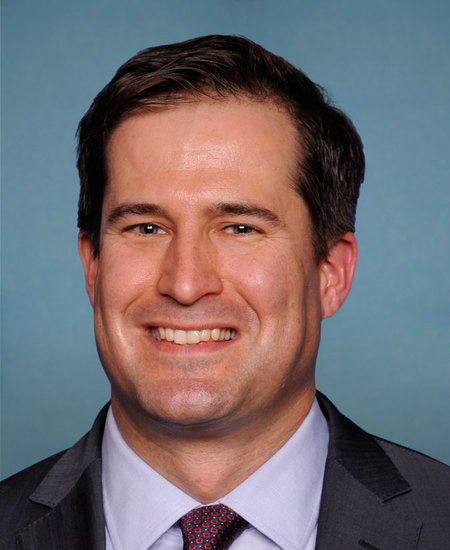
Seth Moulton
House · District 6
|
D |
Strong −
|
0% | 3 |
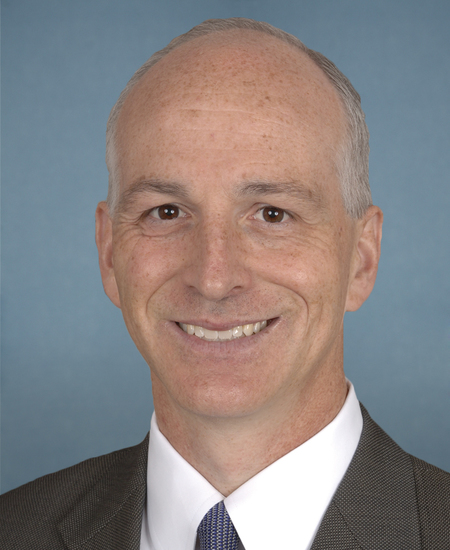
Adam Smith
House · District 9
|
D |
Oppose
|
25% | 4 |
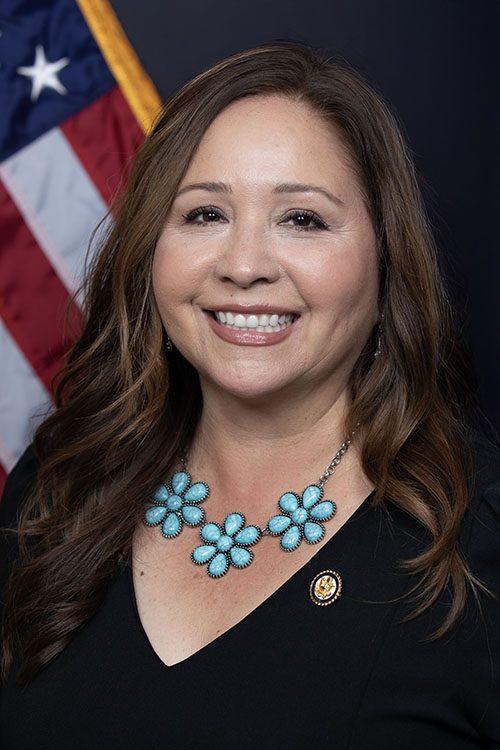
Adelita S. Grijalva
House · District 7
|
D |
Oppose
|
25% | 4 |
Showing 281–290 of 428
bills
All veterans bills
S 2981: Veterans Prosthetics Advancement and Reform Act
Topics
✓ HealthcareSupports HealthcareStandardizes VA prosthetic coverage, ensures nationwide access, and clarifies appeals - improving veteran healthcare access and patient rights
✓ VeteransSupports VeteransMandates VA to standardize prosthetic coverage, ensure nationwide availability, and improve veteran access to services - directly advancing healthcare benefits for veterans.
S 3098: Presumptive CLARITY Act of 2025
Topics
✓ HealthcareSupports HealthcareBill expands access to disability benefits for veterans by establishing presumptive service connection for toxic exposure conditions, improving healthcare access and protection for veteran health services.
✓ VeteransSupports VeteransMandates VA transparency on toxic exposure presumptive conditions, enabling veterans to track benefits eligibility and submit input, directly advancing access to disability benefits.
S 1537: Veterans’ Transition to Trucking Act of 2025
Topics
✓ EducationSupports EducationBill expands educational access for veterans by streamlining VA education benefits for trucking apprenticeship programs, removing state approval barriers.
✓ Labor & EmploymentSupports Labor & EmploymentBill removes state approval barriers for veterans' trucking apprenticeships, directly facilitating employment access and job training pathways for veterans under VA benefits.
✓ VeteransSupports VeteransBill expands VA education benefits to streamline trucking apprenticeships, directly supporting veteran employment and career transition through simplified program approval.
HR 6835: Veterans STAND Act
Topics
✓ HealthcareSupports HealthcareMandates VA preventative health assessments, chronic pain management, and access to assistive medical devices for spinal cord injury veterans, improving patient access and care continuity.
✓ VeteransSupports VeteransMandates annual preventative health assessments for spinal cord injury veterans, covering chronic pain, prosthetics, and assistive tech, improving VA healthcare services
HR 2605: SAVES Act
Topics
✓ HealthcareSupports HealthcareBill provides funding for service dogs to veterans with disabilities, directly improving healthcare access and support for mental and physical health conditions.
✓ VeteransSupports VeteransFunds service dogs for veterans with disabilities via VA grants, expanding healthcare benefits and support services for covered conditions like PTSD and mobility impairments.
HR 647: Ensuring Veterans’ Final Resting Place Act of 2025
S 3515: A bill to direct the Secretary of Defense and the Secretary of Veterans Affairs to jointly select a joint uniform credentialing and privileging system for medical providers, and for other purposes.
Topics
✓ HealthcareSupports HealthcareStreamlines medical provider credentialing across DoD and VA, improving system efficiency and access to care for military/veteran health services.
✓ VeteransSupports VeteransS 3515 establishes a unified medical credentialing system for VA and military providers, improving healthcare access and efficiency for veterans by replacing fragmented systems.
HR 961: Veterans Access to Direct Primary Care Act
Topics
✓ HealthcareSupports HealthcareBill expands healthcare access for veterans by allowing use of health savings accounts for non-VA primary care services, improving patient choice and access to care.
✓ VeteransSupports VeteransBill establishes VA-managed savings accounts for veterans to access non-VA primary care, expanding healthcare options beyond VA facilities.
HR 6001: Veterans with ALS Reporting Act
Topics
✓ HealthcareSupports HealthcareBill requires VA to report on ALS care, identify gaps, and propose strategies for risk reduction and clinical trial access, strengthening healthcare oversight and support for veterans.
✓ VeteransSupports VeteransMandates VA to assess ALS care gaps, propose improvements, and track prevalence to enhance veteran healthcare services.