

Issue · Veterans
Veterans (Veteran Benefits)
Every veterans bill, vote, and legislator stance in United States, automatically classified by Maddy, our AI policy reader.
Total bills
428
119th Congress
Top supporter
Jefferson Van Drew
100% support rate
Top opponent
Jerrold Nadler
0% support rate
Ranked legislators
10
5 support · 5 oppose
Key legislators
Who's moving veteran benefits in United States
| Legislator | Party | Stance | Support rate | Decisive votes |
|---|---|---|---|---|
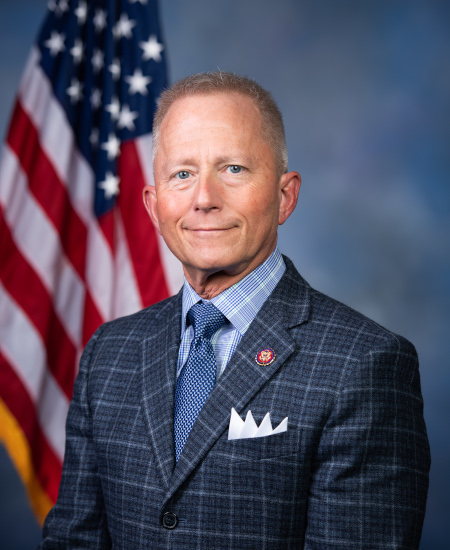
Jefferson Van Drew
House · District 2
|
R |
Strong +
|
100% | 4 |
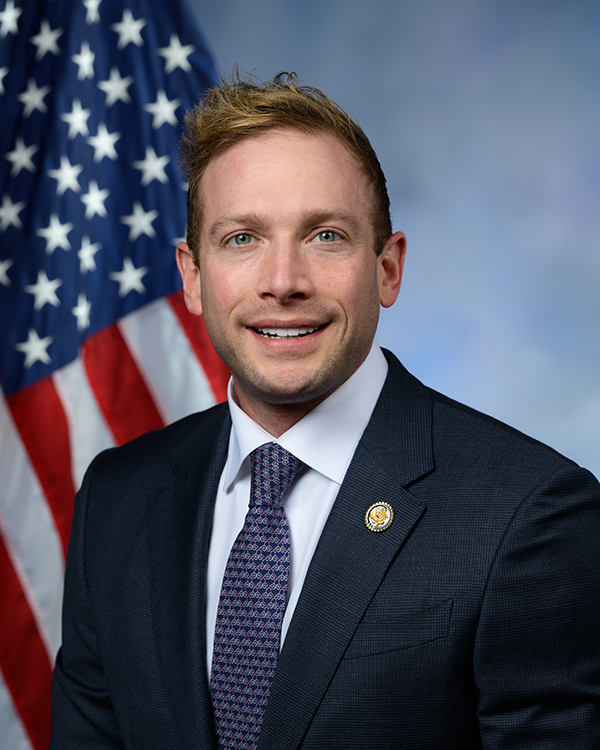
Max L. Miller
House · District 7
|
R |
Strong +
|
100% | 4 |
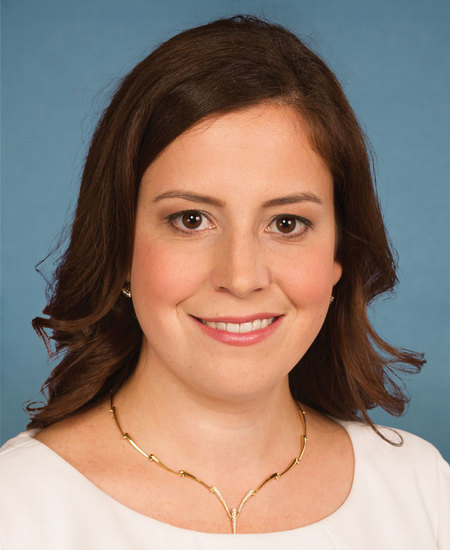
Elise M. Stefanik
House · District 21
|
R |
Strong +
|
100% | 3 |
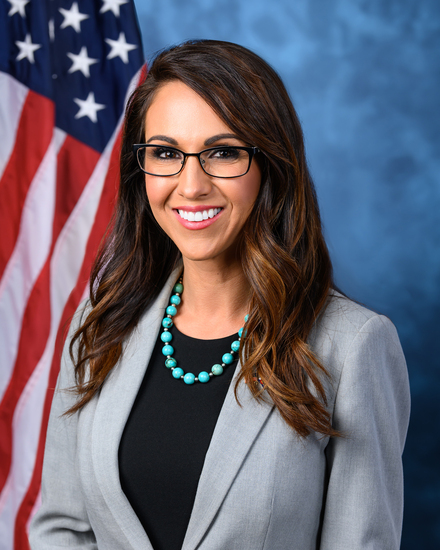
Lauren Boebert
House · District 4
|
R |
Strong +
|
100% | 3 |
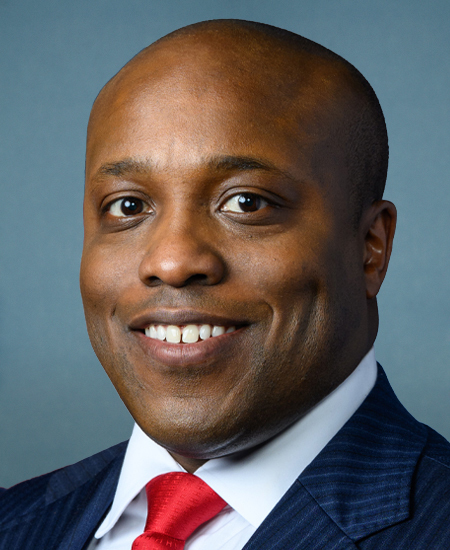
Wesley Hunt
House · District 38
|
R |
Strong +
|
100% | 3 |
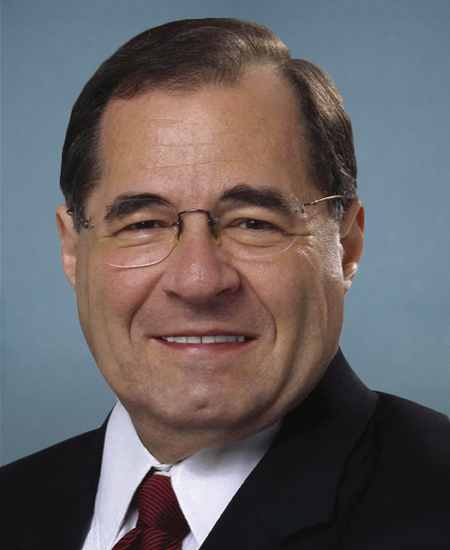
Jerrold Nadler
House · District 12
|
D |
Strong −
|
0% | 3 |

Mike Quigley
House · District 5
|
D |
Strong −
|
0% | 3 |
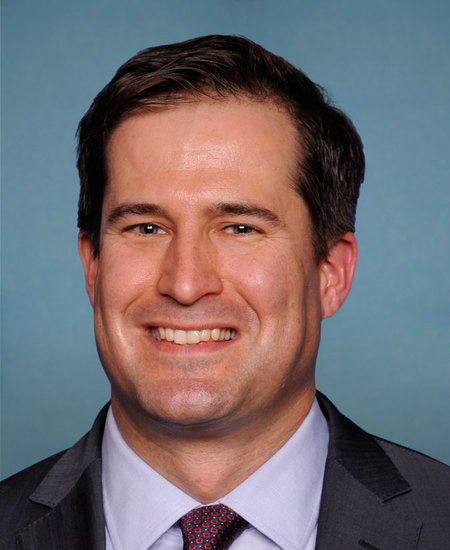
Seth Moulton
House · District 6
|
D |
Strong −
|
0% | 3 |
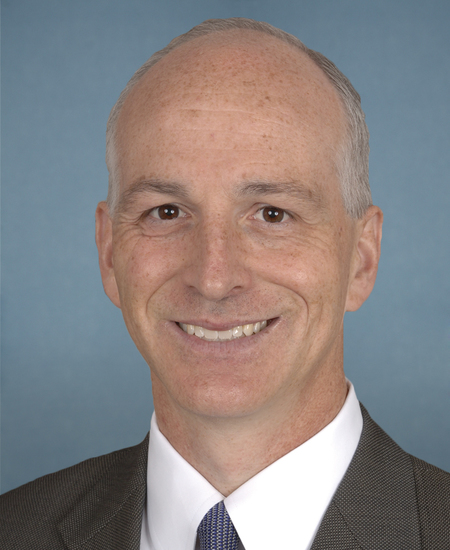
Adam Smith
House · District 9
|
D |
Oppose
|
25% | 4 |
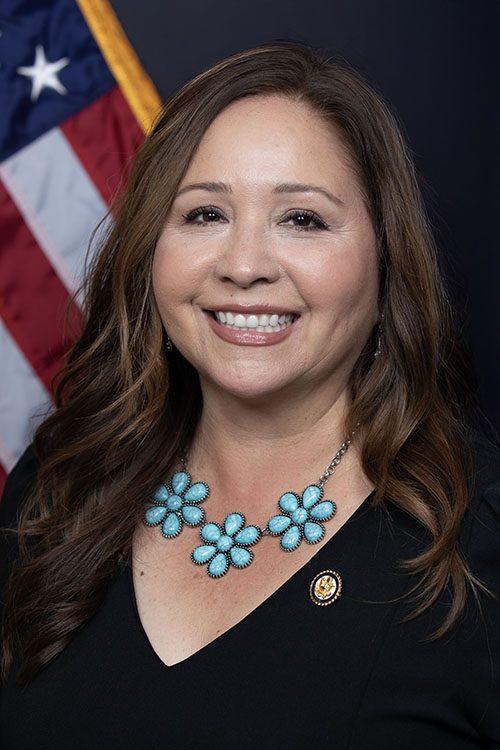
Adelita S. Grijalva
House · District 7
|
D |
Oppose
|
25% | 4 |
Showing 271–280 of 428
bills
All veterans bills
S 2134: Veterans Full-Service Care and Access Act of 2025
Topics
✓ HealthcareSupports HealthcareRequires VA hospitals to provide state-based access, mandates contracting for comparable care, and ensures veterans' access - directly improving healthcare access for veterans.
✓ VeteransSupports VeteransBill mandates VA hospitals provide care within states or contract for comparable services, ensuring access to veterans' healthcare without restriction or defunding.
HR 2623: Innovative Therapies Centers of Excellence Act of 2025
Topics
✓ HealthcareSupports HealthcareBill creates VA centers for veterans with mental health/substance use disorders using innovative therapies, expanding specialized care and research to advance mental health services.
✓ VeteransSupports VeteransBill directs VA to establish specialized centers for veterans' PTSD, depression, chronic pain, and substance use treatment, expanding healthcare access and services.
HR 3013: To amend title 38, United States Code, to increase the authorization of appropriations for comprehensive service programs for homeless veterans.
Topics
✓ Budget & TaxesSupports Budget & TaxesBill explicitly increases annual appropriations for veteran programs ($350M for 2025), directly advancing public service funding under budget management.
✓ HealthcareSupports HealthcareBill increases funding for homeless veterans' comprehensive service programs, which includes healthcare and support services, directly strengthening access to care.
✓ HousingSupports HousingBill increases federal funding for homeless veteran housing programs, directly addressing housing insecurity through sustained financial support for comprehensive services.
✓ VeteransSupports VeteransIncreases annual funding for homeless veteran programs to $350M in 2025, securing sustained federal support without reducing services.
HR 507: Veterans Member Business Loan Act
HR 3834: Protecting Veteran’s Claim Options Act
HR 3752: Specialist Fourth Class Keith Smith Glioblastoma Parity Act of 2025
Topics
✓ HealthcareSupports HealthcareBill expands disability benefits access for veterans with glioblastoma by presuming service connection, improving healthcare access and support for affected patients.
✓ VeteransSupports VeteransAdds glioblastoma to Agent Orange presumption list, eliminating proof burden for VA benefits and streamlining access to disability compensation for affected veterans.
HR 7103: Improving Emerging Tech Opportunities for Veterans Act
Topics
✓ Labor & EmploymentSupports Labor & EmploymentBill expands employment opportunities for veterans by creating training programs and expedited course approval in high-growth tech sectors, strengthening workforce development.
✓ TechnologySupports TechnologyBill mandates VA partnerships with tech sectors (AI, semiconductors) to expand veterans' access to emerging tech training and opportunities, directly advancing tech industry engagement.
✓ VeteransSupports VeteransMandates VA partnerships for tech training, includes opportunities in transition programs, and expedites course approvals to advance veterans' employment in emerging industries.
Sub-Topics
Workforce Development
Artificial Intelligence
Emerging Technology
Veteran Benefits
Veteran Education
Veteran Employment
S 3647: Disabled Veterans Dignity Act of 2026
Topics
✓ Budget & TaxesSupports Budget & TaxesEstablishes new VA program with monthly stipends, increasing state budget allocation for veteran care services
✓ HealthcareSupports HealthcareExpands healthcare access for veterans by enabling home-based bowel/bladder care via stipends to caregivers, avoiding institutional reliance.
✓ VeteransSupports VeteransCreates VA program for home-based bowel/bladder care with caregiver stipends, expanding non-institutional care access for disabled veterans with spinal cord injuries.