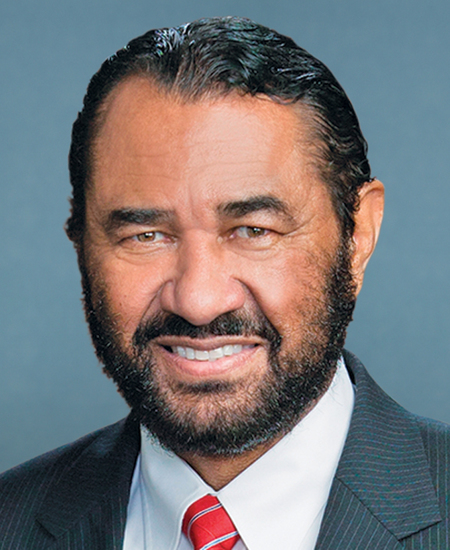
HR 2083, the Veterans First Act of 2025, redirects $2 billion from unobligated USAID funds to the Department of Veterans Affairs. This funding provides grants to states for constructing, remodeling, or modifying state-run nursing homes and domiciliary facilities that care for veterans. The bill directly affects veterans receiving care in these state facilities and the states operating them. Key provisions include permanently rescinding $2 billion from USAID and appropriating it specifically for physical infrastructure improvements at veteran care facilities under federal authorization.
This bill amends a provision in the U.S. Code (38 U.S.C. § 2306(h)) to clarify that the Department of Veterans Affairs must provide burial benefits when an urn or plaque is furnished instead of a traditional headstone or marker. It directly affects veterans' families who receive VA burial benefits, ensuring those benefits apply correctly when a plaque or urn is used for final resting places. The key change adjusts the language from "in lieu of furnishing a headstone or marker" to "in the case of" and renumbers related sections for clarity. The amendment applies to veterans who die on or after January 5, 2021.
This non-binding Senate resolution (SRES 566) recognizes the critical role of Department of Veterans Affairs (VA) employees in providing essential health care to veterans. It highlights the VA's service to over 7 million patients, high veteran trust in VA care, and its performance in quality metrics compared to non-VA facilities. The resolution urges the VA to support its employees and reaffirms congressional commitment to ensuring veterans have access to high-quality, veteran-centered care through VA facilities or community providers. It does not create new policies or funding but serves as a symbolic acknowledgment of VA staff contributions.
This Senate resolution (SRES 28) honors women who have served in combat roles in the U.S. Armed Forces. It recognizes their contributions, bravery, and sacrifices, specifically highlighting their service since 9/11 - including over 3,000 women earning combat badges - and acknowledges the Department of Defense opening all military roles to women in 2015. The resolution has no binding policy effect; it is a symbolic gesture to celebrate their service and inspire future generations.
This resolution designates the week of September 21-27, 2025, as "Gold Star Families Remembrance Week" in the U.S. Senate. It directly honors families who lost loved ones while serving in the U.S. Armed Forces (known as "gold star" families) and families of veterans. The resolution encourages Americans to observe the week by performing community service and celebrating these families' sacrifices, without creating new laws or funding. As a symbolic gesture, it does not impose any legal requirements or change existing policies.
This Senate resolution (SRES 166) demands the immediate reinstatement of veteran federal employees who were dismissed without cause since January 20, 2025. It directly affects veterans employed across the federal government, including those in critical roles like Veterans Crisis Line workers, following mass dismissals announced by the Department of Veterans Affairs. The resolution requires affected employees to be reinstated with full back pay and clear communication about their positions and next steps. As a non-binding Senate resolution, it expresses the chamber’s position but does not create new law.
This bill designates a National Day of Remembrance for 13 U.S. service members who died in the Abbey Gate bombing at Kabul's airport on August 26, 2021. It also expresses the nation's deepest condolences to their families and commemorates their service during the Afghanistan withdrawal. As a commemorative resolution, it has no policy or funding impact but formally honors these individuals' sacrifice through a designated day of remembrance.
This Senate resolution (SRES 571) commemorates the December 6, 2019, terrorist attack at Naval Air Station Pensacola, which killed three service members (Ensign Joshua Watson, Petty Officer Mohammed Haitham, and Petty Officer Cameron Walters) and injured others. It honors those who lost their lives or were injured in the attack, recognizes the heroic actions of military personnel, law enforcement, and civilians who responded, and notes existing awards they received (including Purple Hearts and Navy medals). The resolution does not create new policies or funding but formally expresses the Senate’s remembrance and gratitude through symbolic recognition.
HJRES 116 is a ceremonial resolution honoring 13 U.S. service members who died in the August 26, 2021, Abbey Gate bombing at Kabul's airport. It designates a National Day of Remembrance for those who perished during the Afghanistan withdrawal, expresses condolences to their families, and commemorates their service. The resolution does not create new policies or funding but formally recognizes their sacrifice and the role they played in saving lives during the evacuation. It directly affects the Gold Star families of the named service members and the broader public through this national acknowledgment.
HRES 497 is a non-binding House resolution expressing support for designating June as "Veterans Appreciation Month." It does not create new programs or laws but formally acknowledges veterans' service and sacrifices through a symbolic gesture. The resolution cites veterans' global contributions, their personal sacrifices, and June's timing relative to Memorial Day and D-Day as reasons for the designation. It directly affects no individuals or entities, as it serves only as a statement of congressional support.