Issue · Transportation

Transportation (Airports)

Every transportation bill, vote, and legislator stance in United States, automatically classified by Maddy, our AI policy reader.

Total bills
126
119th Congress
Top supporter
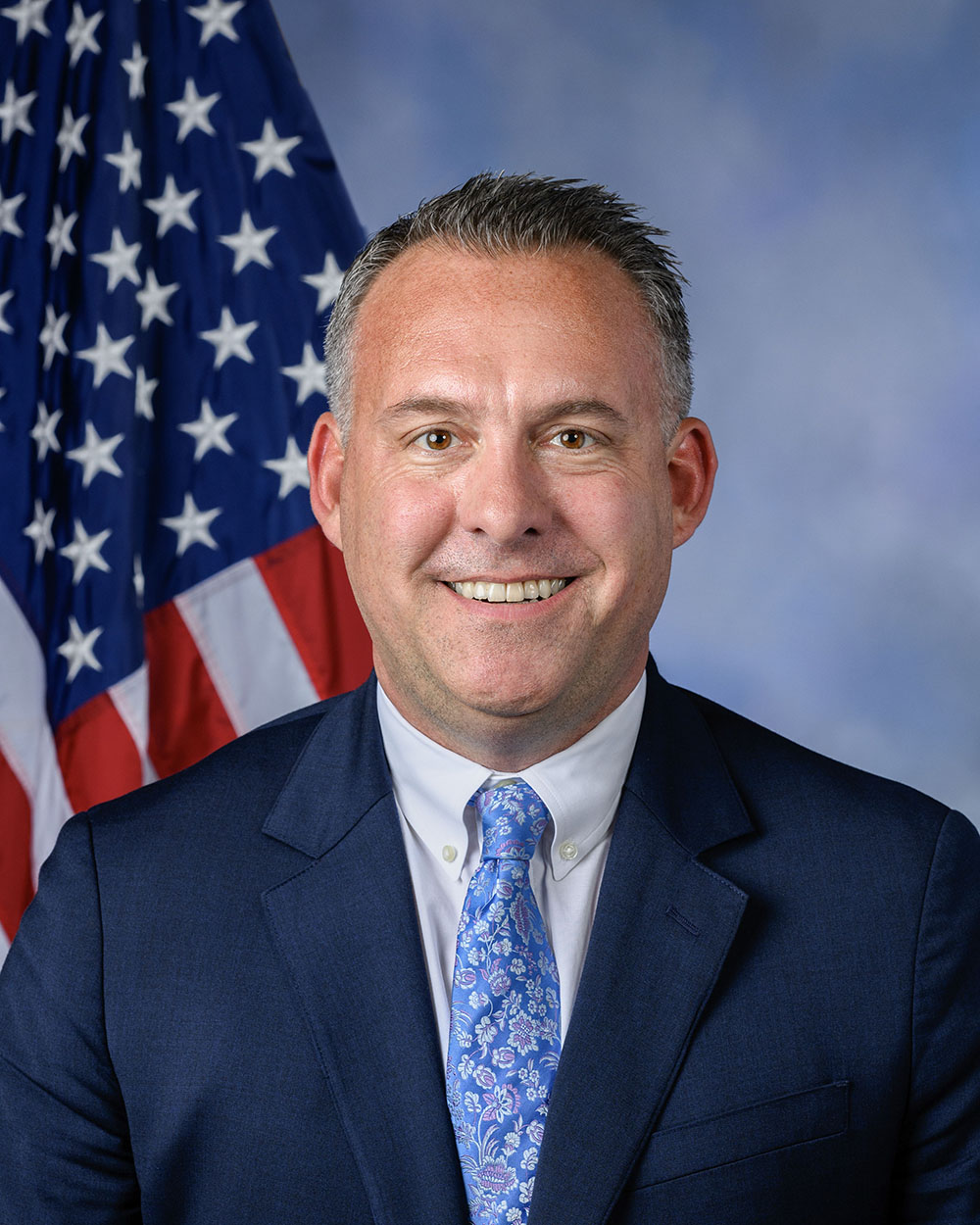
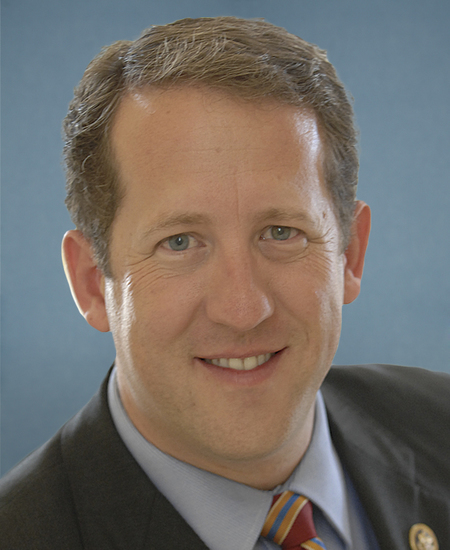
Adam Gray
100% support rate
Top opponent
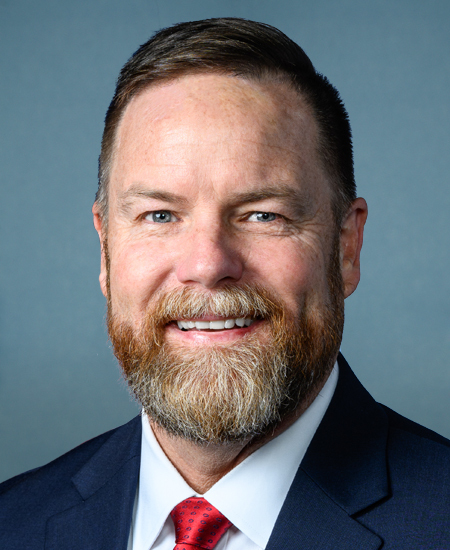
Aaron Bean
0% support rate
Ranked legislators
10
5 support · 5 oppose
Key legislators

Who's moving airports in United States

Legislators moving airports in United States
Legislator Party Stance Support rate Decisive votes
Adam Gray
Adam Gray House · District 13
D
Strong +
100% 3
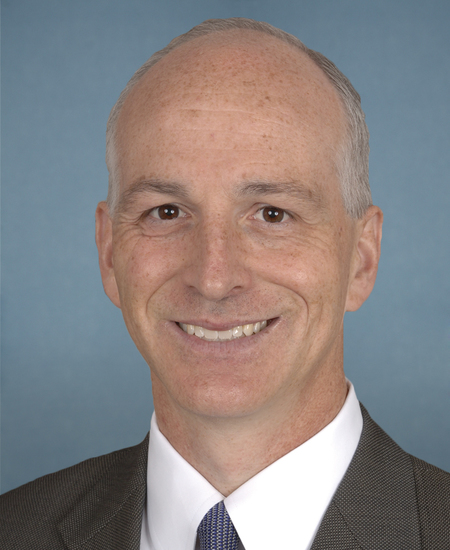
Adam Smith
Adam Smith House · District 9
D
Strong +
100% 3
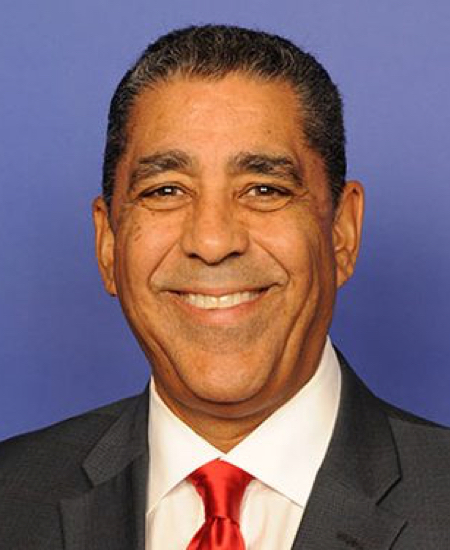
Adriano Espaillat
Adriano Espaillat House · District 13
D
Strong +
100% 3
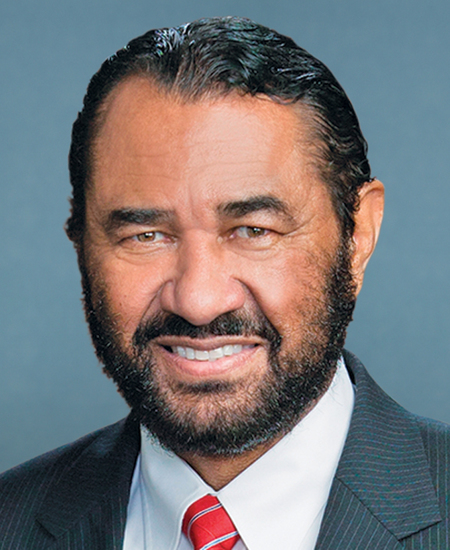
Al Green
Al Green House · District 9
D
Strong +
100% 3
Alexandria Ocasio-Cortez
Alexandria Ocasio-Cortez House · District 14
D
Strong +
100% 3
Aaron Bean
Aaron Bean House · District 4
R
Strong −
0% 3
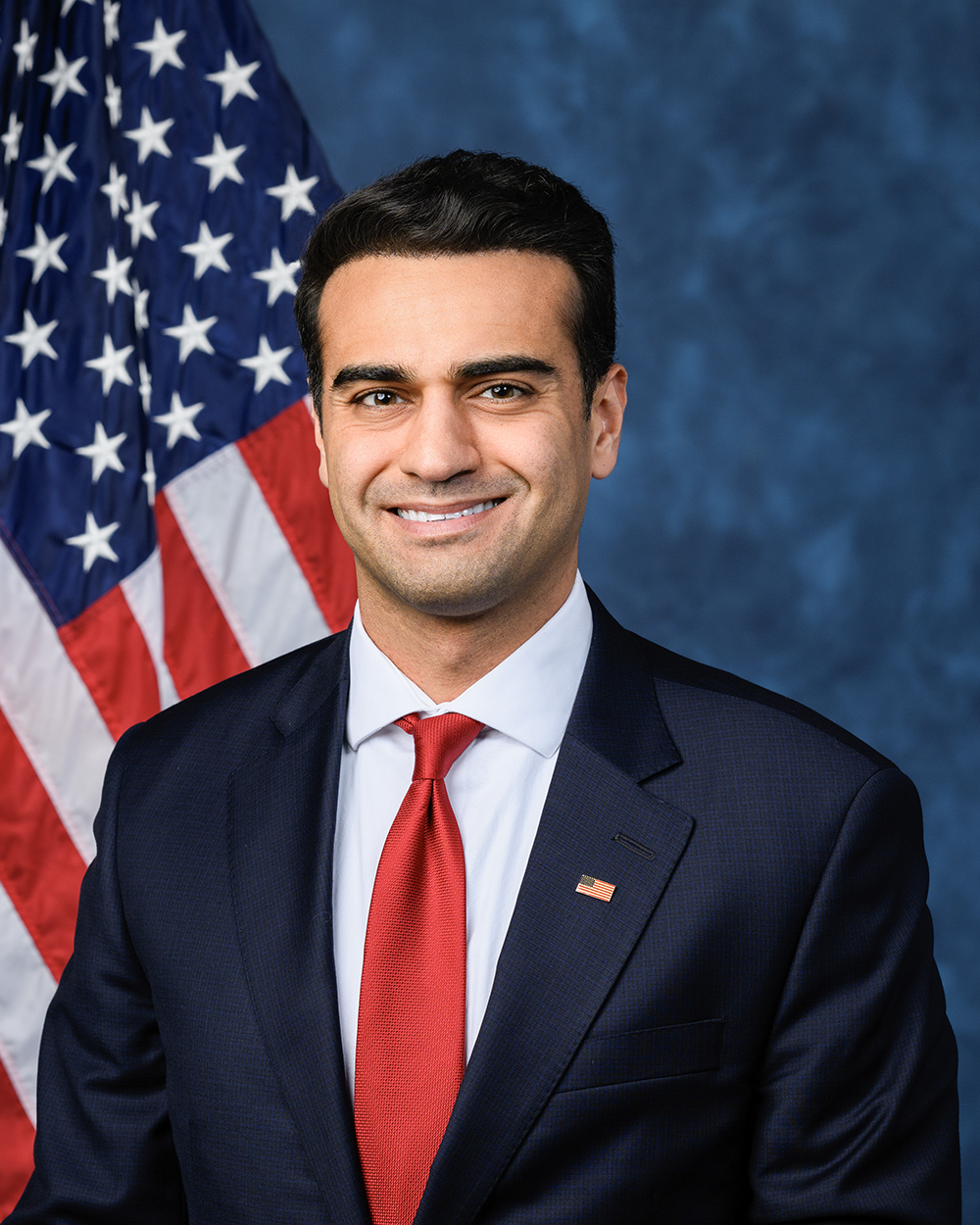
Abraham J. Hamadeh
Abraham J. Hamadeh House · District 8
R
Strong −
0% 3
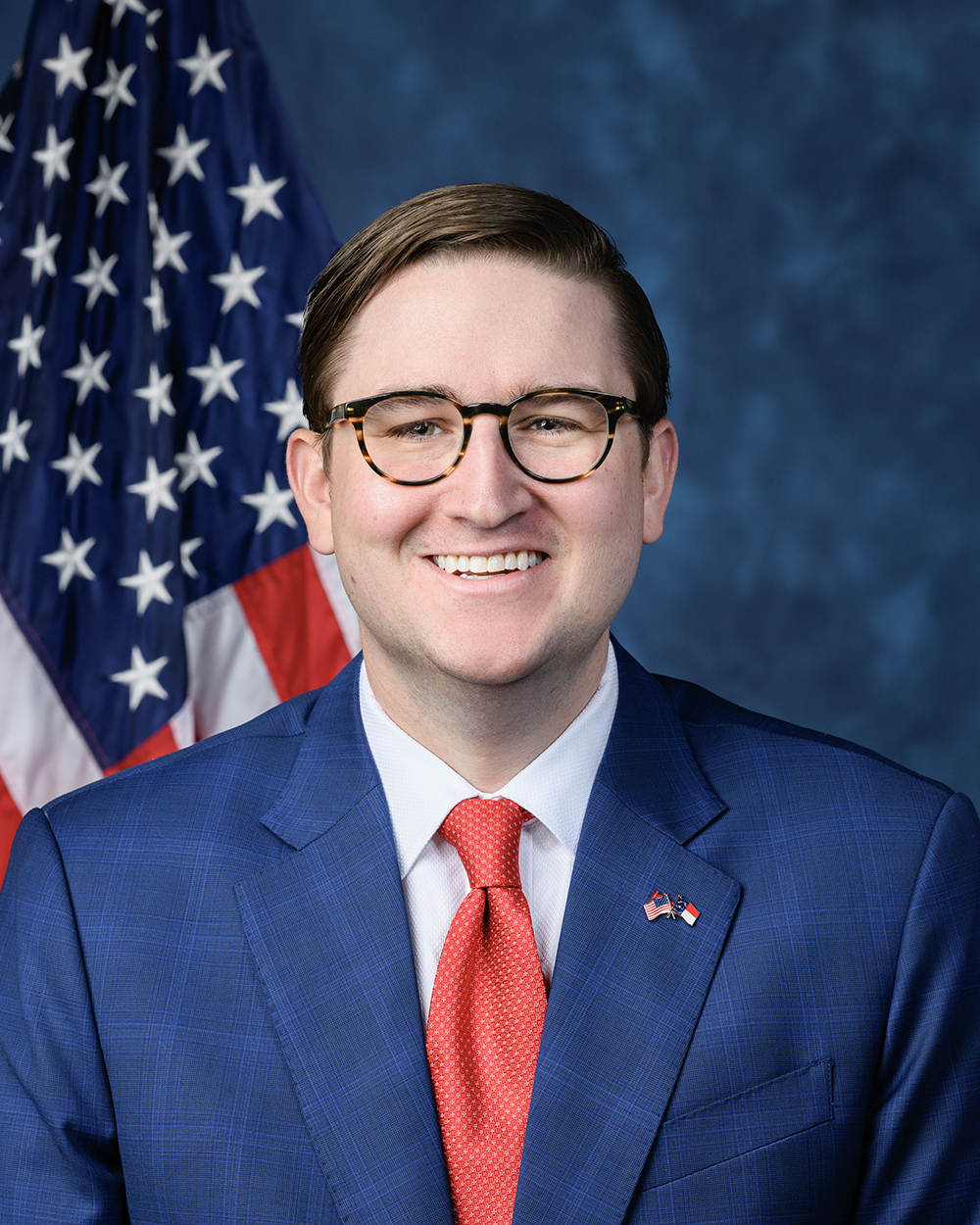
Addison P. McDowell
Addison P. McDowell House · District 6
R
Strong −
0% 3
Adrian Smith
Adrian Smith House · District 3
R
Strong −
0% 3
Andrew Ogles
Andrew Ogles House · District 5
R
Strong −
0% 3
Showing 81–90 of 126 bills

All transportation bills

in committee · United States · House Sep 9, 2025

HR 5205: Aircraft Noise Reduction Act

HR 5205, the Aircraft Noise Reduction Act, gives general aviation airports (smaller, noncommercial airports) new authority to adjust flight paths and training patterns to reduce noise for nearby communities. Airport operators can request these changes from the FAA, which must consult with them and consider community input, without risking loss of federal funding. The bill requires the FAA to update its regulations to support these noise-reduction measures at such airports. It does not create new noise standards but provides a mechanism for airports to implement existing noise limitations through operational adjustments. This directly affects residents near general aviation airports and the airports themselves.
Sub-Topics Airports
in committee · United States · House Jan 9, 2025

HR 311: Restoring Fuel Market Freedom Act of 2025

HR 311, the Restoring Fuel Market Freedom Act of 2025, repeals multiple existing federal tax credits for fuel producers and importers. It specifically eliminates tax credits for alcohol fuels (Section 40), biodiesel (Section 40A), sustainable aviation fuel (Section 40B), clean fuel production (Section 45Z), and alternative fuel mixtures (Section 6426). These repeals apply to fuels produced, sold, or used after the bill's enactment date, removing current tax incentives for these fuel types. The bill directly affects businesses producing or importing these fuels, as they will no longer qualify for the repealed credits.
in committee · United States · House Sep 19, 2025

HR 5455: Aviation Funding Stability Act of 2025

HR 5455, the Aviation Funding Stability Act of 2025, ensures continued operation of the Federal Aviation Administration (FAA) during government funding gaps. If Congress fails to pass regular appropriations or a continuing resolution before the new fiscal year begins, the bill allows the FAA to use existing funds from the Airport and Airway Trust Fund to maintain essential programs and airport infrastructure at the previous year’s funding level. This prevents shutdowns for FAA operations like air traffic control, airport grants, and safety programs for up to 30 days or until regular funding is enacted. The bill directly affects all FAA programs funded through the trust fund, including airport improvements and aviation safety initiatives, without creating new policies or altering funding levels.
in committee · United States · House Dec 11, 2025

HR 6632: El Paso Air Traffic Control Tower Modernization Act

The El Paso Air Traffic Control Tower Modernization Act (HR 6632) authorizes federal funding to replace the aging air traffic control tower at El Paso International Airport in Texas. This bill directly affects the airport's operations by providing necessary funds for infrastructure modernization, ensuring continued safe air traffic management. The key provision is a specific appropriation from Treasury funds to cover the tower replacement costs, with no new regulations or broader policy changes. The legislation focuses solely on this single airport project without altering national aviation standards.
Sub-Topics Airports
in committee · United States · House Feb 12, 2026

HR 7501: Safe Flights for Passengers and Flight Crews Act

HR 7501, the "Safe Flights for Passengers and Flight Crews Act," requires commercial operators running passenger-carrying scheduled charter flights with more than 9 passenger seats (excluding crew seats) to be regulated as domestic or flag operations under existing FAA Part 121 rules. This directly affects public charter airlines that offer fixed departure locations, times, and arrival points in advance. The bill mandates this regulatory change 90 days after enactment, regardless of whether the FAA issues implementing rules. It shifts oversight for these specific charter operations from potentially less stringent rules to the standard Part 121 safety and operational requirements.
Sub-Topics Airports
in committee · United States · House Oct 28, 2025

HR 5851: Keep America Flying Act of 2026

This bill provides temporary funding to maintain pay and benefits for essential aviation staff during the 2026 budget process. It ensures continued standard pay, allowances, and contractor support for Federal Aviation Administration (FAA) air traffic controllers, Transportation Security Administration (TSA) screeners, and their contractors until a permanent budget is enacted. The funding is retroactive to September 30, 2025, and expires on September 30, 2026, or when the next regular budget is passed. It directly affects FAA and TSA operational personnel and their contractors, preventing disruptions to air traffic safety and security screening.
passed · United States · House Sep 16, 2025

HRES 354: Providing for consideration of the joint resolution (H.J. Res. 60) providing for congressional disapproval under chapter 8 of title 5, United States Code, of the rule submitted by the National Park Service relating to "Glen Canyon National Recreation Area: Motor Vehicles"; providing for consideration of the joint resolution (H.J. Res. 78) providing for congressional disapproval under chapter 8 of title 5, United States Code, of the rule submitted by the United States Fish and Wildlife Service relating to "Endangered and Threatened Wildlife and Plants; Endangered Species Status for the San Francisco Bay-Delta Distinct Population Segment of the Longfin Smelt"; providing for consideration of the joint resolution (H.J. Res. 87) providing congressional disapproval under chapter 8 of title 5, United States Code, of the rule submitted by the Environmental Protection Agency relating to "California State Motor Vehicle and Engine Pollution Control Standards; Heavy-Duty Vehicle and Engine Emission Warranty and Maintenance Provisions; Advanced Clean Trucks; Zero Emission Airport Shuttle; Zero-Emission Power Train Certification; Waiver of Preemption; Notice of Decision"; providing for consideration of the joint resolution (H.J. Res. 88) providing congressional disapproval under chapter 8 of title 5, United States Code, of the rule submitted by the Environmental Protection Agency relating to "California State Motor Vehicle and Engine Pollution Control Standards; Advanced Clean Cars II; Waiver of Preemption; Notice of Decision"; providing for consideration of the joint resolution (H.J. Res. 89) providing congressional disapproval under chapter 8 of title 5, United States Code, of the rule submitted by the Environmental Protection Agency relating to "California State Motor Vehicle and Engine and Nonroad Engine Pollution Control Standards; The "Omnibus" Low NOX Regulation; Waiver of Preemption; Notice of Decision"; and for other purposes.

HRES 354 is a procedural resolution that sets rules for the House to vote on five separate disapproval resolutions (H.J. Res. 60, 78, 87-89). These disapproval resolutions aim to block specific federal agency rules: one from the National Park Service regarding motor vehicles in Glen Canyon, another from Fish & Wildlife on endangered smelt protections, and three from the EPA targeting California's vehicle emissions standards. The resolution streamlines debate and voting on these disapproval measures, waiving most procedural objections to allow direct consideration. If passed, the disapproval resolutions would cancel the agency rules, directly affecting how California implements vehicle pollution controls and wildlife protections. The bill itself does not change policy but enables Congress to block these specific regulations.
in committee · United States · House Mar 28, 2025

HR 1719: Farm to Fly Act of 2025

The Farm to Fly Act of 2025 amends agricultural programs to include sustainable aviation fuel (SAF) as a qualifying biofuel, directly affecting U.S. farmers, agricultural producers, and the aviation industry by creating new market opportunities. It defines SAF with specific requirements - meeting ASTM standards, not derived from palm oil or petroleum, and achieving at least a 50% lifecycle greenhouse gas emissions reduction compared to jet fuel. The bill mandates the Secretary of Agriculture to lead a new collaboration initiative focusing on advancing SAF development through partnerships with farmers, rural economic support, and public-private partnerships. Additionally, it expands existing manufacturing assistance programs to include SAF production, aiming to strengthen domestic energy security and grow markets for agricultural feedstocks.
in committee · United States · House Apr 28, 2025

HR 3030: Highway Formula Fairness Act

HR 3030, the Highway Formula Fairness Act, adds a new provision allowing the Transportation Secretary to provide extra highway funding to states that have experienced population growth since the last census, proportional to their population increase. This directly affects states with rising populations by potentially increasing their federal highway funds based on demographic changes. The bill also mandates a study by the Transportation Secretary to assess whether current highway funding formulas fairly distribute funds based on highway user taxes and state contributions, and to develop recommendations for modernizing the system. The study must be completed and reported to Congress within 90 days of the bill's enactment.
in committee · United States · House Jun 6, 2025

HR 3754: Don’t Miss Your Flight Act

HR 3754, the "Don’t Miss Your Flight Act," creates a federal grant program to fund transportation infrastructure projects connecting to public airports. It authorizes $1 billion annually (2027-2031) from the Highway Trust Fund for projects like highways, bridges, transit systems, or rail improvements within 5 miles of airports, aimed at reducing congestion and improving access. Eligible applicants include states, tribes, and local governments managing airports, with 50% of funds reserved for large hub airports and 30% for medium hub airports. The program requires a 50% non-federal cost share, allowing entities to use passenger facility charges or TIFIA credit assistance toward this requirement. This bill directly affects airport-connected transportation infrastructure planning and funding at the state and local government level.
Showing 81 to 90 of 126 bills
Previous 1 … 8 9 10 … 13 Next