Issue · Transportation

Transportation

Every transportation bill, vote, and legislator stance in United States, automatically classified by Maddy, our AI policy reader.

Total bills
742
119th Congress
Top supporter
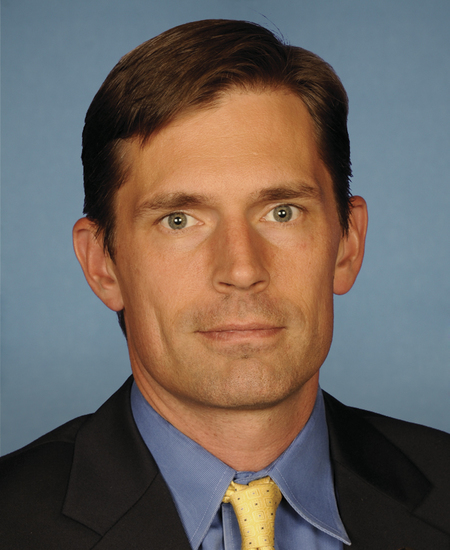
Martin Heinrich
78% support rate
Top opponent
Marsha Blackburn
22% support rate
Ranked legislators
10
5 support · 5 oppose
Key legislators

Who's moving transportation in United States

Legislators moving transportation in United States
Legislator Party Stance Support rate Decisive votes
Martin Heinrich
Martin Heinrich Senate
D
Support
78% 9
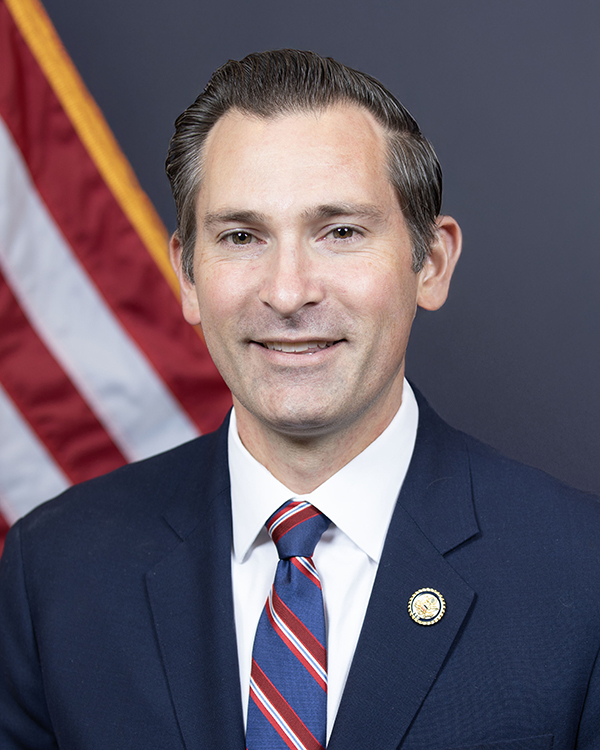
Matt Van Epps
Matt Van Epps House · District 7
R
Support
78% 9
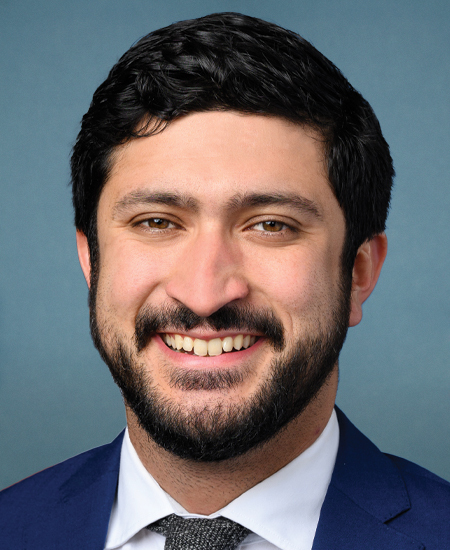
Greg Casar
Greg Casar House · District 35
D
Support
75% 12
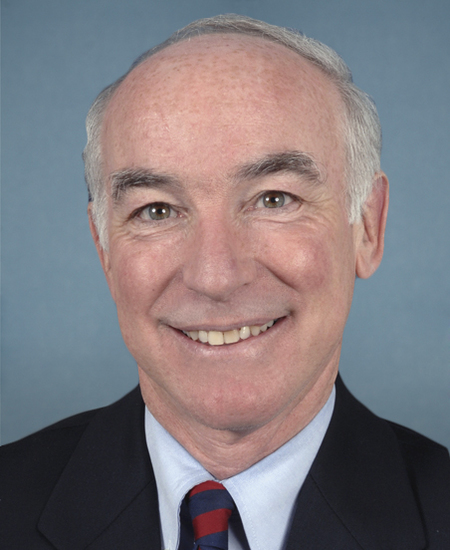
Joe Courtney
Joe Courtney House · District 2
D
Support
75% 12
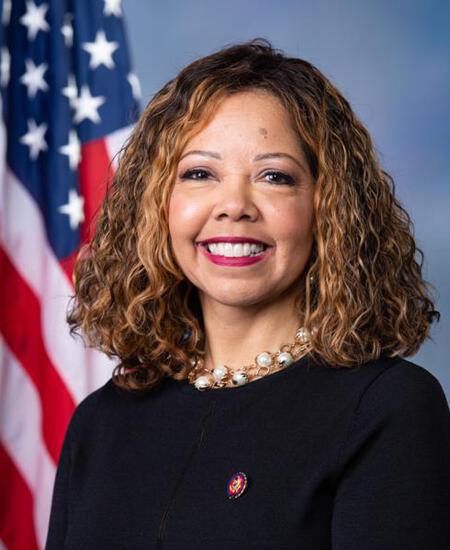
Lucy McBath
Lucy McBath House · District 6
D
Support
75% 12
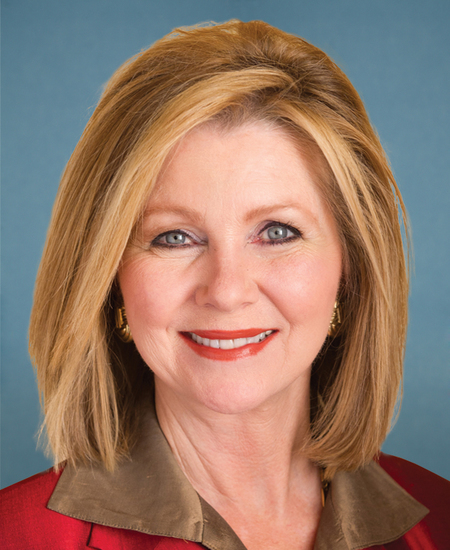
Marsha Blackburn
Marsha Blackburn Senate
R
Oppose
22% 9
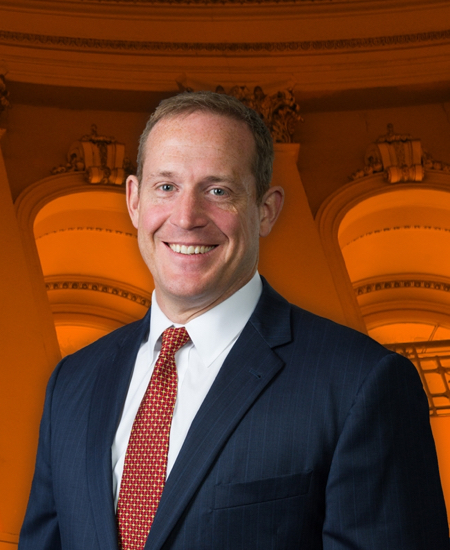
Ted Budd
Ted Budd Senate
R
Oppose
25% 12
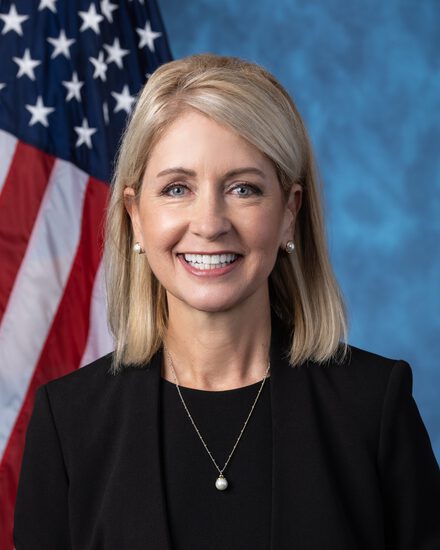
Mary E. Miller
Mary E. Miller House · District 15
R
Oppose
29% 14
Wesley Hunt
Wesley Hunt House · District 38
R
Oppose
30% 10
Joni Ernst
Joni Ernst Senate
R
Oppose
31% 26
Showing 361–370 of 742 bills

All transportation bills

in committee · United States · House Jan 29, 2025

HR 769: All Aboard Act

HR 769, the All Aboard Act, requires Amtrak to refund passengers who paid for rail service that was canceled or delayed over 3 hours due to Amtrak's failures, with refunds issued in the original payment form within 7 days (or after dispute resolution). It also bans Amtrak's current "run-to-fail" maintenance strategy (keeping assets running until they break) and mandates a new maintenance plan within 2 years, replacing the old approach. The bill applies to all Amtrak passenger services and commuter rail on Amtrak-owned tracks. Failure to comply could result in loss of federal funding.
Sub-Topics Rail
in committee · United States · House Aug 1, 2025

HR 4833: Dyess Air Base Access Infrastructure Design Act

HR 4833, the Dyess Air Base Access Infrastructure Design Act, authorizes planning and design for two specific gate improvements at Dyess Air Force Base in Texas: the Tye Gate (up to $17 million, with design costs capped at 7%) and Arnold Gate (up to $12.065 million, with design costs capped at 8%). The bill requires design activities to address site-specific factors like utility crossings, traffic coordination, and phased construction while using existing military construction funds. It does not fund actual construction but focuses solely on the planning and design phase for these access points. This bill directly affects Dyess Air Force Base infrastructure planning and operations.
in committee · United States · Senate Sep 19, 2025

S 2916: Long-Distance Corridor Relief Act

This bill modifies a federal rail funding rule to specifically exempt long-distance passenger rail corridors from requiring consideration of non-Federal funding commitments. It directly affects long-distance intercity rail routes by removing a requirement that previously forced the Secretary to factor in promised non-Federal funds when selecting corridors. The key provision adds an exception stating the Secretary "shall not consider committed or anticipated non-Federal funding" for these corridors during selection. This change simplifies the corridor selection process for long-distance routes by eliminating a specific funding-related hurdle. The bill does not alter funding levels or create new programs, only changing the criteria used in the selection process.
Sub-Topics Rail
in committee · United States · House Jan 21, 2026

HR 6744: Military Air Traffic Control Transition Act

This bill requires a working group to develop recommendations improving the transition of military air traffic control specialists (specifically those with series 2152 credentials) into civilian roles at the Federal Aviation Administration (FAA). It directs the group to identify barriers in training systems, credential translation, and standardization between military and FAA requirements. The bill specifically targets how military experience, training, and credentials align with FAA hiring needs for controllers, managers, and supervisors. This directly affects military air traffic control personnel transitioning to FAA positions and the agencies managing these transitions.
Sub-Topics Airports
in committee · United States · House Aug 20, 2025

HR 4994: Safe Air on Airplanes Act

HR 4994, the Safe Air on Airplanes Act, requires the Federal Aviation Administration to update regulations to phase out bleed air systems in aircraft. It prohibits new aircraft designs from using these systems, mandates filters to remove oil fumes in new aircraft by 2031 (7 years after enactment), and sets a 30-year phase-out schedule for existing aircraft designs (25% without bleed air by 2031, 50% by 2041, 100% by 2051). The bill directly affects aircraft manufacturers and airlines, as it changes requirements for cabin air systems that pull engine air for ventilation. These changes focus on modifying manufacturing standards and air quality systems in turbine and turbo-prop aircraft.
Sub-Topics Air Quality Airports
in committee · United States · House Feb 4, 2025

HR 971: RAIL Act

This bill, the RAIL Act, establishes new safety requirements for rail carriers transporting hazardous materials. It requires rail carriers to provide advance notification and safety planning to emergency responders, implement stricter inspection protocols for railcars and locomotives, and increase civil penalties for safety violations. The bill also sets a 2030 deadline for phasing out older DOT-111 tank cars and mandates minimum 2-person crews for most freight trains. These provisions directly affect rail carriers operating trains with hazardous materials, particularly Class I railroads. The legislation aims to enhance rail safety through comprehensive regulatory updates and enforcement mechanisms.
Sub-Topics Freight Rail
in committee · United States · Senate May 21, 2025

S 1841: Fuel Choice and Deregulation Act of 2025

This bill modifies Clean Air Act regulations to expand vehicle fuel options. It allows aftermarket conversions of older vehicles to run on alternative fuels (like natural gas or biodiesel) without being classified as "tampering," provided they meet engineering standards and include required labels. It also creates a new "fuel choice enabling manufacturer" category for companies with 50%+ of their fleet as vehicles designed for non-petroleum fuels (e.g., plug-in electric, flexible fuel, or hydrogen), granting them an 8 MPG bonus in fuel economy calculations. Additionally, the bill prohibits EPA from regulating biomass fuels under the Clean Air Act and adjusts ethanol blending requirements. These changes apply to vehicles manufactured for model year 2026 and later.
in committee · United States · Senate Feb 12, 2025

S 549: Maritime Fuel Tax Parity Act

S 549, the Maritime Fuel Tax Parity Act, expands a federal tax exemption for alternative motorboat fuels to cover vessels operating exclusively between Atlantic or Pacific U.S. ports (including territories). It amends the tax code to include these specific vessels under the existing exemption for fuel used by vessels described in section 4042(c)(1). The change applies to fuel sold for use after December 31, 2025, directly affecting commercial vessels limited to coast-to-coast U.S. trade. This policy modifies tax treatment without altering broader fuel regulations or creating new requirements.
in committee · United States · House Jun 10, 2025

HR 3871: Apprenticeship Infrastructure Tax Credit Act of 2025

The Apprenticeship Infrastructure Tax Credit Act of 2025 creates a tax credit for employers hiring apprentices in infrastructure-related occupations, offering $3,000 per apprentice annually (or $6,000 for veterans, National Guard/reserve members, or military spouses). The credit applies for two consecutive tax years for apprentices enrolled in registered programs meeting federal standards, with a total cap of $5 billion. It specifies infrastructure occupations including construction, installation/maintenance, production, and IT roles, requiring employers to verify apprentices are new hires reported via W-2, not 1099 contractors. The Department of Labor will issue eligibility certificates to employers based on program data, and credits will be tracked and reported annually to ensure the $5 billion cap is not exceeded.
in committee · United States · House Sep 4, 2025

HR 5151: Quiet Communities Act of 2025

The Quiet Communities Act of 2025 reestablishes the Environmental Protection Agency’s Office of Noise Abatement and Control, which was defunded in 1982. This office will provide grants to states for local noise control programs, conduct national research on noise health impacts, develop public education materials, and create regional technical assistance centers. The bill authorizes $25 million annually (2026-2030) to fund these activities, directly supporting communities affected by noise pollution - particularly the estimated 28 million U.S. residents with hearing impairments linked to noise exposure. It emphasizes state/local solutions, market incentives, and coordination with other agencies to address noise from aircraft, traffic, and other sources.
Showing 361 to 370 of 742 bills
Previous 1 … 36 37 38 … 75 Next