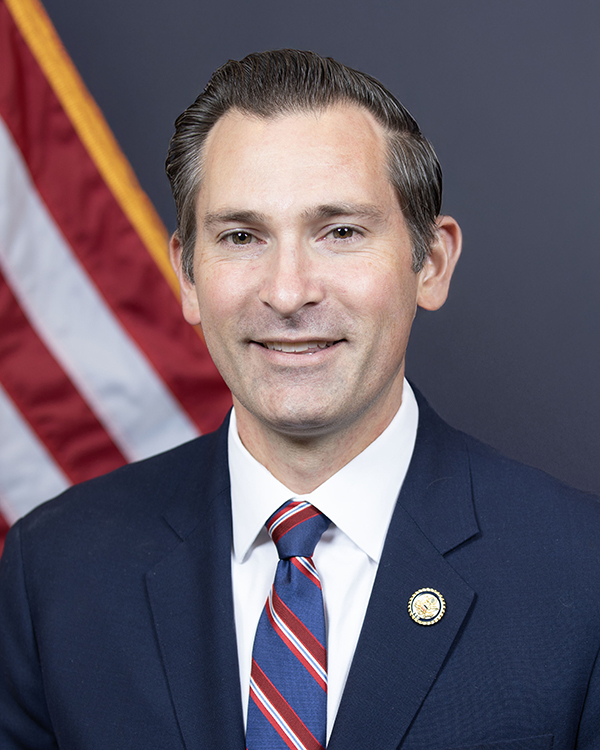
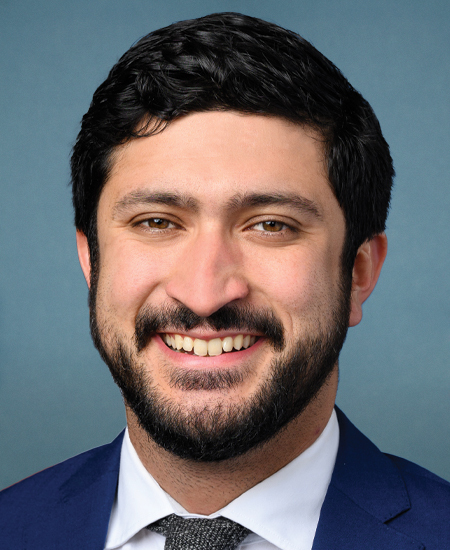
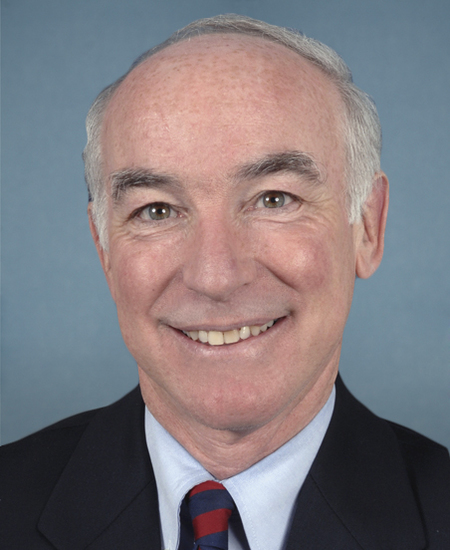
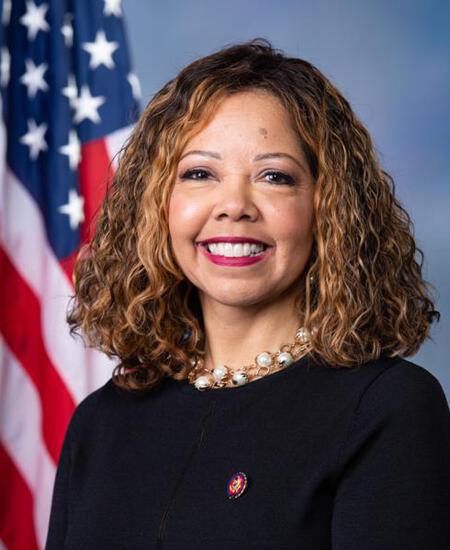
This bill requires the Secretary of Agriculture to provide cost-share grants covering 70% of the costs for agricultural producers and eligible schools to retrofit tractors with approved rollover protection structures (safety frames that prevent injury if a tractor rolls over). It defines eligible schools as those offering agricultural training, including vocational programs, colleges, and secondary schools with ag-focused curricula. Grants cover purchasing, transporting, and installing these safety structures, with increased coverage for costs exceeding $500. Funding of $725,000 annually (2027-2031) is authorized, with $500,000 allocated directly to grants and the rest for administrative support.
Tags
Agriculture
This bill requires the U.S. Department of Agriculture to provide cost-share grants covering 70% of the expenses for farmers and eligible schools to retrofit agricultural tractors with rollover protection structures (ROPS) - safety cages that prevent injury if a tractor flips. It directly affects agricultural producers and specific educational institutions, including vocational schools, colleges with agricultural programs, and secondary schools offering agricultural training. The grants cover costs for purchasing, transporting, and installing ROPS that meet SAE safety standards and include seatbelts, with higher coverage if costs exceed $500. Funding of $725,000 annually from 2027-2031 will support these grants, administered through a designated program manager.
Tags
Agriculture
This bill requires large aircraft manufacturers (with at least $15 billion in annual revenue) to annually certify that their board includes two labor representatives (one from each union representing manufacturing employees) and two safety experts with proven aerospace safety experience. It amends FAA regulations to mandate this board composition for entities holding Organization Designation Authorization (ODA) certificates, which allow companies to self-certify aircraft safety. The FAA must rescind ODA delegations from non-compliant companies within 90 days of the bill’s enactment.
The FLASH Act authorizes construction of navigable roads along federal border lands to improve U.S. Customs and Border Protection access and operational control. It requires federal agencies to develop protocols for reducing trash accumulation and environmental degradation from unauthorized border crossings, while targeting illegal cannabis cultivation sites with environmental response initiatives. The bill prohibits using federal funds to provide housing for undocumented immigrants on federal lands and establishes criminal penalties for illegal pesticide use. The legislation affects how federal land management agencies (National Park Service, Bureau of Land Management, etc.) operate along the southern border, with specific reporting requirements for environmental impacts and trash collection.
This bill amends U.S. Code to allow marine terminals to use Capital Construction Funds for purchasing or replacing U.S.-made cargo handling equipment (like cranes or loaders), or foreign-made equipment only if U.S. options are unavailable or unsuitable. It directly affects U.S. marine terminals operating at ports, enabling them to fund equipment upgrades with federal funds. Key provisions include banning purchases of Chinese-made cranes, prohibiting fully automated equipment that could cause job losses, and requiring the Secretary to annually publish U.S. equipment availability. The bill updates existing fund rules without creating new programs, focusing on domestic equipment use and job impact.
Safe Vehicle Access for Survivors Act This bill requires providers of connected vehicle services, upon the request of a domestic violence survivor, to terminate or disable an identified domestic abuser’s access to a vehicle’s connected capabilities and data. Specifically, within two business days of receiving a request from a survivor, a covered provider must, if technically feasible (1) terminate or disable the connected vehicle account associated with the identified abuser or the relevant vehicle, or the vehicle’s connected capabilities; or (2) instruct the survivor on how to terminate or disable connected services directly. Covered providers may not make the termination of connected vehicle services or accounts contingent on any requirement other than the provision of specified information by the survivor. For example, a provider may not require a survivor to pay a fee or extend their contract with the provider. Under the bill, an abuser is an individual identified by a survivor who committed or allegedly committed certain acts against the survivor, including domestic violence, sexual assault, stalking, and sex trafficking. A survivor is an adult against whom such an act was committed. Further, a covered provider is a vehicle manufacturer, affiliate, or entity acting on behalf of a manufacturer that provides a connected vehicle service. Connected vehicle service is any capability that enables a person to remotely access data from or send commands to a vehicle. Finally, the Federal Communications Commission must prescribe regulations governing how covered providers address survivors’ requests related to connected vehicles.
S 1278, the Fog Observations and Geographic Forecasting Act, directs the Under Secretary of Commerce for Oceans and Atmosphere to improve coastal marine fog forecasts. The bill requires expanding marine fog observations using buoys, weather stations on vessels, satellites, and advanced data analysis, while also enhancing fog modeling accuracy and NOAA's advisory communication. This aims to directly benefit maritime safety and reduce economic disruptions for ships and coastal industries affected by fog events. The project must include stakeholder and tribal engagement, with a detailed implementation plan due within one year of enactment.
HR 4344, the Resilient LEO PNT Act, directs the Air Force to fund a demonstration project with U.S.-based commercial satellite companies to develop a backup system for GPS. The bill requires this system to operate without GPS, work with existing civilian GPS equipment, resist jamming/spoofing better than current GPS, and deliver high-precision timing (under 10 nanoseconds) and positioning (under 30 centimeters). It specifically targets commercial providers meeting U.S. office and service criteria, aiming to create a resilient low-Earth orbit satellite capability. The demonstration must be completed within 18 months, with potential follow-on contracts for successful providers to move toward operational use.
The Commonsense Legislating Act (HR 6039) makes several significant changes to federal programs. It extends the FAST Program through 2030, requires enhanced outreach to minority and Hispanic-serving institutions for small business grants, and expands the work opportunity tax credit to include military spouses. The bill establishes a Working Families Task Force to address challenges like affordability and childcare, and mandates annual mental health consultations for veterans with service-connected mental health disabilities. Additionally, it creates Native American tourism grant programs with $35 million in funding for 2026-2030 and establishes a Fentanyl Disruption Steering Group within the National Security Council.
This bill requires the Consumer Product Safety Commission (CPSC) to adopt specific existing safety standards for lithium-ion batteries used in e-bikes, scooters, and other personal micromobility devices within 180 days of enactment. It mandates that these standards apply only to consumer products as defined by federal law, directly affecting manufacturers of such devices. The bill also establishes a process for the CPSC to review future revisions to these voluntary standards and requires a report to Congress within five years detailing battery-related fire or explosion incidents involving these products. The law aims to standardize safety requirements without creating new rules, relying instead on established industry guidelines.