Issue · Transportation

Transportation

Every transportation bill, vote, and legislator stance in United States, automatically classified by Maddy, our AI policy reader.

Total bills
736
119th Congress
Top supporter
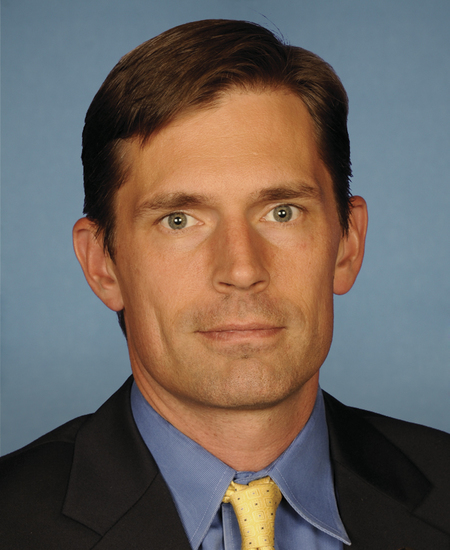
Martin Heinrich
78% support rate
Top opponent
Marsha Blackburn
22% support rate
Ranked legislators
10
5 support · 5 oppose
Key legislators

Who's moving transportation in United States

Legislators moving transportation in United States
Legislator Party Stance Support rate Decisive votes
Martin Heinrich
Martin Heinrich Senate
D
Support
78% 9
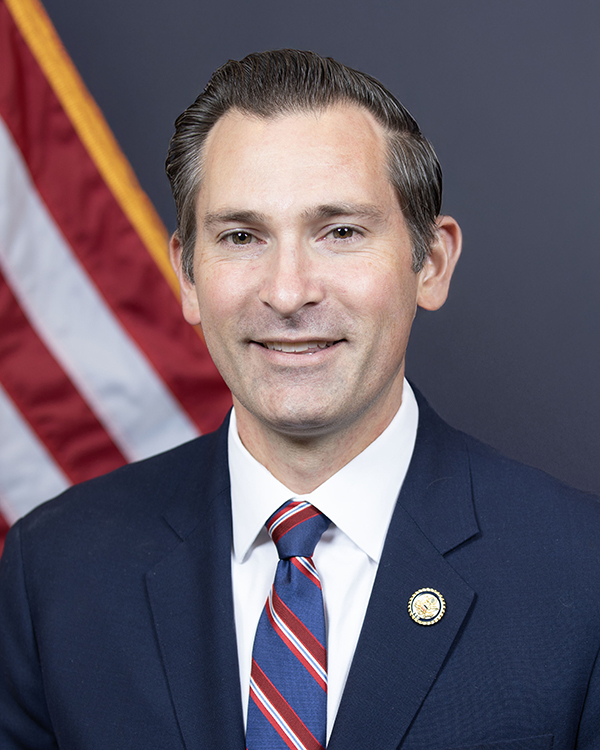
Matt Van Epps
Matt Van Epps House · District 7
R
Support
78% 9
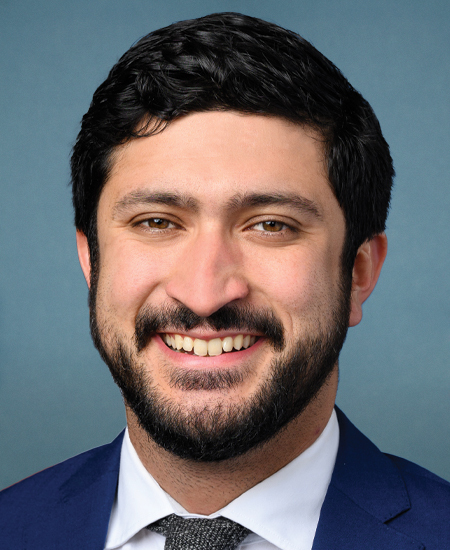
Greg Casar
Greg Casar House · District 35
D
Support
75% 12
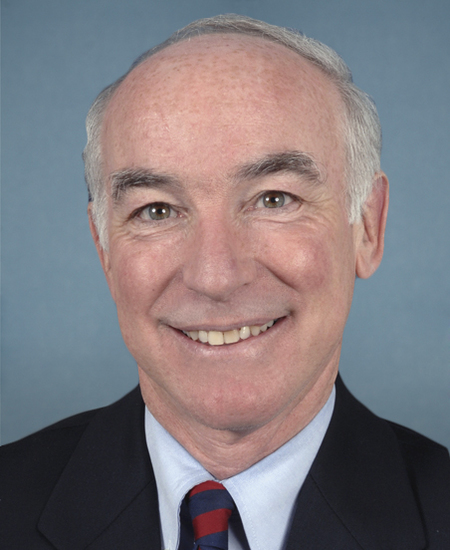
Joe Courtney
Joe Courtney House · District 2
D
Support
75% 12
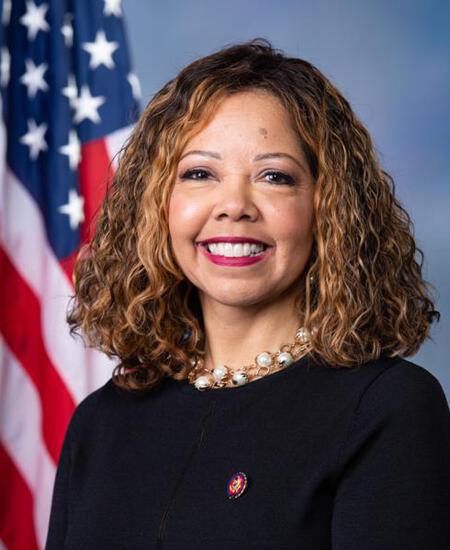
Lucy McBath
Lucy McBath House · District 6
D
Support
75% 12
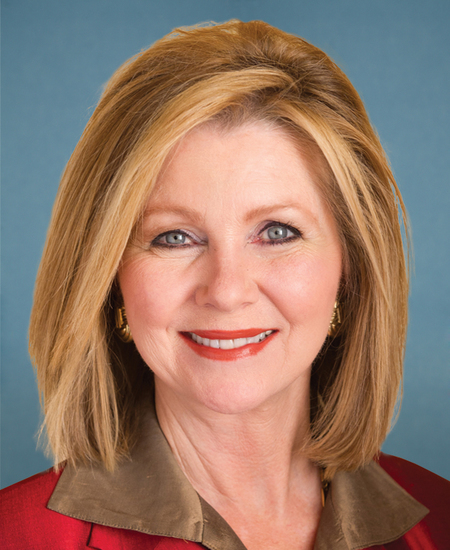
Marsha Blackburn
Marsha Blackburn Senate
R
Oppose
22% 9
Ted Budd
Ted Budd Senate
R
Oppose
25% 12
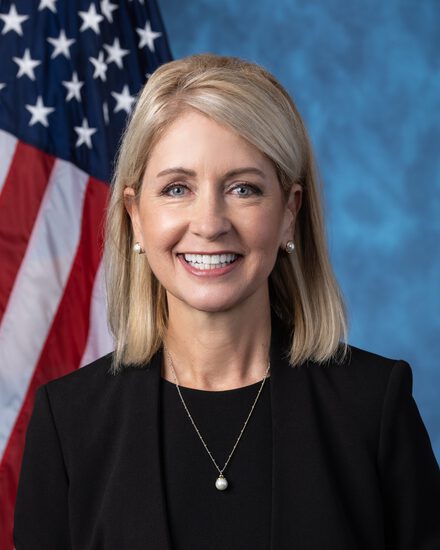
Mary E. Miller
Mary E. Miller House · District 15
R
Oppose
29% 14
Wesley Hunt
Wesley Hunt House · District 38
R
Oppose
30% 10
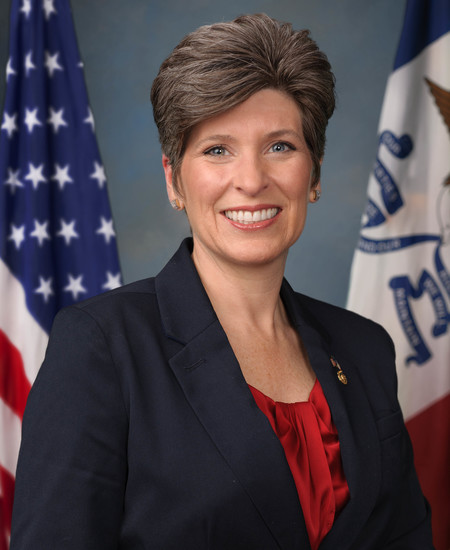
Joni Ernst
Joni Ernst Senate
R
Oppose
31% 26
Showing 181–190 of 736 bills

All transportation bills

in committee · United States · House Apr 9, 2026

HR 8226: Helicopter Safety Parity Act of 2026

The Helicopter Safety Parity Act of 2026 requires turbine-powered helicopters carrying two or more passengers to follow the same safety standards as commercial airlines, including stricter rules for pilot training, rest periods, maintenance, and equipment. This legislation directly affects helicopter operators currently regulated under Part 135 of federal aviation regulations, mandating compliance with Part 121 airline standards within 24 months of enactment. Key provisions include requirements for terrain awareness systems, cockpit and flight data recording, and the elimination of inconsistent exemptions by the Federal Aviation Administration. The bill also authorizes $50 million annually through 2030 for enforcement, oversight, and hiring additional safety inspectors, while excluding emergency medical services operations from these requirements.
Sub-Topics Airports
in committee · United States · House Apr 3, 2026

HR 8188: Tribal Roads Improvement Act

The Tribal Roads Improvement Act addresses the poor condition of approximately 160,000 miles of roads on Tribal lands by allowing Tribal governments to use more of their transportation funding for road grading projects. This change removes a previous limitation that restricted how much of Tribal Transportation Program funds could be spent on grading, giving Tribes greater flexibility to improve road infrastructure. The bill also requires the Secretary of the Interior to conduct a study within three years to evaluate the impact of this funding flexibility on road conditions, economic development, and community access. Results from the study will be reported to Congress with recommendations on how to further support Tribal road grading initiatives.
Sub-Topics Roads & Highways Transportation Funding Tags Tribal Nations
in committee · United States · Senate Mar 26, 2026

S 4273: Nicholas Douglas Quets Border Travel Safety Act

This bill, the Nicholas Douglas Quets Border Travel Safety Act, requires the Department of Homeland Security to install and maintain warning signage at U.S.-Mexico land border ports of entry that alerts travelers to dangerous areas identified in State Department travel advisories. The signage will be placed on roadways near border crossings in both English and Spanish, include QR codes linking to safety information, and be updated annually to reflect current security risks. The legislation aims to improve traveler awareness of safety threats such as criminal activity and violence in regions near the border, following the tragic killing of Nicholas Quets in Sonora, Mexico. The bill also mandates reports to Congress on the program's implementation and effectiveness within one year of enactment.
in committee · United States · House Mar 3, 2026

HR 7748: Railway Safety Act of 2026

The Railway Safety Act of 2026 establishes new safety requirements for trains transporting hazardous materials, including speed limits, enhanced reporting, and stricter tank car standards. It mandates that high-hazard trains carrying flammable liquids or toxic materials be limited to 40 mph in urban areas, while requiring railroads to provide real-time information to emergency responders. The bill also increases penalties for safety violations, requires more frequent inspections of rail equipment, and creates a new emergency response assistance program to help communities affected by hazardous materials incidents. Additionally, it authorizes funding for research into safer tank cars and defect detection systems, and requires the Federal Railroad Administration to improve its safety workforce management.
Sub-Topics Rail
in committee · United States · House Mar 25, 2026

HR 8068: National Transit Frontline Workforce Training Act

This bill establishes a Transit Workforce Center to support the recruitment, training, and retention of skilled frontline public transportation workers. The center would be run by a qualified nonprofit organization selected through federal grants and tasked with developing training programs, educational resources, and technical assistance for transit providers across urban, suburban, rural, and Tribal areas. Key duties include conducting data analytics on workforce trends, facilitating industry dialogues, and promoting outreach to improve job readiness for workers using new technologies. The legislation requires the center to collaborate with the Federal Transit Administration, transit providers, and employee representatives while considering feedback from providers when creating training initiatives.
in committee · United States · House Mar 30, 2026

HR 8151: Expanding Private Airport Security Screening Act

This bill allows airport operators to contract with private companies to perform passenger and property security screening instead of relying solely on federal employees. To qualify, private companies must meet strict standards including employing only vetted staff, demonstrating equal capability to federal personnel, and being owned and controlled by U.S. citizens. The Transportation Security Administration would maintain a public list of approved companies, provide federal supervisors and law enforcement at airports using private screening, and conduct covert testing to ensure performance standards are met. The legislation also requires annual reports comparing the performance and costs of private screening against federal operations, and includes provisions to limit airport operator liability for damages caused by negligence or wrongdoing by private screening companies and their employees.
Sub-Topics Airports
in committee · United States · House Apr 2, 2026

HR 8186: Roadway Resiliency Act

The Roadway Resiliency Act establishes an interagency working group to develop best practices for managing roadways during inclement weather. This group will be formed by the Secretary of Transportation and the Director of the National Weather Service within 180 days of the bill's enactment. Once the best practices are developed, they must be submitted to Congress for review. The legislation focuses on improving coordination between transportation and weather agencies to address road safety during adverse weather conditions.
in committee · United States · House Apr 9, 2026

HR 8218: Fair Compensation for Truck Crash Victims Act

This bill increases the minimum insurance coverage required for commercial trucking companies from $750,000 to $5,000,000 per incident. It also establishes a five-year automatic adjustment mechanism to update these insurance requirements based on medical cost inflation. The changes directly affect motor carriers transporting property and aim to ensure carriers maintain adequate financial responsibility to cover potential crash damages. The new requirements will take effect one year after the bill is enacted.
Sub-Topics Freight
in committee · United States · House Apr 9, 2026

HR 8217: Next Gen Road Safety Act

The Next Gen Road Safety Act amends federal funding provisions to allow law enforcement agencies to purchase specialized equipment for managing high-speed vehicle pursuits. This legislation specifically authorizes the procurement of technologies such as vehicle-disabling systems, police bumper systems, and drones to help prevent and de-escalate dangerous chase situations. The changes apply to federal crime control grants under the Omnibus Crime Control and Safe Streets Act of 1968, enabling agencies to use these funds for the specified safety equipment. The bill focuses on updating existing grant categories to include modern tools that support officer safety and public safety during vehicular pursuits.
in committee · United States · House Apr 7, 2026

HR 8200: Interstate Ferry Fairness Act

The Interstate Ferry Fairness Act allows privately owned ferries and ferry terminals operating between two adjoining states to receive federal funding for construction and purchase. Under this legislation, private ferry operators can apply for federal assistance if the Secretary of Transportation determines the project provides substantial public benefits or meets surface transportation needs. The bill also permits privately owned ferries to charge fares that cover operational costs plus a reasonable rate of return approved by the Secretary. These changes expand eligibility for the Ferry Boat Program beyond publicly owned vessels, while maintaining oversight on fare structures and fund usage.
Showing 181 to 190 of 736 bills
Previous 1 18 19 20 74 Next