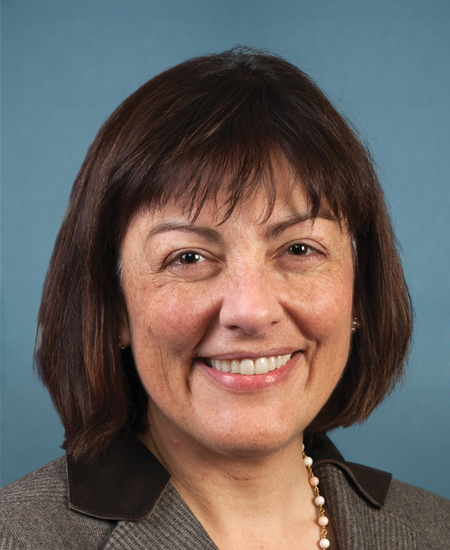
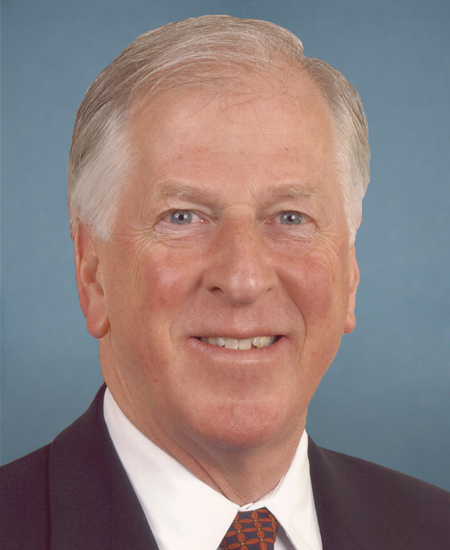
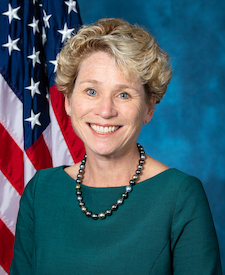
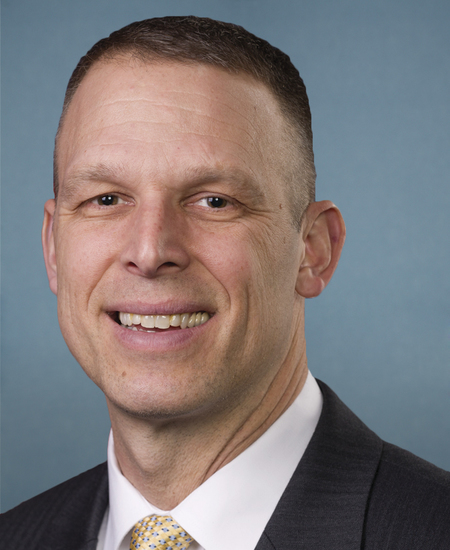
Key legislators
Who's moving technology in United States
Showing 21–24 of 24
bills
All technology bills
HR 1326, the DOE and USDA Interagency Research Act, requires the Energy and Agriculture Secretaries to jointly conduct collaborative research focused on shared priorities like sustainable energy, agriculture, and climate resilience. It mandates a competitive grant process for federal agencies, universities, and nonprofits to fund projects in areas such as AI for farming/energy systems, biofuels, grid security, and rural technology development. The bill also requires a report to Congress within two years detailing research coordination, achievements, and future collaboration opportunities. This legislation directly affects federal agencies, research institutions, and agricultural/energy sectors through new funding mechanisms and joint projects, without altering existing regulations or creating new mandates for the public.
Topics
✓ EnergySupports EnergyFunds collaborative research on sustainable energy, biofuels, grid security, and rural tech via competitive grants, directly advancing renewable energy infrastructure and climate resilience priorities.95% confidence
✓ EnvironmentSupports EnvironmentBill funds collaborative research on sustainable energy, climate resilience, biofuels, and AI for farming/energy systems, directly advancing environmental protection and climate goals through federal grants.92% confidence
✓ TechnologySupports TechnologyFunds AI for farming/energy systems, grid security, and rural tech development via competitive grants, directly advancing technology research.92% confidence
|
Rep's Stance
✓ Voted Yes
✓ Supports Technology
This bill requires the Department of Homeland Security (DHS) to create a new department-wide policy and process to protect sensitive research and development projects from unauthorized access or disclosure during acquisitions. It directly affects DHS research programs by mandating specific security safeguards for their work. Key provisions include requiring DHS to develop this policy within one year, submit a GAO report on compliance with existing national security guidelines (NSPM-33), and provide a congressional briefing on implementing the new security framework. The bill focuses on establishing concrete security protocols for DHS research, not on funding or broader policy changes.
HR 788 requires the Department of Energy (DOE) and Small Business Administration (SBA) to establish formal agreements for joint research and development (R&D) projects. This mandates that small businesses must be included in these collaborative efforts, aligning DOE and SBA missions to advance shared goals like clean energy innovation. The bill creates a two-year reporting requirement for the agencies to Congress, detailing coordination, research achievements, and future collaboration opportunities. It does not authorize new funding and ensures R&D activities comply with existing research security rules.
HR 152, the Federal Disaster Assistance Coordination Act, requires FEMA to study and streamline how disaster assistance applicants and agencies collect and share information. It directs FEMA to develop plans within two years to simplify paperwork for applicants, reduce duplication in damage assessments, and explore technologies like drones for faster assessments. The bill mandates a public report detailing these plans and findings, including recommendations for agencies like the Small Business Administration and HUD. It directly affects disaster applicants and federal agencies managing relief, aiming to make the process less burdensome and more efficient without creating new funding or benefits. The focus is strictly on procedural improvements to information handling.