Issue · Labor & Employment

Labor & Employment (Labor Standards)

Every labor & employment bill, vote, and legislator stance in United States, automatically classified by Maddy, our AI policy reader.

Total bills
257
119th Congress
Top supporter
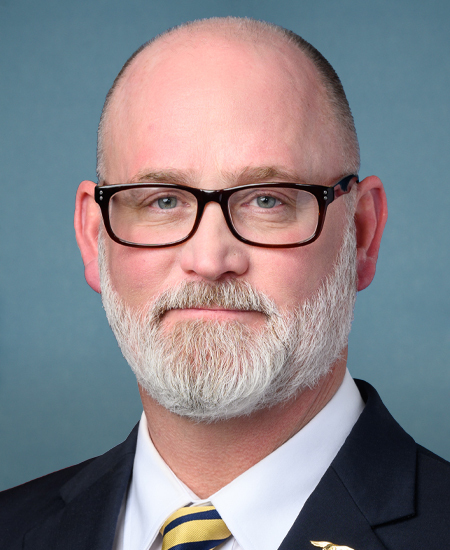
Derrick Van Orden
100% support rate
Top opponent
Julie Fedorchak
33% support rate
Ranked legislators
10
5 support · 5 oppose
Key legislators

Who's moving labor standards in United States

Legislators moving labor standards in United States
Legislator Party Stance Support rate Votes
Derrick Van Orden
Derrick Van Orden House · District 3
R
Strong +
100% 3
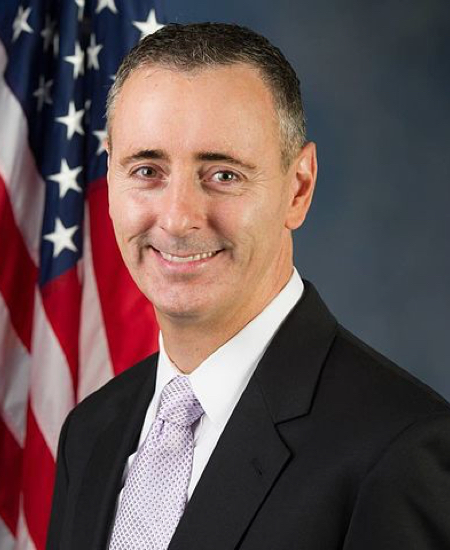
Brian K. Fitzpatrick
Brian K. Fitzpatrick House · District 1
R
Strong +
86% 7
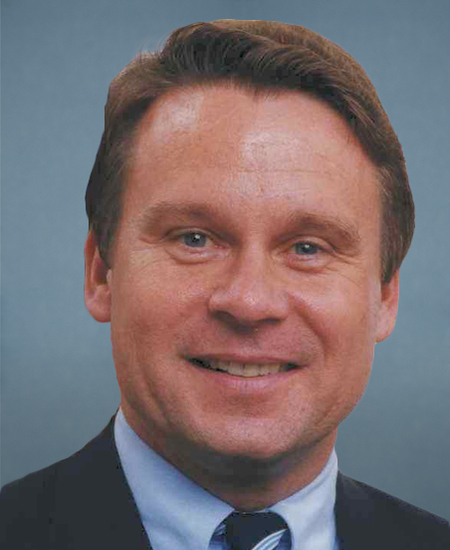
Christopher H. Smith
Christopher H. Smith House · District 4
R
Strong +
86% 7
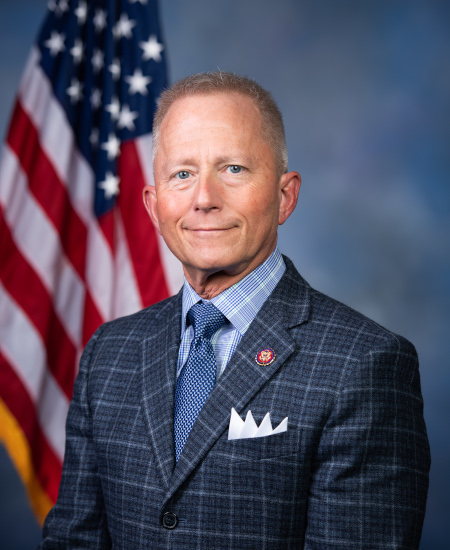
Jefferson Van Drew
Jefferson Van Drew House · District 2
R
Strong +
86% 7
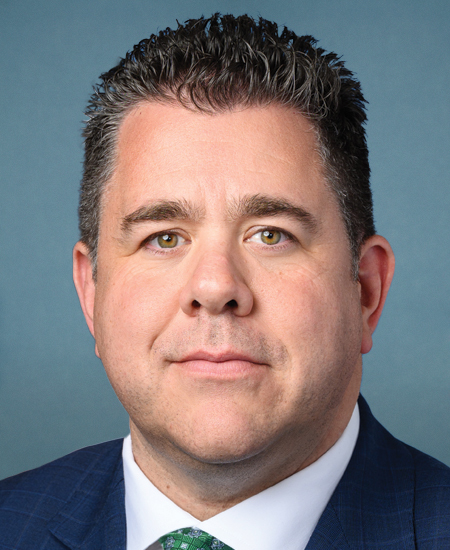
Nick LaLota
Nick LaLota House · District 1
R
Strong +
86% 7
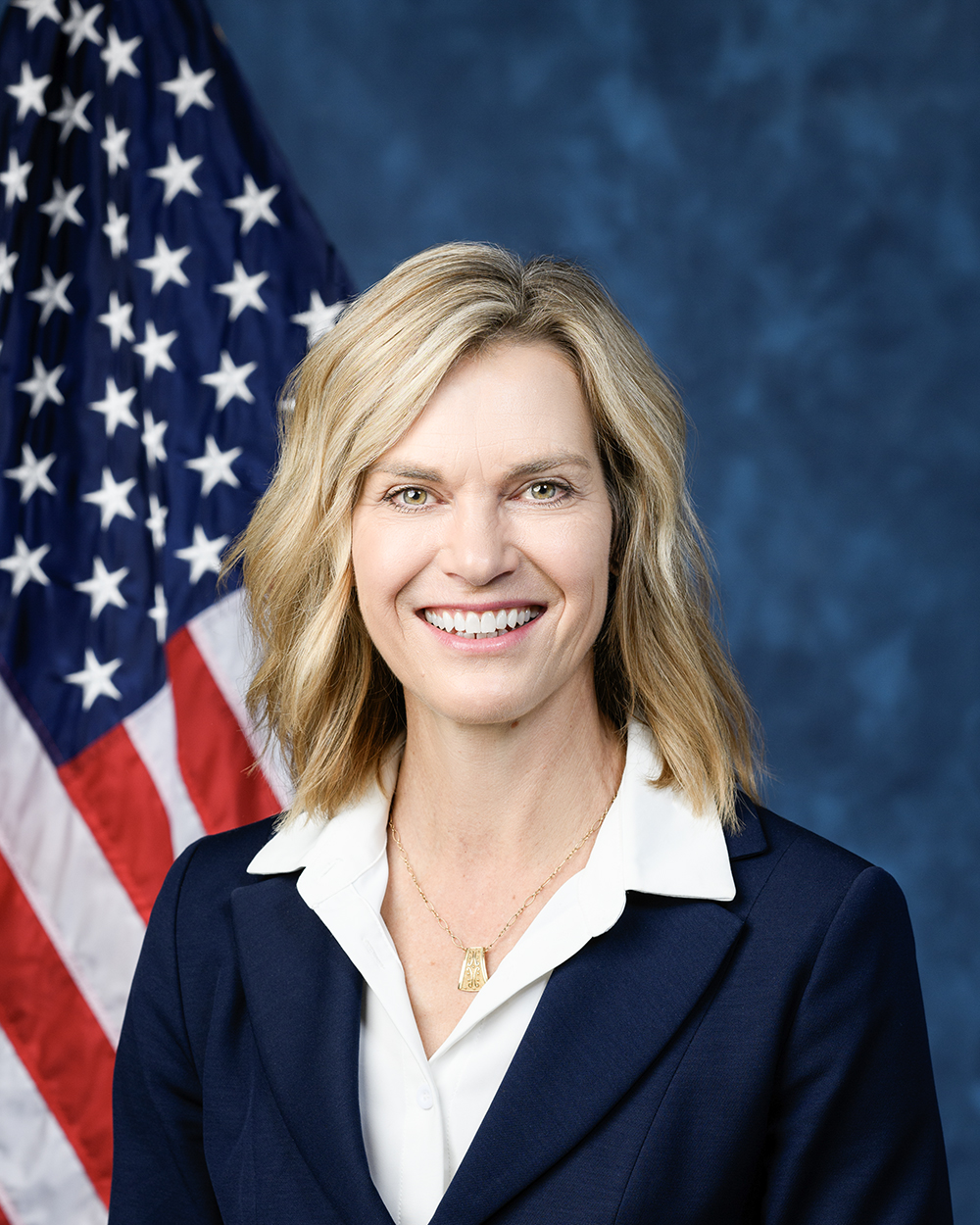
Julie Fedorchak
Julie Fedorchak House · District At-Large
R
Oppose
33% 6
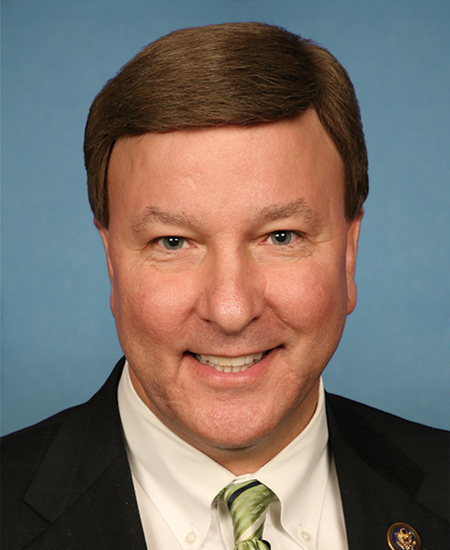
Mike Rogers
Mike Rogers House · District 3
R
Oppose
33% 6
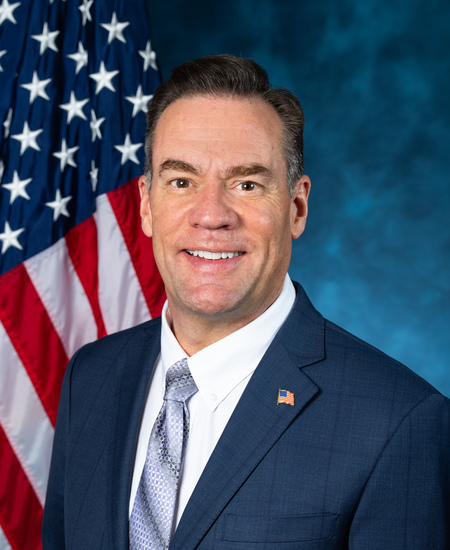
Russ Fulcher
Russ Fulcher House · District 1
R
Oppose
33% 6
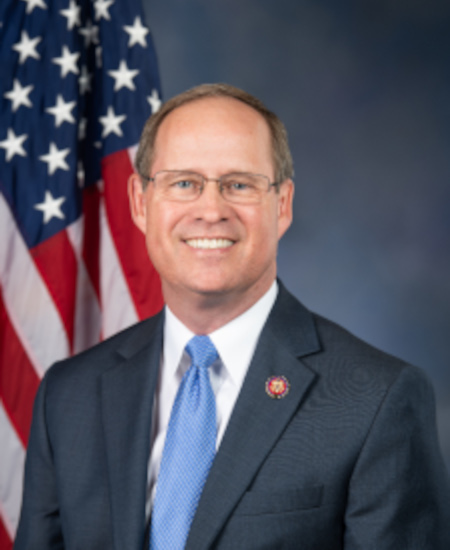
Gregory F. Murphy
Gregory F. Murphy House · District 3
R
Oppose
33% 3
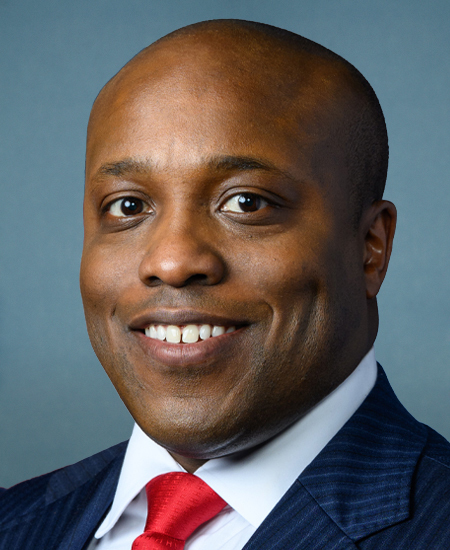
Wesley Hunt
Wesley Hunt House · District 38
R
Oppose
33% 3
Showing 71–80 of 257 bills

All labor & employment bills

in committee · United States · House Feb 10, 2026

HR 7480: FAIR Act

HR 7480, the FAIR Act, sets pay adjustments for federal employees in 2027. It increases base pay by 3.1% for most federal workers under standard pay systems and for employees paid according to local civilian wages in high-cost areas. Additionally, it raises locality pay adjustments by 1% for 2027. The bill directly affects all federal employees covered by these pay systems through concrete, formula-based adjustments.
in committee · United States · House Jun 12, 2025

HR 4008: Pay Our Correctional Officers Fairly Act

This bill changes how federal Bureau of Prisons employees in the "Rest of U.S." pay locality receive compensation. It directs that employees whose official worksite is in "Rest of U.S." be treated as working in the nearest other pay locality (within 200 miles) with the highest comparability payment, rather than the default "Rest of U.S." rate. This adjustment applies to all Bureau of Prisons employees, including prevailing rate staff, and takes effect 180 days after enactment. The change directly affects federal correctional officers and staff working in remote locations currently covered by the "Rest of U.S." pay rate.
Sub-Topics Labor Standards
in committee · United States · House Jan 16, 2025

HR 512: Imported Seafood Safety Standards Act

HR 512 creates a new fund using 70% of import duties collected on shrimp and shrimp products (like those listed under specific tariff codes) to improve seafood safety and support domestic producers. The fund provides 50% of its money for FDA inspections to check for antibiotic contamination and verify imports aren't linked to forced labor or illegal sources (specifically referencing Xinjiang imports), and 50% for USDA programs to boost domestic shrimp consumption. This directly affects shrimp importers (who pay the duties), federal agencies (FDA and USDA), and domestic shrimp producers (who benefit from consumption programs). The key change is using import duty revenue to enforce safety standards and support U.S. shrimp sales, rather than general budget funds.
Sub-Topics Labor Standards
in committee · United States · House Jan 20, 2025

HR 561: Overtime Pay Tax Relief Act of 2025

HR 561, the Overtime Pay Tax Relief Act of 2025, allows eligible hourly workers to deduct up to 20% of their legally required overtime pay from their taxable income. This deduction applies to workers earning overtime under the Fair Labor Standards Act, with income limits: $100,000 for single filers, $150,000 for heads of household, and $200,000 for married couples filing jointly. The deduction expires after 2029 and applies to all taxpayers, including those who don’t itemize deductions. It modifies tax withholding procedures to implement this new deduction starting from the bill’s enactment date.
in committee · United States · House Jan 16, 2025

HR 482: No Tax on Tips Act

This bill creates a new tax deduction for cash tips received by workers in specific service occupations that traditionally accepted tips before 2024 (like servers, barbers, and beauticians). It allows a deduction of up to $25,000 per year for qualified tips included on employer statements, but excludes employees who earned over a certain threshold ($220,000 in 2023) from the same employer the previous year. The deduction applies to taxable years beginning after December 2024 and is designed to reduce taxable income for eligible workers. It directly affects service industry workers in qualifying tip-dependent jobs who receive cash tips, not the general public.
in committee · United States · House Apr 3, 2025

HR 2621: REAL AMERICA Act

HR 2621, the REAL AMERICA Act, creates two new tax deductions: one for cash tips reported to employers (with an income limit of $450,000 for individuals or $900,000 for joint returns) and another for qualified overtime compensation paid under the Fair Labor Standards Act. It also changes tax treatment for partners providing investment management services to partnerships, requiring certain gains to be treated as ordinary income rather than capital gains. The bill repeals the requirement to include Social Security benefits in gross income while providing funding to maintain Social Security trust fund balances. These changes would primarily affect taxpayers who earn cash tips, receive overtime pay, or work in investment management roles within partnerships.
in committee · United States · House Apr 10, 2025

HR 2879: Prison Staffing Reform Act of 2025

HR 2879, the Prison Staffing Reform Act of 2025, requires the Bureau of Prisons to conduct a comprehensive external review of understaffing within 180 days of enactment. The review, to be done with input from prison unions, civil rights groups, and recidivism reduction organizations, must identify staffing impacts on inmate access to medical care, programming, safety, and staff working conditions. It mandates the Bureau to develop specific staffing guidelines (including officer-to-inmate ratios per unit and non-correctional staff needs) and a 3-year implementation plan to fill vacancies and reduce mandated overtime. The plan must address issues like medical care wait times, security risks, and staff health, with annual progress reports to Congress and the prison union. This bill directly affects over 35,000 Bureau of Prisons employees and the nearly 121,000 individuals in federal custody nationwide.
in committee · United States · House May 8, 2025

HR 3305: LEO Fair Retirement Act of 2025

The LEO Fair Retirement Act of 2025 allows federal law enforcement officers to include unpaid overtime hours in their retirement benefit calculations. Currently, pay caps prevent officers from being compensated for all overtime worked, meaning they miss out on retirement credit for those hours. To qualify, officers must make a lump-sum payment (or choose a reduced monthly annuity) to cover the retirement contributions they would have made if paid, based on their actual overtime hours. This applies to officers covered by the Civil Service Retirement System (CSRS) or Federal Employees Retirement System (FERS), and the bill also provides a tax credit for the lump-sum payment.
in committee · United States · House Jun 3, 2025

HR 3680: No Corporate Crooks Act

HR 3680, the "No Corporate Crooks Act," prohibits individuals convicted of specific serious financial crimes from serving in the U.S. executive branch. It directly affects corporate executives (like CEOs) who have been finally convicted of offenses including bribery, fraud, embezzlement, tax evasion, or wage theft. The bill makes such individuals ineligible for appointment to any executive branch position. The key provision is a mandatory ineligibility requirement triggered by a final conviction for any listed covered crime.
Sub-Topics Labor Standards
in committee · United States · House Jul 23, 2025

HR 4640: Stop AI Price Gouging and Wage Fixing Act of 2025

This bill prohibits companies from using automated systems to set prices or wages based on surveillance data about consumers or workers. It bans "surveillance-based price setting" (personalized pricing based on consumer tracking) and "surveillance-based wage setting" (using personal data to determine worker pay), with limited exceptions for standard discounts like student or senior citizen rates when properly disclosed. Companies must publish clear procedures about how their automated systems work, including how data is used and how consumers/workers can challenge inaccuracies. The Federal Trade Commission and Equal Employment Opportunity Commission will enforce the law, and individuals can file lawsuits to challenge violations. The bill also prohibits pre-dispute arbitration agreements that would prevent class action lawsuits.
Showing 71 to 80 of 257 bills
Previous 1 7 8 9 26 Next