Issue · Labor & Employment

Labor & Employment (Labor Standards)

Every labor & employment bill, vote, and legislator stance in United States, automatically classified by Maddy, our AI policy reader.

Total bills
295
119th Congress
Top supporter
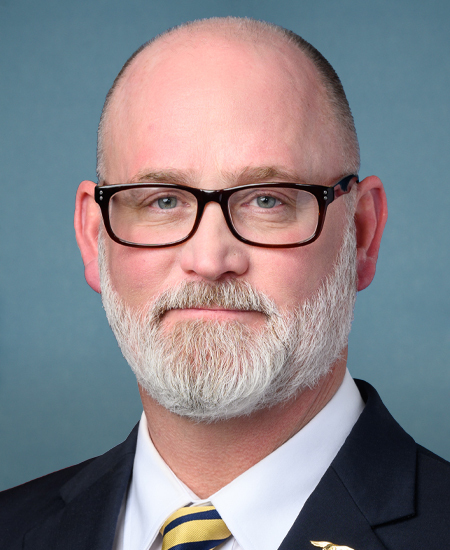
Derrick Van Orden
100% support rate
Top opponent
Julie Fedorchak
33% support rate
Ranked legislators
10
5 support · 5 oppose
Key legislators

Who's moving labor standards in United States

Legislators moving labor standards in United States
Legislator Party Stance Support rate Votes
Derrick Van Orden
Derrick Van Orden House · District 3
R
Strong +
100% 3
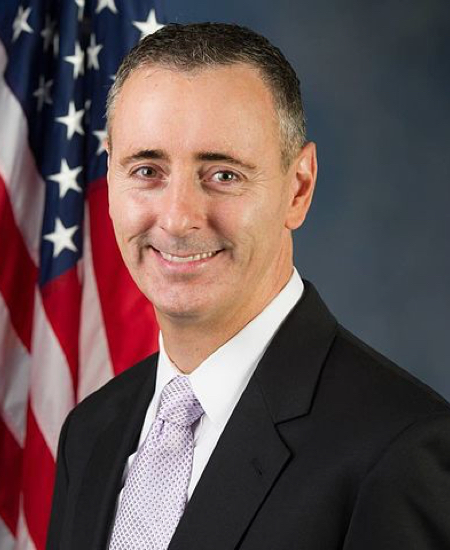
Brian K. Fitzpatrick
Brian K. Fitzpatrick House · District 1
R
Strong +
86% 7
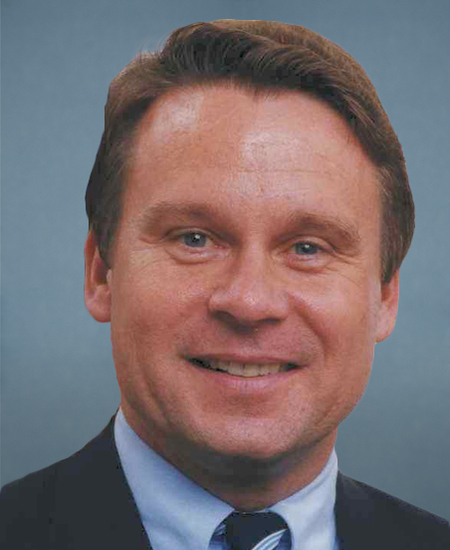
Christopher H. Smith
Christopher H. Smith House · District 4
R
Strong +
86% 7
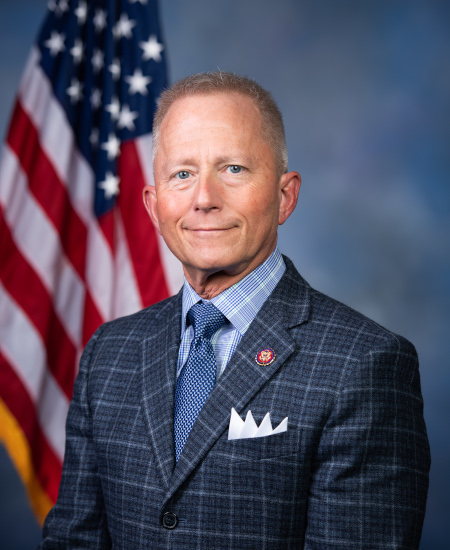
Jefferson Van Drew
Jefferson Van Drew House · District 2
R
Strong +
86% 7
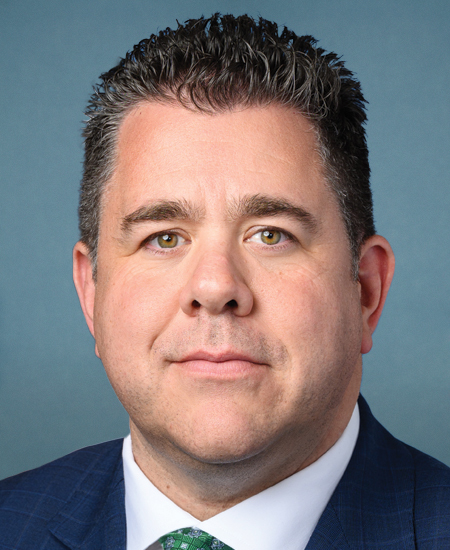
Nick LaLota
Nick LaLota House · District 1
R
Strong +
86% 7
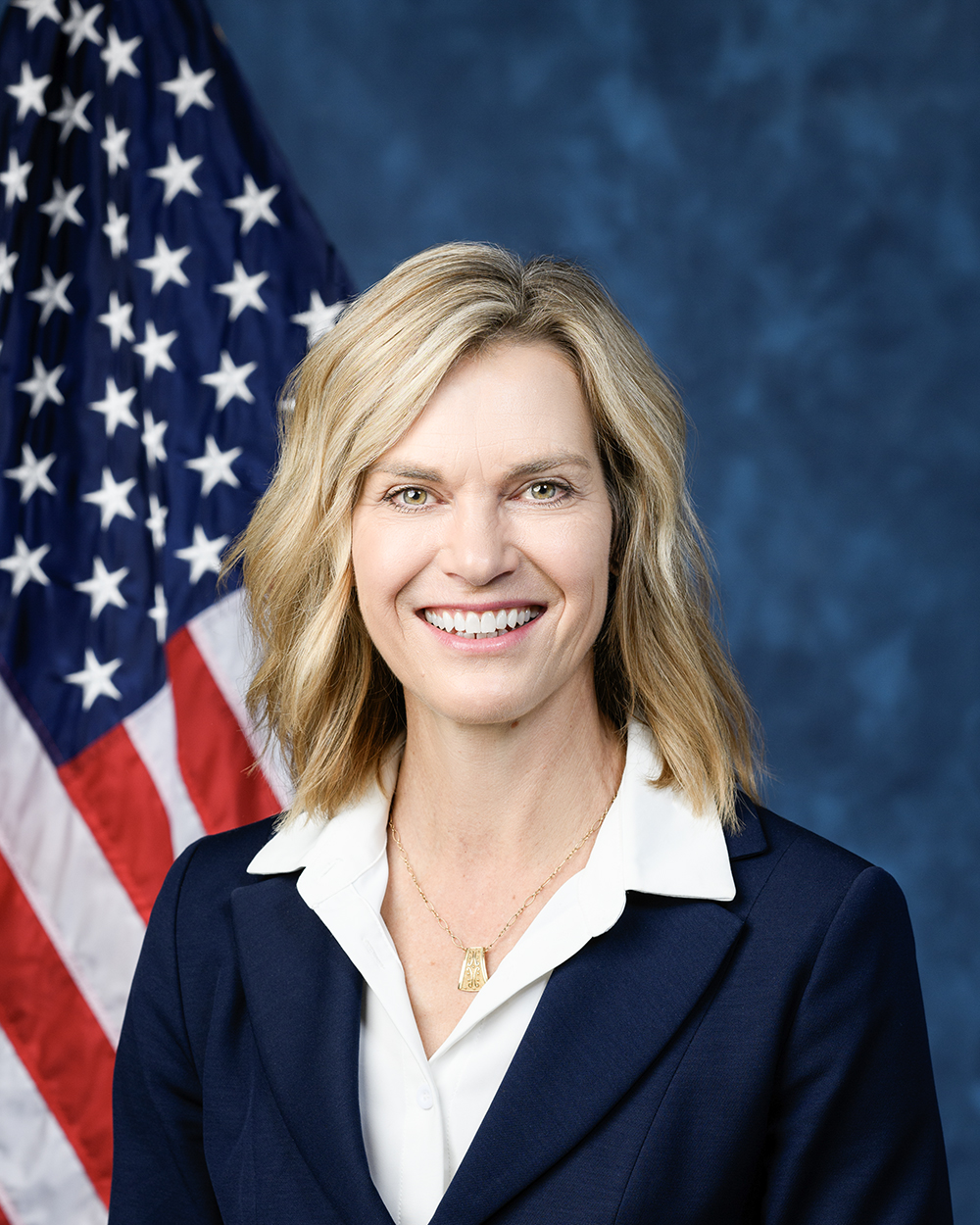
Julie Fedorchak
Julie Fedorchak House · District At-Large
R
Oppose
33% 6
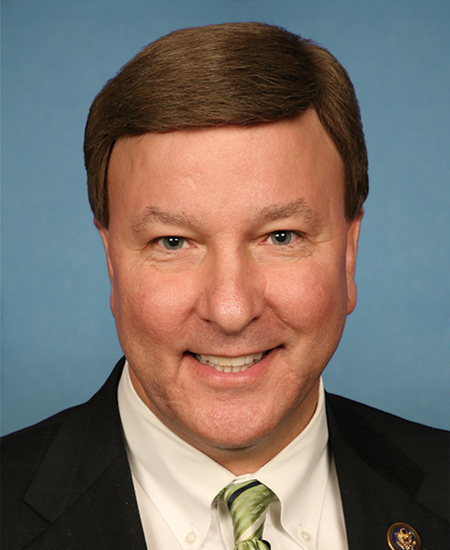
Mike Rogers
Mike Rogers House · District 3
R
Oppose
33% 6
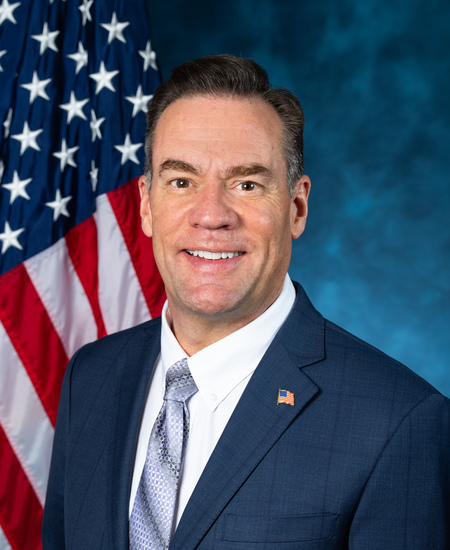
Russ Fulcher
Russ Fulcher House · District 1
R
Oppose
33% 6
Gregory F. Murphy
Gregory F. Murphy House · District 3
R
Oppose
33% 3
Wesley Hunt
Wesley Hunt House · District 38
R
Oppose
33% 3
Showing 51–60 of 295 bills

All labor & employment bills

in committee · United States · Senate Apr 28, 2026

S 4413: Protecting America’s Workers Act

The Protecting America's Workers Act expands workplace safety protections by including public employees and voluntary emergency responders under federal safety laws, while also strengthening whistleblower safeguards against retaliation. Key provisions require employers to report serious work-related injuries and deaths, mandate the posting of employee rights, and establish a process for victims and families to participate in enforcement proceedings. The bill also increases civil and criminal penalties for safety violations, improves oversight of state safety plans, and authorizes additional funding for training and hazard evaluations.
in committee · United States · House May 15, 2026

HR 8868: Restoring Overtime Pay Act of 2026

The Restoring Overtime Pay Act of 2026 raises the minimum salary required for certain employees to be exempt from federal overtime pay rules, starting at $45,000 per year and increasing annually until it reaches $75,000 by 2029. The bill also mandates that this threshold automatically updates each year to match the 55th percentile of weekly earnings for full-time salaried workers nationwide, with adjustments taking effect based on Bureau of Labor Statistics data. Additionally, the law modifies the duties test for exemption, requiring that at least 20 percent of an employee's time be spent on executive or administrative tasks rather than the current 40 percent standard. These changes directly affect employers and workers covered by the Fair Labor Standards Act by redefining eligibility for overtime exemptions and establishing a new mechanism for adjusting salary requirements over time.
in committee · United States · House May 21, 2026

HR 9008: Worker Rights and Support Act

The Worker Rights and Support Act amends the Fair Labor Standards Act to require employers to provide specific break times for employees, directly affecting workers covered under federal wage and hour laws. Under the new rules, employees must receive at least a 30-minute meal break for every six hours worked, along with a 10-minute break or time to use a restroom for every four hours, and up to 20-minute breaks for medical needs. While meal breaks can be unpaid if the employee is fully relieved of work, any break where the employee remains on duty or cannot leave the site must be paid at a rate of at least one and a half times their regular wage. The bill also allows employees to voluntarily waive meal breaks but prohibits employers from forcing them to do so, and it ensures that existing collective bargaining agreements or state laws offering better protections remain in effect.
in committee · United States · House Apr 16, 2026

HR 8335: PROTECT Act of 2026

The PROTECT Act of 2026 modifies rules for H-1B visa petitions to ensure higher wages and stricter oversight for third-party work arrangements. It requires employers to pay H-1B workers at least the higher of the local market rate or $100,000, adjusted annually for inflation, and limits visas for those working at third-party sites to a maximum of one year unless the job assignment is clearly defined and long-term. Additionally, the bill mandates that visa petitions offering higher compensation be prioritized for approval regardless of filing date. A separate provision exempts health care workers from certain filing fees if the employer can prove they made a good faith effort to hire a U.S. citizen or permanent resident before bringing in foreign staff. These changes apply to all H-1B visa petitions filed on or after the date the law is enacted.
in committee · United States · House Apr 23, 2026

HR 8484: Hazard Pay for Health Care Heroes Act

The Hazard Pay for Health Care Heroes Act establishes a grant program to provide financial compensation and safety resources to essential health care workers during declared emergencies or disasters. This legislation directly affects medical providers, support staff, and other frontline workers whose jobs cannot be performed remotely, such as orderlies and janitors in health care settings. Under the bill, eligible facilities can receive federal funds to pay workers an additional hourly rate of up to $13 for hazardous duties, with a yearly cap of $25,000 per employee, while also allowing funds for protective equipment and alternative transportation. The program is triggered by various federal or state emergency declarations and authorizes the necessary funding to implement these hazard pay measures.
in committee · United States · House Apr 21, 2026

HR 8418: Know Your Labor Rights Act

This bill, known as the Know Your Labor Rights Act, requires employers to post notices about employee labor rights in both physical and digital formats where employee notices are typically displayed. It mandates that employers inform new employees about these rights and provides the National Labor Relations Board with the authority to enforce compliance through orders and civil penalties. The maximum penalty for each violation is set at $500, and the Board must publicly share the notice forms and texts at no cost to employers. These changes directly affect employers and employees by increasing transparency around labor rights and establishing clearer enforcement mechanisms.
in committee · United States · House Apr 14, 2026

HR 8272: To classify qualified locum tenens professionals and advanced care practitioners as independent contractors for the purposes of the Fair Labor Standards Act of 1938 and the National Labor Relations Act.

This bill classifies certain temporary healthcare professionals, including qualified locum tenens professionals and advanced care practitioners, as independent contractors. This classification applies specifically for the purposes of the Fair Labor Standards Act and the National Labor Relations Act. To qualify, these individuals must provide temporary physician or advanced care practitioner services for up to one continuous year at a single site, under a written contract acknowledging their independent contractor status. Eligible professionals include physicians, nurse practitioners, physician's assistants, and certified registered nurse anesthetists.
in committee · United States · House Jul 21, 2026

HR 8347: RURAL Healthcare Act

The RURAL Healthcare Act proposes to reclassify certain temporary healthcare professionals as independent contractors for the purposes of federal labor laws. It specifies that qualified locum tenens professionals and advanced care practitioners, such as physicians, nurse practitioners, and physician's assistants, would not be considered employees under the Fair Labor Standards Act or the National Labor Relations Act. This reclassification applies if they provide temporary services for up to one continuous year at a site and operate under a written contract stating they are not employees. The bill directly affects these healthcare providers and the facilities that contract for their temporary services.
in committee · United States · House Mar 24, 2026

HR 8046: Food and Nutrition Delivery Safety Act of 2026

This bill establishes safety and security standards for online platforms and delivery services that accept Supplemental Nutrition Assistance Program benefits. It requires the Food and Nutrition Service to create rules for digital privacy, cybersecurity, fair working conditions including prevailing wages, and food safety for stores and wholesalers participating in the program. Retailers must report their compliance with these standards within 18 months of the rules being finalized, and noncompliance could result in losing authorization to accept SNAP benefits. The legislation aims to protect users and workers while ensuring food safety in the growing digital food assistance landscape.
in committee · United States · Senate Mar 26, 2026

S 4271: Support our Firefighters Act

The Support our Firefighters Act establishes mandatory rest and recuperation leave for federal wildland firefighters working for the Forest Service and Department of the Interior. The bill requires these employees to take paid leave after completing specific deployment periods, such as 3 days after 14 days of work or 4 days after 21 days of work, with policies set jointly by the Secretaries of Agriculture and the Interior. Additionally, the legislation allows up to $5 million in unspent wildfire management funds to be transferred between the two departments to support ongoing salary increases for firefighters. The act also removes expiration dates on overtime pay provisions for wildland firefighters, ensuring these benefits continue indefinitely rather than being limited to specific years.
Showing 51 to 60 of 295 bills
Previous 1 5 6 7 30 Next