Issue · Labor & Employment

Labor & Employment (Collective Bargaining)

Every labor & employment bill, vote, and legislator stance in United States, automatically classified by Maddy, our AI policy reader.

Total bills
88
119th Congress
Top supporter
Adam Gray
100% support rate
Top opponent
Chip Roy
0% support rate
Ranked legislators
10
5 support · 5 oppose
Key legislators

Who's moving collective bargaining in United States

Legislators moving collective bargaining in United States
Legislator Party Stance Support rate Votes
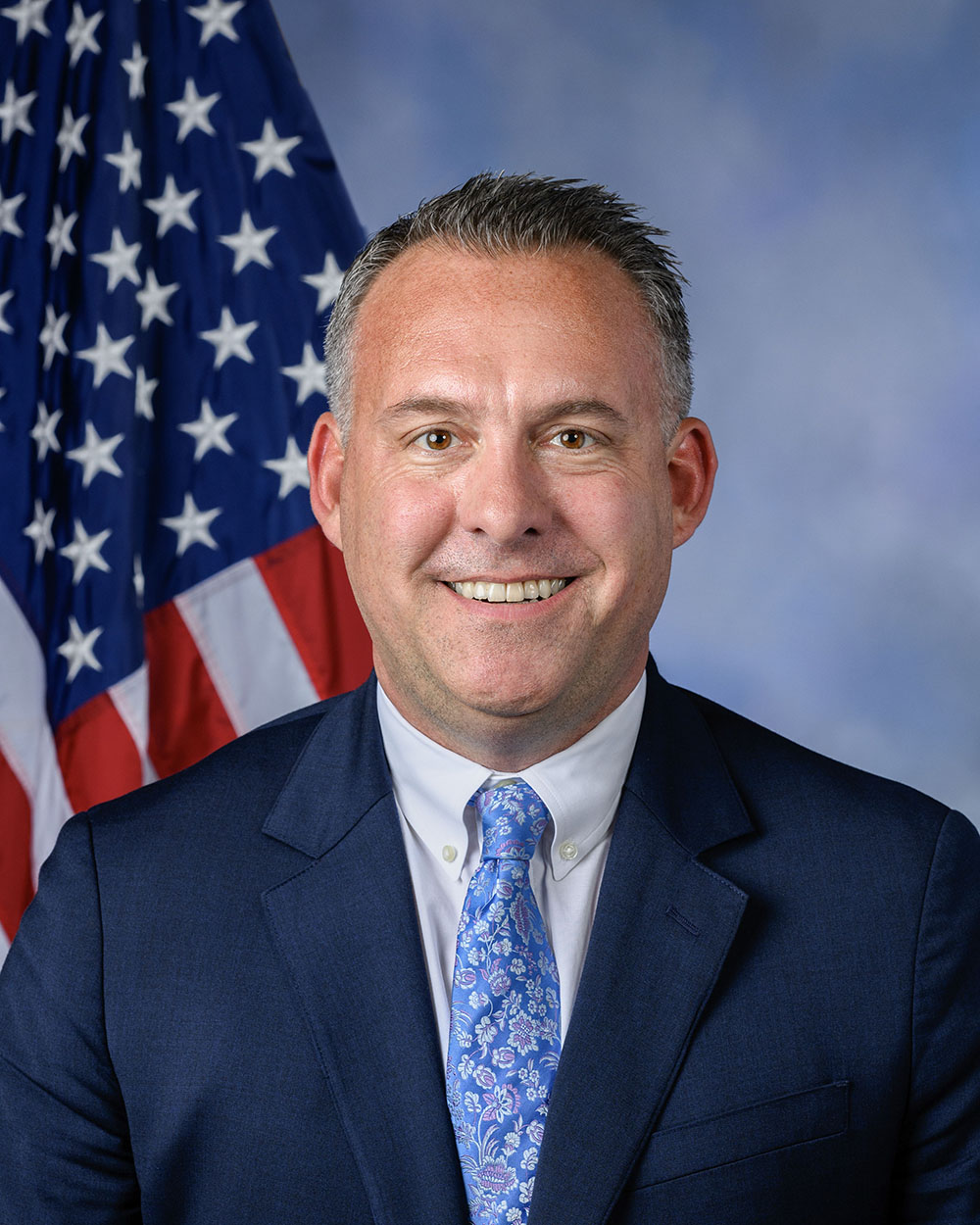
Adam Gray
Adam Gray House · District 13
D
Strong +
100% 7
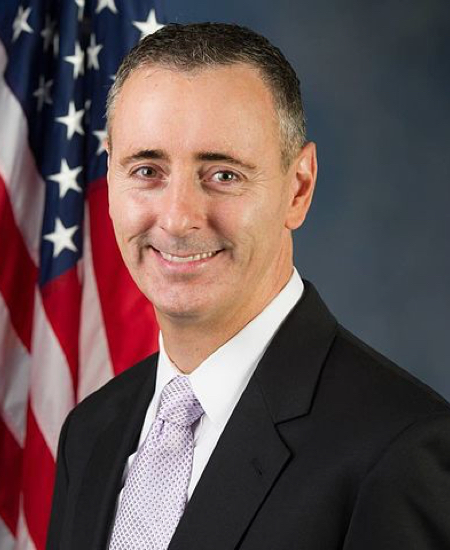
Brian K. Fitzpatrick
Brian K. Fitzpatrick House · District 1
R
Strong +
100% 7
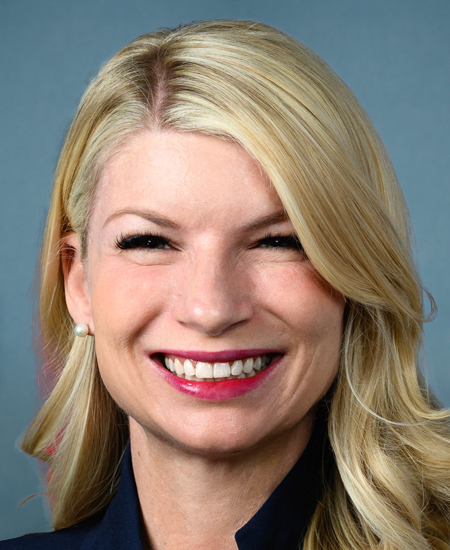
Brittany Pettersen
Brittany Pettersen House · District 7
D
Strong +
100% 7
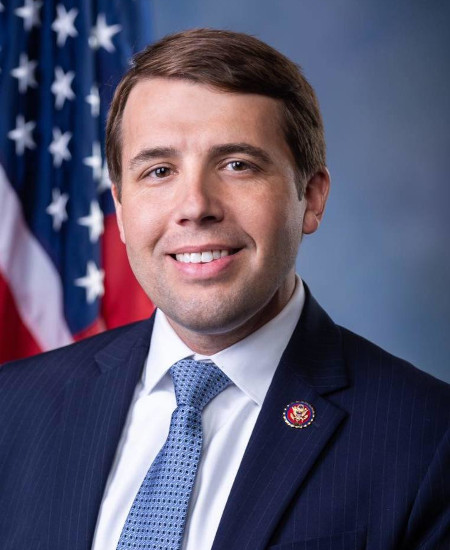
Chris Pappas
Chris Pappas House · District 1
D
Strong +
100% 7
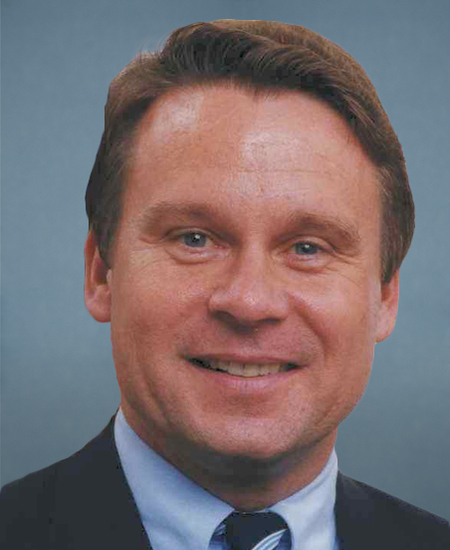
Christopher H. Smith
Christopher H. Smith House · District 4
R
Strong +
100% 7
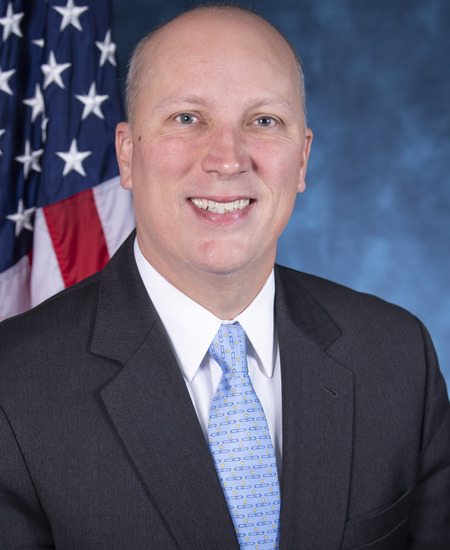
Chip Roy
Chip Roy House · District 21
R
Strong −
0% 7
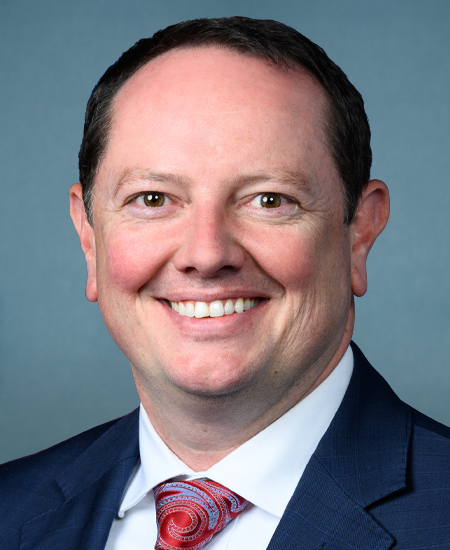
Eric Burlison
Eric Burlison House · District 7
R
Strong −
0% 7
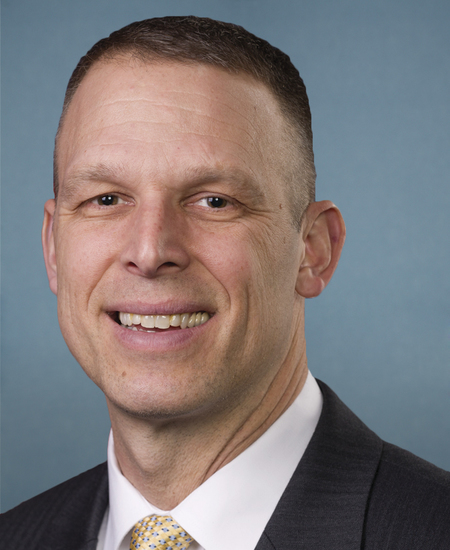
Scott Perry
Scott Perry House · District 10
R
Strong −
0% 7
Tom McClintock
Tom McClintock House · District 5
R
Strong −
0% 7
Celeste Maloy
Celeste Maloy House · District 2
R
Strong −
0% 6
Showing 51–60 of 88 bills

All labor & employment bills

in committee · United States · House Mar 11, 2025

HR 2086: Rights for the TSA Workforce Act

This bill requires the Transportation Security Administration (TSA) to transition its workforce from a special personnel management system to the standard federal personnel system under Title 5 of the U.S. Code by December 31, 2025. It protects TSA employees by ensuring no reduction in pay, benefits, or retirement rights during the transition, while preserving collective bargaining rights for screening agents. The legislation also mandates consultation with labor unions during the process and requires several reports on workforce issues including recruitment, harassment policies, and workplace safety.
in committee · United States · House Sep 4, 2025

HR 5159: Nationwide Right to Unionize Act

The Nationwide Right to Unionize Act (HR 5159) would repeal a federal provision allowing states to pass "right-to-work" laws, which currently prevent workers from being required to join a union or pay dues as a condition of employment. By removing this allowance, the bill would permit unions and employers to negotiate agreements requiring membership or dues in all states, including those with existing right-to-work laws. This change would directly affect workers and employers in the 27 states that currently have such laws. The bill focuses on eliminating state-level barriers to union security agreements without mandating union formation or membership.
in committee · United States · House Sep 15, 2025

HR 5350: FAIR Act of 2025

The FAIR Act of 2025 would prohibit companies from requiring pre-dispute arbitration agreements or waivers that prevent individuals from joining class or collective lawsuits in employment, consumer, antitrust, or civil rights cases. This directly affects workers, consumers, and small businesses who currently face forced arbitration for issues like workplace discrimination, product defects, or unfair business practices. The bill makes such agreements unenforceable while allowing voluntary arbitration after disputes arise and leaving collective bargaining agreements unaffected. It applies to all disputes occurring after the law takes effect, without changing how voluntary arbitration works post-dispute.
in committee · United States · House Apr 10, 2025

HRES 328: Expressing support for the staff of public, school, academic, and special libraries in the United States and the essential services those libraries provide to communities, recognizing the need for funding commensurate with the broad scope of social service and community supports provided by libraries, preserving the right of all citizens of the United States to freely access information and resources in their communities, supporting a strong union voice for library workers, and defending the civil rights of library staff.

HRES 328 is a non-binding House resolution expressing support for library staff and the essential services libraries provide to communities across the United States. It recognizes libraries as critical infrastructure for community access to information, internet, social services, and safe spaces - especially for underserved groups - and calls for full federal, state, and local funding to sustain these services. The resolution reaffirms the public’s right to free access to information, supports library workers’ rights to unionize and collectively bargain, and defends staff from threats like book bans or intimidation for upholding library missions. It specifically endorses National Library Week and urges protection of civil rights for library workers. (Note: As a procedural resolution, it does not create new law but formally expresses congressional support.)
passed · United States · House Dec 15, 2025

HR 2550: Protect America's Workforce Act

The Protect America's Workforce Act cancels an executive order issued on March 27, 2025, that excluded certain groups from federal labor-management relations programs, making it legally unenforceable. It also ensures that all collective bargaining agreements between federal agencies and labor unions, which were active as of March 26, 2025, remain fully effective until their agreed terms expire. This directly affects federal agencies, labor unions, and the employees covered by these agreements. The bill prevents federal funds from being used to implement the canceled executive order while preserving existing labor agreements.
in committee · United States · House May 21, 2025

HR 3532: Striking and Locked Out Workers Healthcare Protection Act

HR 3532, the Striking and Locked Out Workers Healthcare Protection Act, prohibits employers from terminating or altering an employee’s employer-sponsored health coverage during a lawful strike or a lockout (when an employer withholds work to influence bargaining). It directly affects workers participating in strikes or facing lockouts, ensuring continued healthcare access during these labor disputes. The bill adds penalties: $75,000 per violation for lockout-related coverage termination (up to $150,000 for repeat offenses), and $50,000 per violation for strike-related termination (up to $100,000 for repeat offenses), with penalties applied alongside other remedies. These provisions amend the National Labor Relations Act to protect workers’ healthcare rights during collective bargaining actions.
in committee · United States · Senate Feb 3, 2026

S 3766: Make Congress Drive Union Made Act

The Make Congress Drive Union Made Act requires that any motor vehicle purchased or leased using federal funds allocated to House Members' representational allowances or Senators' office expenses must be assembled in the United States by workers covered by a union contract. This means Congress members would need to choose vehicles made in the U.S. with union labor for official use, rather than non-union or foreign-made options. The rule applies to all new vehicle purchases or leases starting October 1, 2026. The bill does not affect other uses of these funds or impact public transportation.
in committee · United States · Senate Sep 11, 2025

S 2779: Tax Cut for Striking Workers Act of 2025

This bill would exclude certain union-provided payments to workers during strikes from taxable income. Specifically, it adds a new tax code section (139M) to exempt "qualified strike benefits" - payments from tax-exempt labor organizations (like unions) that replace lost wages during strikes, lockouts, or work stoppages arising from labor disputes - from gross income calculations. The change applies to compensation received after December 31, 2025, and also updates the Earned Income Tax Credit rules to include these excluded benefits. It directly affects union members who lose wages due to labor disputes and rely on union financial support during work stoppages.
in committee · United States · House Mar 10, 2025

HRES 208: Expressing solidarity with the New York State corrections officers striking for better working conditions.

HRES 208 is a non-binding House resolution expressing solidarity with New York State corrections officers who are striking over unsafe working conditions. It cites rising assaults on staff (2,070 in 2024), staffing shortages (down to 13,886 officers in 2025), and the HALT Act's restrictions on solitary confinement as key issues driving the strike. The resolution urges the New York State Legislature to repeal the HALT Act and condemns Governor Hochul's response to the strike. As a symbolic gesture, it does not create new law or directly affect policy.
in committee · United States · Senate Nov 6, 2025

S 3128: Worker Privacy Act

This bill amends the National Labor Relations Act to protect worker privacy during union elections. It requires employers to provide labor organizations with a voter list containing only employees' names and one optional contact detail (like email or phone number) within two business days of an election approval, in a searchable electronic format. The bill also prohibits labor organizations from selling or misusing this contact information for political purposes or after an election concludes. These provisions directly affect employers (who must provide lists), labor organizations (who receive and must handle data responsibly), and employees (whose personal information is protected).
Showing 51 to 60 of 88 bills
Previous 1 5 6 7 9 Next