Issue · Labor & Employment

Labor & Employment (Labor Standards)

Every labor & employment bill, vote, and legislator stance in United States, automatically classified by Maddy, our AI policy reader.

Total bills
295
119th Congress
Top supporter
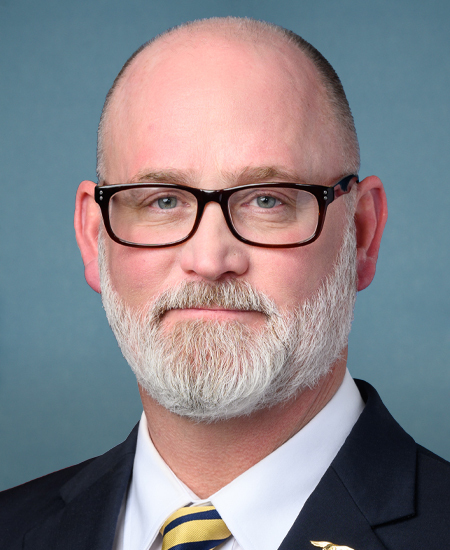
Derrick Van Orden
100% support rate
Top opponent
Julie Fedorchak
33% support rate
Ranked legislators
10
5 support · 5 oppose
Key legislators

Who's moving labor standards in United States

Legislators moving labor standards in United States
Legislator Party Stance Support rate Votes
Derrick Van Orden
Derrick Van Orden House · District 3
R
Strong +
100% 3
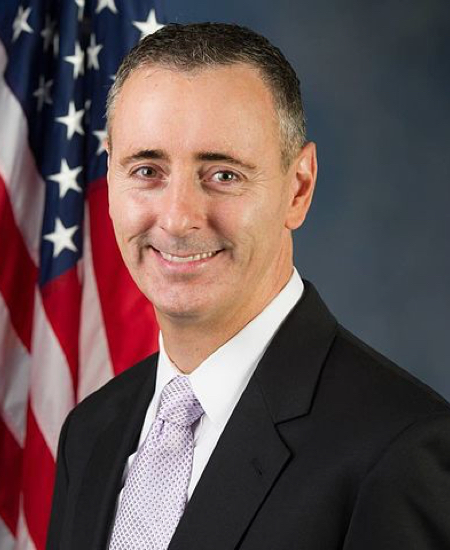
Brian K. Fitzpatrick
Brian K. Fitzpatrick House · District 1
R
Strong +
86% 7
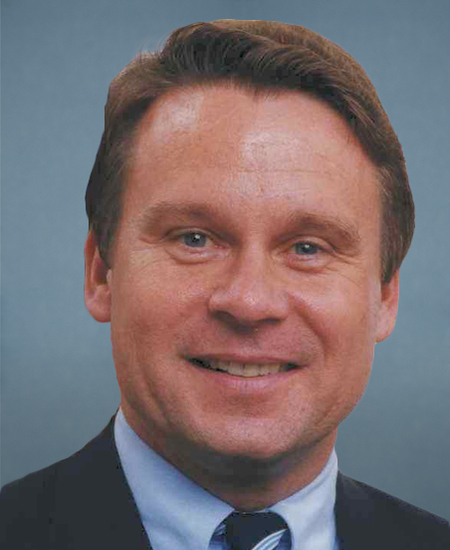
Christopher H. Smith
Christopher H. Smith House · District 4
R
Strong +
86% 7
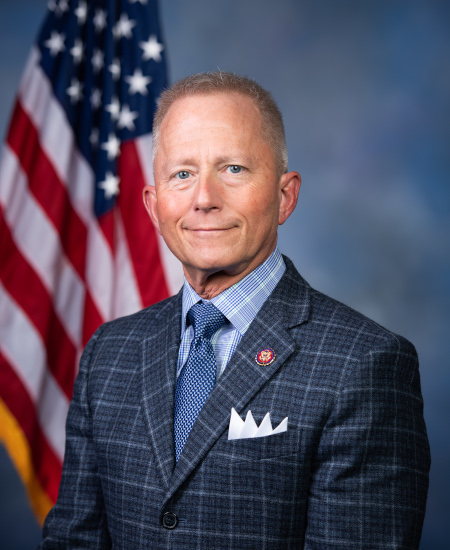
Jefferson Van Drew
Jefferson Van Drew House · District 2
R
Strong +
86% 7
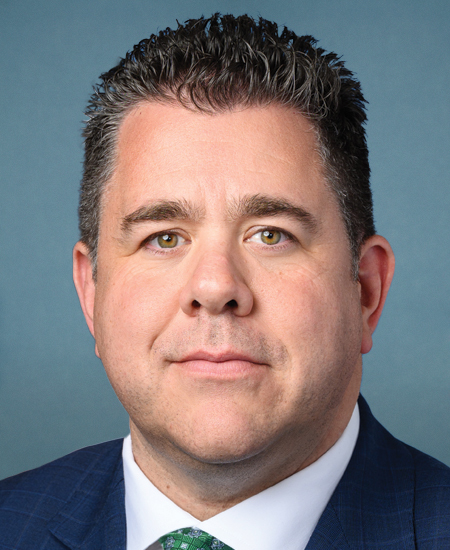
Nick LaLota
Nick LaLota House · District 1
R
Strong +
86% 7
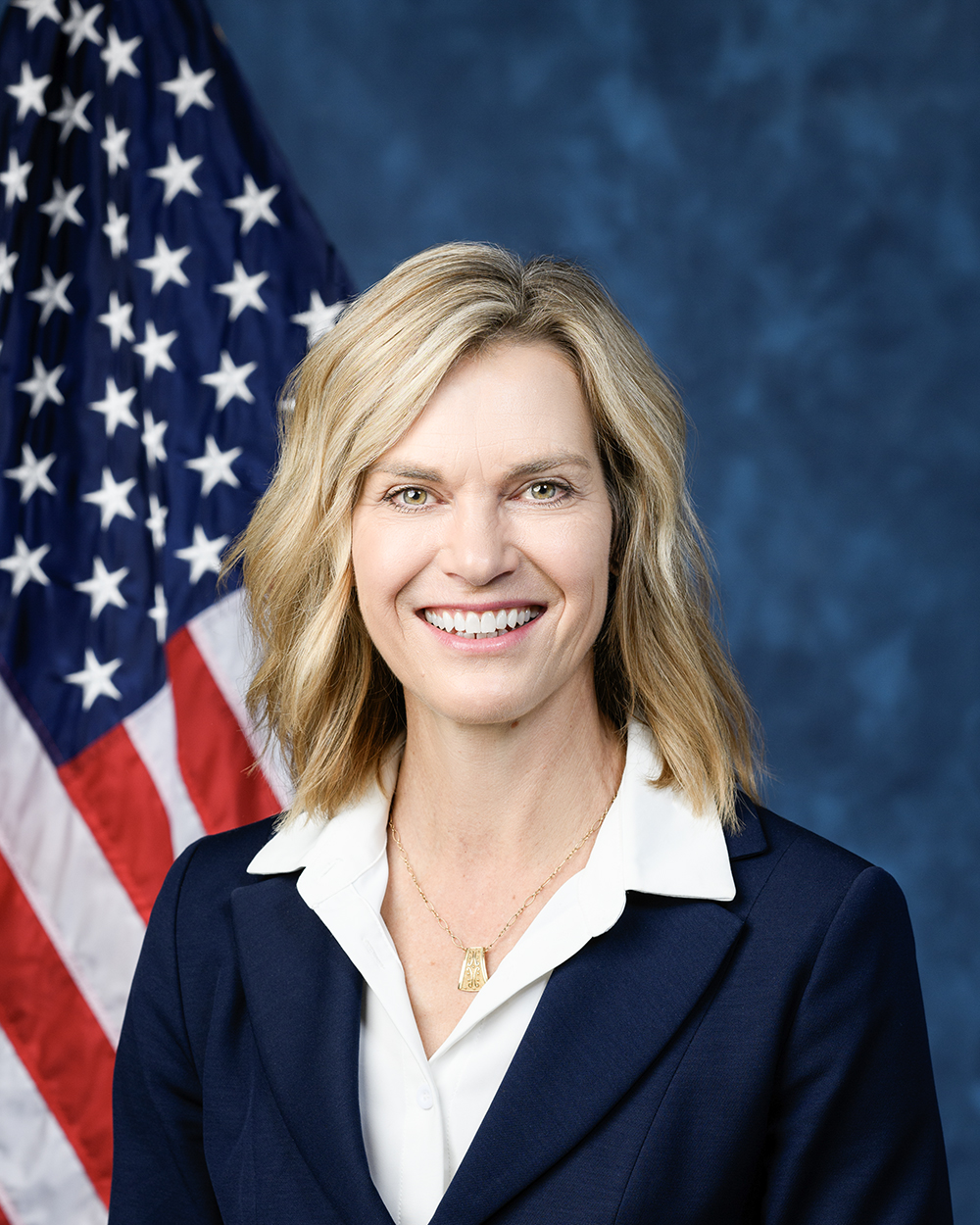
Julie Fedorchak
Julie Fedorchak House · District At-Large
R
Oppose
33% 6
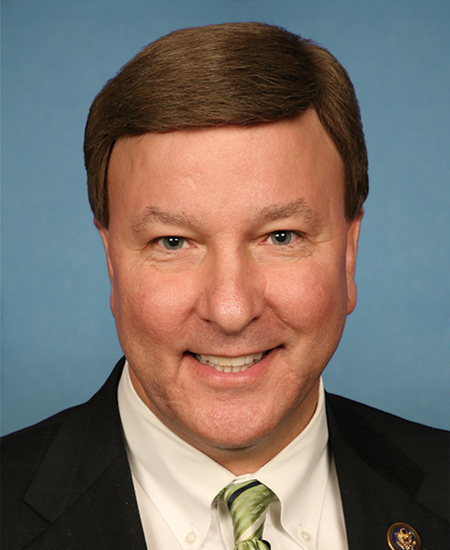
Mike Rogers
Mike Rogers House · District 3
R
Oppose
33% 6
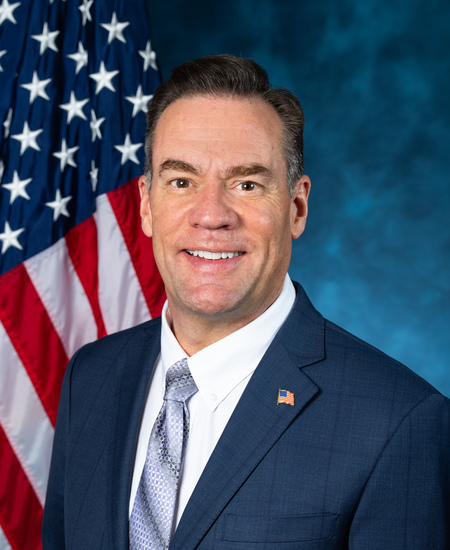
Russ Fulcher
Russ Fulcher House · District 1
R
Oppose
33% 6
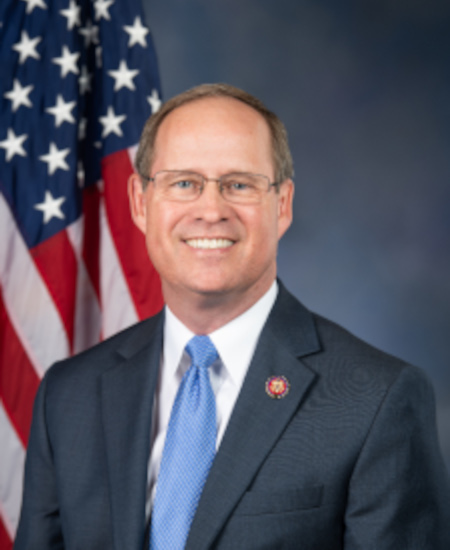
Gregory F. Murphy
Gregory F. Murphy House · District 3
R
Oppose
33% 3
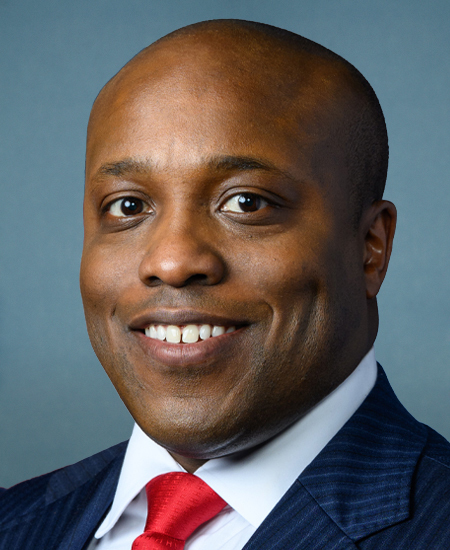
Wesley Hunt
Wesley Hunt House · District 38
R
Oppose
33% 3
Showing 231–240 of 295 bills

All labor & employment bills

in committee · United States · House Mar 5, 2025

HR 1859: Apprenticeship Opportunity Act

This bill requires states to ignore income earned during the first year of a registered apprenticeship when determining eligibility for Temporary Assistance for Needy Families (TANF) welfare benefits. It directly affects low-income individuals entering apprenticeships who might otherwise lose welfare support due to their first-year earnings. The law mandates states to disregard this income in eligibility calculations, with a penalty of a 1% reduction in federal TANF funding for states that fail to comply. The policy change takes effect in the first federal fiscal year after the bill becomes law, ensuring apprentices can maintain welfare access while starting their training.
in committee · United States · House Feb 21, 2025

HR 1505: Public Safety Employer-Employee Cooperation Act

HR 1505, the Public Safety Employer-Employee Cooperation Act, establishes federal standards for collective bargaining rights for public safety officers (including police, firefighters, and emergency medical personnel) in states that do not meet minimum requirements. The Federal Labor Relations Authority (FLRA) will determine after 180 days whether a state law "substantially provides" key rights, such as forming unions, negotiating wages/hours, and using binding arbitration to resolve disputes. If a state fails this assessment, federal bargaining rules apply within two years, but existing state laws with stronger protections remain valid. The bill explicitly respects state laws that exceed its standards and exempts small jurisdictions (under 5,000 population or 25 full-time employees).
in committee · United States · Senate Feb 5, 2025

S 408: Job Protection Act

This bill expands access to job-protected leave under the Family and Medical Leave Act (FMLA) by reducing the required employment duration from 12 months to 90 days for most workers. It also broadens coverage to apply to all employers, regardless of size (down from the previous 50+ employee threshold), affecting nearly all private and public sector workers. Key provisions include modifying FMLA eligibility rules, adjusting federal employee leave requirements, and updating congressional employee provisions to align with the new 90-day standard. The changes apply to leave taken on or after the bill's enactment date.
in committee · United States · House Apr 28, 2025

HR 3036: Protecting America’s Workers Act

The Protecting America's Workers Act (HR 3036) strengthens workplace safety protections for all employees, including public sector workers and voluntary emergency responders, by expanding coverage under the Occupational Safety and Health Act. Key provisions include enhanced whistleblower protections against retaliation for reporting safety concerns, mandatory employer reporting of work-related injuries and deaths, and increased civil penalties for violations (up to $70,000 per violation). The bill also establishes new rights for victims and families of workplace incidents, requiring employers to preserve evidence after fatalities, and creates procedures for faster resolution of safety complaints through improved inspection and enforcement mechanisms. These changes directly affect employers across all industries, employees reporting safety concerns, and families of workers injured or killed on the job.
in committee · United States · House Dec 11, 2025

HR 6646: Empowering App-Based Workers Act

The Empowering App-Based Workers Act requires digital labor platforms (like ride-hail and delivery services) to disclose how they use algorithms and electronic monitoring tools to determine worker pay and assignments. It caps the percentage of consumer payments that platforms can keep (take rate) at 25% for ride-hail services and mandates detailed weekly pay statements showing compensation, take rate, and other work metrics. The bill prohibits platforms from using algorithms to set different pay rates for similar work based on protected characteristics like race or gender. These provisions directly affect app-based workers, platform companies, and consumers, aiming to create more transparent and fair working conditions in the gig economy. The bill does not override existing state or local laws that provide greater protections for workers.
in committee · United States · House Jan 9, 2026

HR 7002: Justice for Exploited Children Act

HR 7002, the Justice for Exploited Children Act, amends the Fair Labor Standards Act to increase penalties for employers violating child labor laws involving minors under 18. It adds criminal penalties for repeated or willful violations, including fines up to $100,000 or 5 years in prison, and significantly higher fines for violations causing death or serious injury to child employees (up to $500,000 or 10 years imprisonment). Civil penalties are also raised, with minimum fines of $1,000 for standard violations and $50,000 for violations causing a child’s death (doubled for repeat or willful cases). The bill directly affects employers who violate child labor protections, aiming to strengthen enforcement through steeper financial and criminal consequences.
in committee · United States · House Mar 10, 2025

HR 2007: Salary Transparency Act

The Salary Transparency Act (HR 2007) requires most employers to disclose the pay range for open positions in job postings or upon request before discussing compensation, and to share the pay range for current employees at hire and annually. It prohibits employers from retaliating against workers or applicants who ask for pay information or exercise these disclosure rights. Employers violating the law face civil penalties up to $10,000 per violation and must pay employees statutory damages of $1,000-$10,000 per violation, plus legal fees. This directly affects employers covered by the Fair Labor Standards Act and job seekers seeking transparent pay information.
in committee · United States · Senate Jul 31, 2025

S 2613: Warehouse Worker Protection Act

The Warehouse Worker Protection Act creates new requirements for employers in specific warehouse facilities (defined by industry codes including 493, 423, 424, 454110, and 492110) that use performance quotas. It requires employers to provide written descriptions of quotas and workplace surveillance practices to workers, prohibits quotas that interfere with breaks, safety compliance, or discrimination protections, and gives workers the right to access their performance data. The bill mandates 15-minute paid rest breaks every 4 hours and establishes protections against retaliation for workers who exercise these new rights. Enforcement will be handled by the Department of Labor's new Fairness and Transparency Office and the Federal Trade Commission, with civil penalties for violations. This bill directly affects warehouse workers and employers in the warehousing, distribution, and delivery sectors.
in committee · United States · Senate Jul 28, 2025

S 2469: College Athlete Right to Organize Act

The College Athlete Right to Organize Act (S 2469) would recognize college athletes receiving athletic scholarships as employees under federal labor law, granting them the right to form unions and negotiate collectively with their schools and athletic conferences. It defines a "college athlete employee" as any student participating in intercollegiate sports who receives direct financial aid (like a scholarship) for that participation, and establishes multiemployer bargaining units allowing athletes across competing schools in the same conference to collectively bargain. The bill prohibits schools from requiring athletes to waive these rights in scholarship agreements and clarifies that the law does not change how athletic scholarships are taxed or affect eligibility for federal student aid.
in committee · United States · Senate May 15, 2025

S 1792: AI Whistleblower Protection Act

This bill protects employees and independent contractors who report AI-related security risks or violations. It prohibits employers from retaliating against workers who disclose AI security vulnerabilities (like potential theft of AI systems) or AI violations (such as unsafe development practices) to regulators, Congress, or internal supervisors. Covered individuals can seek remedies like reinstatement, double back pay, and legal fees through the Labor Department or federal court if retaliated against. The law explicitly blocks employers from requiring arbitration or waiving these protections through contracts.
Showing 231 to 240 of 295 bills
Previous 1 23 24 25 30 Next