
Issue · Labor & Employment

Labor & Employment

Every labor & employment bill, vote, and legislator stance in United States, automatically classified by Maddy, our AI policy reader.

Total bills
1
119th Congress
Top supporter
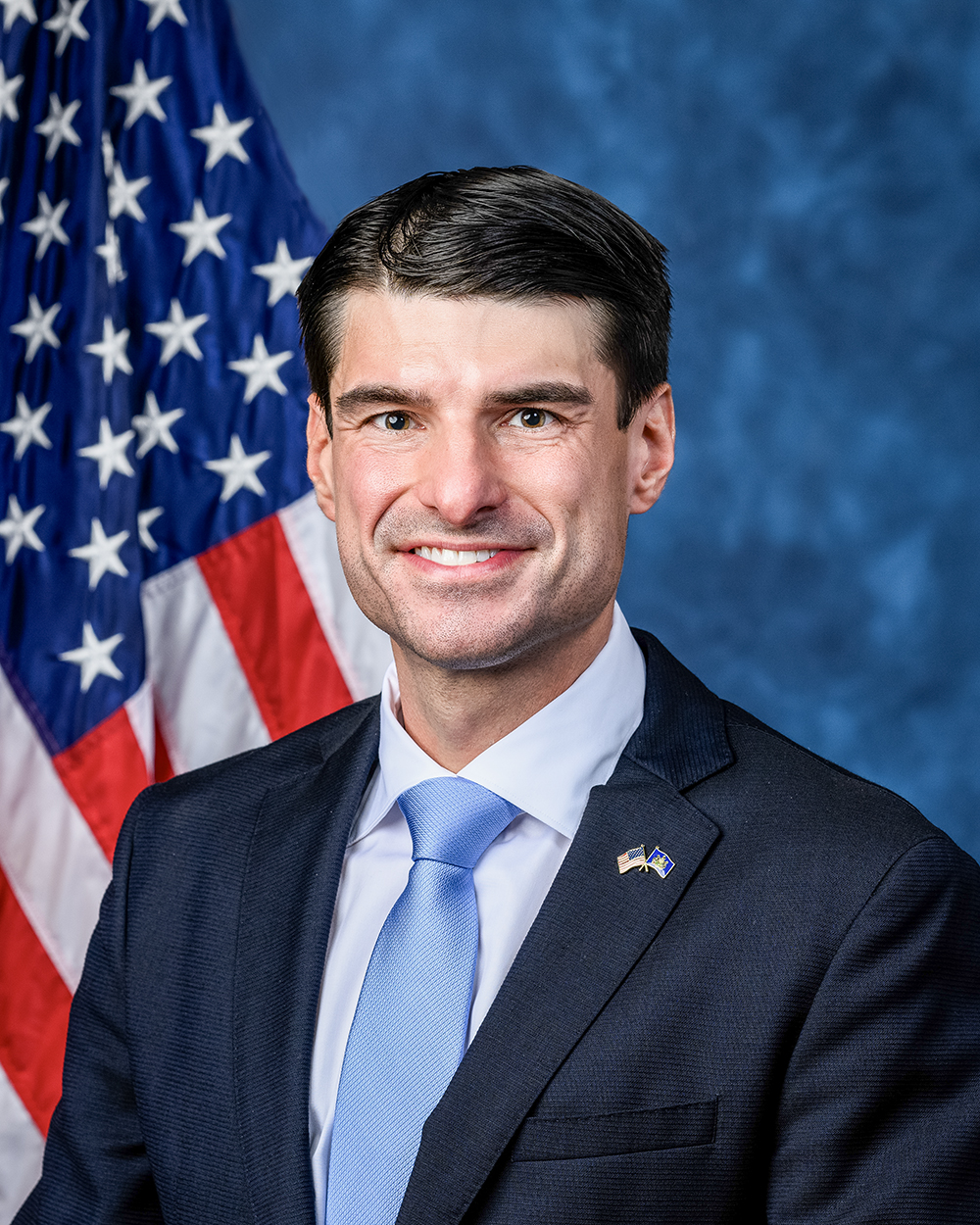
Brian K. Fitzpatrick
93% support rate
Top opponent
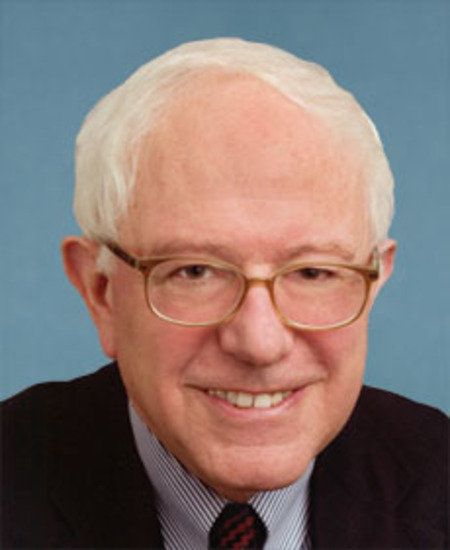
Bernard Sanders
23% support rate
Ranked legislators
10
5 support · 5 oppose
Key legislators

Who's moving labor & employment in United States

Legislators moving labor & employment in United States
Legislator Party Stance Support rate Decisive votes
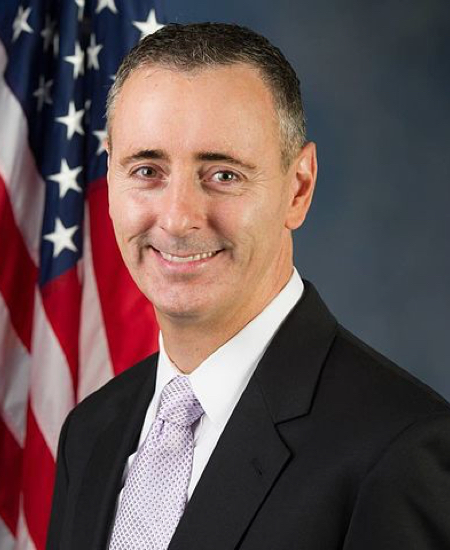
Brian K. Fitzpatrick
Brian K. Fitzpatrick House · District 1
R
Strong +
93% 14
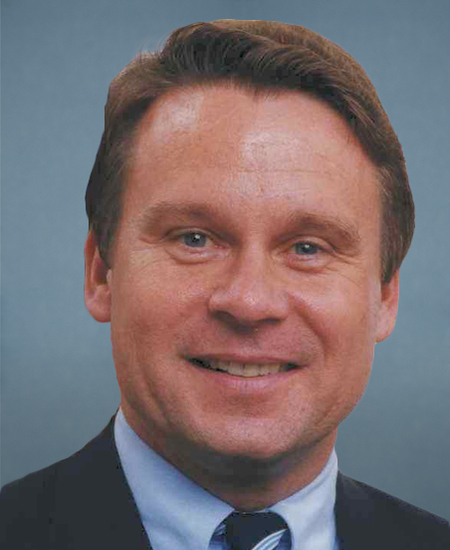
Christopher H. Smith
Christopher H. Smith House · District 4
R
Strong +
93% 14
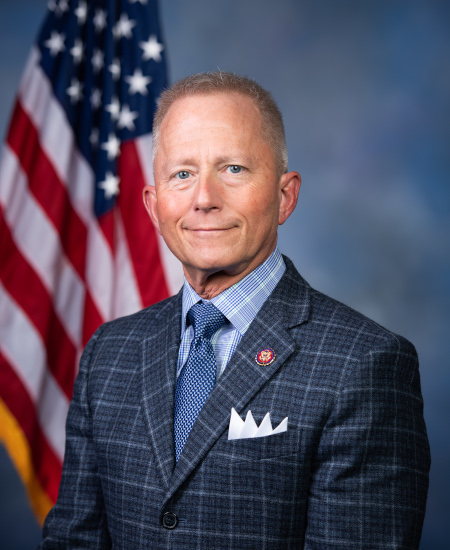
Jefferson Van Drew
Jefferson Van Drew House · District 2
R
Strong +
93% 14
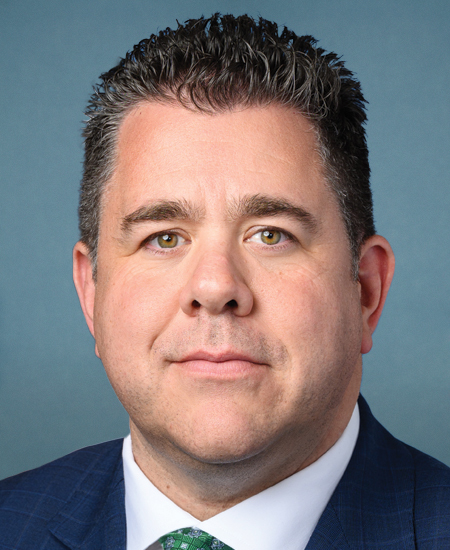
Nick LaLota
Nick LaLota House · District 1
R
Strong +
93% 14
Robert P. Bresnahan, Jr.
Robert P. Bresnahan, Jr. House · District 8
R
Strong +
93% 14
Bernard Sanders
Bernard Sanders Senate
I
Oppose
23% 13
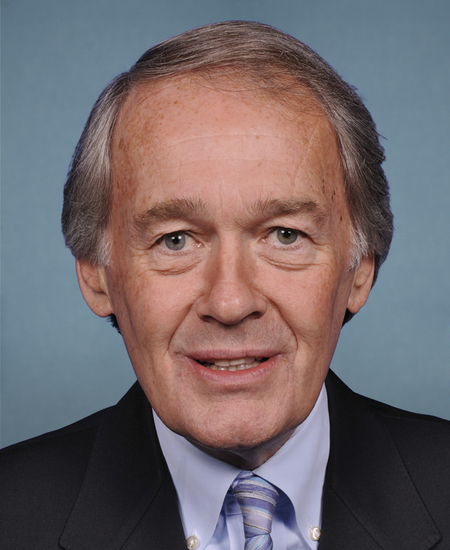
Edward J. Markey
Edward J. Markey Senate
D
Oppose
23% 13
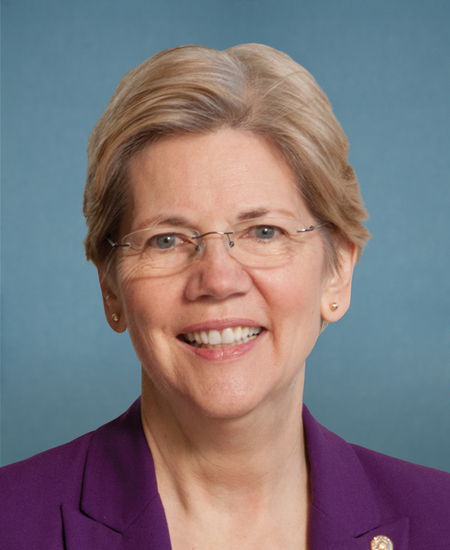
Elizabeth Warren
Elizabeth Warren Senate
D
Oppose
23% 13
Lisa Blunt Rochester
Lisa Blunt Rochester Senate
D
Oppose
23% 13
Rand Paul
Rand Paul Senate
R
Oppose
25% 12
Showing 1 of 1 bills

All labor & employment bills

in committee · United States · Senate Sep 24, 2026

S 4668: Protect College Sports Act of 2026

The Protect College Sports Act of 2026 establishes new rules to protect student athletes and regulate college sports broadcasting by amending existing federal laws. It requires colleges and athletic associations to allow athletes to earn money from their name, image, and likeness without losing eligibility, while mandating that athletes disclose agreements worth more than $600 annually. The bill also introduces stricter health and safety standards, including independent medical authority for return-to-play decisions and expanded medical coverage for injuries sustained during competition. Additionally, it creates a new commission to study the future of college athletics and modifies broadcasting laws to ensure local market access for games and prevent large conferences from merging in ways that reduce the number of participating schools.