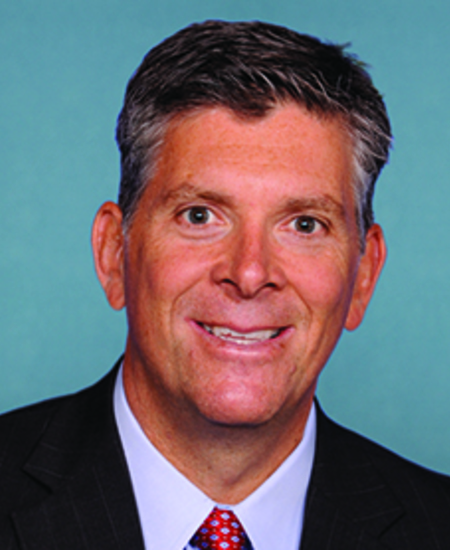
This bill requires the Bureau of Prisons to fully implement all recommendations from a 2023 Inspector General report on inmate-on-staff sexual harassment and assault within 90 days of enactment. It mandates the Bureau to provide updated data on such incidents from 2022-2025, which the Inspector General must analyze to assess prevention efforts and punishment practices. The Attorney General must then create national standards for preventing, reducing, and punishing these incidents within one year of receiving the analysis. The bill directly affects federal prison staff, including correctional officers, by establishing concrete requirements to improve their safety and address systemic data gaps.
This bill extends the authorization for a Social Security demonstration project aimed at helping disabled individuals return to work until December 31, 2031. It updates the project's rules to allow a longer 120-day waiting period for benefits, adds specific evaluation metrics to track success, and ensures that participants' total income will not decrease due to their involvement in the program. The changes also clarify that administrative costs for the project will be covered by existing Social Security administration funds, while benefits paid to participants will come from the Federal Disability Insurance Trust Fund. These provisions are set to take effect on January 1, 2027, providing a longer timeframe for testing new employment support strategies.
This resolution expresses support for the Working Families Tax Cuts, a law already enacted in July 2025 that provides various tax benefits to American taxpayers. The bill directly affects individuals and families by recognizing specific provisions that reduce tax liability, including expanded child tax credits, increased standard deductions, and tax relief for tipped workers and overtime pay. Key provisions include making a four-person household earning under $73,000 generally face zero federal income tax, increasing the child tax credit to $2,200 per child, and allowing 529 accounts to cover K-12 and trade school expenses. The resolution also acknowledges tax relief for seniors, auto loan interest deductions for American-made vehicles, and expanded health savings account access. This is a procedural measure that formally acknowledges existing tax policies rather than creating new legislation.
This bill amends the Fair Labor Standards Act to exclude the value of employer-provided child or dependent care services from overtime pay calculations. It directly affects employers who offer such care benefits, allowing them to exclude the cost of these services when determining overtime wages for eligible employees. The key change adds a new exclusion (paragraph (9)) to the overtime calculation rules, meaning the value of childcare or elder care provided by an employer is no longer counted toward an employee's regular rate for overtime purposes. The change applies to overtime pay required for workweeks beginning after the bill's enactment date.
HR 2096, the "Protecting Our Nation’s Capital Emergency Act," aims to address rising crime in Washington, D.C., by reversing specific District of Columbia police policies. It directly affects Metropolitan Police Department officers and civilian employees by restoring two key provisions: (1) the right for officers to negotiate discipline matters through collective bargaining, and (2) the statute of limitations for claims against police personnel. The bill repeals related sections of the 2022 D.C. Comprehensive Policing and Justice Reform Act, which had previously limited these rights. These changes are intended to improve police recruitment and retention amid staffing shortages and rising crime rates.
HR 758 requires the Postal Service to create rules for reporting traffic crashes involving mail delivery vehicles that cause injury or death. Postal employees and contractors operating mail transport vehicles must report such crashes within 3 days, including details like location, injuries, fatalities, and contributing factors. The Postal Service will maintain an internal database of these reports and publish an annual public summary showing trends without identifying individuals. This aims to improve transparency about safety incidents in mail delivery operations, with penalties like fines or contract termination for contractors who miss reporting deadlines.