Issue · Immigration

Immigration (Citizenship & Naturalization)

Every immigration bill, vote, and legislator stance in United States, automatically classified by Maddy, our AI policy reader.

Total bills
134
119th Congress
Top supporter
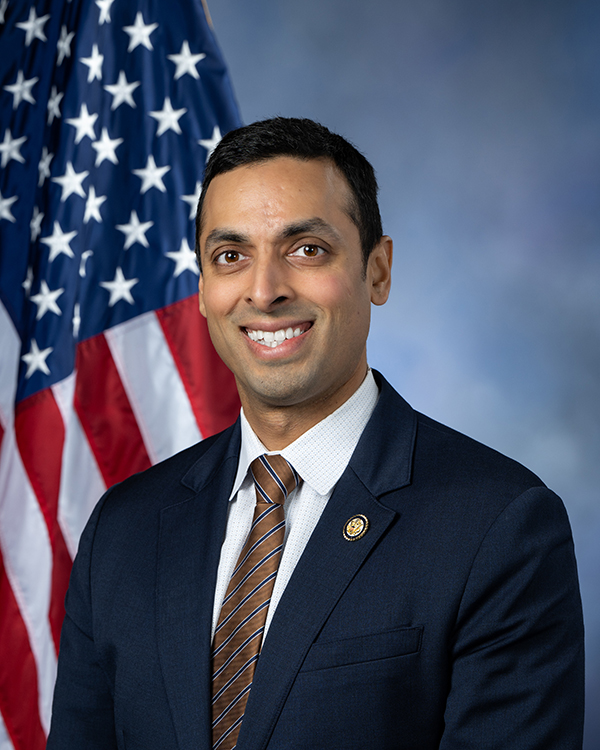
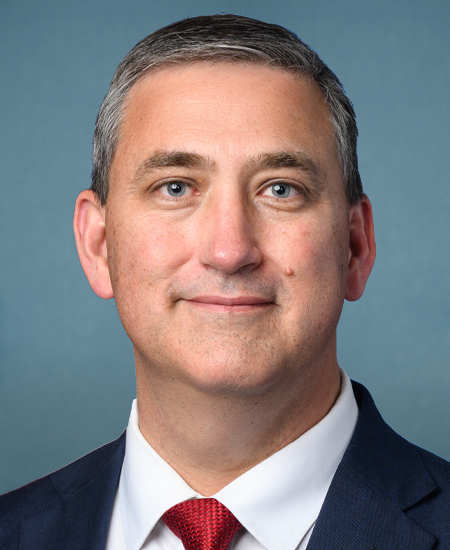
Suhas Subramanyam
100% support rate
Top opponent
Ronny Jackson
0% support rate
Ranked legislators
10
5 support · 5 oppose
Key legislators

Who's moving citizenship & naturalization in United States

Legislators moving citizenship & naturalization in United States
Legislator Party Stance Support rate Decisive votes
Suhas Subramanyam
Suhas Subramanyam House · District 10
D
Strong +
100% 4
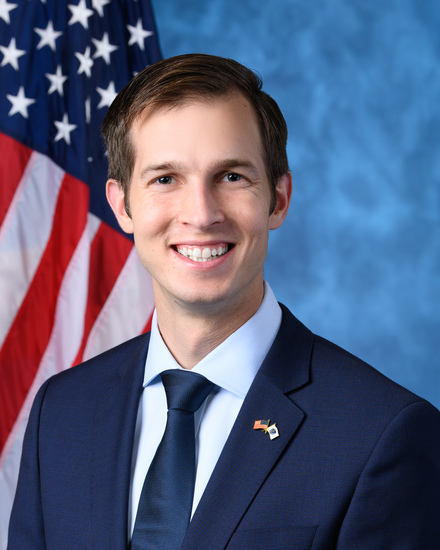
Jake Auchincloss
Jake Auchincloss House · District 4
D
Strong +
100% 3
Jimmy Gomez
Jimmy Gomez House · District 34
D
Strong +
100% 3
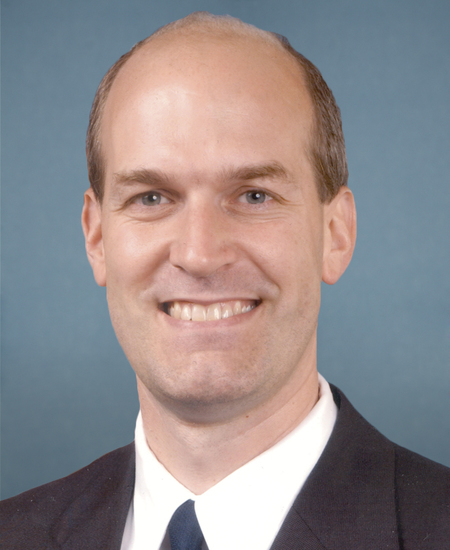
Rick Larsen
Rick Larsen House · District 2
D
Strong +
100% 3
Seth Moulton
Seth Moulton House · District 6
D
Strong +
100% 3
Ronny Jackson
Ronny Jackson House · District 13
R
Strong −
0% 5
Glenn Grothman
Glenn Grothman House · District 6
R
Strong −
0% 4
Michael A. Rulli
Michael A. Rulli House · District 6
R
Strong −
0% 4
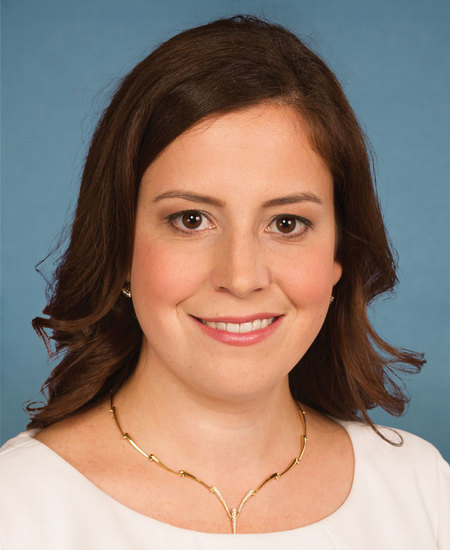
Elise M. Stefanik
Elise M. Stefanik House · District 21
R
Strong −
0% 3
Nathaniel Moran
Nathaniel Moran House · District 1
R
Strong −
0% 3
Showing 71–80 of 134 bills

All immigration bills

in committee · United States · House Mar 3, 2025

HR 1772: Designation of English as the Official Language of the United States Act of 2025

HR 1772 designates English as the official language of the United States federal government, requiring all official government functions (like laws, regulations, and public proceedings) to be conducted in English. It directly affects federal agencies, naturalization processes (mandating English ceremonies and language standards for new citizens), and government communications. Key exceptions include language teaching, disability education, national security needs, census activities, and protections for Native American languages under existing law. The bill does not restrict the use of other languages in private settings or ban bilingual services for essential government functions. It amends U.S. Code to establish these requirements, with implementation set for 180 days after enactment.
in committee · United States · House Jul 23, 2025

HR 4741: Constitutional Citizenship Clarification Act of 2025

This bill would amend U.S. immigration law to exclude from birthright citizenship children born in the United States to parents who are unlawfully present in the country, serving as foreign diplomats, or engaged in hostile operations (such as espionage or terrorism). It directly affects the citizenship status of children born to undocumented immigrants and certain foreign agents. The key mechanism adds specific exceptions to Section 301(a) of the Immigration and Nationality Act, explicitly stating that such children are not "subject to the jurisdiction" of the United States. The bill claims to codify existing common law exceptions but creates new legal categories for exclusion beyond current practice.
in committee · United States · Senate Jul 29, 2025

S 2526: Fight for the American Dream Act

This bill, S 2526 (Fight for the American Dream Act), allows young immigrants protected by Deferred Action for Childhood Arrivals (DACA) to enlist in the U.S. military by amending eligibility rules to include those with valid employment authorization under DACA. It also updates naturalization rules for service members, clarifying that military service in the Selected Reserve or active duty qualifies for citizenship and adjusting geographic references to include American Samoa and certain Pacific territories. The bill directly affects DACA-eligible individuals seeking military service and service members pursuing citizenship, removing a key barrier to enlistment and streamlining the naturalization process. These changes are specific legal updates to Title 10 (military) and the Immigration and Nationality Act, without altering DACA status or broader immigration policy.
in committee · United States · House Feb 24, 2025

HR 1547: SSA Reform Act of 2025

HR 1547 (SSA Reform Act of 2025) requires the Department of Homeland Security to notify the Social Security Administration within 180 days of any change in an individual's citizenship, immigration status, or work authorization. This triggers a requirement for the Social Security Administration to suspend benefits for non-citizens or non-nationals during months they lack valid status, as specified in Section 4(a). The bill also mandates annual joint reports from DHS and SSA detailing notification volumes, processing times, fraud prevention effectiveness, and data-sharing challenges. It directly affects immigrants holding Social Security numbers who lose citizenship or work authorization, restricting their access to Social Security, Medicare, Medicaid, and other benefits administered by the SSA during affected periods.
in committee · United States · House May 13, 2025

HR 3368: Born in the USA Act of 2025

HR 3368, the "Born in the USA Act of 2025," prohibits federal funding for Executive Order 14160 (which aimed to restrict birthright citizenship for children born in the U.S.). The bill directly affects federal agencies that might implement the executive order by blocking their use of funds for that purpose. Its key provision is a funding ban targeting the executive order and any similar future policies, without changing citizenship law. The bill does not alter birthright citizenship rights but prevents federal resources from being used to enforce the controversial executive order. It is a procedural measure focused on funding, not a substantive policy change to citizenship rules.
in committee · United States · House Jan 21, 2026

HR 7167: Make It Count Act

HR 7167 (Make It Count Act) requires the 2030 decennial census to include a citizenship status checkbox (citizen, U.S. national, lawful resident, or undocumented) and mandates that noncitizens be excluded from population counts used to apportion congressional seats and allocate electoral votes. Starting with the 2030 census, states would use adjusted population figures (excluding noncitizens) for redistricting congressional districts. The bill also restricts states from redrawing congressional districts more than once between censuses unless required by court orders under voting rights laws. These changes apply to the 2030 census and subsequent redistricting cycles.
in committee · United States · House Feb 6, 2025

HR 1053: Filipino Veterans Family Reunification Act of 2025

HR 1053, the Filipino Veterans Family Reunification Act of 2025, exempts certain family members of eligible Filipino veterans from annual U.S. immigrant visa limits. It directly affects adult children and spouses of Filipino veterans who served in U.S. military during WWII and were naturalized under two specific historical programs: the 1940 naturalization law for WWII veterans or the 1990 Immigration Act provision. The bill adds a new exemption to the Immigration and Nationality Act, allowing these family members to qualify for visas under existing categories (like family-based preference categories) without competing for limited annual visa numbers. This change aims to streamline family reunification for descendants of veterans who met the historical naturalization criteria.
in committee · United States · Senate Jun 29, 2025

S 2205: Equal Representation Act

This bill requires adding a citizenship checkbox to the 2030 and future decennial censuses, asking respondents about their U.S. citizenship status for themselves and all household members. It mandates that the Census Bureau publicly release each state's total citizen and noncitizen population counts within 120 days after each census. The bill then changes how congressional representation is calculated by excluding noncitizens from the population numbers used to apportion House seats and electoral votes starting with the 2030 census. This directly affects how states' representation in Congress and the Electoral College is determined based on citizen population counts rather than total population.
in committee · United States · House Mar 18, 2026

HR 5688: Non-Domiciled CDL Integrity Act

HR 5688, the Non-Domiciled CDL Integrity Act, changes rules for issuing commercial driver's licenses (CDLs) to people who don't live in the state where the license is issued. It allows states to issue CDLs to foreign nationals with lawful U.S. immigration status and work-related visas (valid for up to one year or until their stay ends), requiring states to verify status before issuing and keep records for two years. For residents of U.S. territories like Puerto Rico, it requires proof of U.S. citizenship or permanent residency before issuing CDLs, with similar verification and record-keeping rules. The bill directly affects commercial drivers from foreign countries and U.S. territories seeking CDLs in states where they are not residents.
in committee · United States · House Nov 18, 2025

HR 6071: Safer Truckers Act of 2025

HR 6071, the Safer Truckers Act of 2025, requires commercial driver's license (CDL) applicants to be U.S. citizens, lawful permanent residents, or authorized by U.S. Citizenship and Immigration Services to work in the U.S. driving commercial vehicles. This directly affects individuals seeking to operate trucks or other commercial motor vehicles. The bill adds this residency and work authorization requirement to existing CDL eligibility rules and mandates that states submit annual reports to the federal government detailing how they enforce English-language proficiency for commercial drivers. These reports must be submitted within 180 days of the bill's enactment and by December 31 each year thereafter. The law aims to establish clearer eligibility standards and oversight for commercial truck drivers.
Showing 71 to 80 of 134 bills
Previous 1 … 7 8 9 … 14 Next