Issue · Immigration

Immigration (Enforcement)

Every immigration bill, vote, and legislator stance in United States, automatically classified by Maddy, our AI policy reader.

Total bills
293
119th Congress
Top supporter
Alan Armstrong
86% support rate
Top opponent
Catherine Cortez Masto
11% support rate
Ranked legislators
10
5 support · 5 oppose
Key legislators

Who's moving enforcement in United States

Legislators moving enforcement in United States
Legislator Party Stance Support rate Decisive votes
AA
Alan Armstrong Senate
R
Strong +
86% 29
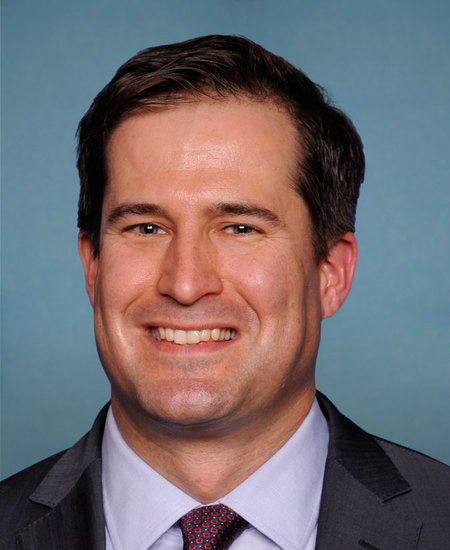
Seth Moulton
Seth Moulton House · District 6
D
Strong +
83% 12
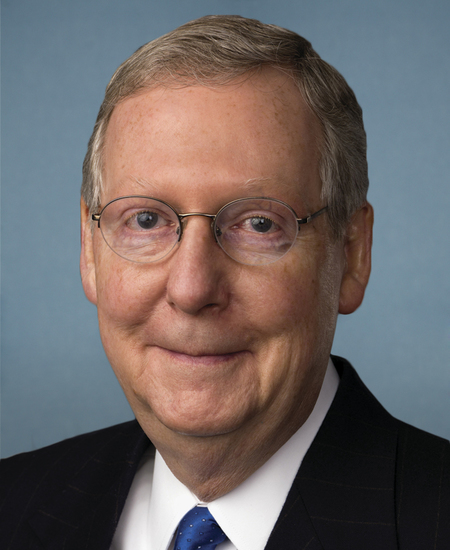
Mitch McConnell
Mitch McConnell Senate
R
Strong +
82% 33
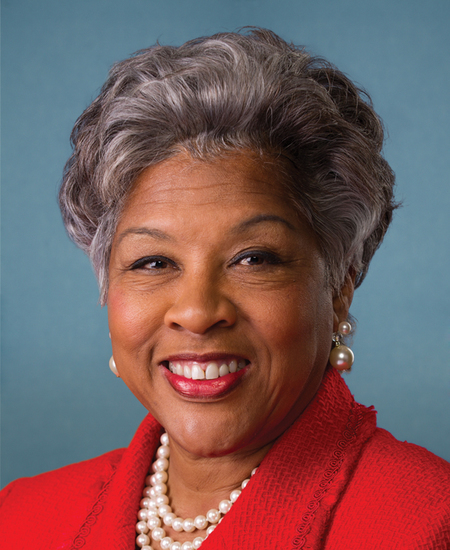
Joyce Beatty
Joyce Beatty House · District 3
D
Strong +
82% 11
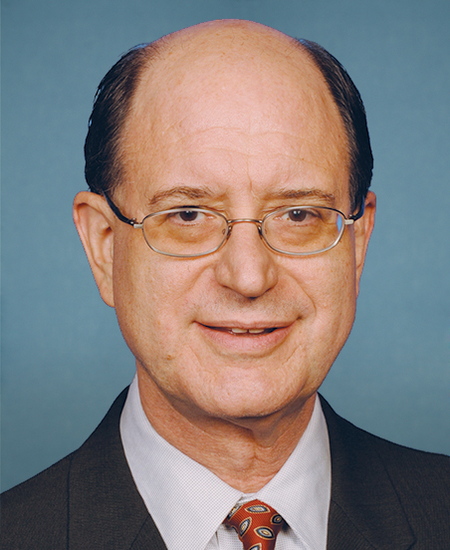
Brad Sherman
Brad Sherman House · District 32
D
Strong +
80% 15
Catherine Cortez Masto
Catherine Cortez Masto Senate
D
Strong −
11% 35
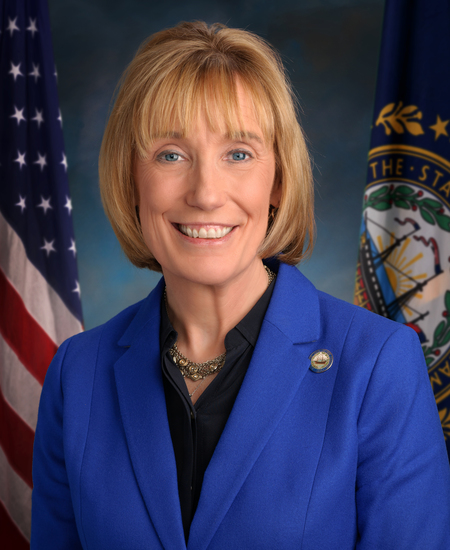
Margaret Wood Hassan
Margaret Wood Hassan Senate
D
Strong −
11% 35
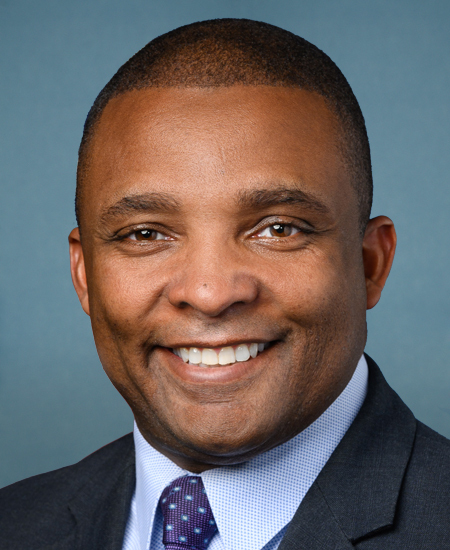
Donald G. Davis
Donald G. Davis House · District 1
D
Strong −
12% 17
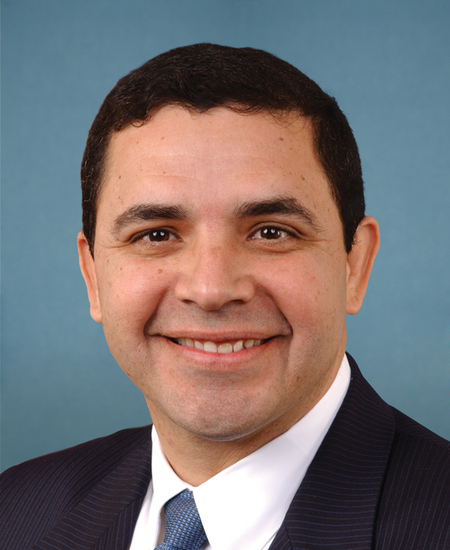
Henry Cuellar
Henry Cuellar House · District 28
D
Strong −
12% 17
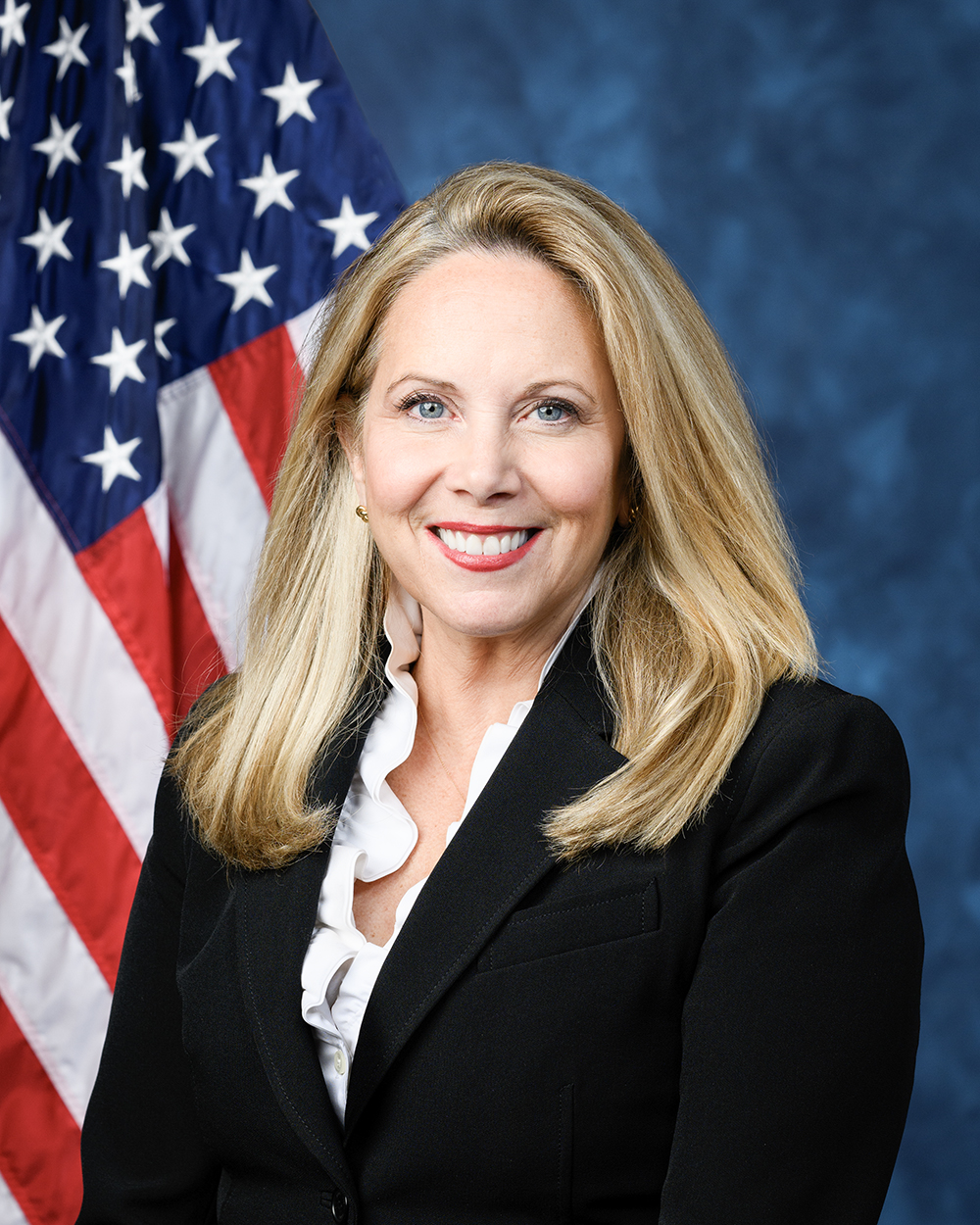
Laura Gillen
Laura Gillen House · District 4
D
Strong −
12% 17
Showing 41–50 of 293 bills

All immigration bills

in committee · United States · House Apr 10, 2026

HR 8223: RECOUP Act of 2026

The RECOUP Act of 2026 requires the Department of Homeland Security to pay local first responders for their time and resources when they assist federal immigration agents. Under this bill, agencies that help enforce immigration laws can submit detailed requests for reimbursement, which must include information about the number of officers involved, the duration of the response, and their pay rates. The law also mandates that the government protect the personal details of these responders and prohibits releasing that information without a court order. Funding for these payments would come from existing budgets allocated to immigration enforcement agencies, allowing the money to be used until January 2029.
in committee · United States · House May 20, 2026

HR 8941: No Housing Welfare for Illegal Aliens Act

This bill, titled the No Housing Welfare for Illegal Aliens Act, restricts federal housing assistance for individuals who are not U.S. citizens or permanent residents. It requires that all family members applying for assistance must be verified as eligible before any funds are released, preventing partial payments while checks are pending. Additionally, the legislation prohibits grants to states or local governments that provide housing help to undocumented immigrants or refuse to cooperate with federal immigration enforcement requests. These measures aim to limit access to specific federal housing programs for non-citizens and condition funding on compliance with immigration detention protocols.
in committee · United States · House May 15, 2026

HR 8847: Deporting Illegal Poachers Act

This bill, titled the Deporting Illegal Poachers Act, would make non-citizens who break hunting or fishing laws subject to deportation. It directly affects foreign nationals who have been convicted of, admitted to, or whose actions constitute violations of state or federal rules regarding licenses, seasons, bag limits, or protected species. Under the new provisions, these individuals would be considered inadmissible to the United States and deportable if found guilty of such offenses, regardless of whether the crime is classified as a misdemeanor or felony. The law applies to violations occurring in any jurisdiction, including Tribal and local areas, without requiring the offense to be labeled as a serious crime under federal standards.
in committee · United States · Senate Apr 16, 2026

S 4316: Sanctuary City Elimination Act

The Sanctuary City Elimination Act defines "sanctuary jurisdictions" as states or local areas that restrict cooperation with federal immigration authorities, such as refusing to share immigration data or honor detention requests. If a jurisdiction is classified as a sanctuary, the bill prohibits it from receiving various federal grants, including funding for education, environmental protection, economic development, and community housing projects. The legislation also provides a legal mechanism allowing state attorneys general to sue in federal court to recover these funds if a sanctuary jurisdiction releases an immigrant who subsequently commits a crime in another state. Additionally, the bill grants local law enforcement the authority to act as federal agents when complying with immigration detainers and offers them immunity from liability in lawsuits related to those actions.
in committee · United States · House Apr 30, 2026

HR 8628: End U Visa Abuse Act

The End U Visa Abuse Act proposes to completely eliminate the U visa program, which currently provides immigration benefits and work authorization to alleged crime victims and their family members. The bill is based on findings that the program has been exploited through fraud, including staged crimes and forged law enforcement certifications, leading to a massive backlog of over 400,000 pending applications. By repealing the specific sections of the Immigration and Nationality Act that create the U visa category, the legislation would remove the legal pathway for these individuals to obtain lawful status through this specific mechanism. The text argues that existing alternatives, such as S visas for witnesses or humanitarian parole, are sufficient to assist genuine victims without the risks of abuse associated with the current system.
in committee · United States · House May 13, 2026

HR 8805: ICE FROST Act

The ICE FROST Act provides financial incentives to immigration enforcement officers by offering a 25% supplemental payment to all covered employees and an additional 15% for those working in designated hazardous duty areas. These high-risk zones include major metropolitan areas such as Chicago, New York, and Los Angeles, with the authority to add or remove locations based on factors like violent crime levels and threats from criminal organizations. The bill also imposes a surcharge on remittance transfers sent to specific foreign countries or nations with high visa overstay rates, aiming to increase the cost of sending money to designated recipients.
Sub-Topics Enforcement
in committee · United States · House Apr 30, 2026

HR 8640: Non-Domiciled CDL Reporting Act

This bill requires state driver license agencies to report expiration dates and copies of non-domiciled commercial driver's licenses to the Federal Motor Carrier Safety Administration. The administration will then use a federal verification system to check if these drivers have unlawful presence in the United States and share that information with immigration officials if necessary. Additionally, the bill mandates annual reports to Congress detailing how many such licenses were flagged and where they were issued. States that fail to comply with these reporting requirements may face financial penalties under existing federal laws.
in committee · United States · House Apr 20, 2026

HR 8387: Measures Against Marxism’s Dangerous Adherents and Noxious Islamists Act of 2026

This bill restricts immigration and naturalization by adding new grounds for inadmissibility and deportation based on membership in or advocacy for specific political ideologies, including socialism, communism, Chinese communism, Marxism, and Islamic fundamentalism. It directly affects foreign nationals and permanent residents by making them ineligible for entry or citizenship if they have affiliated with or promoted these ideologies, with exceptions only for advocacy that occurred before age 14. The law defines these ideologies in detail and designates specific organizations as examples of each category, while also prohibiting court review of determinations made under these provisions. Additionally, the bill expands the grounds for revoking naturalized citizenship and requires the Attorney General to issue regulations implementing these changes.
signed · United States · Senate Jun 10, 2026

S 2: Secure America Act

The Secure America Act appropriates billions of dollars to U.S. Customs and Border Protection and Immigration and Customs Enforcement for fiscal year 2026 to expand staffing and operations. These funds are specifically designated for hiring agents to conduct functions other than immigration enforcement and customs duties, as well as for purchasing new technology to combat drug trafficking and improve border surveillance. The legislation includes restrictions that prohibit using the money to recruit processing coordinators after October 2028 and bans the deployment of untested autonomous surveillance towers. A portion of the funding is also set aside to hire investigators and analysts dedicated to identifying and rescuing victims of child sexual exploitation.
in committee · United States · House Apr 24, 2026

HR 8494: To prohibit the Department of Homeland Security from entering into, modifying, extending, or renewing, any contract or intergovernmental service agreement to establish or operate any new immigration detention model, including the use of warehouses, modular facilities, soft-sided structures, tent systems, and processing centers.

This bill prohibits the Department of Homeland Security from using federal funds to create or expand new immigration detention facilities, including warehouses, tents, and modular structures. It directly affects immigration enforcement agencies by banning the construction, renovation, or operation of non-traditional detention centers and preventing the transfer of funds to such projects. The legislation requires any money previously allocated for these facilities to be redirected toward affordable healthcare and housing services instead. Effective immediately upon enactment, the ban applies to all existing federal funds and prevents the use of current budgets for establishing or operating alternative detention models.
Showing 41 to 50 of 293 bills
Previous 1 … 4 5 6 … 30 Next