Issue · Immigration

Immigration (Enforcement)

Every immigration bill, vote, and legislator stance in United States, automatically classified by Maddy, our AI policy reader.

Total bills
437
119th Congress
Top supporter
Alan Armstrong
86% support rate
Top opponent
Catherine Cortez Masto
11% support rate
Ranked legislators
10
5 support · 5 oppose
Key legislators

Who's moving enforcement in United States

Legislators moving enforcement in United States
Legislator Party Stance Support rate Decisive votes
AA
Alan Armstrong Senate
R
Strong +
86% 29
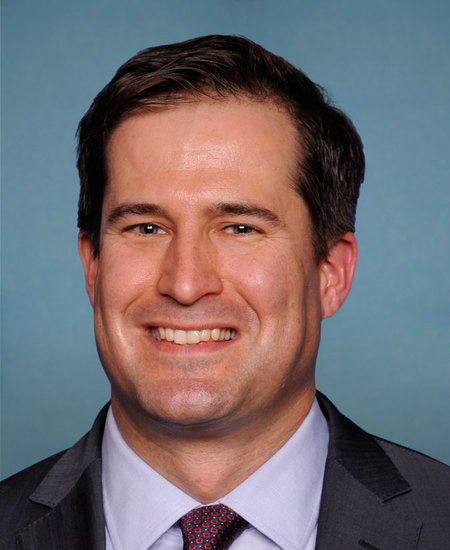
Seth Moulton
Seth Moulton House · District 6
D
Strong +
83% 12
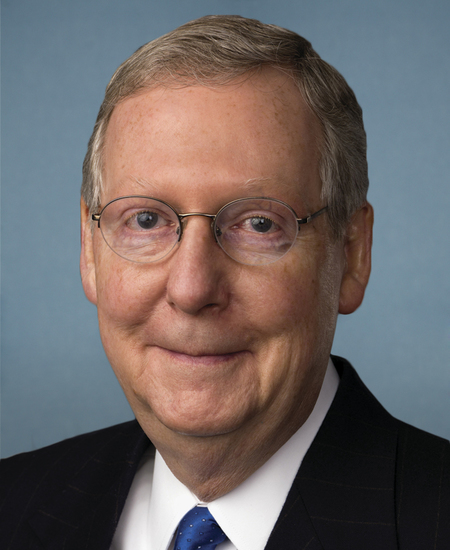
Mitch McConnell
Mitch McConnell Senate
R
Strong +
82% 33
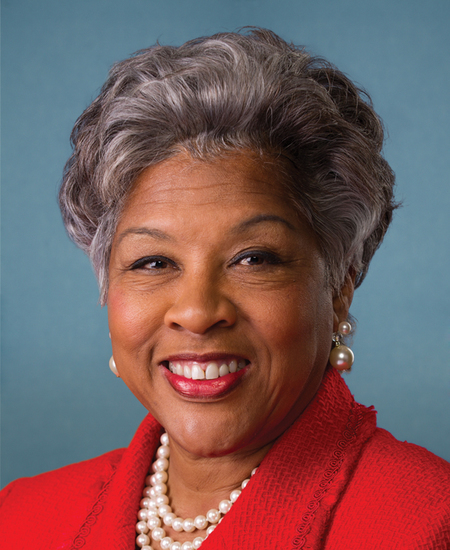
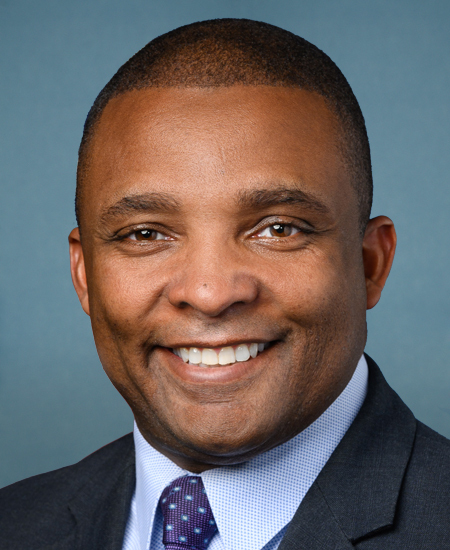
Joyce Beatty
Joyce Beatty House · District 3
D
Strong +
82% 11
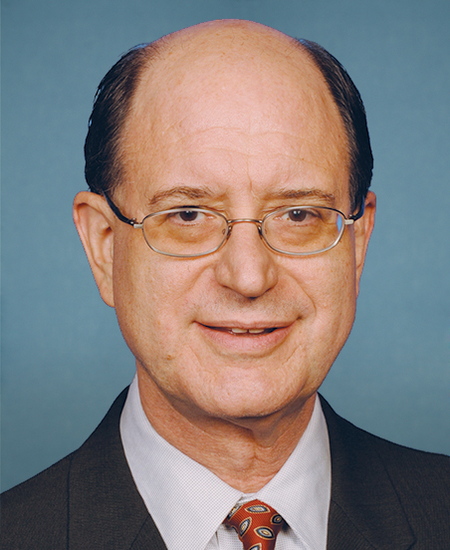
Brad Sherman
Brad Sherman House · District 32
D
Strong +
80% 15
Catherine Cortez Masto
Catherine Cortez Masto Senate
D
Strong −
11% 35
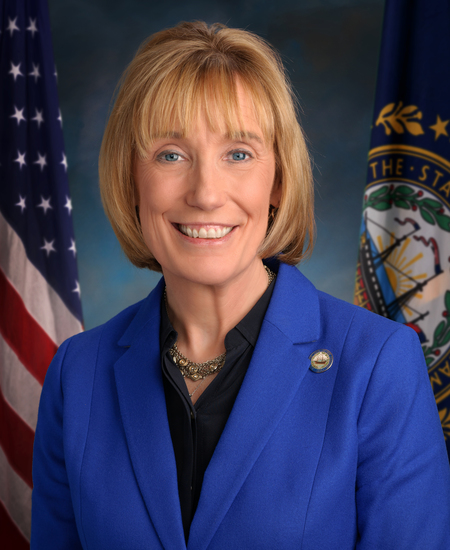
Margaret Wood Hassan
Margaret Wood Hassan Senate
D
Strong −
11% 35
Donald G. Davis
Donald G. Davis House · District 1
D
Strong −
12% 17
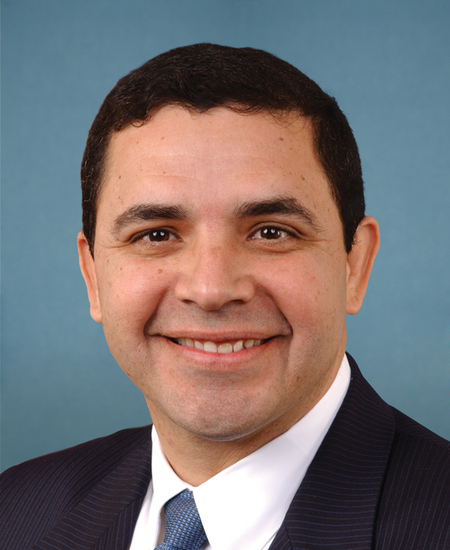
Henry Cuellar
Henry Cuellar House · District 28
D
Strong −
12% 17
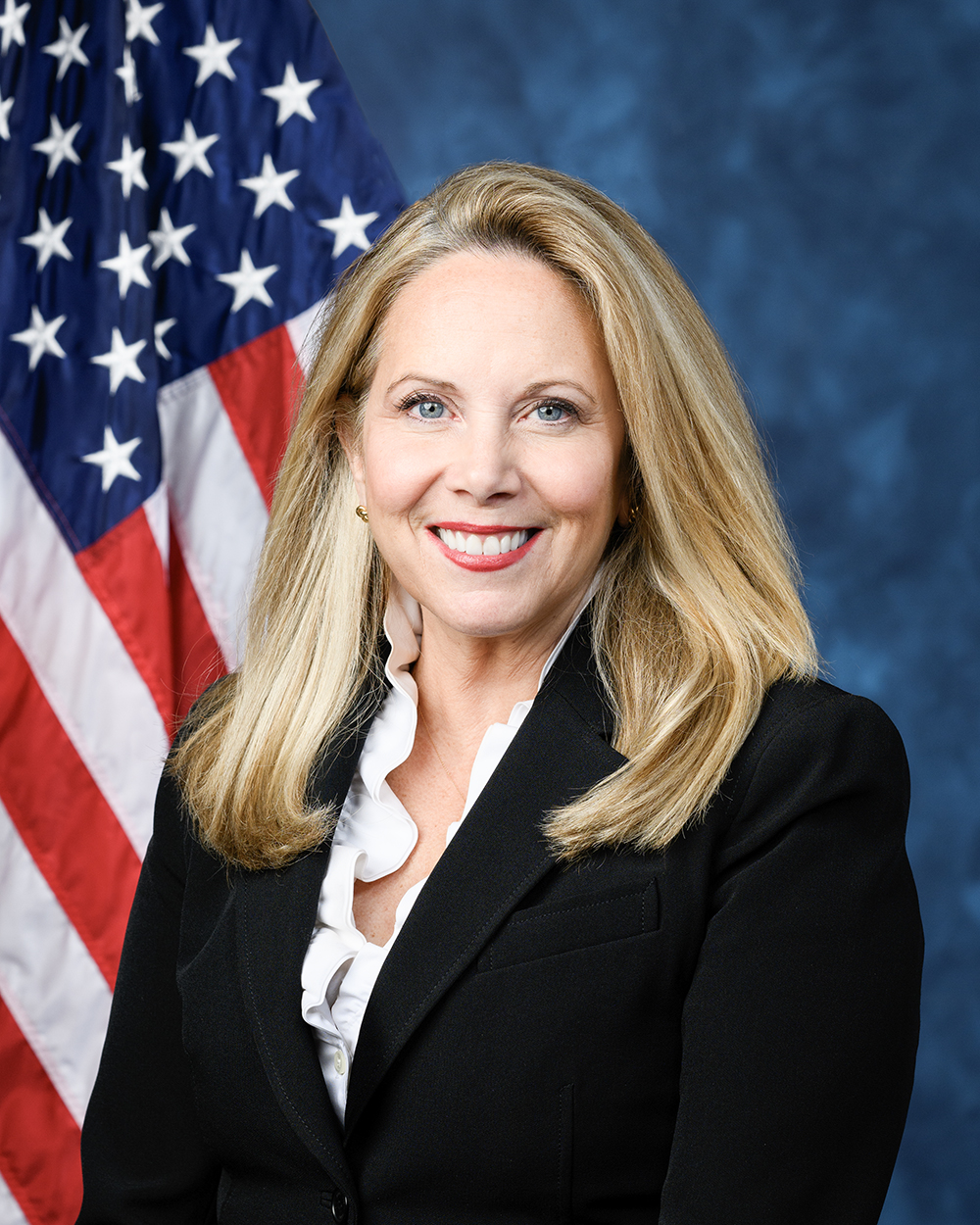
Laura Gillen
Laura Gillen House · District 4
D
Strong −
12% 17
Showing 391–400 of 437 bills

All immigration bills

in committee · United States · House Jul 16, 2025

HR 4456: Stop ICE from Kidnapping U.S. Citizens Act

This bill prohibits U.S. Immigration and Customs Enforcement (ICE) from using federal funds to detain or transport U.S. citizens during civil immigration enforcement actions. It directly affects ICE operations by blocking funding for any activity that would hold or move citizens outside the U.S. under immigration laws. The key mechanism is a specific funding restriction in the bill text, stating no funds may be used for detaining or transporting citizens. This applies to all civil immigration enforcement activities defined under the Immigration and Nationality Act. The bill does not create new enforcement powers but limits how existing funds can be spent.
in committee · United States · Senate Feb 26, 2026

S 3927: End Warehouse Detention Act

This bill (S 3927) prohibits the use of specific federal funds - allocated under Public Law 119-21 - to detain noncitizens in warehouse facilities. It directly affects U.S. Immigration and Customs Enforcement (ICE) and U.S. Customs and Border Protection (CBP) by banning the use of these funds to purchase warehouses for detention or to repurpose, operate, staff, or maintain existing ICE/CBP warehouses for holding noncitizens. The key provision blocks funding for any warehouse-based detention operations, effectively ending the practice of using commercial warehouse spaces for immigration detention. It applies to all current and future uses of these funds for such purposes. The bill does not alter immigration law but restricts how certain federal funds may be spent.
in committee · United States · Senate Feb 23, 2026

S 3894: Respect for Local Communities Act

This bill requires the Department of Homeland Security (DHS) to obtain explicit approval from local governments before building or operating new ICE detention centers or processing facilities. It mandates a 30-day public comment period, a signed written agreement with local officials and the state governor, and a congressional report before any new facility can proceed. The law directly affects DHS, local elected leaders (mayors, councils), and state governors by requiring their consent prior to facility construction or operation. Key provisions include public notice with detailed impact analysis, local government agreement, and mandatory reporting to specific congressional committees. This creates a formal process for community input on new immigration detention infrastructure.
in committee · United States · Senate Jan 28, 2025

S 271: Stop Illegal Reentry Act

S 271, the "Stop Illegal Reentry Act," increases penalties for immigrants who re-enter the U.S. after being denied entry, deported, or removed without authorization. It directly affects individuals previously removed or excluded from the U.S. who return without prior consent from the Secretary of Homeland Security. Key provisions include raising maximum prison terms to 10 years for re-entry after prior removals linked to drug crimes, violent offenses, or multiple removals, and mandating a minimum 5-year sentence for those convicted twice of re-entry or of serious crimes before removal. The bill also clarifies that "removal" includes agreements made during criminal trials, expanding the scope of affected individuals.
in committee · United States · House Feb 23, 2026

HR 7648: Local Taxpayer Protection Act of 2026

HR 7648, the Local Taxpayer Protection Act of 2026, provides federal grants to municipalities hosting or developing U.S. Immigration and Customs Enforcement (ICE) processing or detention facilities. The bill directly affects these municipalities by covering their lost property tax revenue and costs for public utilities (like water, electricity, and sewer systems) used by the ICE facilities. Grants, capped at the prior year's combined lost revenue and utility costs, are for 5 years with renewal options, and require applications detailing financial need, cost-benefit analysis, and other funding sources. Funds must offset specific costs, with a goal of making the facilities self-sufficient for utility use over time.
in committee · United States · House Dec 9, 2025

HR 6521: Immigration Court Due Process Protection Act of 2025

This bill prohibits Department of Homeland Security (DHS) officers from arresting or detaining immigrants at immigration court facilities during hearings or while arriving/departing for hearings, except with a judicial warrant. It applies to all pending immigration cases, appeals, and motions to reopen, covering anyone whose removal order isn't final. Exceptions allow arrests only to prevent imminent threats to life, safety, or national security. The bill also requires DHS to report scheduled check-in arrests to the Inspector General and mandates annual oversight reports to Congress on compliance.
in committee · United States · House Jan 3, 2025

HR 205: No Congressional Funds for Sanctuary Cities Act

This bill prohibits federal funds from being allocated as congressional earmarks (specific funding requests) to states or local governments designated as "sanctuary jurisdictions." A sanctuary jurisdiction is defined as any state or local area with policies that restrict sharing immigration status information or refuse to comply with Department of Homeland Security detainer requests. The law includes an exception for policies allowing cooperation with DHS when individuals are victims or witnesses in criminal cases. It applies to earmarks starting in fiscal year 2026, not general federal funding.
in committee · United States · Senate Dec 4, 2025

S 3348: Dream Act of 2025

The Dream Act of 2025 creates a pathway to conditional permanent resident status for individuals who entered the United States as children. To qualify, applicants must have been under 18 when entering the U.S., maintained continuous physical presence for at least 4 years prior to enactment, and meet educational, military service, or employment requirements. After obtaining conditional status (valid for 8 years), applicants must fulfill additional criteria - including earning a degree, serving in the Armed Forces, or working for 3 years - to remove the conditional status and obtain full permanent resident status. The bill includes specific documentation requirements, background checks, medical examinations, and strong confidentiality protections prohibiting use of application information for immigration enforcement purposes.
in committee · United States · Senate Feb 11, 2025

S 523: Protect Medicaid Act

The Protect Medicaid Act (S 523) prohibits federal Medicaid funds from covering administrative costs for health benefits provided to unauthorized immigrants. It directly affects states that currently offer Medicaid-like benefits to noncitizens ineligible due to immigration status, requiring them to fund these administrative costs themselves. The bill amends the Social Security Act to explicitly ban such federal spending and mandates an Inspector General report detailing how states separate costs, ensure compliance, and finance these programs (e.g., via provider taxes). The report must also analyze drug pricing impacts when unauthorized immigrants receive covered medications through Medicaid or 340B programs. This is a procedural change restricting federal funding, not altering eligibility for Medicaid benefits.
in committee · United States · House Jun 10, 2025

HR 3881: Stop Dangerous Sanctuary Cities Act

HR 3881, the "Stop Dangerous Sanctuary Cities Act," denies certain federal grants to states or localities that restrict sharing immigration status information or comply with federal immigration detainers. Specifically, it defines "sanctuary jurisdictions" as those with policies prohibiting cooperation with federal immigration enforcement requests (under Sections 236/287 of the Immigration and Nationality Act). The bill blocks recipients from receiving Economic Development Administration grants and Community Development Block Grants if they are deemed a sanctuary jurisdiction. Local officials complying with federal detainers gain legal protections, including immunity from lawsuits, while jurisdictions violating the law face mandatory return of funds. The policy takes effect October 1, 2025.
Showing 391 to 400 of 437 bills
Previous 1 … 39 40 41 … 44 Next