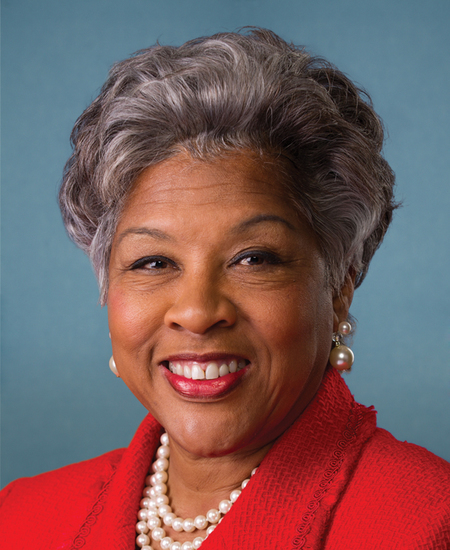
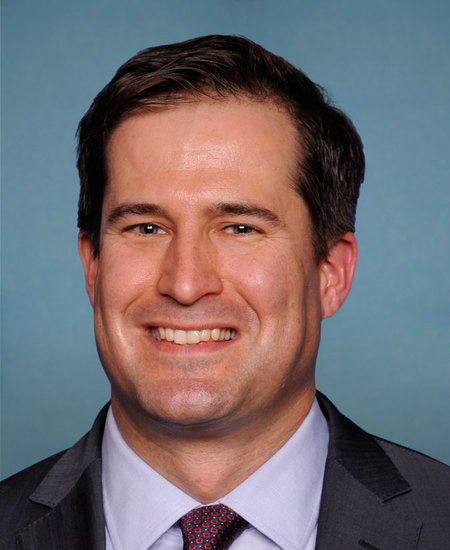
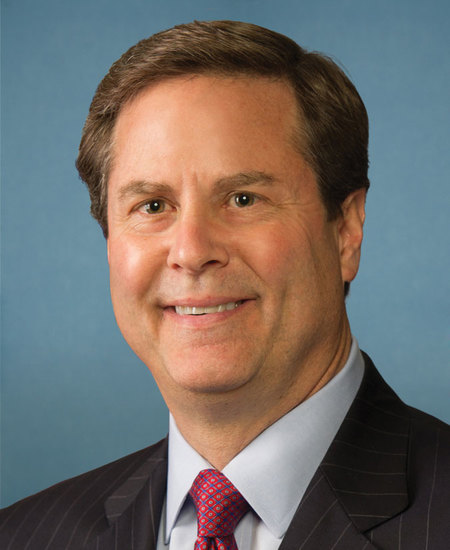
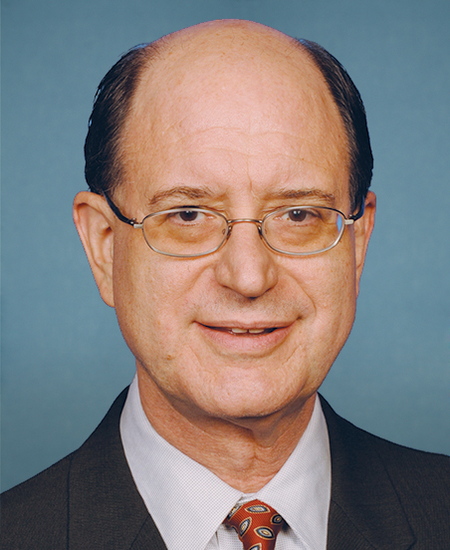
Key legislators
Who's moving sanctuary policies in United States
Showing 311–315 of 315
bills
All immigration bills
This bill amends U.S. immigration law to classify certain driving under the influence (DUI) offenses as "aggravated felonies." It specifically targets convictions for DUI causing death or serious injury, regardless of whether the local conviction was labeled a misdemeanor or felony. Non-citizens convicted of such offenses - whether in state, federal, tribal, or local courts - would become inadmissible to the United States. The change applies to all relevant convictions, even if they occurred before the bill's enactment. This policy directly affects non-citizens with these specific DUI convictions, making them subject to immigration penalties like deportation or denial of entry.
This Senate resolution (SRES 451) condemns attacks on federal law enforcement personnel in Illinois and criticizes state and local policies it claims obstruct federal immigration enforcement. It specifically references Chicago's crime statistics and prosecutorial policies as contributing factors, though it does not create new laws or alter enforcement procedures. The resolution is a symbolic statement expressing disapproval of violence against federal officers and efforts to impede immigration enforcement operations. As a procedural resolution, it has no binding legal effect but aims to publicly acknowledge concerns about public safety and federal authority.
This bill (S 3179, the "Halo Act") makes it a federal crime to approach within 25 feet of a Federal immigration enforcement officer after being verbally warned not to, if the person intends to impede the officer's work, threaten them with physical harm, or harass them. The law defines "harass" as causing substantial emotional distress with no legitimate purpose and specifies that the warning must be given by the officer. Violators face fines, up to 5 years in prison, or both. It directly affects individuals who interfere with immigration enforcement activities, not the officers themselves.
This bill amends the Immigration and Nationality Act to bar individuals who enter the U.S. unlawfully from becoming naturalized citizens. It directly affects undocumented immigrants seeking citizenship, stating they are ineligible regardless of other immigration pathways. The key provision adds a new rule to Section 312, explicitly prohibiting naturalization for anyone who entered without authorization. The policy change removes a potential avenue for citizenship for this group, making unlawful entry a permanent disqualification.
HR 4104 would expand access to Medicaid, CHIP, and Affordable Care Act (ACA) health coverage for immigrants lawfully present in the U.S., including those with deferred action or pending immigration applications. It removes state-level barriers to Medicaid/CHIP eligibility for lawfully present individuals, treats Federally authorized presence as "lawfully present" for ACA subsidies, and allows states to choose to cover undocumented individuals through Medicaid or CHIP. The bill also extends these changes to Medicare Part A and Part B, ensuring lawfully present immigrants qualify for coverage and subsidies under existing programs. These provisions apply to all federally funded health programs and take effect in 2026 for most ACA-related changes.