Issue · Immigration

Immigration (Enforcement)

Every immigration bill, vote, and legislator stance in United States, automatically classified by Maddy, our AI policy reader.

Total bills
431
119th Congress
Top supporter
Alan Armstrong
86% support rate
Top opponent
Catherine Cortez Masto
11% support rate
Ranked legislators
10
5 support · 5 oppose
Key legislators

Who's moving enforcement in United States

Legislators moving enforcement in United States
Legislator Party Stance Support rate Votes
AA
Alan Armstrong Senate
R
Strong +
86% 29
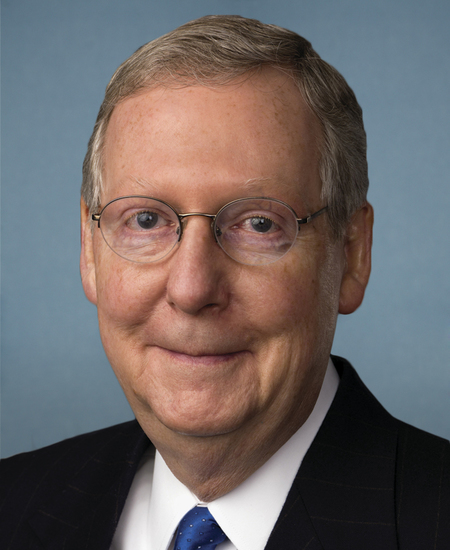
Mitch McConnell
Mitch McConnell Senate
R
Strong +
82% 33
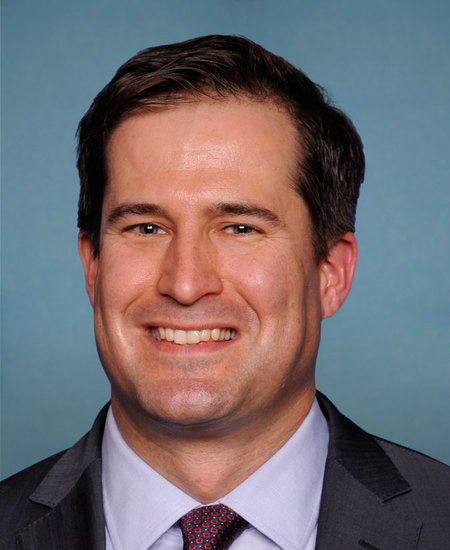
Seth Moulton
Seth Moulton House · District 6
D
Strong +
82% 11
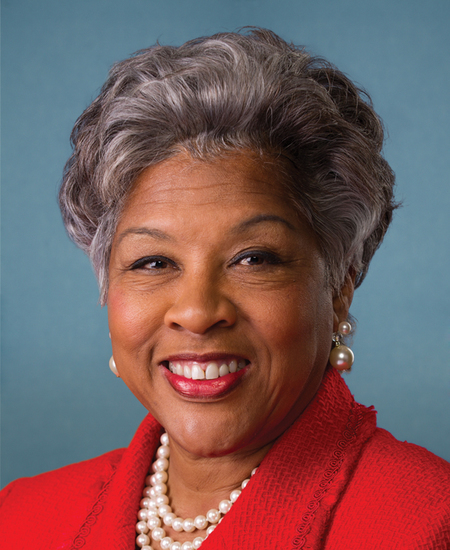
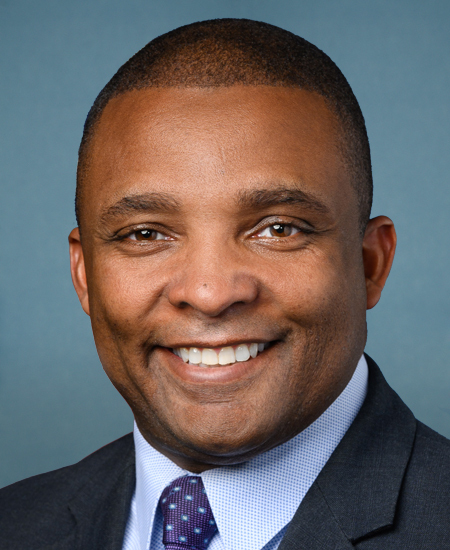
Joyce Beatty
Joyce Beatty House · District 3
D
Strong +
80% 10
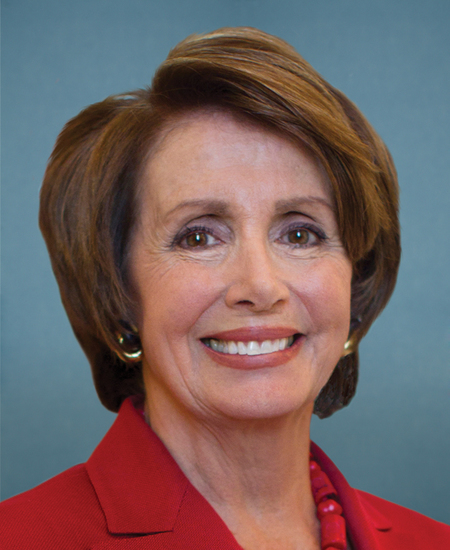
Nancy Pelosi
Nancy Pelosi House · District 11
D
Strong +
80% 10
Catherine Cortez Masto
Catherine Cortez Masto Senate
D
Strong −
11% 35
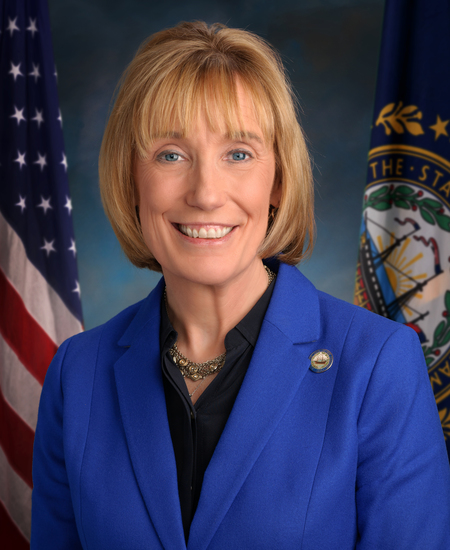
Margaret Wood Hassan
Margaret Wood Hassan Senate
D
Strong −
11% 35
Donald G. Davis
Donald G. Davis House · District 1
D
Strong −
12% 16
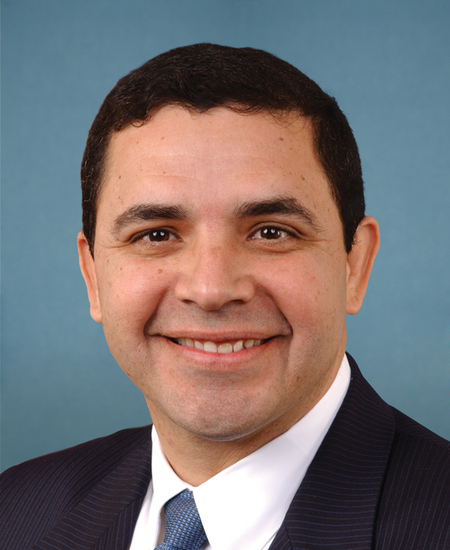
Henry Cuellar
Henry Cuellar House · District 28
D
Strong −
12% 16
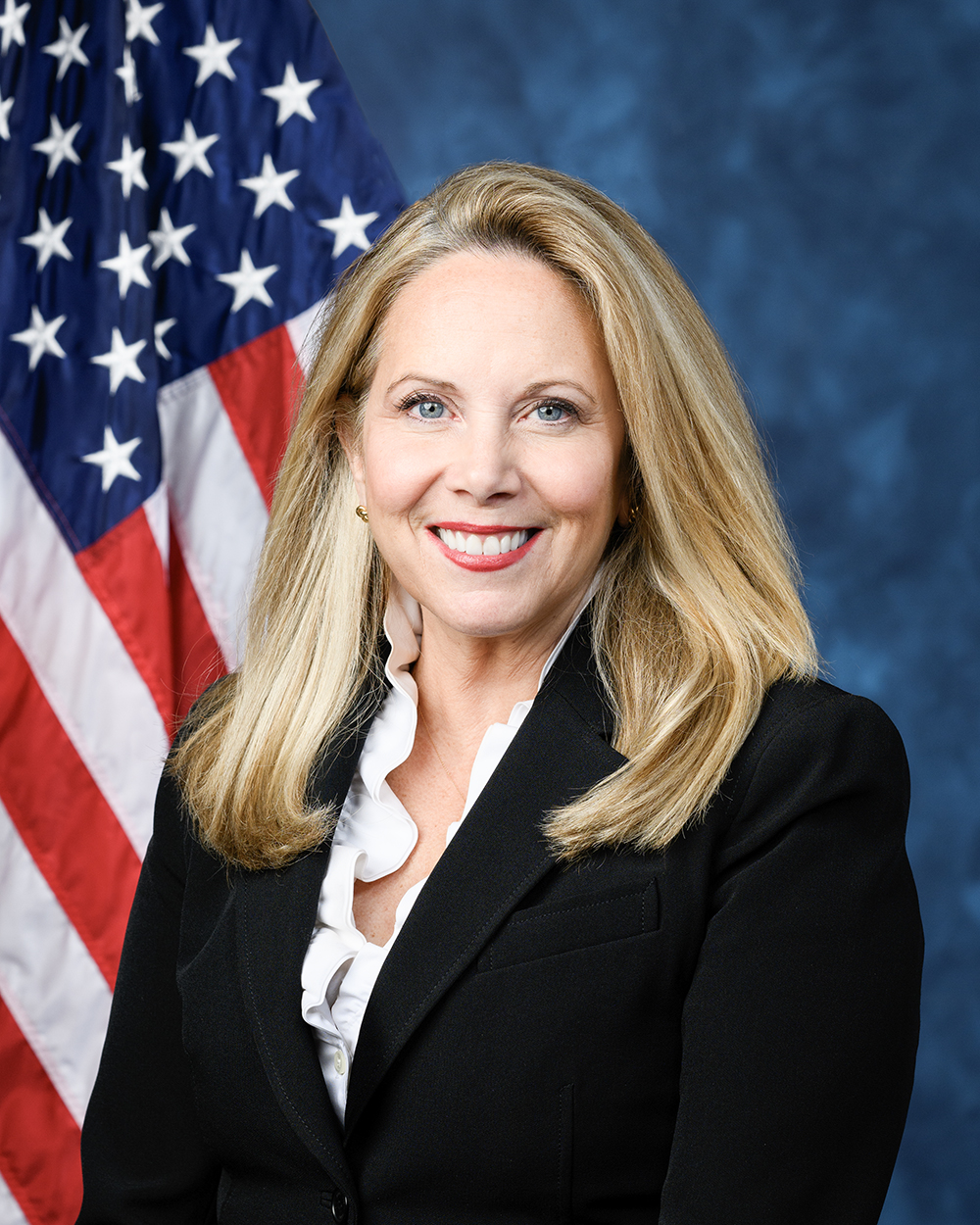
Laura Gillen
Laura Gillen House · District 4
D
Strong −
12% 16
Showing 11–20 of 431 bills

All immigration bills

in committee · United States · Senate Aug 4, 2026

S 5238: For Our Republic Act

The For Our Republic Act proposes sweeping reforms to federal civil service, immigration enforcement, and government ethics, with a significant focus on protecting noncitizen children in U.S. custody. The bill mandates that unaccompanied children be placed in family-like settings such as foster care rather than large congregate facilities, prohibits the separation of children from their parents or relatives except in cases of imminent danger, and requires the provision of government-funded legal representation for all detained minors. It also restricts immigration enforcement agencies from using biometric surveillance technology like facial recognition and establishes a new independent Ombudsperson to monitor compliance with child welfare standards. Additionally, the legislation strengthens protections for federal inspectors general, bans racial profiling by law enforcement, and introduces various measures to increase transparency and accountability within the executive branch.
Sub-Topics Enforcement Tags Children
in committee · United States · Senate Aug 6, 2026

S 5337: Keep Our Communities Safe Act of 2026

The Keep Our Communities Safe Act of 2026 significantly expands the authority of the Secretary of Homeland Security to detain non-citizens who are facing removal from the United States. The bill removes time limits on detention during removal proceedings and allows for indefinite detention after a final order is issued if specific conditions, such as national security threats or public safety risks, are certified by government officials. It restricts access to bond hearings for many detainees, requiring them instead to prove they are not flight risks or community threats through clear and convincing evidence. Additionally, the legislation establishes administrative review processes that permit detention beyond standard removal periods if an individual fails to cooperate with deportation efforts or poses a continuing danger.
in committee · United States · Senate Aug 6, 2026

S 5324: Fairness to Freedom Act of 2026

The Fairness to Freedom Act of 2026 establishes a new independent Office of Immigration Representation to guarantee government-funded legal counsel for individuals who cannot afford an attorney in immigration proceedings. This right applies broadly to removal, exclusion, and bond hearings, requiring that legal representation be appointed within 24 hours of detention or before any proceeding begins. The bill creates a decentralized system involving local boards and public defender organizations to manage case assignments, while ensuring that appointed attorneys receive compensation comparable to federal prosecutors. Additionally, the legislation mandates minimum funding levels for the new office based on a specific ratio relative to federal immigration enforcement budgets and prevents the use of seeking this legal aid as a factor in "public charge" determinations.
in committee · United States · Senate Jul 27, 2026

S 5138: Fairness for Immigrant Families Act of 2026

The Fairness for Immigrant Families Act of 2026 aims to protect immigrant families by modifying rules that separate parents from their U.S. citizen children and by expanding relief options for those facing deportation. Key provisions include eliminating certain bars on reentry for individuals who have been removed, allowing parents of U.S. citizens to have their removal reviewed before it is executed, and prohibiting the removal of DACA recipients while their status is active or pending renewal. The bill also establishes new protections for victims of crime and civil rights activists by generally shielding them from removal proceedings unless they pose a specific threat to public safety. To support these changes, the legislation creates new requirements for immigration consultants to clearly disclose their non-attorney status and mandates increased transparency regarding government fees and processing backlogs. Additionally, the act authorizes funding for state and local programs designed to combat immigration fraud and protect consumers from deceptive practices.
in committee · United States · Senate Jul 15, 2026

S 4983: Harry Reid Immigration Stabilization Act

This bill, the Harry Reid Immigration Stabilization Act, establishes a comprehensive framework to reduce overall immigration numbers, reform asylum procedures, increase penalties for criminal behavior, and enhance border security measures. It directly affects immigrants, refugees, asylum seekers, employers, and law enforcement agencies by setting strict caps on family and employment-based visas, requiring a 30-day filing deadline for asylum applications, and expanding the definition of aggravated felonies to include a wider range of crimes. Key mechanisms include mandating that employers verify work eligibility through a telephone verification system, creating a new border crossing fee, and requiring states to verify immigration status to receive certain federal benefits. Additionally, the legislation introduces stricter rules for criminal aliens facing expedited deportation, increases penalties for alien smuggling, and clarifies citizenship requirements for children born to non-citizen parents.
in committee · United States · House Aug 4, 2026

HR 10040: No TSA Data for ICE Act

This bill, titled the No TSA Data for ICE Act, prohibits the Transportation Security Administration from sharing passenger data with U.S. Customs and Border Protection or U.S. Immigration and Customs Enforcement. It specifically bars these agencies from using TSA information or data from private brokers to perform immigration enforcement functions. Additionally, the legislation prevents the denial, suspension, or early termination of Trusted Traveler programs like PreCheck and Global Entry if an individual's participation in First Amendment-protected activities is the reason. The law defines the restricted data as personally identifiable information about flight passengers obtained from the TSA or private sector entities.
in committee · United States · House Aug 4, 2026

HR 10027: Stop ICE’s Medical Neglect Act of 2026

The Stop ICE's Medical Neglect Act of 2026 requires the Department of Homeland Security to create an online system where detained individuals, their lawyers, or family members can confidentially report medical neglect at immigration detention facilities. Under this bill, an independent medical expert would review each complaint to determine if neglect occurred, ensuring necessary treatment is provided if the claim is valid while allowing for an appeal process if it is denied. The legislation also mandates that detainees cannot face retaliation for filing complaints or seeking medical care and must have access to language translation services. Additionally, the law defines specific criteria for what constitutes medical neglect, such as failures in providing timely care, medication management, or specialty referrals.
Sub-Topics Detention Enforcement
in committee · United States · Senate Jul 22, 2026

S 5093: PROKID Act

The PROKID Act establishes an independent Office of the Ombudsperson within the Department of Health and Human Services to protect immigrant children in government custody. This new office would have the authority to conduct regular unannounced site visits, investigate complaints of abuse or neglect, and advocate for the quickest possible release of detained children. To support these efforts, the bill requires the government to share real-time data on child locations and custody details with the ombudsperson while strictly prohibiting the use of this information for immigration enforcement. Additionally, the act creates an expert advisory committee to review facility compliance and mandates that the government publish monthly statistics on the number and length of time children are held in detention.
Sub-Topics Detention Enforcement Tags Children
in committee · United States · House Jul 22, 2026

HR 9850: No Deliveries Act

The No Deliveries Act amends federal immigration laws to increase penalties for individuals who knowingly enter the United States specifically to give birth and misrepresent their true purpose. Under this bill, anyone convicted of this offense could face fines and imprisonment of up to 25 years, with a mandatory minimum of 10 years if the child is born in the U.S. Additionally, the legislation grants federal courts the authority to immediately order the removal of convicted aliens at the time of sentencing. This law directly affects non-citizens attempting to bypass immigration requirements by using childbirth as a means to gain entry.
in committee · United States · House Jul 23, 2026

HR 9897: Trump-Reagan Election Enforcement Act

This bill, known as the Trump-Reagan Election Enforcement Act, would require all U.S. states to implement strict new rules proving U.S. citizenship for anyone registering to vote in federal elections. Under the proposed law, states that fail to enforce these specific documentation requirements by fiscal year 2027 would face federal funding penalties, with 10 percent of certain transportation funds withheld initially and an additional 5 percent cut each subsequent year. The legislation mandates that applicants provide specific documents like a passport or certified birth certificate, requires states to actively remove noncitizens from voter rolls, and allows private lawsuits or criminal charges against election officials who register ineligible individuals.
Showing 11 to 20 of 431 bills