Issue · Immigration

Immigration

Every immigration bill, vote, and legislator stance in United States, automatically classified by Maddy, our AI policy reader.

Total bills
506
119th Congress
Top supporter
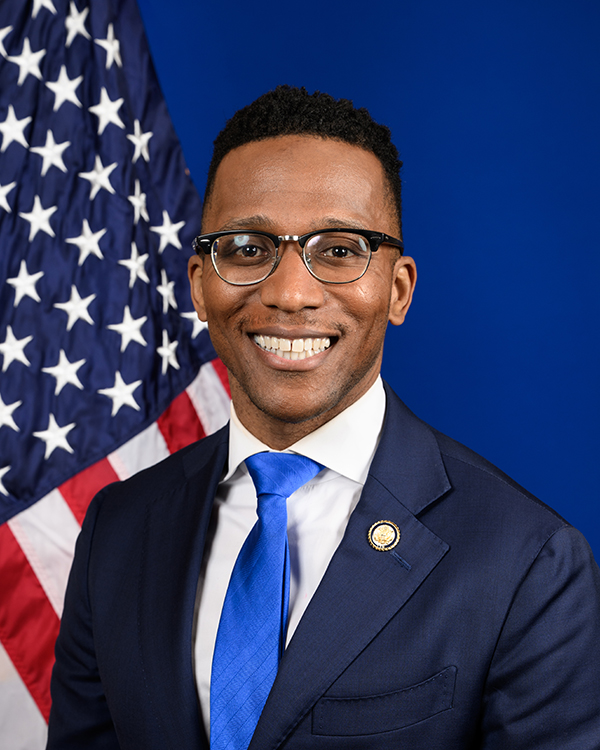
Christian D. Menefee
89% support rate
Top opponent
Gregory F. Murphy
13% support rate
Ranked legislators
10
5 support · 5 oppose
Key legislators

Who's moving immigration in United States

Legislators moving immigration in United States
Legislator Party Stance Support rate Decisive votes
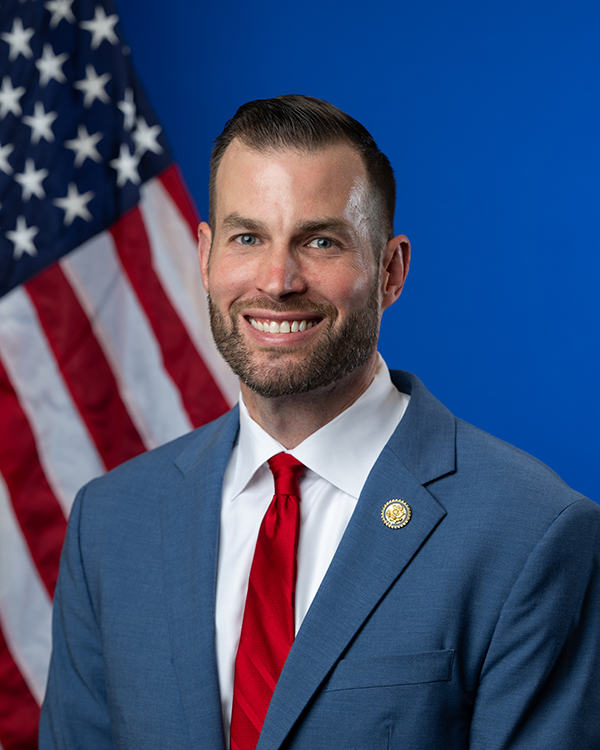
Christian D. Menefee
Christian D. Menefee House · District 18
D
Strong +
89% 9
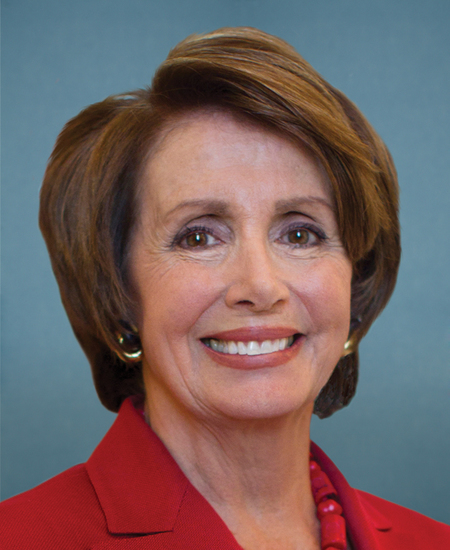
Nancy Pelosi
Nancy Pelosi House · District 11
D
Strong +
86% 21
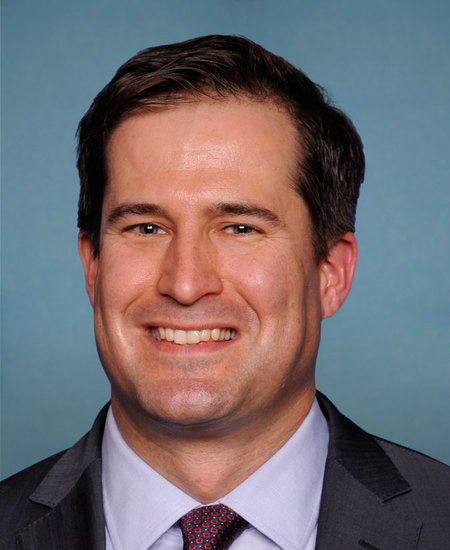
Seth Moulton
Seth Moulton House · District 6
D
Strong +
86% 21
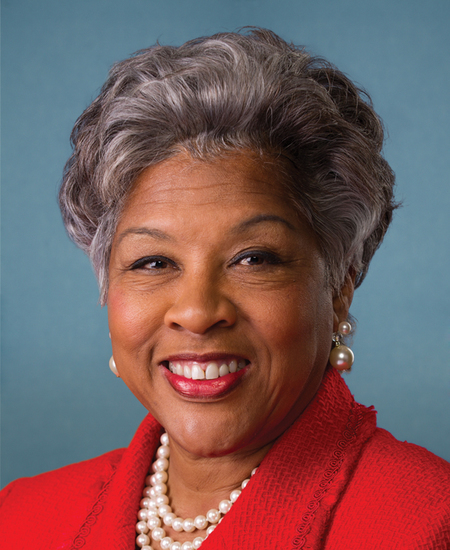
Joyce Beatty
Joyce Beatty House · District 3
D
Strong +
85% 20
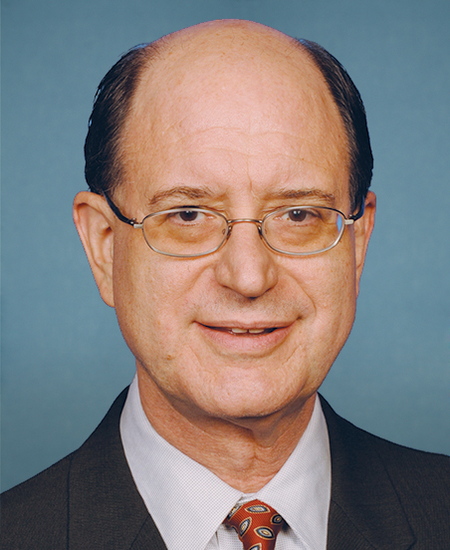
Brad Sherman
Brad Sherman House · District 32
D
Strong +
85% 26
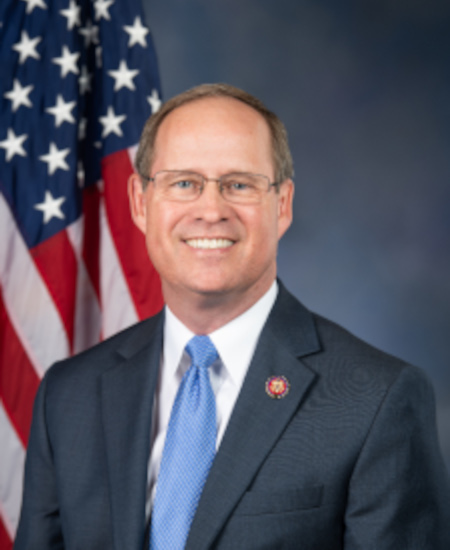
Gregory F. Murphy
Gregory F. Murphy House · District 3
R
Strong −
13% 23
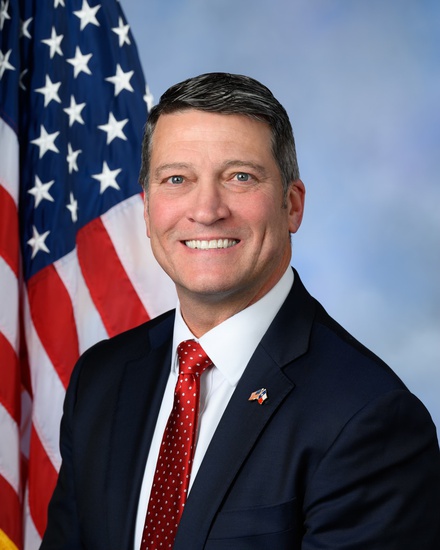
Ronny Jackson
Ronny Jackson House · District 13
R
Strong −
14% 28
Clay Fuller
Clay Fuller House · District 14
R
Strong −
14% 7
Brad Finstad
Brad Finstad House · District 1
R
Strong −
15% 26
Elise M. Stefanik
Elise M. Stefanik House · District 21
R
Strong −
15% 26
Showing 171–180 of 506 bills

All immigration bills

in committee · United States · House Feb 27, 2025

HR 1747: Break the Chain Act

HR 1747, the Break the Chain Act, replaces family-based visas for parents of U.S. citizens with a new temporary 5-year nonimmigrant visa program. It creates a new visa category (Section 101(a)(15)(W)) requiring U.S. citizen children to sponsor parents, who must provide proof of health insurance but cannot work or access public benefits during their stay. The bill invalidates future petitions for parents under current family visa categories (like Section 201(b)(2)(A)(i)) and takes effect October 1, 2025, while allowing some pre-existing approved cases to proceed. It directly affects parents seeking to live with U.S. citizen children and the citizens who would sponsor them.
in committee · United States · House Jan 15, 2025

HR 445: Border Security Investment Act

HR 445, the Border Security Investment Act, creates two new trust funds to fund border security by imposing a 37% fee on money transfers sent to the top 5 countries with the most unlawful border entries in the previous year. Money transfer companies pay this fee, with half the collected funds going to a Reimbursement Fund to reimburse border states for their security costs and the other half to a Security Fund for federal border technology, barriers, and Border Patrol staffing. The bill requires the Treasury to transfer these funds annually, sets a $50 billion cap on total fund balances (with excess funds directed to deficit reduction), and takes effect 30 days after enactment. It directly affects money transfer providers, border states, and federal border security operations.
Sub-Topics Border Security
in committee · United States · House Sep 3, 2025

HR 5118: Protecting Law Enforcement from Doxxing Act

HR 5118, the "Protecting Law Enforcement from Doxxing Act," makes it a federal crime to publicly release the name of a federal law enforcement officer with the intent to obstruct a criminal investigation or immigration enforcement operation. The bill directly affects federal officers, including those working on immigration enforcement, by adding new protections to Title 18 of the U.S. Code. Key provisions create a new offense under Section 1510(f), punishable by fines, up to five years in prison, or both. The law specifically targets doxxing intended to interfere with official operations, not general public disclosure of officer identities.
in committee · United States · House Jan 31, 2025

HR 871: RULES Act

The RULES Act requires asylum seekers to apply only at official U.S. ports of entry, not elsewhere in the country. It prohibits releasing applicants into the United States while their asylum application is pending. This directly affects individuals seeking asylum who cross the border without entering through designated ports. The law does not apply to people already inside the U.S. without authorization or who overstayed their visa.
in committee · United States · House Jan 15, 2025

HR 460: CCP Visa Disclosure Act of 2025

HR 460, the CCP Visa Disclosure Act of 2025, requires international students (F/M visas) and exchange visitors (J visas) to disclose if they received or plan to receive funds from the Chinese government, the Chinese Communist Party, or entities controlled by either. This applies to both new applicants and current visa holders, mandating disclosure of fund amounts and sources via updated visa forms (I-20 or DS-2019) within 180 days of enactment. Applicants must also report any subsequent receipt of such funds within 90 days. Failure to comply may result in visa revocation, regardless of when the visa was issued. The bill directly affects individuals seeking or holding these specific nonimmigrant visas who receive funding from the specified Chinese entities.
in committee · United States · House Jun 26, 2025

HR 4154: Employee Rights Act

The Employee Rights Act (HR 4154) makes several significant changes to labor law. It requires secret ballot elections for union representation, prohibits employees without lawful immigration status from voting in union elections, and establishes new privacy protections for employee information used in organizing campaigns. The bill also changes the criteria for determining employee status under labor laws, creates "independent negotiating" for workers who have left union representation, and restricts what can be included in collective bargaining agreements regarding diversity initiatives. These changes would affect workers, employers, and labor organizations across the United States.
in committee · United States · House Dec 4, 2025

HR 6443: Afghan SIV Termination and Security Review Act of 2025

HR 6443 terminates the Afghan Special Immigrant Visa (SIV) program, ending all new applications and closing pending cases as of its enactment date. It requires the Department of Homeland Security to conduct mandatory security reassessments for all current SIV beneficiaries within 18 months, including biometric checks, updated database scans, and document verification. Beneficiaries failing the review - due to ineligibility, fraud, or security concerns - face rescinded status and potential removal proceedings. Any remaining funds from the SIV program are redirected to the VA's Supportive Services for Veteran Families program.
in committee · United States · House Jan 28, 2025

HR 778: Safeguarding American Workers’ Benefits Act

HR 778, the Safeguarding American Workers’ Benefits Act, modifies Social Security Number (SSN) requirements for claiming the Child Tax Credit (CTC) and Earned Income Tax Credit (EITC). It requires taxpayers to provide SSNs issued to U.S. citizens or under specific legal provisions (as defined in the bill) before the tax return deadline, replacing previous allowances for certain alternative numbers. This directly affects individuals filing taxes who seek these credits, as they must now use only eligible SSNs to qualify. The changes apply to taxable years beginning after December 31, 2025. The bill does not alter the credit amounts but tightens verification rules for eligibility.
in committee · United States · House Mar 5, 2025

HR 1862: English Language Unity Act of 2025

HR 1862, the English Language Unity Act of 2025, designates English as the official language of the U.S. federal government. It requires all official government functions - such as laws, regulations, and public proceedings - to be conducted in English, with key exceptions including language teaching, disability education, national security, public health, census activities, and victim rights. The bill also mandates that naturalization applicants demonstrate English reading comprehension of foundational U.S. documents like the Declaration of Independence and Constitution, with ceremonies conducted in English. These provisions apply to federal operations, not state governments or private sector policies, and explicitly preserve existing protections for Native American languages and the right to learn other languages.
passed · United States · House Jun 9, 2025

HR 2966: American Entrepreneurs First Act of 2025

HR 2966, the American Entrepreneurs First Act of 2025, modifies requirements for certain Small Business Administration (SBA) loans by requiring applicants to provide proof of citizenship, national status, or lawful permanent residency for themselves and all business owners. It directly affects small business applicants and their owners who are non-citizens, including refugees, nonimmigrant visa holders, DACA recipients, or undocumented individuals. The bill mandates new documentation, such as alien registration numbers for lawful permanent residents, and prohibits loans if applicants fail to provide this information or if ineligible owners are involved. These changes apply to SBA 7(a) loans and Title V investment programs, altering eligibility criteria for specific loan programs.
Sub-Topics Citizenship & Naturalization DACA & Dreamers Tags Small Business
Showing 171 to 180 of 506 bills
Previous 1 … 17 18 19 … 51 Next