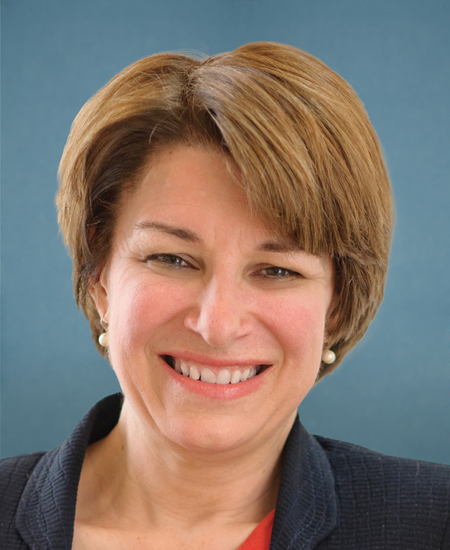
S 3933, the ICE Funding Accountability Act, prohibits using funds from Public Law 119-21 to pay salaries for U.S. Immigration and Customs Enforcement (ICE) or U.S. Customs and Border Protection (CBP) agents hired after the bill's enactment date. It also bans spending those funds on recruiting, advertising for new hires, or offering retention or sign-on bonuses for such agents. This bill directly affects new ICE and CBP personnel by restricting salary and recruitment funding for roles filled after the law takes effect.
HR 4234 prohibits U.S. officials from temporarily allowing certain individuals to enter the country at the border. It specifically bans parole (temporary entry) for refugees and individuals identified as having terrorism links, being on terror watchlists, or posing a national security risk due to potential ties to terrorism. The bill defines "known terrorist" (arrested/convicted for terrorism), "special interest alien" (with potential terrorism nexus), and "suspected terrorist" to establish these restrictions. These provisions apply to people seeking entry at the border who meet these criteria, replacing existing parole authority for such cases.
This bill expands U.S. entry restrictions for immigrants suspected of security-related activities. It denies entry to anyone who engages in, or is suspected of engaging in, activities violating U.S. espionage/sabotage laws (even if done abroad), evading export controls, or seeking to oppose the U.S. government by force. It also bars spouses or children of such individuals if the security-related activity occurred within the last five years. The law applies to all potential immigrants, including those seeking visas or entry, without changing existing waiver processes.
HR 424, the State Border Security Reimbursement Act of 2025, requires the federal government to reimburse states that spent over $2.5 billion on border security since 2014. It directly affects states like Texas, which has allocated over $3.2 billion for border security since 2008-2009 due to federal inaction. States meeting the spending threshold must submit expense reports within 180 days of the bill's enactment, and the federal government must reimburse these costs within one year of submission. The bill aims to address the financial burden on states that have funded border security efforts primarily the federal government's responsibility.
HR 275 requires the Department of Homeland Security (DHS) to publish monthly reports on individuals classified as "special interest aliens" who attempt unlawful entry into the U.S. These reports, due by the seventh day of each month, must include the total number, nationalities or countries of origin, geographic regions of encounters, and whether entries occurred at ports, between ports, or inland. The reports must also identify if encounters involve "covered nations" as defined under existing law. This bill directly affects DHS, which must implement the reporting, and Congress, which receives the data for oversight. The law focuses on transparency around national security-related immigration encounters without altering immigration policy.
S 3571, the "Keeping Our Agents on the Line Act," restricts U.S. Border Patrol agents to patrolling within 25 miles of the U.S. land border, prohibiting them from conducting interior arrests or operations beyond this limit without specific exceptions (like emergencies or declared disasters). It requires U.S. Customs and Border Protection to publicly report data on checkpoint encounters (including breakdowns by citizenship status) and interior arrests (including agent training and case dispositions) within 30-90 days of enactment. The bill directly affects U.S. Border Patrol agents, their operational boundaries, and individuals encountered during border patrols or interior arrests, including U.S. citizens and residents. Key mechanisms include reaffirming the 25-mile limit, banning unauthorized interior authority delegation, and mandating transparency through public data reporting.
This bill directs the Department of Homeland Security to implement the Migrant Protection Protocols (MPP) as outlined in a 2019 policy memo. It requires migrants seeking asylum at the U.S. border to remain in Mexico while their cases are processed, rather than being allowed to stay in the U.S. pending a hearing. The bill does not create new rules but mandates the reinstatement of a policy that was previously in effect from 2019 to 2021. This would directly affect asylum seekers arriving at the U.S.-Mexico border. The policy change would apply to all migrants covered by the existing MPP framework.
Protecting Sensitive Locations Act This bill prohibits immigration enforcement actions within 1,000 feet of a sensitive location except in exigent circumstances, such as the imminent risk of death, violence, or physical harm to any person. Sensitive locations include health care facilities; schools and school bus stops; places that provide assistance for people such as children, pregnant women, and abuse victims; child care facilities; places that provide disaster or emergency services; places of worship; courthouses and lawyers’ offices; facilities used as polling places; certain labor union facilities; and public assistance offices. The prohibition shall apply to Department of Homeland Security officers and agents, as well as state employees pursuing immigration enforcement actions. If an enforcement action is carried out in violation of this prohibition (1) no information resulting from the action may be entered into the record in a resulting removal proceeding, and (2) the affected individual may move to immediately terminate such a proceeding. U.S. Immigration and Customs Enforcement and U.S. Customs and Border Protection shall annually report to Congress about enforcement actions taken at sensitive locations in the preceding year.
The PROTECT Military Families Act (S 3592) creates a new immigration parole program for spouses, parents, children, and widows/widowers of current or former military members. It allows the Secretary of Homeland Security to grant temporary U.S. entry in one-year increments to eligible family members of active-duty service members, reservists, or honorably discharged veterans. Denials require a joint written justification from three cabinet secretaries (Homeland Security, Defense, and Veterans Affairs) and must be publicly posted with detailed reasoning (excluding personal information). This bill directly affects military families seeking reunification by establishing a structured, transparent process for temporary immigration relief.
This bill amends the Higher Education Act to exclude from public service loan forgiveness any employment with organizations that engage in specific illegal activities. It targets organizations that: aid illegal immigration (e.g., violating border laws), materially support terrorism (including funding cartels), commit severe child abuse (like forced medical procedures or trafficking), engage in systemic illegal discrimination, or repeatedly violate state tort laws (e.g., trespassing, vandalism). Employees working for such organizations would no longer qualify for student loan forgiveness under the public service program. The law directly affects individuals employed by qualifying organizations seeking this specific federal loan benefit.