Issue · Immigration

Immigration (Border Security)

Every immigration bill, vote, and legislator stance in United States, automatically classified by Maddy, our AI policy reader.

Total bills
127
119th Congress
Top supporter
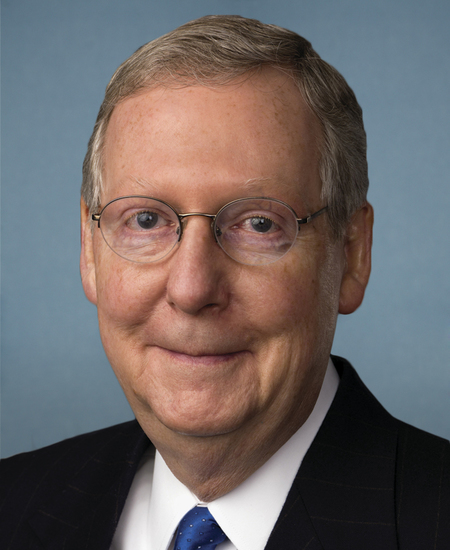
Mitch McConnell
93% support rate
Top opponent
Kristen McDonald Rivet
0% support rate
Ranked legislators
10
5 support · 5 oppose
Key legislators

Who's moving border security in United States

Legislators moving border security in United States
Legislator Party Stance Support rate Votes
Mitch McConnell
Mitch McConnell Senate
R
Strong +
93% 28
AA
Alan Armstrong Senate
R
Strong +
86% 28
Bernie Moreno
Bernie Moreno Senate
R
Strong +
86% 28
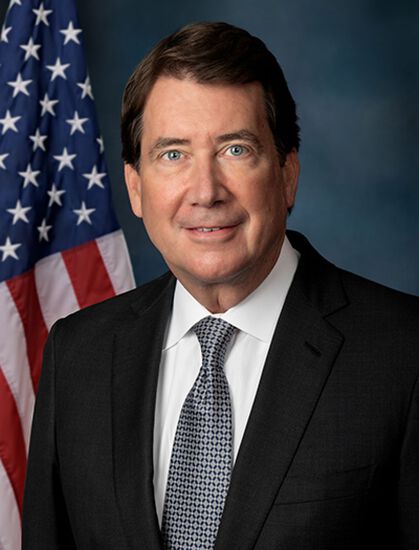
Bill Hagerty
Bill Hagerty Senate
R
Strong +
86% 28
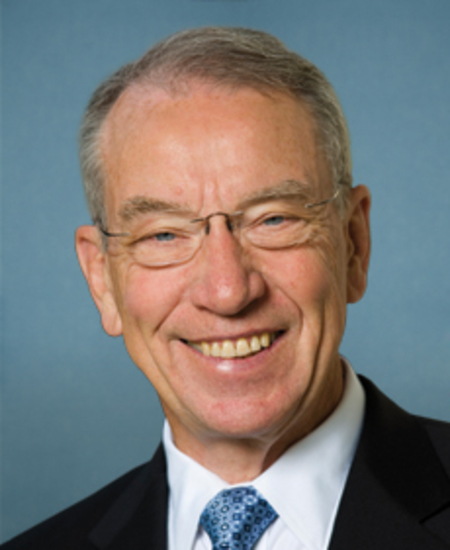
Chuck Grassley
Chuck Grassley Senate
R
Strong +
86% 28
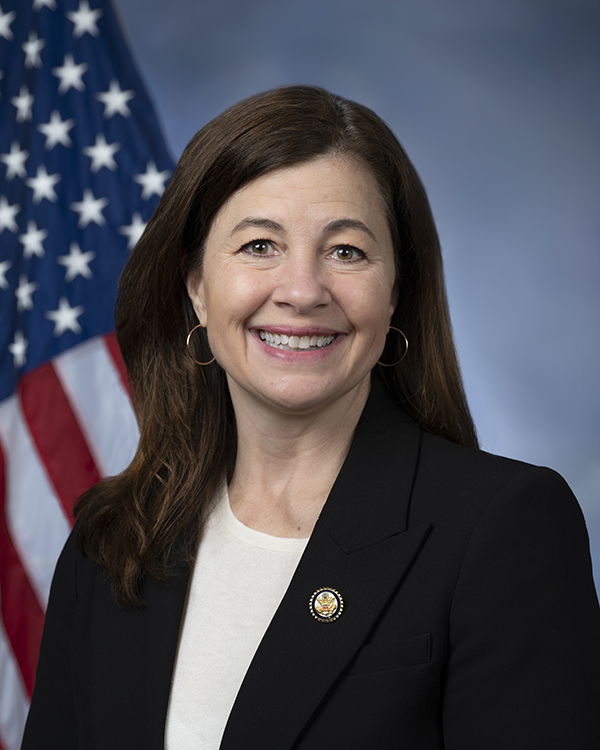
Kristen McDonald Rivet
Kristen McDonald Rivet House · District 8
D
Strong −
0% 3
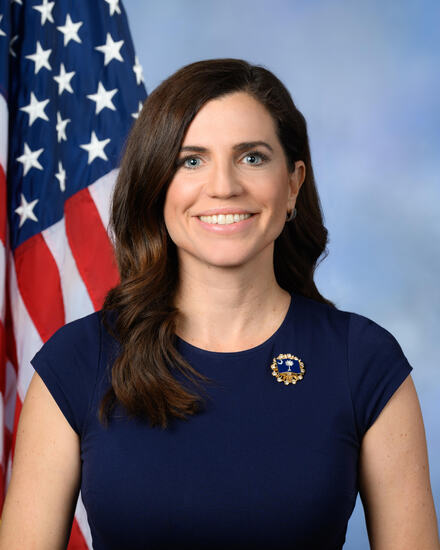
Nancy Mace
Nancy Mace House · District 1
R
Strong −
0% 3
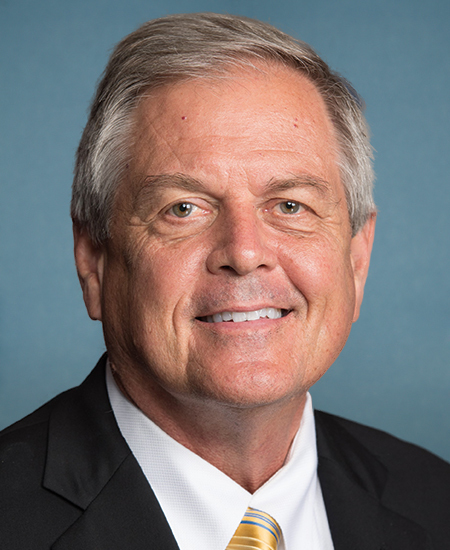
Ralph Norman
Ralph Norman House · District 5
R
Strong −
0% 3
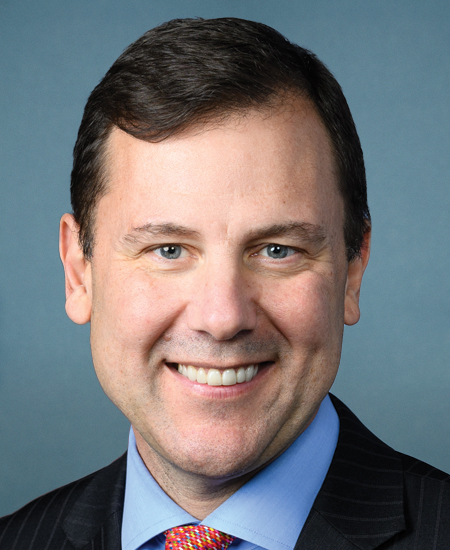
Thomas H. Kean, Jr.
Thomas H. Kean, Jr. House · District 7
R
Strong −
0% 3
Amy Klobuchar
Amy Klobuchar Senate
D
Strong −
14% 28
Showing 91–100 of 127 bills

All immigration bills

in committee · United States · House Jan 28, 2025

HR 756: 287(g) Program Protection Act

HR 756, the 287(g) Program Protection Act, makes it easier for state and local law enforcement agencies to partner with federal immigration authorities under the 287(g) program. It requires the Secretary of Homeland Security to enter written agreements with any state or local agency that requests participation within 90 days, prohibits arbitrary denials without 180 days' notice to Congress, and bans termination of existing agreements without compelling reasons and 180 days' notice. The bill also mandates uniform federal training standards for participating officers, requires annual reports on program performance (including apprehensions, removals, and compliance), and establishes dedicated funding for the program. This directly affects state and local police departments seeking to enforce federal immigration laws within their jurisdictions.
in committee · United States · House Jan 3, 2025

HR 57: Ending Catch and Release Act of 2025

HR 57, the "Ending Catch and Release Act of 2025," changes U.S. immigration enforcement for individuals apprehended at the border who request asylum. It prohibits immigration officers from releasing these individuals into the United States while their asylum claims are processed, requiring instead either detention for immigration court proceedings or immediate return to the border territory (like Mexico) for asylum consideration. The bill mandates that if an individual cannot be removed within 72 hours, they must remain detained until removal occurs, with no exception for parole. This directly affects asylum seekers arriving by land from contiguous foreign territories who are processed under Section 235 of the Immigration and Nationality Act.
in committee · United States · House Feb 6, 2026

HR 7392: To impose a hiring freeze on United States Immigration and Customs Enforcement, and for other purposes.

This bill imposes a hiring freeze on U.S. Immigration and Customs Enforcement (ICE), prohibiting the use of federal funds to hire new employees or transfer existing federal workers to ICE. The freeze begins upon the bill's enactment and automatically ends when Congress passes a specific law overriding it. It directly affects ICE's staffing capabilities by halting new appointments and transfers using federal funding. The measure is procedural, focusing solely on restricting hiring authority without altering immigration enforcement policies.
in committee · United States · House Nov 17, 2025

HRES 881: Condemning the recent attacks on U.S. Immigration and Customs Enforcement and U.S. Customs and Border Protection Law Enforcement personnel and facilities.

HRES 881 is a symbolic resolution passed by the U.S. House of Representatives condemning recent violent attacks on U.S. Immigration and Customs Enforcement (ICE) and U.S. Customs and Border Protection (CBP) personnel and facilities. It specifically references multiple incidents in 2025, including shootings, assaults, and threats against agents across Texas, Oklahoma, California, Illinois, and other states, citing a DHS-reported 1,000% increase in assaults on ICE personnel. The resolution expresses congressional condemnation of all violence against these officers, thanks them for their service, and honors their role in border security and immigration enforcement. As a non-binding resolution, it does not create new laws or policies but formally states the House’s position on these incidents.
in committee · United States · House Feb 5, 2025

HR 992: PATROL Act

HR 992, the PATROL Act, prohibits the federal Attorney General from suing states that build border barriers (like walls or fences) to prevent illegal entry or protect state territory. It specifically blocks civil lawsuits under existing border laws (33 U.S.C. 401/403) against states for such barrier projects. The bill defines key terms like "barrier" (including walls or fences) and "immigration laws" to clarify its scope. This directly affects states constructing border infrastructure and limits federal legal actions against those efforts. The bill does not create new border policies but changes the legal landscape for state-led border security measures.
in committee · United States · Senate Feb 6, 2025

S 481: Securing our Border Act

S 481, the "Securing our Border Act," directs funding to enhance border security by requiring 100% scanning of vehicles at all southern border ports by 2034 using nonintrusive inspection systems, and allocates funds for constructing a border wall along the southwest U.S. border. It also creates new bonus programs for U.S. Customs and Border Protection agents, including up to $15,000 for recruitment, retention bonuses up to 15% of pay, and relocation bonuses up to 15% of annual pay. The bill amends immigration procedures to require returning migrants from neighboring countries to contiguous territory or processing asylum claims, rather than immediate release. These provisions directly affect CBP operations, border patrol staffing, and migrants crossing the southern border, with specific deadlines and reporting requirements for funding use.
passed · United States · House Feb 13, 2025

HR 35: Agent Raul Gonzalez Officer Safety Act

HR 35, the Agent Raul Gonzalez Officer Safety Act, creates a new federal crime for operating a motor vehicle while intentionally fleeing U.S. Border Patrol agents or assisting law enforcement officers within 100 miles of the U.S. border. It imposes penalties of up to 2 years in prison for the basic offense, 5-20 years if serious injury occurs, and 10 years to life if death results. The bill also makes individuals convicted of this crime inadmissible to the U.S., deportable, and ineligible for immigration relief like asylum. Additionally, it requires annual reports from the Attorney General and Homeland Security Secretary detailing arrests, charges, and penalties related to this offense.
in committee · United States · Senate Oct 23, 2025

S 3054: Kayla Hamilton Act

The Kayla Hamilton Act updates rules for placing unaccompanied alien children (UACs) in U.S. custody. It requires the Department of Health and Human Services (HHS) to consult with immigration and law enforcement before placing a UAC, and to conduct background checks on potential sponsors. Children aged 12 or older who are flight risks, dangerous, or have certain criminal histories (like gang-related tattoos or past convictions) must be placed in secure facilities. The law also bans placing UACs with non-citizen sponsors or those with serious criminal records, and mandates detailed background information to be shared with immigration authorities.
in committee · United States · Senate Jun 25, 2025

S 2163: Border Patrol Recruitment Enhancement Act

This bill allows U.S. Customs and Border Protection (CBP) to waive the standard polygraph examination requirement for hiring specific candidates: current state/local law enforcement officers with 3+ years service and clean records, federal officers meeting similar criteria, or military veterans with honorable discharges and background checks. It requires CBP to report annually on waiver usage, hiring outcomes, and polygraph results for these candidates, with a GAO review after 5 years to assess disciplinary records. The waiver authority expires after 5 years, and all waived candidates must still meet other hiring standards like background investigations. The bill directly affects CBP's recruitment process for Border Patrol officers by expanding eligibility to certain experienced law enforcement professionals.
Sub-Topics Border Security
in committee · United States · Senate Feb 18, 2025

S 625: Veterans Border Patrol Training Act

S 625, the Veterans Border Patrol Training Act, establishes a 5-year pilot program to train and hire transitioning military personnel as U.S. Border Patrol agents. It directs the Department of Homeland Security, working with Defense and Veterans Affairs, to use the existing Defense SkillBridge Program to prepare active-duty service members, veterans, and their spouses/dependents for Border Patrol roles. The bill requires annual reports tracking program participation by military status (active/reserve, officers/enlisted) and veteran status. The pilot program terminates 5 years after implementation. This is a procedural bill focused on creating a structured hiring pathway, not on altering border policy.
Showing 91 to 100 of 127 bills
Previous 1 9 10 11 13 Next