







Issue · Immigration

Immigration

Every immigration bill, vote, and legislator stance in United States, automatically classified by Maddy, our AI policy reader.

Total bills
1
119th Congress
Top supporter
Christian D. Menefee
89% support rate
Top opponent
Gregory F. Murphy
13% support rate
Ranked legislators
10
5 support · 5 oppose
Key legislators

Who's moving immigration in United States

Legislators moving immigration in United States
Legislator Party Stance Support rate Decisive votes
Christian D. Menefee
Christian D. Menefee House · District 18
D
Strong +
89% 9
Nancy Pelosi
Nancy Pelosi House · District 11
D
Strong +
86% 21
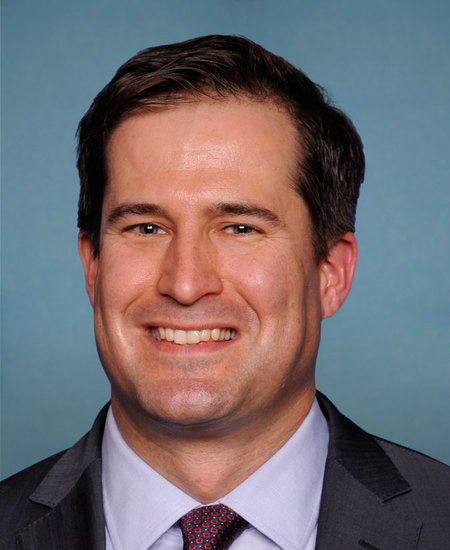
Seth Moulton
Seth Moulton House · District 6
D
Strong +
86% 21
Joyce Beatty
Joyce Beatty House · District 3
D
Strong +
85% 20
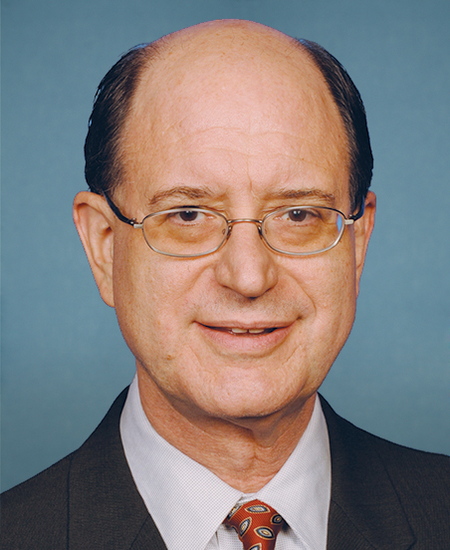
Brad Sherman
Brad Sherman House · District 32
D
Strong +
85% 26
Gregory F. Murphy
Gregory F. Murphy House · District 3
R
Strong −
13% 23
Ronny Jackson
Ronny Jackson House · District 13
R
Strong −
14% 28
Clay Fuller
Clay Fuller House · District 14
R
Strong −
14% 7
Brad Finstad
Brad Finstad House · District 1
R
Strong −
15% 26
Elise M. Stefanik
Elise M. Stefanik House · District 21
R
Strong −
15% 26
Showing 1 of 1 bills

All immigration bills

in committee · United States · Senate Jun 16, 2026

SJRES 190: A joint resolution providing for congressional disapproval under chapter 8 of title 5, United States Code, of the rule submitted by the Executive Office for Immigration Review relating to "Appellate Procedures for the Board of Immigration Appeals".

This joint resolution seeks to officially reject a specific rule issued by the Executive Office for Immigration Review that governs appellate procedures at the Board of Immigration Appeals. By invoking a statutory mechanism known as a "congressional disapproval resolution," the bill aims to prevent the new rule from taking effect or having any legal force. If passed, it would directly impact immigration judges and attorneys who rely on the Board's appellate processes by nullifying the Executive Office's proposed changes. The measure represents a legislative check on executive agency authority rather than creating new immigration policies itself.