Issue · Healthcare

Healthcare (Medicare)

Every healthcare bill, vote, and legislator stance in United States, automatically classified by Maddy, our AI policy reader.

Total bills
550
119th Congress
Top supporter
Christopher Murphy
88% support rate
Top opponent
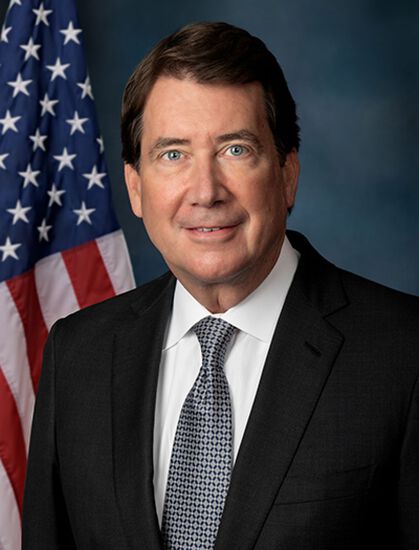
Bill Hagerty
12% support rate
Ranked legislators
10
5 support · 5 oppose
Key legislators

Who's moving medicare in United States

Legislators moving medicare in United States
Legislator Party Stance Support rate Decisive votes
Christopher Murphy
Christopher Murphy Senate
D
Strong +
88% 8
Adam B. Schiff
Adam B. Schiff Senate
D
Support
78% 9
Alex Padilla
Alex Padilla Senate
D
Support
78% 9
Amy Klobuchar
Amy Klobuchar Senate
D
Support
78% 9
Andy Kim
Andy Kim Senate
D
Support
78% 9
Bill Hagerty
Bill Hagerty Senate
R
Strong −
12% 8
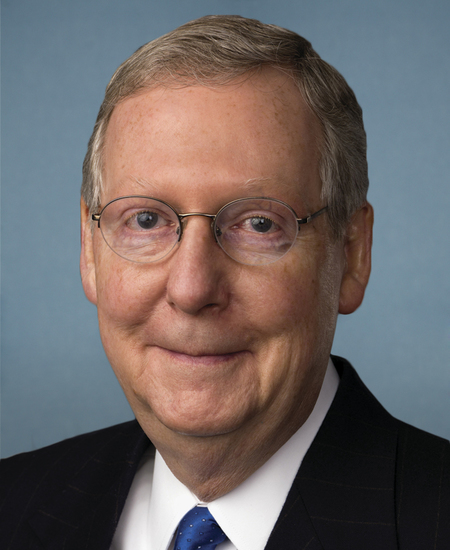
Mitch McConnell
Mitch McConnell Senate
R
Strong −
12% 8
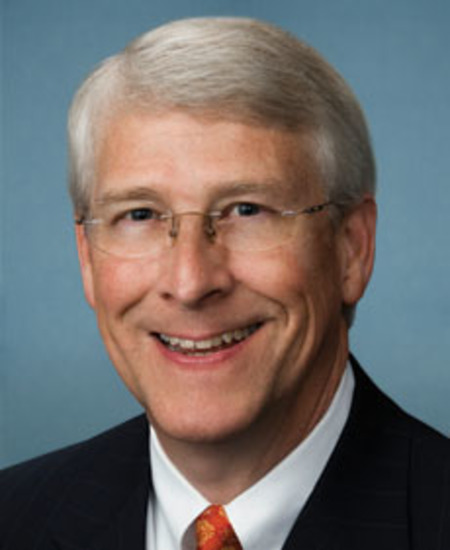
Roger F. Wicker
Roger F. Wicker Senate
R
Strong −
12% 8
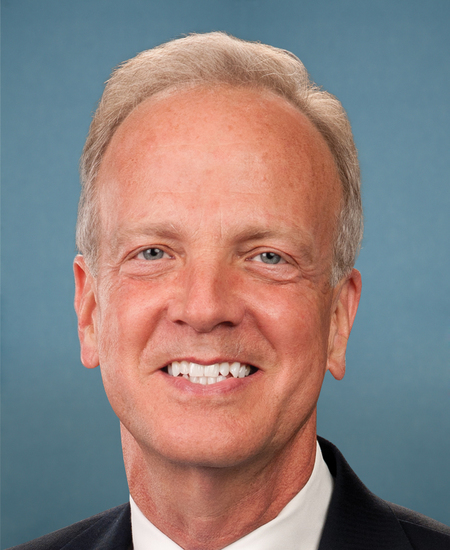
Jerry Moran
Jerry Moran Senate
R
Strong −
14% 7
Ashley Moody
Ashley Moody Senate
R
Oppose
22% 9
Showing 471–480 of 550 bills

All healthcare bills

in committee · United States · Senate Jan 27, 2026

S 3692: PREVENT DIABETES Act

This bill expands Medicare's Diabetes Prevention Program (MDPP) by allowing virtual delivery of services starting in 2026. It directly affects Medicare beneficiaries at risk for diabetes and healthcare providers offering virtual diabetes prevention programs. Key provisions remove state location restrictions for online services (so beneficiaries can receive care remotely from any state) and eliminate limits on how many times an individual can enroll in the program. The changes apply to MDPP services delivered via distance learning or online platforms, ensuring coverage for virtual participation regardless of beneficiary or provider location.
Sub-Topics Medicare Telehealth
in committee · United States · Senate Sep 18, 2025

S 2857: Protecting Free Vaccines Act of 2025

The Protecting Free Vaccines Act of 2025 requires health insurance plans, Medicare, Medicaid, and the Children's Health Insurance Program (CHIP) to cover recommended vaccines without cost-sharing (like copays or deductibles). It mandates coverage for vaccines recommended by the federal Advisory Committee on Immunization Practices (ACIP) as of October 25, 2024, including any updated versions approved under existing rules. This coverage requirement applies until December 31, 2029 for Medicaid and CHIP, and until January 1, 2030 for other plans. The law does not apply to vaccines given during the minimum interval between doses for that specific vaccine.
in committee · United States · House Jun 5, 2025

HR 3792: KIDS Act

HR 3792, the KIDS Act, prohibits healthcare providers participating in Medicare, Medicaid, or CHIP from requesting minors' gender identity or sexual preference on intake forms or during healthcare enrollment. The bill bans such requests for non-essential information unrelated to a minor's medical diagnosis, treatment, or prevention of health conditions. Providers must stop collecting this data 180 days after the bill's enactment, with a new reporting system for violations to be established by the HHS within the same timeframe. This directly affects healthcare providers serving children under 18 in federally funded health programs.
in committee · United States · House Jan 21, 2026

HR 7189: PrEP Access Act

The PrEP Access Act expands Medicare Part B coverage to include pharmacist-provided HIV prevention services, such as pre-exposure prophylaxis (PrEP) counseling, medication administration, and related testing. It directly affects Medicare beneficiaries (primarily seniors) and pharmacists, allowing pharmacists to bill Medicare for these services under state law. Key provisions set payment at 80% of the lesser of actual charges or 85% of physician rates, and prohibit balance billing for these services. The policy change takes effect January 1, 2027, making PrEP more accessible through pharmacy settings.
in committee · United States · Senate Jan 29, 2026

S 3729: PBM Reporting Transparency Act

The PBM Reporting Transparency Act requires the Medicare Payment Advisory Commission (MedPAC) to produce two reports analyzing pharmacy benefit manager (PBM) agreements with Medicare prescription drug plans. The first report, due 2 years after data becomes available, must detail trends in PBM contracts, their impact on beneficiaries' out-of-pocket costs and pharmacy reimbursement rates, and include recommendations. A second report, due 2 years after the first, will track changes in this data over time and provide updated recommendations. This legislation directly affects Medicare drug plan participants by increasing transparency around PBM practices that influence prescription drug costs.
in committee · United States · Senate May 15, 2025

S 1776: Medicare Beneficiary Co-Pay Fairness Act

The Medicare Beneficiary Co-Pay Fairness Act (S 1776) limits out-of-pocket costs for Medicare beneficiaries receiving certain surgical procedures at ambulatory surgical centers. It ensures that coinsurance payments for these services cannot exceed the annual inpatient hospital deductible amount for the same year. If the standard coinsurance would surpass that deductible, the bill requires the Medicare Secretary to cap the beneficiary's payment at the deductible level and reimburse the surgical center for the difference. This change applies to services provided on or after January 1, 2026, directly affecting Medicare beneficiaries undergoing qualifying surgeries.
Sub-Topics Hospitals Medicare
in committee · United States · Senate Jul 31, 2025

S 2561: Skin Substitute Access and Payment Reform Act of 2025

This bill reforms how Medicare pays for skin substitute products used to treat chronic wounds like diabetic foot ulcers. It establishes a new payment system based on a volume-weighted average of historical prices for all covered skin substitutes (excluding temporary dressings or certain other products), effective January 2026. This replaces current pricing that varied by product type and incentivized expensive options, aiming to contain costs while ensuring all clinically similar products are covered equally. The reform directly affects Medicare beneficiaries requiring wound care, healthcare providers selecting treatments, and Medicare's payment system for these products.
Sub-Topics Medicare
in committee · United States · Senate May 6, 2025

S 1629: Same Care, Lower Cost Act

This bill establishes "site-neutral" Medicare payments for specific outpatient services starting in 2027, meaning Medicare would pay the same rate regardless of whether care occurs in a hospital outpatient department, ambulatory surgical center, or other approved setting. It directly affects Medicare beneficiaries (older adults and people with disabilities) and healthcare providers by changing how they are reimbursed for approximately 66 identified common procedures like surgeries and diagnostic tests. The key mechanism requires the Medicare Secretary to identify these service categories and set uniform payment rates, while exempting emergency department visits and critical care from this rule. This aims to standardize payments across settings without altering coverage or eligibility for beneficiaries.
in committee · United States · House Jun 10, 2025

HR 3884: Telemental Health Care Access Act of 2025

HR 3884, the Telemental Health Care Access Act of 2025, expands Medicare coverage for mental and behavioral health services provided via telehealth. It removes geographic restrictions that previously limited telehealth mental health coverage to rural areas, allowing beneficiaries nationwide to access these services through telehealth. The bill amends the Social Security Act to explicitly include "mental and behavioral health services furnished through telehealth" under Medicare coverage rules. This change directly affects Medicare beneficiaries seeking remote mental health care, making it easier to receive these services regardless of location. The policy change applies to all Medicare Part B beneficiaries using telehealth for qualifying mental or behavioral health services.
in committee · United States · House Jun 3, 2025

HR 3684: Save America’s Rural Hospitals Act

This bill aims to stabilize rural hospitals by modifying Medicare payment policies. It eliminates sequestration for rural hospitals, reverses bad debt reimbursement cuts for critical access hospitals, and permanently extends payment levels for low-volume and Medicare-dependent hospitals. The bill also makes permanent telehealth enhancements for rural health clinics, restores state authority to waive the 35-mile rule for hospital designations, and creates flexibility grants for rural hospitals to transform services. These changes directly affect rural hospitals, critical access hospitals, and Medicare beneficiaries who face significant barriers to accessing care in rural areas. The bill addresses the closure of 151 rural hospitals since 2010 and the vulnerability of 432 more hospitals, aiming to prevent further loss of critical health care access.
Sub-Topics Hospitals Medicare Telehealth Tags Rural Communities
Showing 471 to 480 of 550 bills
Previous 1 … 47 48 49 … 55 Next