

Issue · Healthcare
Healthcare
Every healthcare bill, vote, and legislator stance in United States, automatically classified by Maddy, our AI policy reader.
Total bills
2,988
119th Congress
Top supporter
Darline Graham
82% support rate
Top opponent
Rick Scott
19% support rate
Ranked legislators
10
5 support · 5 oppose
Key legislators
Who's moving healthcare in United States
| Legislator | Party | Stance | Support rate | Decisive votes |
|---|---|---|---|---|

Darline Graham
Senate
|
R |
Strong +
|
82% | 11 |
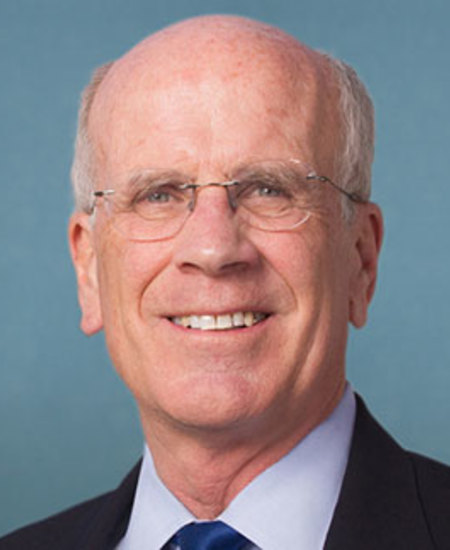
Peter Welch
Senate
|
D |
Strong +
|
81% | 27 |
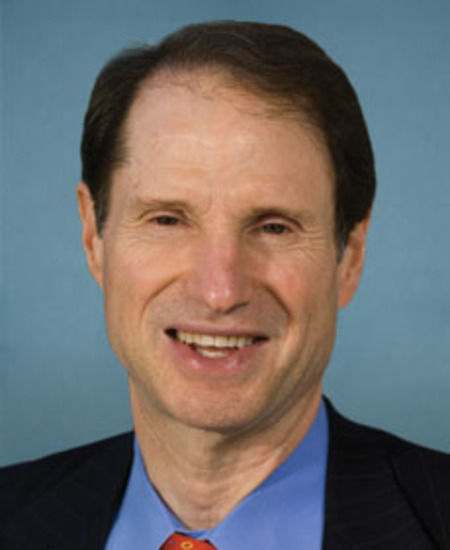
Ron Wyden
Senate
|
D |
Support
|
78% | 27 |

Alex Padilla
Senate
|
D |
Support
|
77% | 26 |
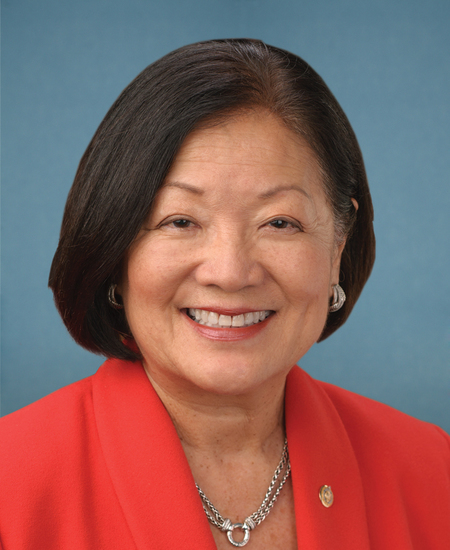
Mazie K. Hirono
Senate
|
D |
Support
|
74% | 27 |
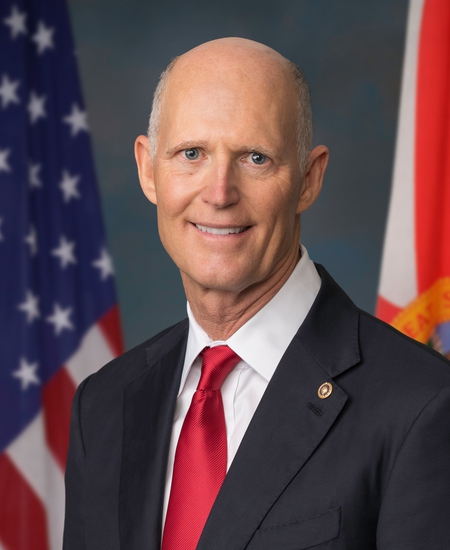
Rick Scott
Senate
|
R |
Strong −
|
19% | 27 |
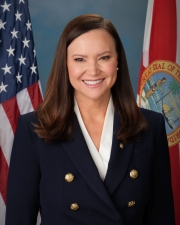
Ashley Moody
Senate
|
R |
Oppose
|
22% | 27 |

Rand Paul
Senate
|
R |
Oppose
|
22% | 27 |
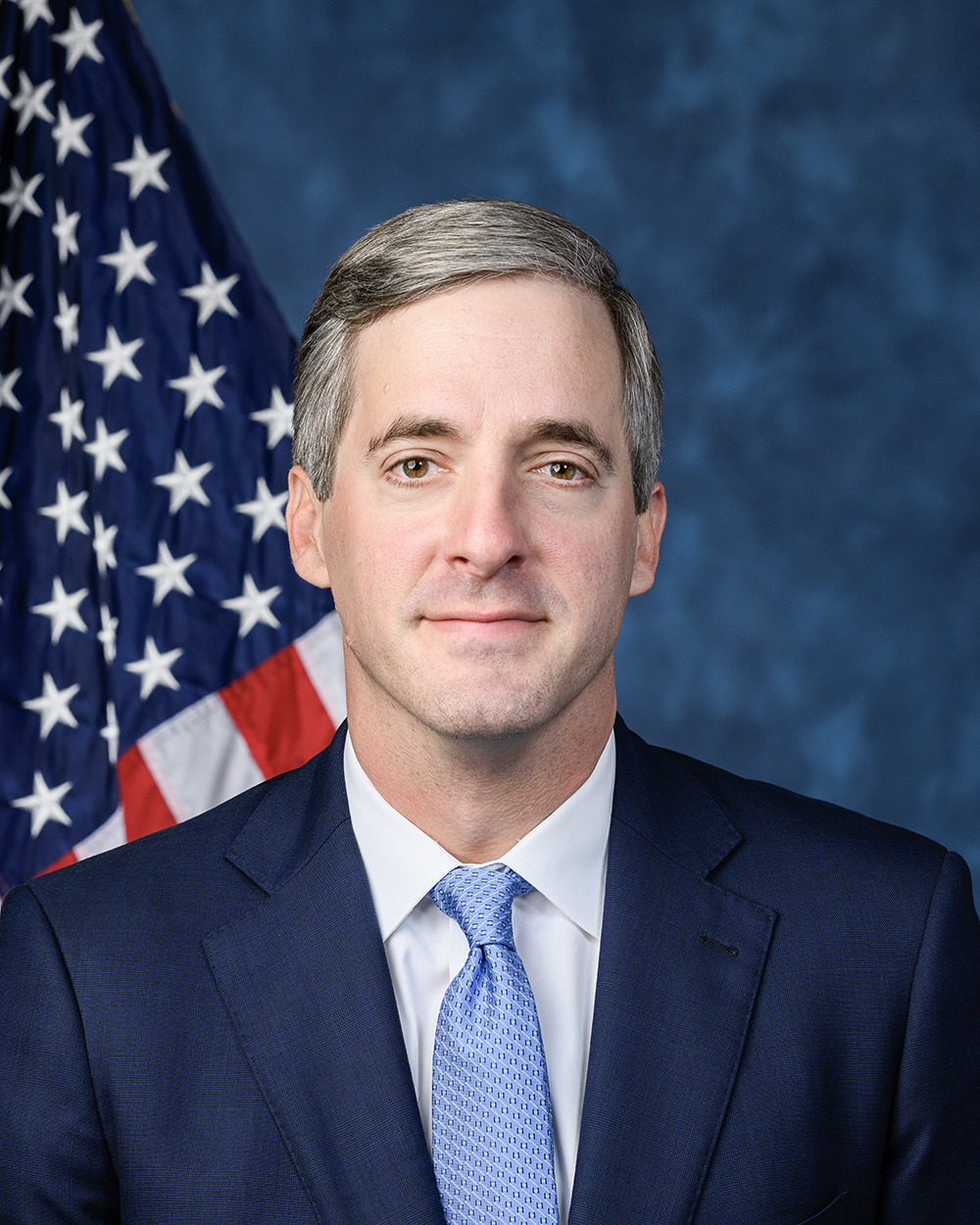
Brad Knott
House · District 13
|
R |
Oppose
|
28% | 18 |
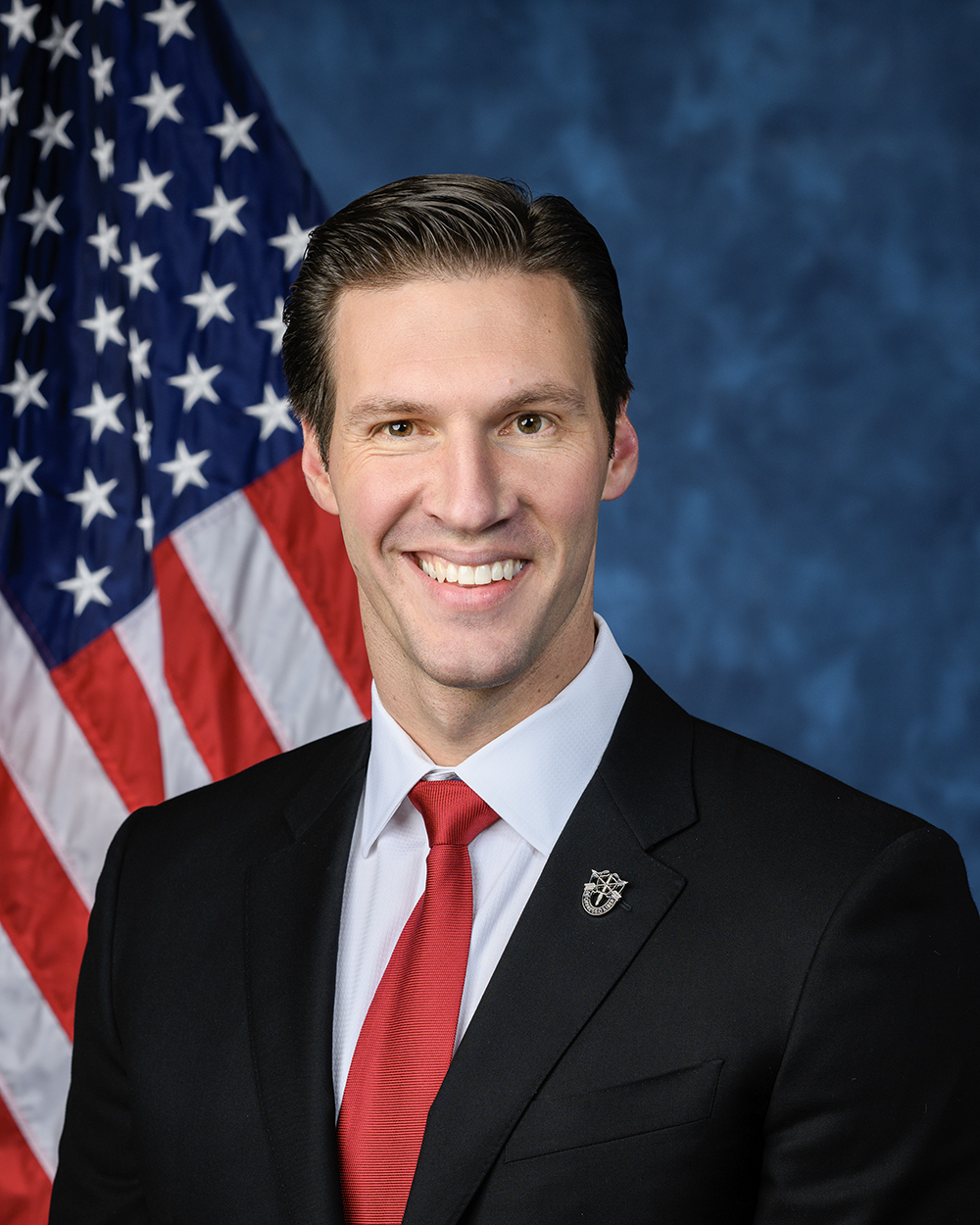
Pat Harrigan
House · District 10
|
R |
Oppose
|
28% | 18 |
Showing 2,101–2,110 of 2,988
bills
All healthcare bills
HR 6130: ASAP Act
Sub-Topics
Medicare
S 793: A bill to amend the Commander John Scott Hannon Veterans Mental Health Care Improvement Act of 2019 to modify and reauthorize the Staff Sergeant Parker Gordon Fox Suicide Prevention Grant Program of the Department of Veterans Affairs.
Topics
✓ Budget & TaxesSupports Budget & TaxesIncreases VA grant funding from $174M to $285M for veterans' suicide prevention, directly allocating more government spending on a public service program.
✓ HealthcareSupports HealthcareIncreases VA suicide prevention grant funding ($750k→$1.25M), extends program through 2028 ($285M allocation), and adds evaluation metrics - directly advancing veterans' mental health care services.
✓ VeteransSupports VeteransIncreases grant amounts to $1.25M, extends funding through 2028 with $285M, and adds VA program evaluation metrics for veteran suicide prevention.
HR 3603: Andrew Kearse Accountability for Denial of Medical Care Act of 2025
Topics
✓ Criminal JusticeSupports Criminal JusticeBill mandates immediate medical care for federal custody individuals and penalizes negligence, enhancing accountability and protecting civil rights in corrections, directly advancing criminal justice reform.
✓ HealthcareSupports HealthcareMandates immediate medical care for federal detainees in distress, preventing denial of care and protecting patient rights in custody settings.
HR 1715: Public Health Funding Restoration Act
Topics
✓ Budget & TaxesSupports Budget & TaxesRestores $2B annual funding for public health programs, reversing prior cuts, directly increasing government spending on essential services like CDC initiatives.
✓ HealthcareSupports HealthcareRestores $2B annual funding to Prevention and Public Health Fund, reversing prior cuts to CDC immunization and state health programs per bill summary.
Sub-Topics
Public Health
S 862: HBOT Access Act of 2025
Topics
✓ HealthcareSupports HealthcareMandates VA coverage of HBOT for TBI/PTSD veterans, expanding treatment access and addressing suicide risk per bill's findings.
✓ VeteransSupports VeteransMandates VA coverage of HBOT for TBI/PTSD veterans with suicide risk, expanding healthcare access and directly addressing veteran health needs.
S 819: End Tobacco Loopholes Act
Topics
✓ Budget & TaxesSupports Budget & TaxesBill explicitly closes tax loopholes and increases tax rates across tobacco products, aligning with fiscal responsibility indicators.
✓ HealthcareSupports HealthcareBill increases tobacco/vaping taxes to reduce consumption, a proven public health strategy targeting tobacco-related diseases and lowering healthcare costs associated with smoking.
Sub-Topics
Sales Tax
S 768: Invest to Protect Act of 2025
Topics
✓ Budget & TaxesSupports Budget & TaxesBill creates federal grant program funding law enforcement training, retention, and mental health services, directly advancing government spending on public safety programs.
✓ Criminal JusticeSupports Criminal JusticeFunds de-escalation training, mental health response, and officer wellness programs - directly advancing reform goals like reducing use-of-force incidents and improving accountability.
✓ HealthcareSupports HealthcareFunds behavioral health services for officers, directly supporting mental health care access per bill's summary.
✓ Labor & EmploymentSupports Labor & EmploymentBill provides funding for law enforcement officer retention bonuses, mental health training, and behavioral health services, improving workplace safety and benefits for this worker group.
S 3714: Family-to-Family Reauthorization Act of 2026
S 585: Servicemember to Veteran Health Care Connection Act of 2025
Topics
✓ HealthcareSupports HealthcareAutomates VA healthcare enrollment for transitioning veterans, improving access to services without restrictions or defunding.
✓ TechnologySupports TechnologyBill mandates automated pre-registration system and requires VA to use email, mail, or phone for outreach, advancing digital health care enrollment technology for service members transitioning to veterans.
✓ VeteransSupports VeteransAutomates VA enrollment for transitioning veterans, simplifies healthcare access, and mandates proactive outreach - directly advancing veteran health care services.