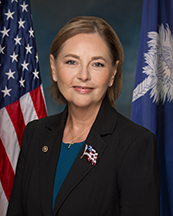
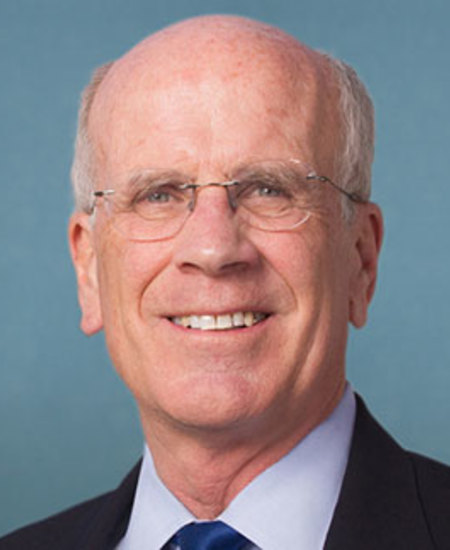
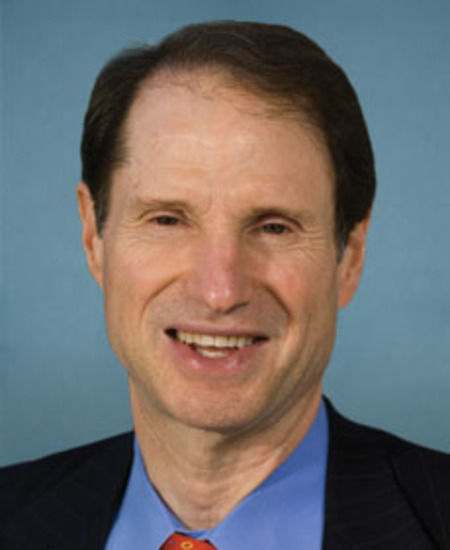
Key legislators
Who's moving healthcare in United States
Showing 3 of 3
bills
All healthcare bills
HR 6945 clarifies that states may use federal grants under Section 403 of the Social Security Act to support pregnancy centers meeting specific criteria. These centers must promote protecting both mother and unborn child life while providing services like counseling, pregnancy testing, and material support (e.g., diapers, baby clothes). The bill explicitly prohibits interpreting existing law as barring such funding for eligible centers. It does not create new funding but defines which pregnancy resource organizations qualify for existing grants.
This bill requires colleges receiving federal student aid to provide clear information about pregnancy-related accommodations and resources to all students annually. It mandates institutions to send emails to enrolled students each academic year, include details in student handbooks and orientations, and display the information at health centers and on websites. The disclosure must cover campus/community resources for pregnant students, available accommodations, and how to file complaints under Title IX regarding pregnancy discrimination. The bill does not create new rights but ensures existing protections and resources are communicated to students. It directly affects all participating colleges and pregnant students enrolled in higher education programs.
# Summary of U.S. Department of State, Foreign Operations, and Related Programs Appropriations Bill
This document is a comprehensive federal appropriations bill for the Department of State, foreign operations, and related programs for fiscal year 2026. It contains detailed provisions governing the allocation, use, and reporting requirements for foreign assistance funds.
## Key Provisions
1. **Funding Restrictions**:
- Prohibits funding for abortions as a method of family planning or involuntary sterilization
- Bans direct assistance to governments of Cuba, North Korea, or Iran
- Prohibits assistance to countries that have experienced a military coup d'état
- Restricts assistance to countries in default on U.S. loans
- Prohibits funding for countries supporting international terrorism
2. **Notification Requirements**:
- Mandates 15-day advance notification to Congress for program changes exceeding $1 million or 10%
- Requires prior consultation for major program changes or reprogramming
- Requires notification for assistance to specific countries including Afghanistan, Iran, Syria, and others
3. **Funding Allocation Rules**:
- Specifies minimum funding levels for various programs
- Limits deviations from designated amounts to 10% (up to 50% for national security emergencies)
- Requires detailed reports on fund allocation at program, project, and activity levels
4. **Prohibited Expenditures**:
- Bans first-class travel in contravention of federal regulations
- Prohibits use of funds for tobacco promotion
- Restricts use of funds for entertainment at recreational events
- Requires computer network filters to block sexually explicit websites
5. **Reporting and Transparency**:
- Requires posting of reports on public websites within 45 days
- Mandates detailed beneficiary feedback collection for assistance programs
- Requires impact evaluations of foreign assistance programs
- Requires coordination of foreign assistance with Department of State programs
6. **Transfer Authorities**:
- Allows limited transfers between appropriations accounts (up to 5%)
- Requires prior consultation for significant transfers
- Prohibits transfers to other departments without specific authorization
This bill represents a comprehensive framework for U.S. foreign assistance, emphasizing accountability, transparency, national security considerations, and restrictions on certain types of funding. It contains numerous specific prohibitions and requirements aimed at ensuring U.S. foreign aid serves American interests while adhering to specific policy constraints.