Issue · Environment

Environment (Agriculture)

Every environment bill, vote, and legislator stance in United States, automatically classified by Maddy, our AI policy reader.

Total bills
70
119th Congress
Top supporter
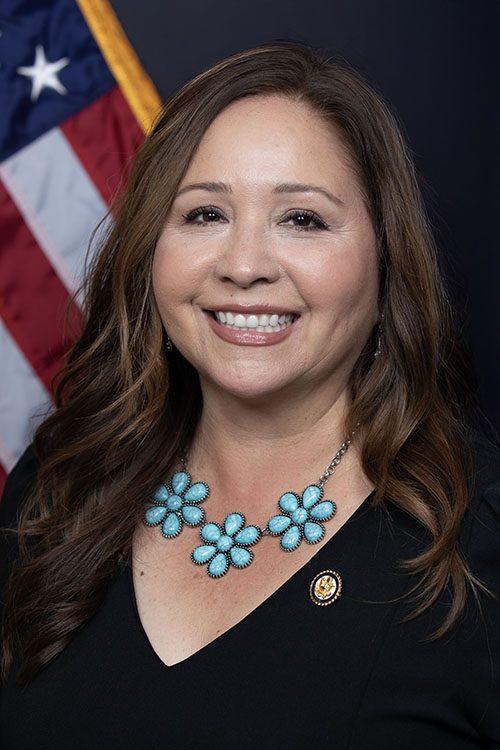
Marie Gluesenkamp Perez
89% support rate
Top opponent
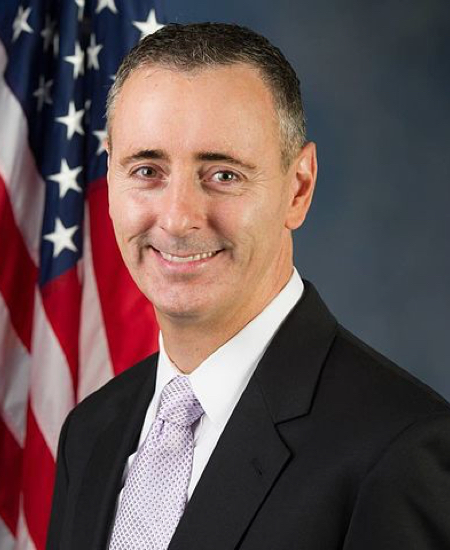
Brian K. Fitzpatrick
22% support rate
Ranked legislators
10
5 support · 5 oppose
Key legislators

Who's moving environment · agriculture in United States

Legislators moving environment in United States
Legislator Party Stance Support rate Votes
Marie Gluesenkamp Perez
Marie Gluesenkamp Perez House · District 3
D
Strong +
89% 9
Aaron Bean
Aaron Bean House · District 4
R
Support
78% 9
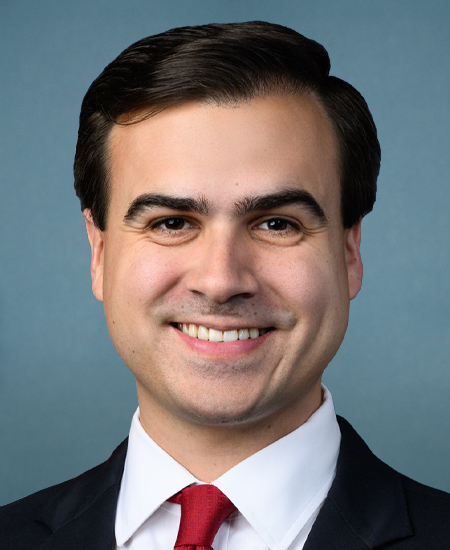
Abraham J. Hamadeh
Abraham J. Hamadeh House · District 8
R
Support
78% 9
Anna Paulina Luna
Anna Paulina Luna House · District 13
R
Support
78% 9
Ben Cline
Ben Cline House · District 6
R
Support
78% 9
Brian K. Fitzpatrick
Brian K. Fitzpatrick House · District 1
R
Oppose
22% 9
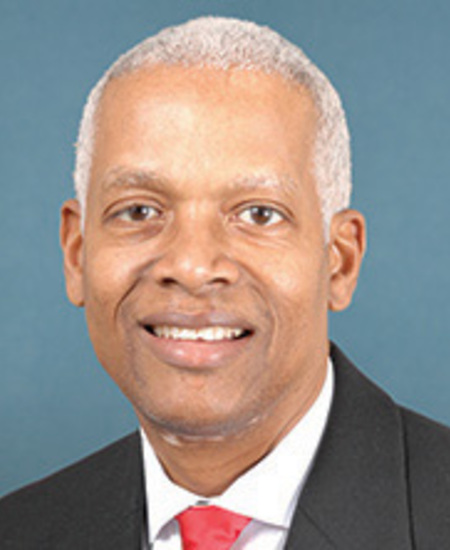
Henry C. "Hank" Johnson, Jr.
Henry C. "Hank" Johnson, Jr. House · District 4
D
Oppose
22% 9
Eleanor Holmes Norton
Eleanor Holmes Norton House · District At-Large
D
Oppose
29% 7
Pablo José Hernández
Pablo José Hernández House · District At-Large
D
Oppose
29% 7
Adelita S. Grijalva
Adelita S. Grijalva House · District 7
D
Oppose
33% 9
Showing 1–10 of 70 bills

All environment bills

in committee · United States · Senate Aug 6, 2026

S 5277: RANCH Act

The RANCH Act establishes a program for the Secretary of Agriculture to enroll cropland that has been planted in at least four of the last six years, requiring its conversion to perennial grass and forb cover to support grazing. Landowners who enter into contracts lasting 10 to 15 years receive annual rental payments equal to 75 percent of the local average dryland cash rental rate, along with cost-sharing assistance for establishing vegetation. To participate, landowners must develop a site-specific grazing management plan within two years and are permitted to graze livestock, manage fire risks, and conduct emergency haying during declared droughts or natural disasters. The program prioritizes beginning farmers, wildlife habitat conservation, and highly erodible land, with a total enrollment cap of 20 million acres and an individual annual payment limit of $155,000.
Sub-Topics Conservation Public Lands Wildlife Tags Agriculture
in committee · United States · Senate Aug 4, 2026

S 5234: Human-Wildlife Conflict Reduction Act of 2026

The Human-Wildlife Conflict Reduction Act of 2026 directs the Secretary of Agriculture to establish a federal program focused on developing and implementing nonlethal strategies to reduce conflicts between wildlife, humans, and livestock. The program will absorb existing nonlethal initiatives from the Animal and Plant Health Inspection Service and prioritize efforts in states where these operations are already active, with a specific focus on protecting livestock from predators and preventing damage to agriculture and infrastructure. To support these goals, the Act authorizes the provision of assistance, training, and demonstration projects for landowners, agricultural producers, Indian Tribes, and nonprofit organizations, while also requiring the development of state-level implementation plans. The legislation appropriates $20 million annually for fiscal years 2027 through 2031 to fund these activities, with a cap limiting research expenditures to no more than 10 percent of the total annual budget.
Sub-Topics Public Lands Wildlife Tags Agriculture
in committee · United States · Senate Jul 23, 2026

S 5115: Farmers Lifeline Options for Overcoming Disasters (FLOOD) Act

The FLOOD Act amends the Food Security Act to incorporate specific emergency watershed protection measures from the Agricultural Credit Act of 1978. This change directly affects farmers and agricultural operations by integrating existing disaster response protocols into the broader food security framework. The bill does not create new programs but rather expands the scope of current emergency measures to include watershed protection. By linking these two statutes, the legislation ensures that watershed safeguards are formally recognized as part of the emergency response options available to the agricultural sector.
Sub-Topics Coastal & Flood Protection Natural Disasters Water Quality Tags Agriculture Emergency Management
in committee · United States · Senate Jul 23, 2026

S 5126: Seeds and Breeds for the Future Act

The Seeds and Breeds for the Future Act directs the U.S. Department of Agriculture to allocate at least $75 million annually toward developing new plant cultivars and animal breeds that are publicly funded and available for commercial use. This funding prioritizes research on climate-resilient crops, nutritionally improved varieties for local populations, and breeds adapted to specific regional conditions or dual-use energy systems. The bill also establishes a new coordinator role to oversee breeding research across the department and mandates that any public breed developed with federal funds must be produced substantially within the United States if sold under exclusive rights. Additionally, the legislation requires the implementation of strategic plans to assess and utilize national collections of plant and animal genetic resources, ensuring these materials remain accessible for future agricultural needs.
Tags Agriculture
in committee · United States · Senate Jul 13, 2026

S 4951: Opening Programs to Organic Farms Act

The Opening Programs to Organic Farms Act requires the Department of Agriculture to conduct a comprehensive study on the obstacles preventing certified organic farms and those transitioning to organic production from accessing USDA programs. This report must detail specific barriers related to eligibility, funding, paperwork, and staff knowledge, along with data on application and approval rates. Following the initial study, the Secretary of Agriculture must submit annual updates for three years to track progress on removing these hurdles and propose any necessary legal changes. The bill directly affects organic farmers and the USDA agencies responsible for administering agricultural support programs.
Tags Agriculture
in committee · United States · House Jul 23, 2026

HR 9927: Farmers Lifeline to Overcoming Disasters (FLOOD) Act

The FLOOD Act amends the Food Security Act of 1985 to incorporate emergency watershed protection measures from the Agricultural Credit Act of 1978. This change directly affects farmers and landowners by expanding the legal framework available for addressing urgent water-related issues on agricultural land. By adding this specific reference to existing law, the bill ensures that current emergency protocols for watershed protection are formally recognized within the broader food security legislation. The provision does not create new funding or alter eligibility criteria but rather integrates an existing set of measures into the statutory text.
in committee · United States · House Jun 30, 2026

HRES 1388: Recognizing the importance of pollinators to ecosystem health and agriculture in the United States and expressing support for "National Pollinator Week".

This resolution recognizes the vital role that pollinators, such as bees, butterflies, and birds, play in supporting U.S. agriculture and ecosystem health. It highlights that these creatures contribute over $18 billion annually to crop production while helping to maintain biodiversity and environmental stability. The bill formally expresses support for National Pollinator Week and encourages the public to participate in related conservation and educational activities. Additionally, it acknowledges the significant decline in certain pollinator populations due to habitat loss and disease, urging continued efforts to protect these species.
Sub-Topics Conservation Wildlife Tags Agriculture
in committee · United States · House Jun 30, 2026

HR 9357: Paraquat Prevention Act

The Paraquat Prevention Act directs the Environmental Protection Agency to immediately cancel the registration of paraquat, a pesticide used in agriculture, and to revoke any existing safety limits for its residues in food. This legislation also prohibits the sale and use of any remaining paraquat stocks already on the market and bars the EPA from re-registering the chemical in the future. By removing paraquat from legal use, the bill directly impacts farmers who currently rely on it and consumers concerned about pesticide exposure in their food supply.
Tags Agriculture
in committee · United States · House Jun 30, 2026

HR 9217: Natural Climate Solutions Research and Extension Act of 2026

The Natural Climate Solutions Research and Extension Act of 2026 directs federal funding toward agricultural research and extension programs focused on natural climate solutions. This legislation specifically targets practices in farmlands, grasslands, wetlands, and forests that store carbon or lower greenhouse gas emissions. The bill requires these initiatives to incorporate traditional ecological knowledge, support biodiversity, and reduce water runoff. By amending an existing farm bill, the act aims to expand grant opportunities for land management strategies that address climate change.
Sub-Topics Climate Change Conservation Public Lands Tags Agriculture
in committee · United States · Senate Jun 9, 2026

S 4725: Natural Climate Solutions Research and Extension Act of 2026

The Natural Climate Solutions Research and Extension Act of 2026 directs federal funding toward studying and promoting land management practices that help store carbon or lower greenhouse gas emissions in agricultural lands, grasslands, wetlands, and forests. This legislation specifically supports projects that incorporate traditional ecological knowledge, enhance biodiversity, and reduce water runoff. By amending an existing agricultural law, the bill ensures that research grants prioritize these environmental benefits to improve climate resilience.
Sub-Topics Climate Change Conservation Public Lands Tags Agriculture
Showing 1 to 10 of 70 bills
1 2 3 7 Next