Issue · Environment

Environment (Parks & Recreation)

Every environment bill, vote, and legislator stance in United States, automatically classified by Maddy, our AI policy reader.

Total bills
77
119th Congress
Top supporter
Adam Gray
100% support rate
Top opponent
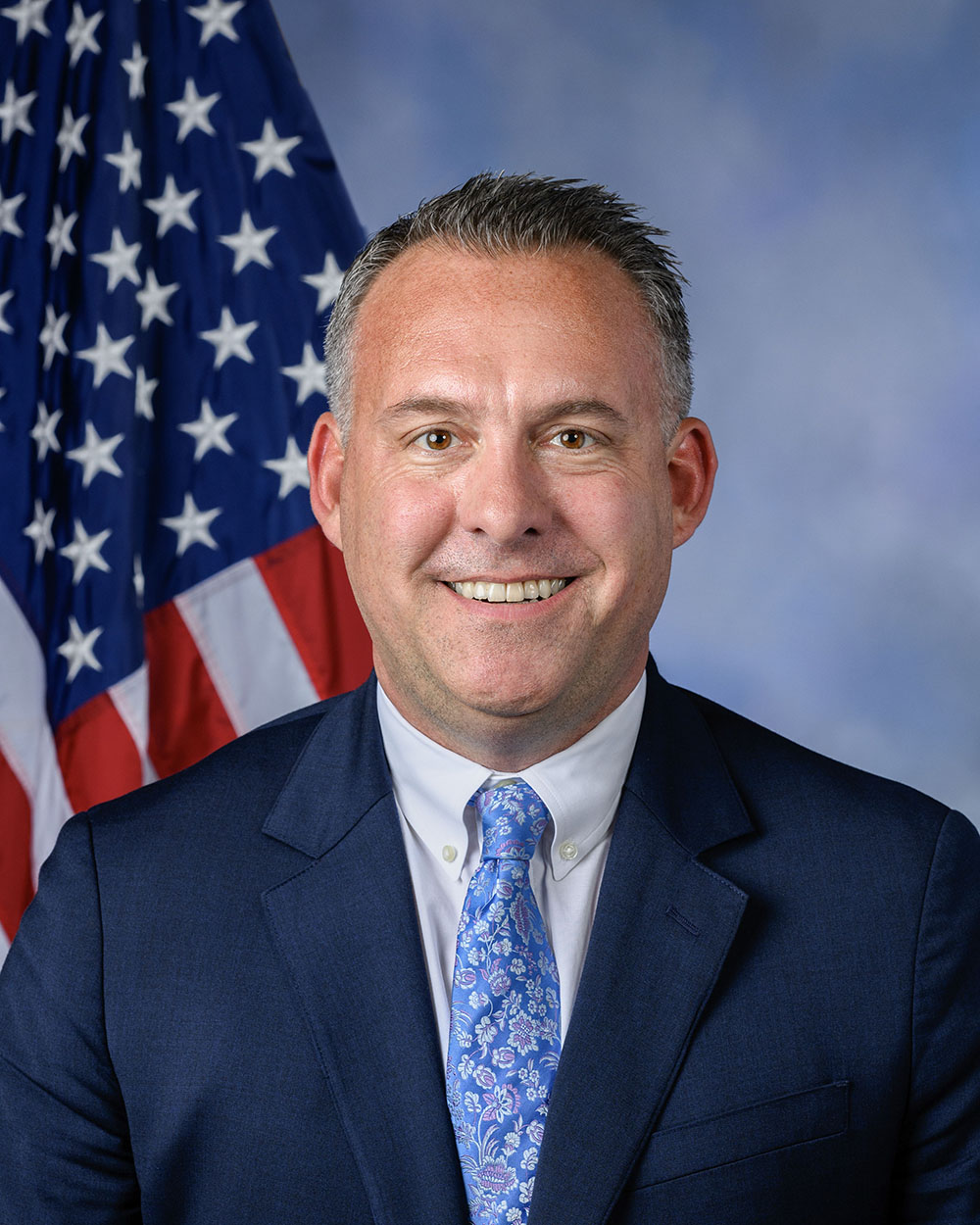
Aaron Bean
0% support rate
Ranked legislators
10
5 support · 5 oppose
Key legislators

Who's moving parks & recreation in United States

Legislators moving parks & recreation in United States
Legislator Party Stance Support rate Votes
Adam Gray
Adam Gray House · District 13
D
Strong +
100% 4
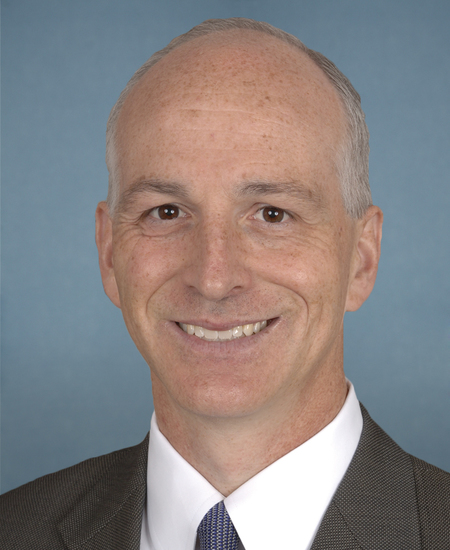
Adam Smith
Adam Smith House · District 9
D
Strong +
100% 4
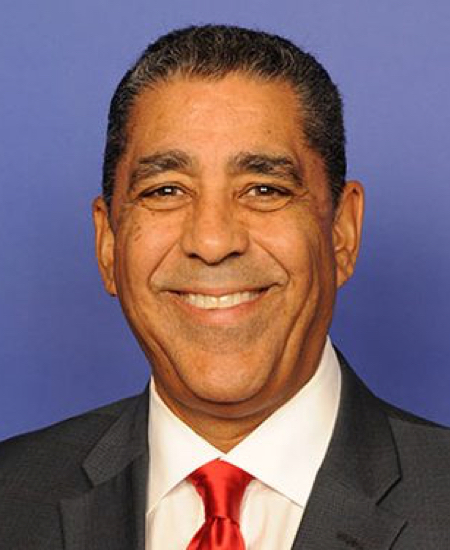
Adriano Espaillat
Adriano Espaillat House · District 13
D
Strong +
100% 4
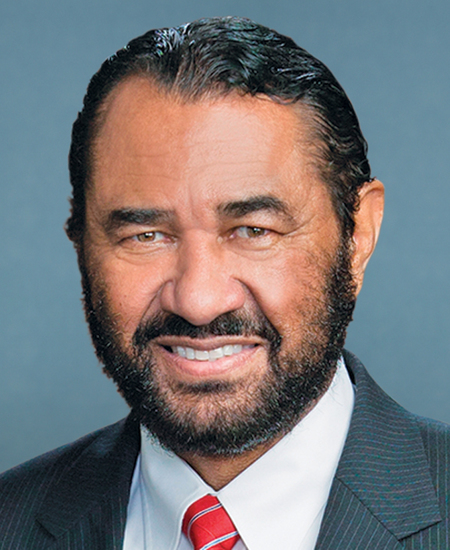
Al Green
Al Green House · District 9
D
Strong +
100% 4
Alexandria Ocasio-Cortez
Alexandria Ocasio-Cortez House · District 14
D
Strong +
100% 4
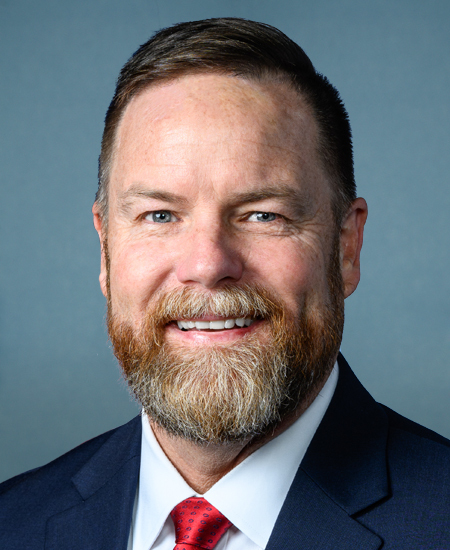
Aaron Bean
Aaron Bean House · District 4
R
Strong −
0% 4
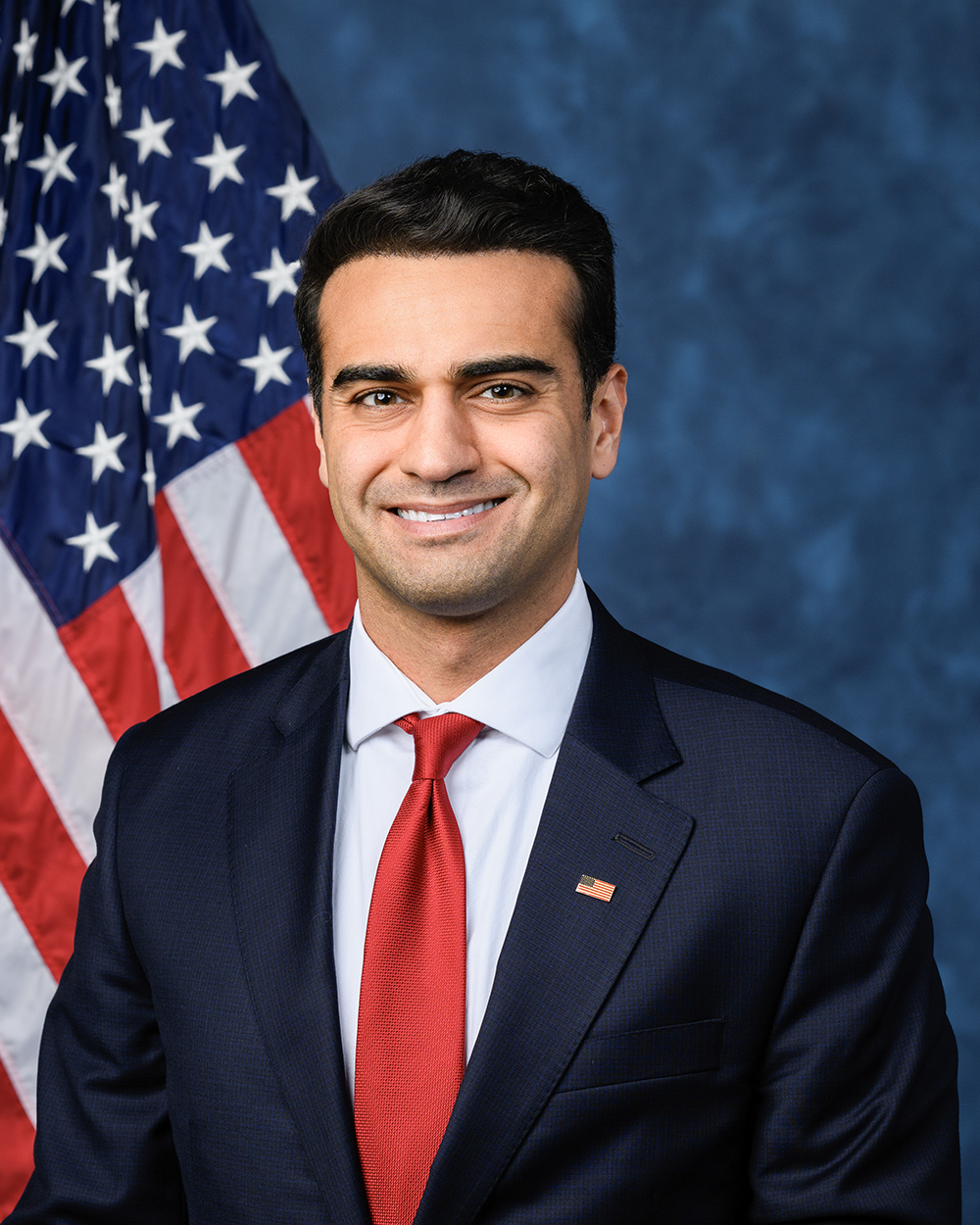
Abraham J. Hamadeh
Abraham J. Hamadeh House · District 8
R
Strong −
0% 4
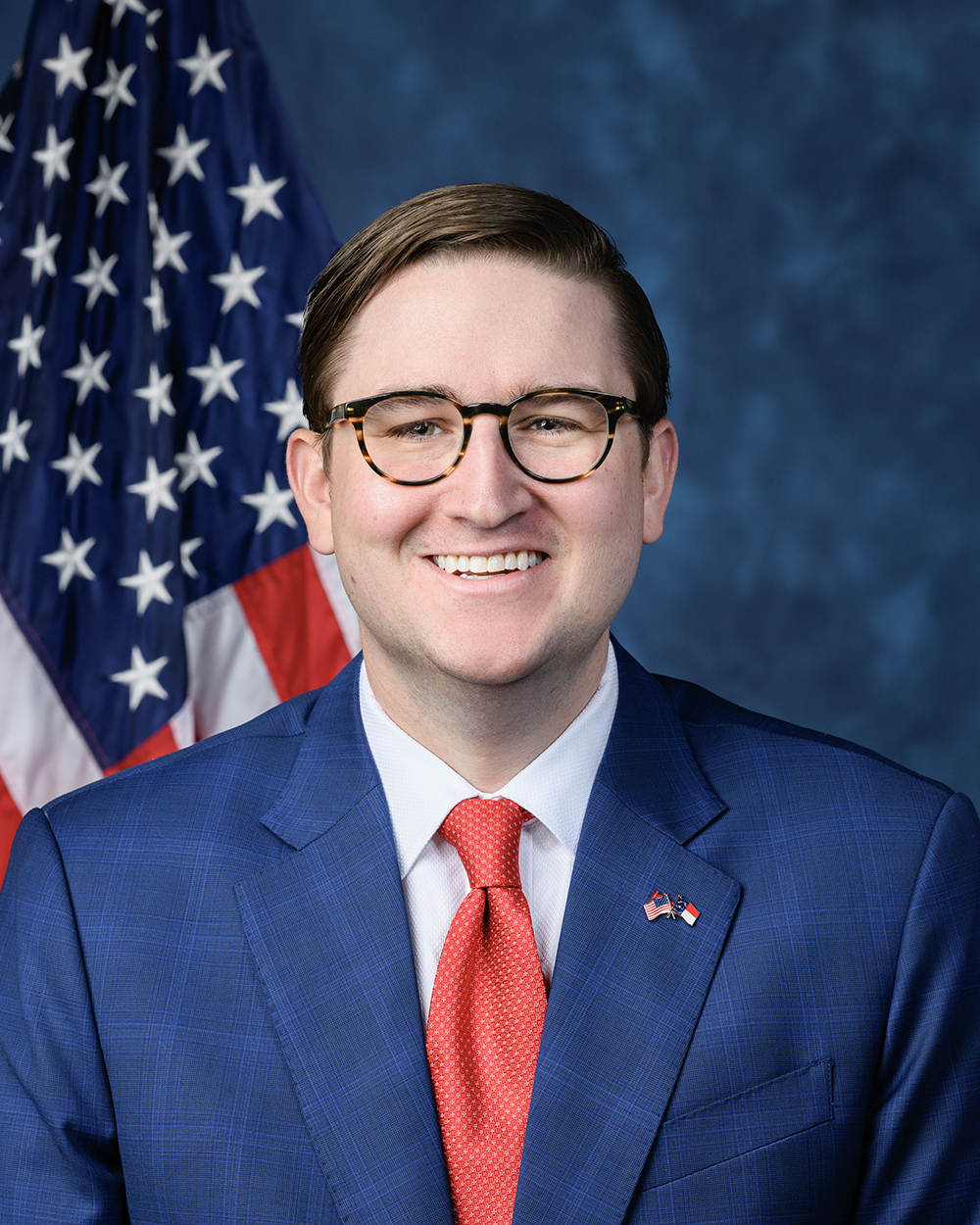
Addison P. McDowell
Addison P. McDowell House · District 6
R
Strong −
0% 4
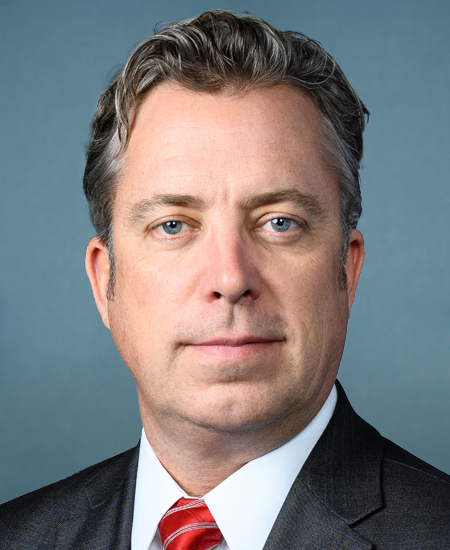
Andrew Ogles
Andrew Ogles House · District 5
R
Strong −
0% 4
Andrew R. Garbarino
Andrew R. Garbarino House · District 2
R
Strong −
0% 4
Showing 71–77 of 77 bills

All environment bills

in committee · United States · Senate Jul 21, 2026

S 3785: North Rim and Kaibab National Forest Restoration Act of 2026

This bill authorizes emergency contracting for recovery efforts in the Grand Canyon National Park and Kaibab National Forest after the Dragon Bravo and White Sage wildfires (which burned over 200,000 acres and destroyed structures). It grants the Secretaries of Interior and Agriculture emergency contracting authority to quickly hire contractors for forest restoration, rebuilding structures, and ecological recovery within the affected areas, while requiring detailed public reports on spending, contractors, and progress. The law mandates involving tribes and local stakeholders in planning and prioritizes contracts with tribal and local businesses for reconstruction work. It also allows noncompetitive contracts with existing park concessioners to coordinate recovery efforts and requires a joint study on recovery costs. The emergency authority expires after 5 years or when recovery is complete, whichever comes first.
in committee · United States · Senate Feb 12, 2026

S 3526: PUBLIC Lands Act

The PUBLIC Lands Act designates approximately 1.3 million acres of California public land as wilderness areas, scenic areas, or wild and scenic rivers. It establishes the South Fork Trinity-Mad River Restoration Area (871,414 acres) to improve forest resilience, protect water quality, and reduce wildfire risks through collaborative restoration planning. The bill creates new recreational trails like the Bigfoot National Recreation Trail and designates visitor centers at Trinity Lake and Del Norte County. These designations withdraw the lands from mining, mineral leasing, and other public land disposal while allowing for prescribed fire and limited recreational use.
in committee · United States · House Jul 24, 2025

HR 4754: Department of the Interior, Environment, and Related Agencies Appropriations Act, 2026

Department of the Interior, Environment, and Related Agencies Appropriations Act, 2026 This bill provides FY2026 appropriations for the Department of the Interior, the Environmental Protection Agency (EPA), and several related agencies. The bill provides appropriations to Interior for the Bureau of Land Management, the U.S. Fish and Wildlife Service, the National Park Service, the U.S. Geological Survey, the Bureau of Ocean Energy Management, the Bureau of Safety and Environmental Enforcement, the Office of Surface Mining Reclamation and Enforcement, the Bureau of Indian Affairs, the Bureau of Indian Education, the Bureau of Trust Funds Administration, Departmental Offices, and Department-Wide Programs. The bill also provides appropriations to the EPA and the Forest Service. Within the Department of Health and Human Services, the bill provides appropriations for the Indian Health Service, the National Institute of Environmental Health Sciences, and the Agency for Toxic Substances and Disease Registry. The bill provides appropriations to several related agencies, including the Council on Environmental Quality and Office of Environmental Quality, the Chemical Safety and Hazard Investigation Board, the Institute of American Indian and Alaska Native Culture and Arts Development, the Smithsonian Institution, the National Gallery of Art, the John F. Kennedy Center for the Performing Arts, the Woodrow Wilson International Center for Scholars, the National Endowment for the Arts, the National Endowment for the Humanities, the Commission of Fine Arts, the Advisory Council on Historic Preservation. the National Capital Planning Commission, the U.S. Holocaust Memorial Museum, and the U.S. Semiquincentennial Commission. Additionally, the bill sets forth requirements and restrictions for using funds provided by this and other appropriations acts.
Sub-Topics Parks & Recreation Public Lands Wildlife Tags Tribal Nations
in committee · United States · Senate Jun 26, 2025

S 2179: Canyon’s Law

S 2179, "Canyon’s Law," bans the use of M-44 devices (sodium cyanide-based poisoners) on public lands managed by federal agencies like the National Park Service, U.S. Fish and Wildlife Service, and Bureau of Land Management. The bill prohibits placing, deploying, or using these devices on public land and requires all existing devices to be removed within 30 days of enactment. It directly affects federal land management agencies and any entity currently authorized to use M-44s, such as state wildlife or livestock control programs. The law aims to prevent further harm to people, non-target wildlife (including endangered species like eagles and bears), and pets, following documented incidents of poisoning and animal deaths.
in committee · United States · House May 23, 2025

HR 3604: Reducing Waste in National Parks Act

HR 3604, the *Reducing Waste in National Parks Act*, requires National Park Service (NPS) units to reduce and eliminate the sale of disposable plastic products (including water bottles, bags, and food containers) where feasible, considering operational factors like cost, waste reduction, and concessioner impacts. Park officials must develop visitor education plans, implement refill stations, and weigh 13 specific factors before eliminating sales, such as infrastructure costs, revenue effects, and public health safety. The program must be evaluated every two years to measure visitor satisfaction, waste collection rates, and safety outcomes. This bill directly affects NPS operations, concessioners, and park visitors who use park facilities.
in committee · United States · House Sep 18, 2025

HRES 734: Recognizing the importance of engagement with the Latino community to get into outdoor recreation and participate in activities to protect United States natural resources, and expressing support for the designation of the third week of September as "Latino Conservation Week".

HRES 734 is a symbolic resolution designating the third week of September as "Latino Conservation Week." It recognizes the Latino community's longstanding engagement in outdoor recreation and conservation activities, such as hiking, stewardship events, and environmental justice efforts on public lands. The resolution affirms that including Latino voices strengthens public lands protection and climate resilience, highlighting their role as a growing force in the outdoor economy. It does not create new laws or funding but formally supports the annual observance initiated by the Hispanic Access Foundation.
in committee · United States · House Feb 27, 2025

HR 1728: Colorado Outdoor Recreation and Economy Act

This bill designates new wilderness areas and wildlife conservation areas across Colorado's national forests, protecting approximately 24,400 acres of land. It creates three Wildlife Conservation Areas (Porcupine Gulch, Williams Fork Mountains, and Spraddle Creek) totaling about 14,500 acres to conserve wildlife corridors while allowing limited recreational use and maintaining existing grazing rights. The bill also establishes the Thompson Divide Withdrawal and Protection Area to protect agricultural and ecological values, with a pilot program to capture methane emissions from coal mines. Additionally, it creates the Curecanti National Recreation Area (approximately 50,300 acres) to protect scenic and recreational resources along the Gunnison River, while maintaining existing management frameworks.
Showing 71 to 77 of 77 bills
Previous 1 6 7 8