Issue · Environment

Environment (Wildlife)

Every environment bill, vote, and legislator stance in United States, automatically classified by Maddy, our AI policy reader.

Total bills
194
119th Congress
Top supporter
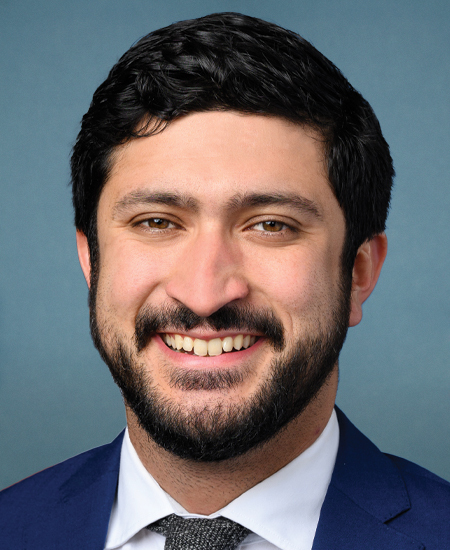
Greg Casar
83% support rate
Top opponent
Susan M. Collins
0% support rate
Ranked legislators
10
5 support · 5 oppose
Key legislators

Who's moving wildlife in United States

Legislators moving wildlife in United States
Legislator Party Stance Support rate Votes
Greg Casar
Greg Casar House · District 35
D
Strong +
83% 12
Judy Chu
Judy Chu House · District 28
D
Strong +
81% 16
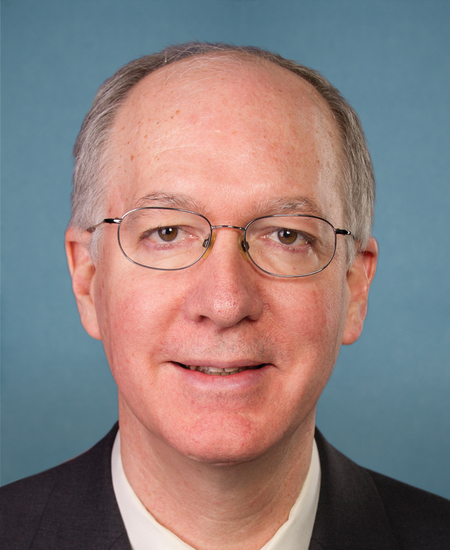
Bill Foster
Bill Foster House · District 11
D
Strong +
80% 15
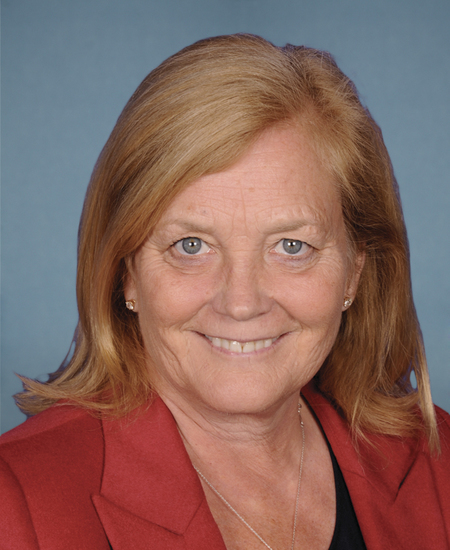
Chellie Pingree
Chellie Pingree House · District 1
D
Strong +
80% 15
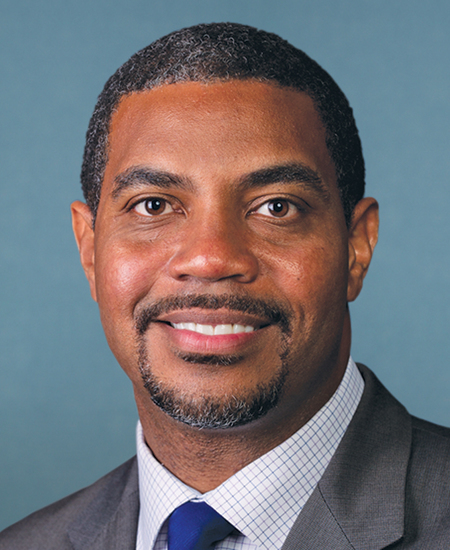
Steven Horsford
Steven Horsford House · District 4
D
Strong +
80% 15
Susan M. Collins
Susan M. Collins Senate
R
Strong −
0% 5
Aaron Bean
Aaron Bean House · District 4
R
Strong −
19% 16
Clay Fuller
Clay Fuller House · District 14
R
Strong −
20% 5
John Fetterman
John Fetterman Senate
D
Strong −
20% 5
Andrew Ogles
Andrew Ogles House · District 5
R
Oppose
21% 14
Showing 61–70 of 194 bills

All environment bills

in committee · United States · House Mar 3, 2025

HR 1780: Hawaii Native Species Conservation and Recovery Act of 2025

This bill establishes the Hawaii Native Species Conservation and Recovery Grant Program, providing federal funding to eligible entities like state/local governments, Native Hawaiian organizations, nonprofits, businesses, and universities. It directs grants toward projects preventing invasive species spread, addressing climate impacts on native habitats, restoring species populations, and increasing public engagement in conservation. The program requires 75% federal funding (with 100% possible for specific projects) and mandates that at least 5% of annual funds support projects led by Native Hawaiian organizations or focused on youth workforce development. The bill authorizes $30 million annually for 10 years, with funds supplementing (not replacing) existing conservation efforts in Hawaii.
Sub-Topics Conservation Wildlife
signed · United States · House Nov 25, 2025

HR 2316: Wetlands Conservation and Access Improvement Act of 2025

This bill amends the Pittman-Robertson Wildlife Restoration Act to delay when interest earned on the Federal aid to wildlife restoration fund becomes available for apportionment to states. Specifically, it changes the effective date from fiscal year 2026 to fiscal year 2033, meaning states will not receive this interest for wildlife conservation funding until 2033. The bill directly affects state wildlife conservation programs that rely on these federal funds for projects like habitat restoration. The title "Wetlands Conservation and Access Improvement Act" does not reflect the bill's actual focus, which is a procedural change to fund timing rather than new conservation measures.
Sub-Topics Conservation Wildlife
in committee · United States · House Apr 2, 2025

HR 2608: To remove certain species from the lists of threatened species and endangered species published pursuant to the Endangered Species Act of 1973.

HR 2608 permanently removes seven specific species - including Arabian oryx, banteng, and Grevy’s zebra - from the federal endangered and threatened species lists under the Endangered Species Act. It also prohibits the U.S. Fish and Wildlife Service from listing the Bukharan markhor as threatened or endangered in the future. This change ends federal legal protections for these species under the Act. The bill applies only to the named species and the Bukharan markhor’s future status.
Sub-Topics Wildlife
in committee · United States · House Jan 21, 2025

HR 587: To remove the lesser prairie-chicken from the lists of threatened species and endangered species published pursuant to the Endangered Species Act of 1973 and to amend that Act to exclude the lesser prairie-chicken from the authority of that Act.

HR 587 removes the lesser prairie-chicken (all populations) from the federal lists of threatened and endangered species under the Endangered Species Act. It also permanently amends the law to prevent the U.S. Fish and Wildlife Service from ever listing the bird as threatened or endangered in the future. This bill directly affects the lesser prairie-chicken by ending its current legal protections under the Endangered Species Act. The key mechanism is a specific exclusion added to the Act’s listing authority, blocking any future federal protection for this species.
Sub-Topics Wildlife
passed · United States · House Mar 17, 2026

HR 831: Lower Colorado River Multi-Species Conservation Program Amendment Act of 2025

Lower Colorado River Multi-Species Conservation Program Amendment Act of 2025 This bill establishes an interest-bearing account for the nonfederal contributions for the Lower Colorado River Multi-Species Conservation Program, a cooperative effort between federal and nonfederal entities in Arizona, California, and Nevada. The program works to recover multiple species listed under the Endangered Species Act. Currently, the pace of funding exceeds the pace of work. The bill allows the nonfederal contributions deposited in the fund to be made available, without further appropriation, for the program in the future. However, amounts derived from interest earned on amounts in the fund are subject to the availability of appropriations.
Sub-Topics Conservation Wildlife
in committee · United States · House Jan 8, 2026

HR 839: No FED in West Texas Act

HR 839, the "No FED in West Texas Act," prohibits the U.S. Department of the Interior from finalizing or implementing the Muleshoe National Wildlife Refuge Land Protection Plan. This bill directly affects the U.S. Fish and Wildlife Service and the Secretary of the Interior, blocking action on a specific 2023 plan for the refuge. The key provision bans the federal government from administering or enforcing the refuge's land protection plan as outlined in the February 2023 document. The bill does not create new policy but prevents the implementation of an existing federal land management plan.
in committee · United States · House Apr 18, 2025

HR 2235: Habitat Connectivity on Working Lands Act of 2025

HR 2235, the Habitat Connectivity on Working Lands Act of 2025, amends key USDA conservation programs to prioritize wildlife habitat connectivity, particularly for big game species like deer and elk. It adds habitat connectivity and migration corridors as conservation goals in the Environmental Quality Incentives Program (EQIP) and Conservation Stewardship Program (CSP), allowing payments for activities like planning and maintenance on grasslands enrolled in the Conservation Reserve Program (CRP) that are ecologically significant. The bill increases the maximum rental payment limit for CRP grasslands from $50,000 to $125,000 per year and requires the USDA to incorporate nonstructural methods (like virtual fencing) into conservation standards. It also directs research grants to study virtual fencing technology and its impacts on sensitive habitats used by big game species.
passed · United States · House May 14, 2025

HR 1001: To provide for a memorandum of understanding to address the impacts of a certain record of decision on the Upper Colorado River Basin Fund.

HR 1001 requires federal agencies to create a memorandum of understanding (MOU) addressing how a specific 2024 record of decision (related to Glen Canyon Dam operations) might impact the Upper Colorado River Basin Fund. The MOU, developed with the Glen Canyon Dam Adaptive Management Work Group, must establish a plan to address three key areas: potential effects on infrastructure costs and operations, impacts on hydropower production and grid reliability, and effects on endangered species. It directly affects the Interior Department, Energy Department, and the fund managing hydropower revenues from Glen Canyon Dam. The bill focuses on assessing and planning for potential financial and operational impacts, not on changing the record of decision itself.
in committee · United States · House Jan 31, 2025

HR 840: To provide that the final rule of the United States Fish and Wildlife Service titled "Endangered and Threatened Wildlife and Plants; Endangered Species Status With Critical Habitat for Guadalupe Fatmucket, Texas Fatmucket, Guadalupe Orb, Texas Pimpleback, Balcones Spike, and False Spike, and Threatened Species Status With Section 4(d) Rule and Critical Habitat for Texas Fawnsfoot" shall have no force or effect.

HR 840 would eliminate a federal rule protecting six specific mussel species (Guadalupe Fatmucket, Texas Fatmucket, Guadalupe Orb, Texas Pimpleback, Balcones Spike, and False Spike) as endangered, and one species (Texas Fawnsfoot) as threatened, along with their designated critical habitats. The bill directly affects these mussel species by removing their legal protections under the Endangered Species Act. It achieves this by declaring the U.S. Fish and Wildlife Service's final rule (published June 4, 2024) "shall have no force or effect." This is a procedural bill that would reverse an existing regulatory action, not create new policy.
Sub-Topics Wildlife
in committee · United States · House Apr 29, 2025

HR 3061: BRIDGE Production Act of 2025

The BRIDGE Production Act of 2025 requires the Secretary of the Interior to hold 26 offshore oil and gas lease sales over 10 years (20 in the Gulf of America, 6 in Cook Inlet), with specific timing and acreage requirements for each sale. It lowers the minimum royalty rate from 16.67% to 12.5% and creates a pilot program offering 10% royalties for the first 7 years of production for qualifying leaseholders who achieve first production within 3 years. The bill streamlines environmental compliance by deeming existing reviews sufficient for meeting National Environmental Policy Act and Endangered Species Act requirements. This legislation directly affects oil and gas companies seeking leases on the Outer Continental Shelf and the Bureau of Ocean Energy Management responsible for administering lease sales.
Showing 61 to 70 of 194 bills
Previous 1 6 7 8 20 Next