Issue · Environment

Environment (Public Lands)

Every environment bill, vote, and legislator stance in United States, automatically classified by Maddy, our AI policy reader.

Total bills
272
119th Congress
Top supporter
Adam B. Schiff
92% support rate
Top opponent
Alan Armstrong
0% support rate
Ranked legislators
10
5 support · 5 oppose
Key legislators

Who's moving public lands in United States

Legislators moving public lands in United States
Legislator Party Stance Support rate Votes
Adam B. Schiff
Adam B. Schiff Senate
D
Strong +
92% 12
Christopher A. Coons
Christopher A. Coons Senate
D
Strong +
92% 12
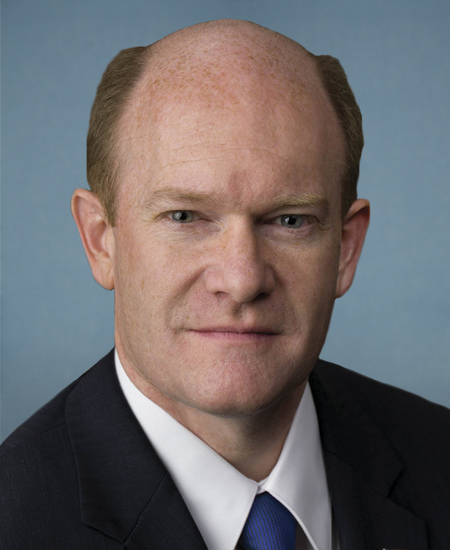
Christopher Murphy
Christopher Murphy Senate
D
Strong +
92% 12
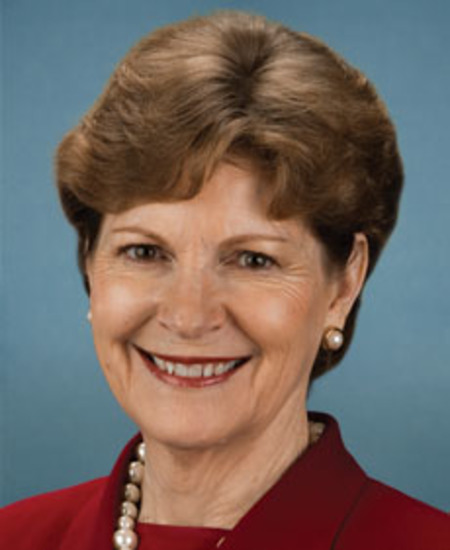
Jeanne Shaheen
Jeanne Shaheen Senate
D
Strong +
92% 12
Alex Padilla
Alex Padilla Senate
D
Strong +
85% 13
AA
Alan Armstrong Senate
R
Strong −
0% 3
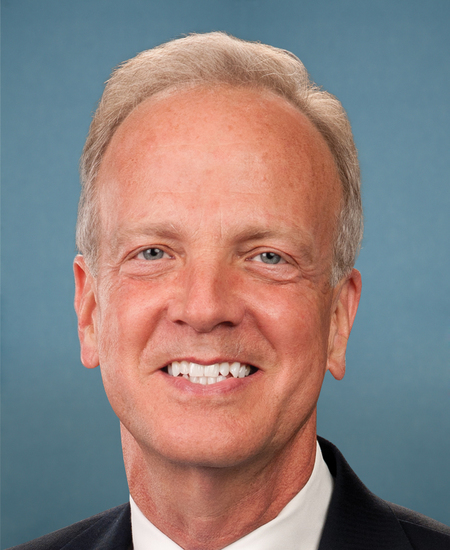
Jerry Moran
Jerry Moran Senate
R
Strong −
8% 12
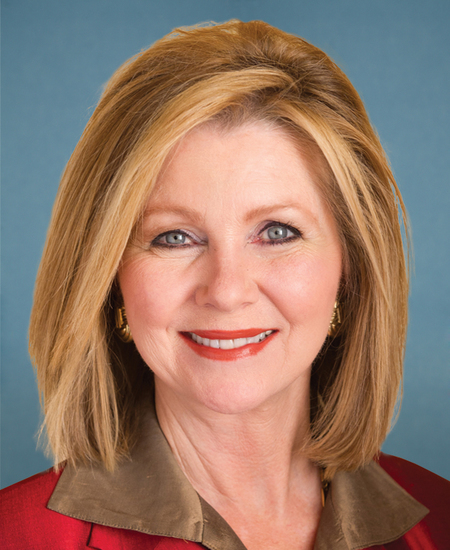
Marsha Blackburn
Marsha Blackburn Senate
R
Strong −
8% 12
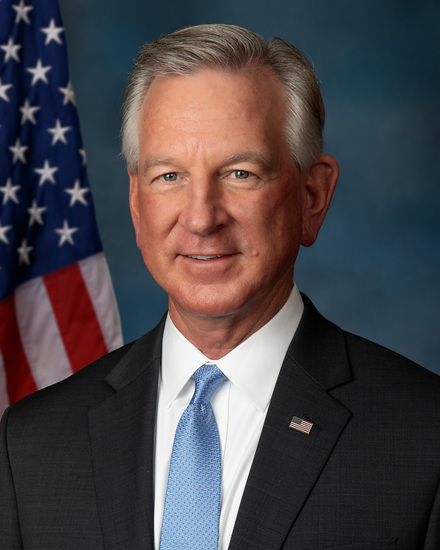
Tommy Tuberville
Tommy Tuberville Senate
R
Strong −
8% 12
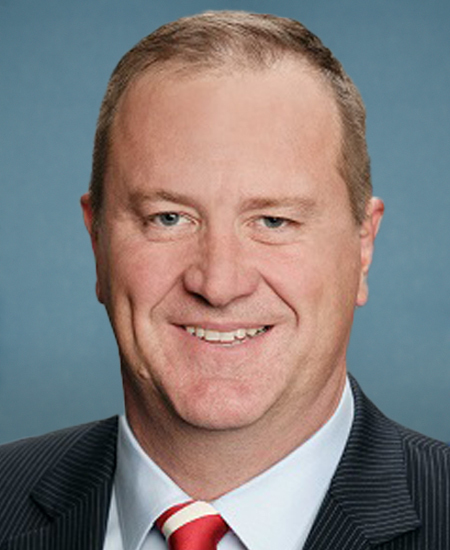
Eric Schmitt
Eric Schmitt Senate
R
Strong −
9% 11
Showing 41–50 of 272 bills

All environment bills

in committee · United States · House Apr 3, 2026

HR 7951: Long-Term Good Neighbor Authority Act

This bill amends existing laws to allow federal agencies to enter into long-term agreements with state governors, Indian tribes, and counties for natural resource management. The key change extends the maximum duration of these Good Neighbor Authority agreements from the current limit to up to 20 years, providing more stability for restoration and recreation projects. By updating definitions in the Agricultural Act of 2014 and the EXPLORE Act, the legislation formally includes Indian tribes alongside state and local governments as eligible partners in these collaborative efforts. The bill focuses on administrative updates to existing frameworks rather than creating new programs or funding mechanisms.
in committee · United States · House Mar 27, 2026

HRES 1144: Supporting recognition of 2026 as the "International Year of Rangelands and Pastoralists".

This resolution expresses support for the United Nations designation of 2026 as the International Year of Rangelands and Pastoralists. It recognizes the economic, social, and ecological importance of rangelands and the ranchers, farmers, and land managers who steward them. The measure encourages federal agencies, universities, and organizations to promote education, research, and outreach related to rangeland management during this designated year.
Sub-Topics Conservation Public Lands Tags Agriculture
in committee · United States · Senate Mar 11, 2026

S 4053: A bill to take certain land in the State of California into trust for the benefit of the Pechanga Band of Indians, and for other purposes.

This bill would transfer approximately 860 acres of federal land in Riverside County, California, into trust for the Pechanga Band of Indians. Once taken into trust, the land would become part of the tribe's reservation and be managed according to federal laws governing property held for Native American tribes. The legislation includes specific conditions requiring the land to remain open space dedicated to protecting archaeological, cultural, and wildlife resources, while explicitly prohibiting any gaming activities on the property. Existing water rights, service agreements, and current land use restrictions would remain unchanged, and the map identifying the land would be kept on file for public inspection.
Sub-Topics Conservation Public Lands Wildlife Tags Tribal Nations
in committee · United States · Senate Jul 29, 2026

S 4041: Cooperative Watershed Management Program Reauthorization Act of 2026

This bill reauthorizes the Cooperative Watershed Management Program through fiscal year 2031, providing $40 million annually to support collaborative watershed projects. The program directly affects land management agencies, local communities, and Indian tribes by expanding eligibility criteria and increasing grant funding amounts to $150,000 per year for a minimum of three years. Key changes include adding Indian tribes as eligible participants, allowing multiple grant applications per year, and permitting grant extensions for successful projects. The legislation also clarifies what types of technical assistance are covered under the program and requires regular availability of funding opportunities.
in committee · United States · House May 21, 2026

HR 7695: To provide that the final rule titled "Special Areas; Roadless Area Conservation" and issued on January 12, 2001 (66 Fed. Reg. 3244) shall have no force or effect and require the Secretary of Agriculture to construct certain roads on National Forest System lands, and for other purposes.

This bill would cancel a 2001 federal rule that restricted road building on National Forest System lands and direct the Secretary of Agriculture to construct new roads on those lands. The legislation specifically nullifies the Roadless Area Conservation rule and prohibits the Agriculture Department from creating any similar restrictions in the future. Under the bill, the Forest Service must build permanent and temporary roads to support forest restoration, reduce wildfire risks in at-risk communities and municipal watersheds, replace roads harming forest health, and fulfill the intent of the 1897 Forest Management Act. The changes directly affect federal land management decisions and would impact communities and organizations that rely on forest access and wildfire prevention efforts.
in committee · United States · Senate Mar 16, 2026

S 4103: Save Our Sequoias Act

The Save Our Sequoias Act establishes a comprehensive framework to protect giant sequoias on federal lands in California by creating a shared stewardship agreement between federal agencies, the State of California, and the Tule River Indian Tribe. The bill requires the formation of a Giant Sequoia Lands Coalition to conduct health assessments, coordinate emergency responses, and develop reforestation strategies, with annual reporting to Congress. Key provisions include an emergency response authority that allows for hazardous fuels reduction and tree removal without full environmental reviews for projects under 2,000 acres within groves, along with funding mechanisms for grants and a new emergency protection fund supported by philanthropic donations.
passed · United States · House Jul 29, 2026

HR 7831: License to Drill Act

This bill, known as the License to Drill Act, extends the deadline for collecting fees on new oil and gas drilling permit applications from 2026 to 2037 under the Mineral Leasing Act. It requires the Secretary of the Interior to continue collecting these fees for each new permit application throughout the extended period. The bill also directs that all fees collected between fiscal years 2027 and 2037 be transferred to the BLM Permit Processing Improvement Fund instead of being distributed as previously required. These changes affect the Bureau of Land Management's administrative process for managing oil and gas leasing on federal lands.
Sub-Topics Oil & Gas Public Lands
in committee · United States · Senate Mar 12, 2026

S 4091: Habitat Connectivity on Working Lands Act of 2026

This bill, titled the Habitat Connectivity on Working Lands Act of 2026, amends the Food Security Act of 1985 to expand federal conservation funding and technical support for wildlife habitat connectivity and migration corridors on private working lands. It defines native big game species such as deer, elk, and pronghorn to ensure conservation efforts prioritize these animals and increases payment limits for land enrolled in the Conservation Reserve Program. The legislation also authorizes cost-share payments for habitat restoration projects on grasslands and mandates that conservation practice standards include nonstructural methods like virtual fencing to manage livestock distribution while protecting wildlife corridors. Additionally, it directs the Secretary of Agriculture to provide technical assistance for implementing these practices and establishes virtual fencing as a high-priority research area to study its effects on natural resources and wildlife habitats.
in committee · United States · House Sep 2, 2025

HR 5091: To amend section 5545 of title 5, United States Code, to provide hazard pay for carrying out prescribed burns, and for other purposes.

This bill amends federal pay rules to provide hazard pay for specific federal firefighters. It requires that firefighters conducting prescribed burns (controlled fires for land management) and smokejumpers during training or operations receive the same hazard pay rate currently given to those fighting wildfires. The change applies to employees covered under Title 5 of U.S. Code, with implementation required within 90 days of enactment through Office of Personnel Management regulations. The policy directly affects federal wildfire management personnel performing these high-risk duties.
Sub-Topics Forestry Public Lands
in committee · United States · House May 20, 2026

HR 398: Geothermal Cost-Recovery Authority Act of 2025

Geothermal Cost-Recovery Authority Act of 2025 This bill expands the Geothermal Steam Act of 1970 to give the Department of the Interior the authority to collect certain fees from applicants for, or holders of, geothermal leases through September 30, 2032. Specifically, Interior may direct those applicants or leaseholders to reimburse the United States for costs from (1) processing applications for geothermal leases on federal land, such as applications for geothermal drilling permits; and (2) inspecting and monitoring geothermal exploration and development activities, including reclamation activities. Interior may reduce the amount of the fee if it determines that (1) the full reimbursement would impose an economic hardship on the applicant, or (2) a less than full reimbursement is necessary to promote the greatest use of geothermal resources. Interior may use those fees only to the extent that they are provided in advance in appropriations acts for (1) processing applications for geothermal leases, and (2) inspecting and monitoring related exploration and development activities. Within five years of the bill's enactment, Interior must submit to Congress a report that includes an assessment of how the fees affect Interior's geothermal leasing program and any recommendations for updates to the fees and the program.
Sub-Topics Oil & Gas Public Lands
Showing 41 to 50 of 272 bills
Previous 1 4 5 6 28 Next