Issue · Environment

Environment

Every environment bill, vote, and legislator stance in United States, automatically classified by Maddy, our AI policy reader.

Total bills
496
119th Congress
Top supporter
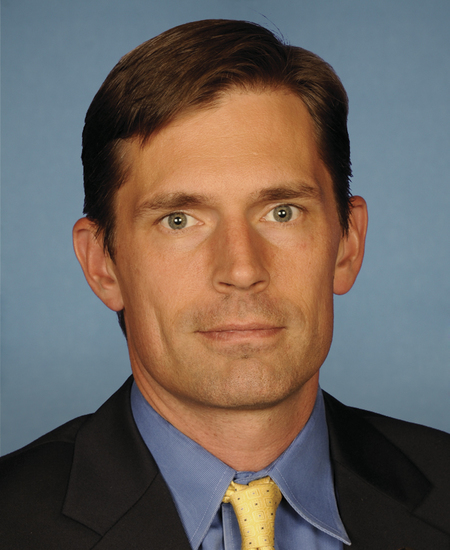
Martin Heinrich
84% support rate
Top opponent
Marsha Blackburn
11% support rate
Ranked legislators
10
5 support · 5 oppose
Key legislators

Who's moving environment in United States

Legislators moving environment in United States
Legislator Party Stance Support rate Votes
Martin Heinrich
Martin Heinrich Senate
D
Strong +
84% 215
Adam B. Schiff
Adam B. Schiff Senate
D
Support
79% 231
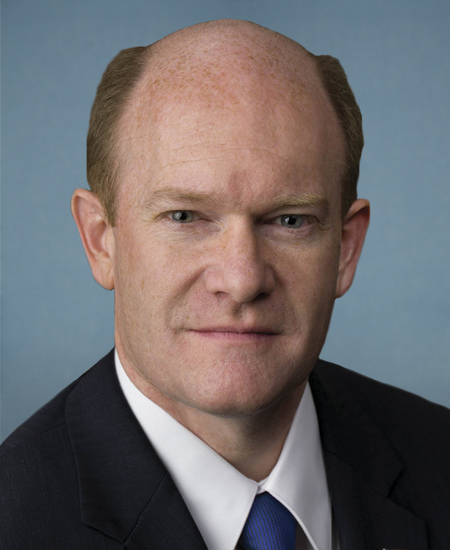
Christopher A. Coons
Christopher A. Coons Senate
D
Support
79% 229
Jeanne Shaheen
Jeanne Shaheen Senate
D
Support
78% 232
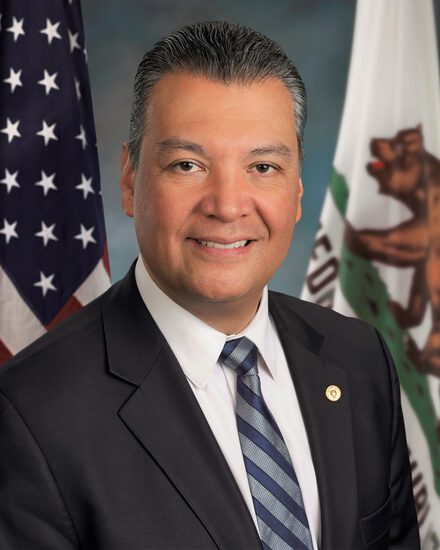
Alex Padilla
Alex Padilla Senate
D
Support
78% 232
Marsha Blackburn
Marsha Blackburn Senate
R
Strong −
11% 211
Ted Budd
Ted Budd Senate
R
Strong −
20% 220
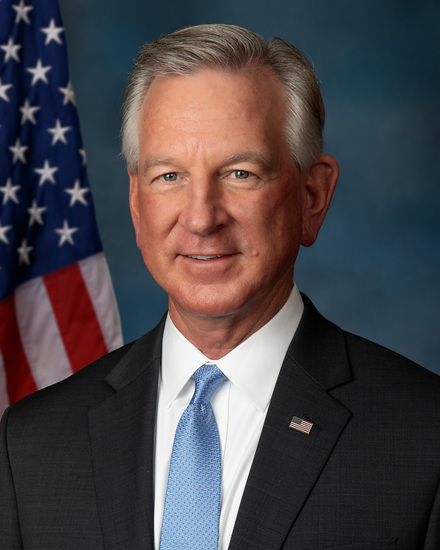
Tommy Tuberville
Tommy Tuberville Senate
R
Oppose
21% 229
Bill Cassidy
Bill Cassidy Senate
R
Oppose
22% 221
Jerry Moran
Jerry Moran Senate
R
Oppose
23% 228
Showing 41–50 of 496 bills

All environment bills

in committee · United States · House Jun 3, 2026

HR 8904: To amend the Magnuson-Stevens Fishery Conservation and Management Act to provide for the regulation of fishing in marine national monuments.

HR 8904 prevents the President from using the Antiquities Act to ban or restrict fishing within marine national monuments. Instead, the bill mandates that fishing rules in these areas must be established through the existing Magnuson-Stevens Fishery Conservation and Management Act. This change directly affects the management of marine protected areas by ensuring that fishing regulations are handled by fishery councils rather than executive proclamation.
Sub-Topics Conservation Wildlife
in committee · United States · House May 20, 2026

HR 8919: To nullify the decision and order of the Endangered Species Committee with respect to certain oil and gas activities, and for other purposes.

This bill nullifies a specific decision made by the Endangered Species Committee regarding oil and gas operations in the Gulf of America. It immediately cancels any exemptions previously granted to these activities under the Endangered Species Act and bars federal agencies from using funds to enforce the canceled order. For a three-year period starting when the bill is enacted, the committee is prohibited from issuing any new exemptions for Gulf oil and gas projects. Consequently, all standard environmental protections required by the Endangered Species Act will continue to apply fully to these activities.
Sub-Topics Oil & Gas Wildlife
in committee · United States · House May 7, 2026

HR 8670: Stop Oil Exports to Lower Gas Prices Act

The Stop Oil Exports to Lower Gas Prices Act prohibits the export of crude oil, gasoline, and diesel fuel starting in March 2026, with the goal of keeping these resources in the United States. This ban remains in effect until the President declares that military operations against Iran have ended and certifies that the Strait of Hormuz is fully open for global shipping. The law includes a specific exception allowing the President to permit crude oil exports if they cannot be efficiently refined domestically, provided the oil is refined abroad and then imported back into the United States.
Sub-Topics Oil & Gas
in committee · United States · Senate May 20, 2026

S 4604: Protecting America’s Small Oil and Gas Producers and Rural Jobs Act

The Protecting America's Small Oil and Gas Producers and Rural Jobs Act modifies federal tax rules to provide financial incentives for small oil and gas producers. It increases the percentage of income that can be deducted for taxes on marginal oil properties and removes a specific income limit that restricts these deductions. Additionally, the bill raises the threshold for counting oil as depletable from 1,000 to 2,000 barrels per well. These tax changes are designed to take effect for taxable years beginning after December 31, 2026.
Sub-Topics Oil & Gas
in committee · United States · House Sep 10, 2026

HR 8674: Geese House Site Conveyance Act

The Geese House Site Conveyance Act directs the Secretary of the Interior to transfer approximately 21,578 acres of federal land within Denali National Park and Preserve to the Doyon, Limited corporation within one year of the bill's enactment. This transfer excludes specific lots and bodies of water while reserving public easements and adjusting the park's official boundaries to remove the conveyed area. The law imposes strict limits on the recipient, prohibiting them from selling the land to others, conducting mining activities, or developing the site in ways that would harm the cultural significance of the Geese House. Additionally, the bill waives certain standard federal regulations and past land withdrawals that would normally apply to this type of property transfer.
in committee · United States · Senate May 21, 2026

S 4619: Protect Domestic Oil and Gas Small Business Act of 2026

This bill, the Protect Domestic Oil and Gas Small Business Act of 2026, exempts small oil and gas wells from certain federal air quality standards and reporting requirements under the Clean Air Act. It defines a "marginal well" as one producing 15 barrels of oil or less per day, or 90,000 cubic feet of natural gas or less per day, and removes obligations for monitoring, leak detection, and emissions testing for these sites. The legislation also mandates that the EPA approve state plans excluding marginal wells within 180 days and must terminate any ongoing enforcement actions against such wells. Additionally, the EPA is required to update its regulations within 180 days of the bill's enactment to implement these new exemptions.
Sub-Topics Oil & Gas Air Quality
in committee · United States · House Sep 10, 2026

HR 9017: Restore Florida Water Independence Act of 2026

This bill, titled the Restore Florida Water Independence Act of 2026, aims to streamline environmental permitting for the State of Florida by recognizing a specific federal biological opinion as fully compliant with the Endangered Species Act. By deeming this existing document sufficient, the legislation eliminates the need for additional federal consultations regarding dredge and fill projects under the Clean Water Act. The primary effect is to allow the Environmental Protection Agency to approve Florida's request to manage its own state-level permitting program without further federal oversight on these specific environmental matters.
Sub-Topics Water Quality Wildlife
in committee · United States · House May 21, 2026

HR 8990: Protect Domestic Oil and Gas Small Business Act of 2026

This bill, titled the Protect Domestic Oil and Gas Small Business Act of 2026, exempts small oil and gas wells from specific environmental regulations under the Clean Air Act. It directly affects owners and operators of marginal wells, defined as sites producing 15 barrels of oil or less per day, or 90,000 cubic feet of natural gas or less per day. The legislation removes requirements for monitoring, reporting, and leak detection for these smaller operations, while also mandating that the EPA approve any state plan revisions granting this exemption within 180 days. Additionally, the bill requires the EPA to update its regulations to reflect these changes and to terminate any ongoing enforcement actions against marginal wells that were initiated before the law takes effect.
Sub-Topics Oil & Gas Air Quality Tags Small Business
in committee · United States · House May 21, 2026

HR 8688: Forest Health and Wildfire Risk Reduction Act

This bill, known as the Forest Health and Wildfire Risk Reduction Act, allows the Bureau of Land Management to skip certain environmental reviews for specific small-scale forest treatments. It designates tree density modification projects under 5,000 acres as exempt from preparing environmental assessments or impact statements, provided they do not involve clearcutting or converting forests into non-forest vegetation. The exemption covers activities like selective tree removal, chipping, and burning fuel piles, which may include building up to five miles of new permanent roads or temporary access routes. To ensure environmental protection, the bill requires agencies to document how these projects address concerns such as erosion, soil compaction, and the preservation of snags and riparian areas.
in committee · United States · House May 13, 2026

HR 8782: PLOW Storms Act

The PLOW Storms Act amends the Clean Air Act to classify snow removal vehicles and machinery as emergency vehicles. This change directly affects state, local, and tribal governments that own or operate equipment used to clear snow and ice from public roads and rights-of-way. By including these dedicated-use vehicles in the definition of emergency fleets, the bill allows them to operate under specific exemptions related to emissions standards during winter storm conditions. The legislation focuses on ensuring that essential snow clearing operations can proceed without regulatory hindrance during severe weather events.
Sub-Topics Air Quality
Showing 41 to 50 of 496 bills
Previous 1 4 5 6 50 Next