Issue · Environment

Environment (Conservation)

Every environment bill, vote, and legislator stance in United States, automatically classified by Maddy, our AI policy reader.

Total bills
385
119th Congress
Top supporter
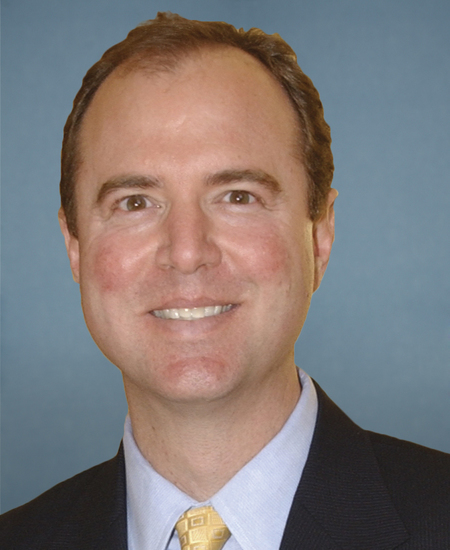
Adam B. Schiff
100% support rate
Top opponent
Ashley Moody
0% support rate
Ranked legislators
10
5 support · 5 oppose
Key legislators

Who's moving conservation in United States

Legislators moving conservation in United States
Legislator Party Stance Support rate Votes
Adam B. Schiff
Adam B. Schiff Senate
D
Strong +
100% 9
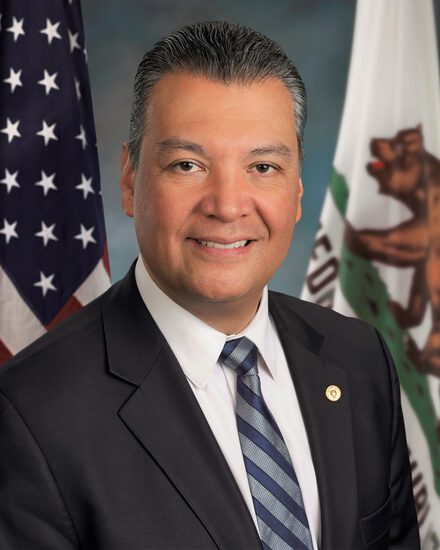
Alex Padilla
Alex Padilla Senate
D
Strong +
100% 9
Amy Klobuchar
Amy Klobuchar Senate
D
Strong +
100% 9
Andy Kim
Andy Kim Senate
D
Strong +
100% 9
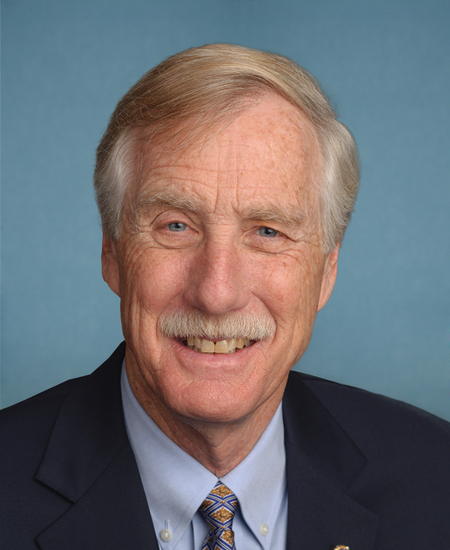
Angus S. King, Jr.
Angus S. King, Jr. Senate
I
Strong +
100% 9
Ashley Moody
Ashley Moody Senate
R
Strong −
0% 9
Bernie Moreno
Bernie Moreno Senate
R
Strong −
0% 9
Bill Cassidy
Bill Cassidy Senate
R
Strong −
0% 9
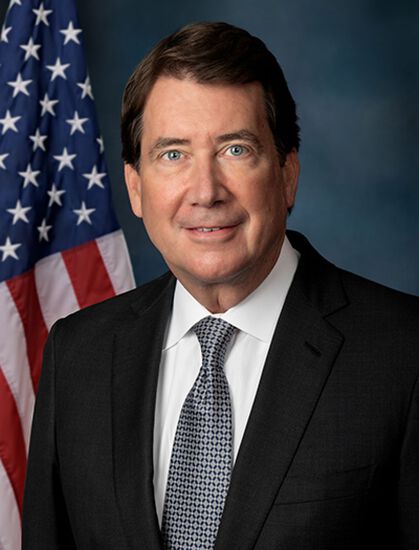
Bill Hagerty
Bill Hagerty Senate
R
Strong −
0% 9
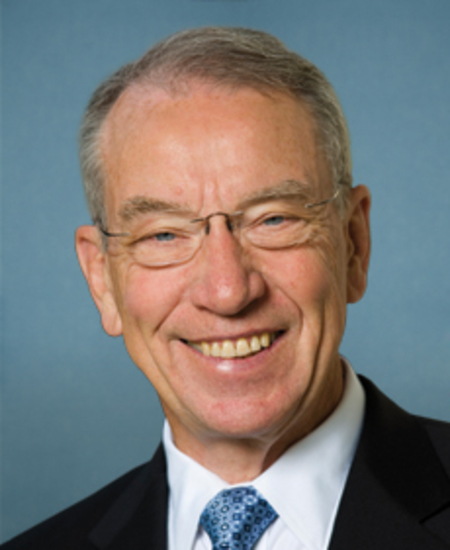
Chuck Grassley
Chuck Grassley Senate
R
Strong −
0% 9
Showing 341–350 of 385 bills

All environment bills

in committee · United States · House Mar 28, 2025

HR 1854: Climate Agricultural Conservation Practices Act

Climate Agricultural Conservation Practices Act This bill requires the Natural Resources Conservation Service (NRCS) to consider climate benefits in reviews or revisions of its conservation practice standards. Climate benefits include a reduction in agricultural greenhouse gas emissions, an increase in carbon sequestration, or mitigation against (or adaptation to) increased weather volatility. As background, NRCS administers most of the Department of Agriculture conservation programs, which assist producers and landowners who wish to practice conservation on agricultural lands. The NRCS conservation practice standards provide guidance and set out minimum quality criteria for implementing federally funded conservation practices.
Sub-Topics Climate Change Conservation Tags Agriculture
passed · United States · Senate May 8, 2025

SRES 211: A resolution designating May 10, 2025, as "World Migratory Bird Day".

This Senate resolution (SRES 211) symbolically designates May 10, 2025, as "World Migratory Bird Day" to raise public awareness about migratory birds. It highlights the ecological and economic importance of migratory birds - such as their role in pest control, pollination, and contributing $279 billion annually to the U.S. economy through birdwatching. The resolution encourages Americans to support bird conservation through education and community engagement, aligning with the 2025 theme of creating "bird-friendly cities and communities." As a non-binding resolution, it does not create new laws but formally recognizes an annual global observance.
Sub-Topics Conservation
in committee · United States · House Aug 26, 2026

HR 6788: Montana Sportsmen Conservation Act

HR 6788, the Montana Sportsmen Conservation Act, removes wilderness study area designations for three specific Montana lands: the 81,000-acre Middle Fork Judith area (managed by the Forest Service) and the 11,380-acre Hoodoo Mountain and 11,580-acre Wales Creek areas (managed by the Bureau of Land Management). These areas were previously evaluated and determined unsuitable for wilderness designation under federal law, with land agencies confirming this through collaborative reviews in 2021 and 2020. The bill directs land managers to instead follow existing land and resource management plans for these areas, which were developed through multi-year stakeholder processes. This change aims to improve management by enhancing sportsmen access, public recreation, and wildlife habitat projects while maintaining current protections under environmental laws.
in committee · United States · House Jul 23, 2025

HR 4636: SOIL Act

The SOIL Act increases payments for farmers participating in USDA conservation programs who implement practices that simultaneously improve soil health and wildlife habitat. It raises reimbursement rates to 90% of costs for specific activities like planting cover crops, restoring wetlands, creating riparian buffers, and establishing wildlife habitat plantings - listed in the bill as 26 distinct practices. The bill modifies program rules to prioritize applications and contract offers that address both soil and wildlife resource concerns. These changes directly affect farmers enrolled in the Environmental Quality Incentives Program (EQIP) and Conservation Stewardship Program (CSP) who adopt dual-benefit conservation practices. The policy shifts focus toward integrated land management by financially incentivizing practices that deliver multiple ecological outcomes.
in committee · United States · House Mar 28, 2025

HR 1853: CALL Act

The CALL Act (HR 1853) requires the U.S. Department of Agriculture to conduct a comprehensive study on barriers to conservation practice adoption on leased agricultural land. It examines factors like lease agreements, landowner awareness, and regional differences affecting farmers (who operate leased land but don’t own it) and landowners. The study will analyze existing data, including the TOTAL Survey, and assess how lease structures influence conservation efforts, with special focus on Black, Indigenous, and beginning farmers. The USDA must submit a final report by December 2026 with recommendations for improving conservation participation on leased land. This is a research-focused bill with no immediate policy changes, aiming to inform future USDA actions.
in committee · United States · Senate Aug 1, 2025

S 2643: Seedlings for Sustainable Habitat Restoration Act of 2025

This bill amends existing federal laws to expand funding for ecosystem restoration projects focused on native seeds and seedlings. It authorizes the Secretary of Agriculture (via the Forest Service) to provide contracts, grants, or agreements to state forestry agencies, nonprofits, universities, tribes, and multistate coalitions for two specific activities: (1) collecting and maintaining native seeds (including from managed seed orchards), and (2) producing seedlings for revegetation. The funding supports habitat restoration efforts by directly enabling these entities to source and grow native plant materials. The bill does not create new programs but integrates seed and seedling production into current restoration frameworks under the Infrastructure Investment and Jobs Act and the Collaborative Forest Landscape Restoration Program.
Sub-Topics Conservation Forestry
in committee · United States · House Jan 3, 2025

HR 65: Armed Forces Endangered Species Exemption Act

This bill exempts military operations from key provisions of the Endangered Species Act. It prohibits designating military installations or lands used for defense purposes (like training or weapons testing) as "critical habitat" for endangered species and removes the requirement for the military to consult with wildlife agencies before such activities. Military personnel can now take, harm, or cause mortality to protected species during defense-related operations - including training, weapons testing, or other activities deemed necessary by the Secretary of Defense - without violating the law. These changes directly affect how the Department of Defense manages land use and species protection across all military bases and defense-related activities.
Sub-Topics Conservation Wildlife
in committee · United States · Senate Dec 17, 2025

S 3556: Wildlife Crossings Program Reauthorization Act of 2025

This bill reauthorizes a federal program providing funding for wildlife crossings - such as overpasses or underpasses - to help animals safely cross roads. It authorizes $100 million annually from 2027 through 2031 from the Highway Trust Fund, making the program permanent (removing "pilot" language). Key provisions include requiring 90% federal funding for projects in small, rural, or disadvantaged communities (up to 100% if financial hardship exists) and allocating 0.5% of funds yearly to help tribes and other eligible groups apply for and access program funding more efficiently. The bill directly affects communities and tribes seeking to build wildlife crossings near highways.
in committee · United States · Senate Dec 16, 2025

S 3503: Wildlife Road Crossing Program Reauthorization Act of 2025

This bill reauthorizes a federal program that funds wildlife crossings - structures like overpasses or underpasses designed to help animals safely cross roads - through fiscal years 2027 to 2031. It authorizes $200 million annually from the Highway Trust Fund to support these projects, directly affecting state and tribal governments, local agencies, and conservation groups that apply for grants. Key provisions include making the program permanent (removing "pilot" language), requiring 100% federal funding for tribal projects, and dedicating 0.5% of annual funds to provide tribal technical assistance for faster project approval and funding access. The bill also allows the federal government to retain up to 0.5% of funds for administrative tasks like grant reviews and project oversight.
in committee · United States · Senate Feb 12, 2025

SJRES 4: A joint resolution providing for congressional disapproval under chapter 8 of title 5, United States Code, of the rule submitted by the Department of Energy relating to "Energy Conservation Program: Energy Conservation Standards for Consumer Gas-fired Instantaneous Water Heaters".

This joint resolution would block a Department of Energy rule setting new efficiency standards for gas-fired instant water heaters. The rule, published in the Federal Register on December 26, 2024, would have required manufacturers to produce more energy-efficient models. If passed, the resolution would prevent this rule from taking effect, keeping current efficiency standards in place. The direct impact is on water heater manufacturers and consumers purchasing these products.
Showing 341 to 350 of 385 bills
Previous 1 34 35 36 39 Next