Issue · Environment

Environment (Conservation)

Every environment bill, vote, and legislator stance in United States, automatically classified by Maddy, our AI policy reader.

Total bills
304
119th Congress
Top supporter
Adam B. Schiff
100% support rate
Top opponent
Ashley Moody
0% support rate
Ranked legislators
10
5 support · 5 oppose
Key legislators

Who's moving conservation in United States

Legislators moving conservation in United States
Legislator Party Stance Support rate Votes
Adam B. Schiff
Adam B. Schiff Senate
D
Strong +
100% 9
Alex Padilla
Alex Padilla Senate
D
Strong +
100% 9
Amy Klobuchar
Amy Klobuchar Senate
D
Strong +
100% 9
Andy Kim
Andy Kim Senate
D
Strong +
100% 9
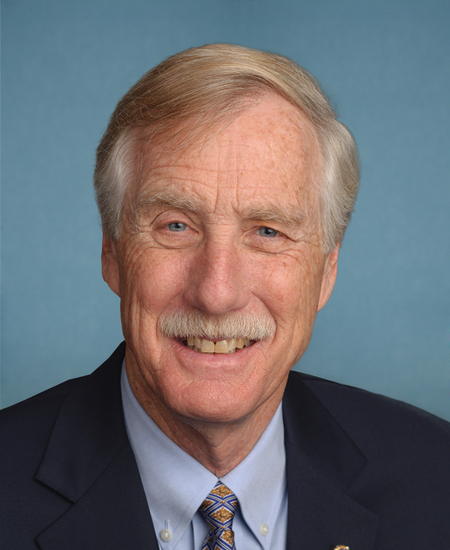
Angus S. King, Jr.
Angus S. King, Jr. Senate
I
Strong +
100% 9
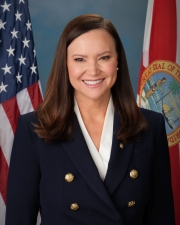
Ashley Moody
Ashley Moody Senate
R
Strong −
0% 9
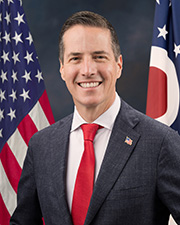
Bernie Moreno
Bernie Moreno Senate
R
Strong −
0% 9
Bill Cassidy
Bill Cassidy Senate
R
Strong −
0% 9
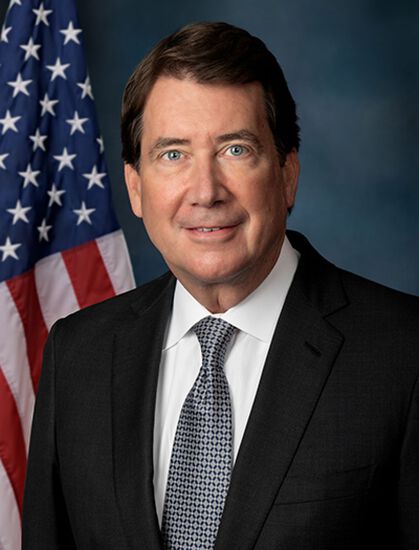
Bill Hagerty
Bill Hagerty Senate
R
Strong −
0% 9
Chuck Grassley
Chuck Grassley Senate
R
Strong −
0% 9
Showing 301–304 of 304 bills

All environment bills

in committee · United States · House Apr 9, 2025

HR 2786: Resilient Coasts and Estuaries Act of 2025

The Resilient Coasts and Estuaries Act of 2025 establishes a new Coastal and Estuarine Resilience and Restoration Program to protect and restore coastal areas with ecological, recreational, or community value. The program prioritizes lands threatened by development, that can be restored to enhance ecosystem function, or that benefit vulnerable communities facing coastal hazards like sea level rise. It requires the designation of at least five new National Estuarine Research Reserves within eight years and authorizes $47 million annually for 2025-2029 to support these efforts. The bill also creates new requirements for public access to protected lands and establishes a graduate research fellowship program focused on coastal management. This legislation directly affects coastal communities, conservation organizations, and federal agencies managing coastal zones under the Coastal Zone Management Act.
in committee · United States · House Sep 18, 2025

HRES 734: Recognizing the importance of engagement with the Latino community to get into outdoor recreation and participate in activities to protect United States natural resources, and expressing support for the designation of the third week of September as "Latino Conservation Week".

HRES 734 is a symbolic resolution designating the third week of September as "Latino Conservation Week." It recognizes the Latino community's longstanding engagement in outdoor recreation and conservation activities, such as hiking, stewardship events, and environmental justice efforts on public lands. The resolution affirms that including Latino voices strengthens public lands protection and climate resilience, highlighting their role as a growing force in the outdoor economy. It does not create new laws or funding but formally supports the annual observance initiated by the Hispanic Access Foundation.
in committee · United States · House Feb 27, 2025

HR 1728: Colorado Outdoor Recreation and Economy Act

This bill designates new wilderness areas and wildlife conservation areas across Colorado's national forests, protecting approximately 24,400 acres of land. It creates three Wildlife Conservation Areas (Porcupine Gulch, Williams Fork Mountains, and Spraddle Creek) totaling about 14,500 acres to conserve wildlife corridors while allowing limited recreational use and maintaining existing grazing rights. The bill also establishes the Thompson Divide Withdrawal and Protection Area to protect agricultural and ecological values, with a pilot program to capture methane emissions from coal mines. Additionally, it creates the Curecanti National Recreation Area (approximately 50,300 acres) to protect scenic and recreational resources along the Gunnison River, while maintaining existing management frameworks.
in committee · United States · Senate May 22, 2025

SRES 248: A resolution expressing the need for the Federal Government to establish a national biodiversity strategy for protecting biodiversity for current and future generations.

This resolution (SRES 248) calls on the federal government to create a national biodiversity strategy to address accelerating biodiversity loss. It specifically urges the establishment of a coordinated strategy with key goals, including protecting at least 30% of U.S. lands and waters by 2030 (the "30x30" target), protecting endangered species, integrating climate action, and incorporating Indigenous knowledge. The strategy would require federal agencies to coordinate conservation efforts, collaborate with states, tribes, and communities, and ensure equitable access to nature for historically impacted groups like Tribal communities and communities of color. As a non-binding resolution, it directs agencies to develop this strategy but does not create new laws or funding.
Sub-Topics Conservation Wildlife Tags Tribal Nations
Showing 301 to 304 of 304 bills
Previous 1 29 30 31