Issue · Environment

Environment (Coastal & Flood Protection)

Every environment bill, vote, and legislator stance in United States, automatically classified by Maddy, our AI policy reader.

Total bills
148
119th Congress
Top supporter
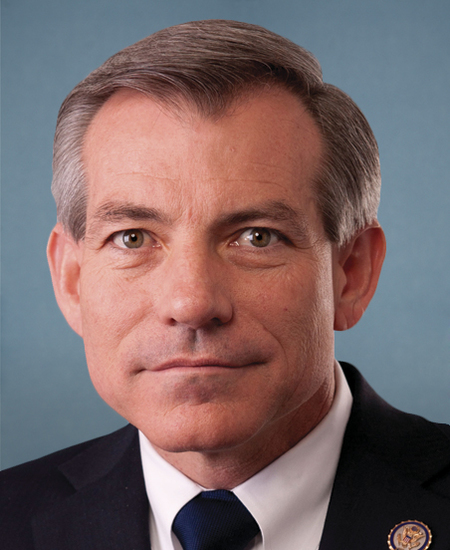
David Schweikert
78% support rate
Top opponent
Eleanor Holmes Norton
0% support rate
Ranked legislators
10
5 support · 5 oppose
Key legislators

Who's moving coastal & flood protection in United States

Legislators moving coastal & flood protection in United States
Legislator Party Stance Support rate Votes
David Schweikert
David Schweikert House · District 1
R
Support
78% 18
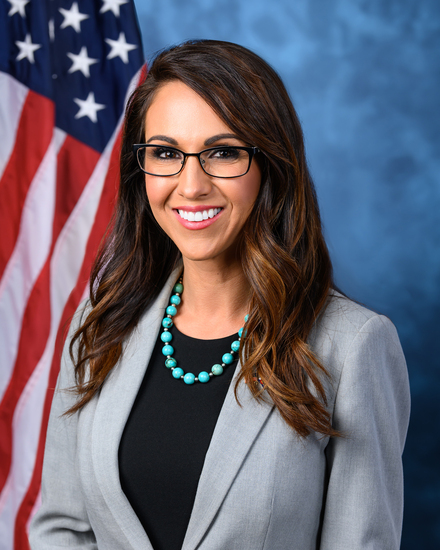
Lauren Boebert
Lauren Boebert House · District 4
R
Support
78% 18
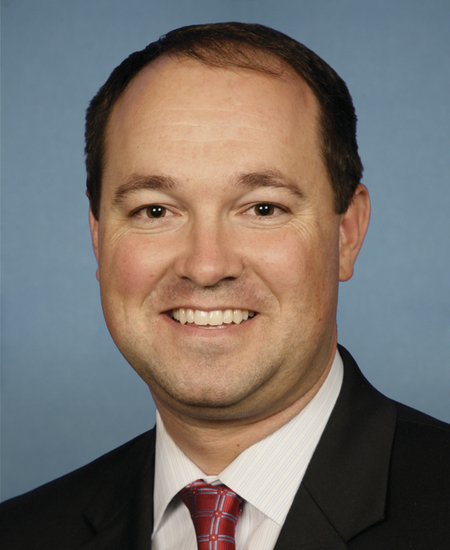
Marlin A. Stutzman
Marlin A. Stutzman House · District 3
R
Support
76% 17
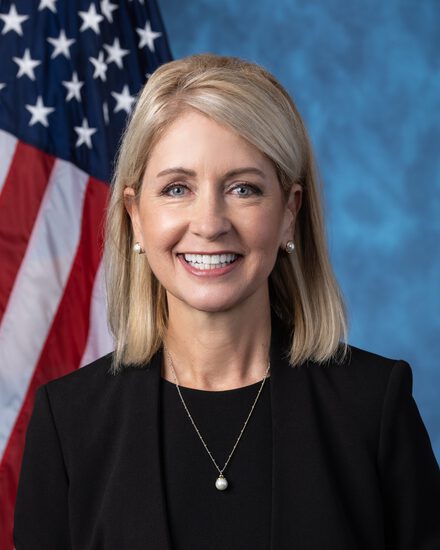
Mary E. Miller
Mary E. Miller House · District 15
R
Support
76% 17
Adelita S. Grijalva
Adelita S. Grijalva House · District 7
D
Support
75% 4
Eleanor Holmes Norton
Eleanor Holmes Norton House · District At-Large
D
Strong −
0% 11
Pablo José Hernández
Pablo José Hernández House · District At-Large
D
Strong −
0% 10
James C. Moylan
James C. Moylan House · District At-Large
R
Strong −
0% 8
Stacey E. Plaskett
Stacey E. Plaskett House · District At-Large
D
Strong −
0% 8
Susan M. Collins
Susan M. Collins Senate
R
Strong −
0% 4
Showing 21–30 of 148 bills

All environment bills

in committee · United States · Senate Apr 21, 2026

S 4350: Southeast New England Program Authorization Act of 2026

The Southeast New England Program Authorization Act of 2026 creates a new grant program within the Environmental Protection Agency to support water quality and ecosystem projects in the coastal watersheds of Rhode Island and southeastern Massachusetts. This initiative allows eligible recipients, including state and local governments, tribes, nonprofits, and universities, to receive funding for activities such as reducing pollution, restoring habitats, and improving stormwater management. The bill authorizes up to $30 million annually from 2027 to 2031 for these projects, with a maximum federal share of 75 percent and specific limits on funds used for technical assistance and administrative costs. Additionally, the act requires the EPA Administrator to coordinate federal agency efforts and provide necessary staff to implement the program effectively.
in committee · United States · House Apr 15, 2026

HR 8296: Preparing Superfund for Climate Change Act of 2026

This bill, titled the "Preparing Superfund for Climate Change Act of 2026," amends the federal Superfund law, which governs the cleanup of hazardous waste sites. It requires the Environmental Protection Agency (EPA) to consider the potential threats from local natural disasters and extreme weather, including how climate change might exacerbate them, when selecting cleanup plans for hazardous waste sites. Additionally, the bill mandates that during the required five-year reviews of ongoing cleanups, the EPA must assess whether the chosen cleanup actions remain protective, taking these same climate-related hazards into account. This aims to ensure that Superfund cleanups are designed and maintained to withstand projected climate change impacts, affecting communities near these sites and the EPA's cleanup processes.
in committee · United States · House Apr 16, 2026

HCONRES 85: Celebrating the 50th anniversary of the Magnuson-Stevens Fishery Conservation and Management Act on April 13, 2026, and recognizing its significant impact on the sustainable and profitable management of the Nation's fishery resources.

This concurrent resolution celebrates the 50th anniversary of the Magnuson-Stevens Fishery Conservation and Management Act on April 13, 2026. It recognizes the Act's significant impact on the sustainable and profitable management of the Nation's fishery resources, benefiting fishermen, coastal communities, and the seafood industry.
in committee · United States · Senate Mar 26, 2026

S 4234: Healthy Watersheds, Healthy Communities Act of 2026

The Healthy Watersheds, Healthy Communities Act of 2026 amends the Watershed Protection and Flood Prevention Act to expand Federal support for local watershed projects that address erosion, flooding, drought, and water quality issues. The bill defines "multibenefit works of improvement" as projects that deliver at least two public benefits, such as improved fish habitat, water conservation, flood risk reduction, or renewable energy production, and requires that at least 20 percent of project benefits relate to agriculture or conservation. It streamlines the approval process by delegating decision-making authority to State Conservationists and sets a 45-day deadline for the Secretary of Agriculture to approve or disapprove applications, while also requiring notification to Congress for projects exceeding $50 million in Federal funding. The legislation allocates at least 50 percent of available funds to multibenefit projects, increases the maximum loan amount to $10 million, and introduces new conditions for Federal assistance, including requirements for land acquisition, water rights, and repayment plans for future water storage demands.
in committee · United States · House Mar 9, 2026

HR 7862: National Flood Insurance Program Clarification Act of 2026

This bill would modify how the Endangered Species Act applies to the National Flood Insurance Program by exempting certain flood insurance actions from endangered species protections. It directly affects the Federal Emergency Management Agency and property owners seeking flood insurance coverage, as well as wildlife agencies that currently review flood insurance decisions. The legislation requires the removal of existing biological opinions that evaluate the program's impact on endangered species and adds language to ensure flood management actions are designed solely for protecting property and human health. These changes would allow the National Flood Insurance Program to operate without the usual environmental review requirements that could delay or restrict flood insurance coverage in areas with endangered species.
in committee · United States · Senate Mar 23, 2026

SRES 659: A resolution celebrating the 100th anniversary of the American Shore and Beach Preservation Association.

This resolution commemorates the 100th anniversary of the American Shore and Beach Preservation Association, a nonprofit organization focused on coastal protection and restoration. The Senate formally recognizes and congratulates the Association for its century-long work in promoting science-based coastal stewardship and policy advocacy. The measure does not create new laws or funding but serves as a ceremonial acknowledgment of the organization's contributions to preserving U.S. shorelines and beaches.
signed · United States · Senate Dec 26, 2025

S 216: Save Our Seas 2.0 Amendments Act

Save Our Seas 2.0 Amendments Act This bill reauthorizes and modifies administration of Marine Debris Program (MDP) activities and the Marine Debris Foundation. (The program and the foundation support efforts to assess, prevent, and otherwise address marine debris and its adverse impacts on the U.S. economy, the marine environment, and navigation safety.) First, the bill reauthorizes the National Oceanic and Atmospheric Administration's (NOAA's) Marine Debris Program through FY2029. The bill authorizes NOAA to provide contributions for MDP project costs on an in-kind basis in an amount that NOAA determines represents the value it derives from the project. The bill also authorizes NOAA to enter into agreements other than cooperative agreements, contracts, and grant agreements for projects. Next, the bill modifies requirements for the Marine Debris Foundation and reauthorizes it for FY2025. Among other changes, the bill designates the current Chief Operating Officer (i.e., the first officer or employee appointed by the board) as the Chief Executive Officer (CEO) and specifies that the board has the authority to appoint, review the performance of, and remove the CEO. The bill authorizes the CEO to appoint, supervise, and remove foundation employees and officers. Further, the bill directs the foundation to develop and implement best practices for conducting outreach to Indian tribes and tribal governments. The foundation must locate its principal office in the National Capital Region or a coastal shoreline community. Finally, the bill authorizes the foundation to match contributions from regional organizations, Indian tribes, tribal organizations, and foreign governments.
in committee · United States · House Mar 24, 2026

HRES 1134: Celebrating the 100th anniversary of the American Shore and Beach Preservation Association.

This resolution formally recognizes and celebrates the 100th anniversary of the American Shore and Beach Preservation Association, a nonprofit organization focused on coastal protection and restoration. It honors the group's century-long work in promoting science-based approaches to preserving shorelines and beaches across the United States. The measure directs the House of Representatives to acknowledge the association's contributions to coastal stewardship and congratulates its leadership on this milestone.
in committee · United States · Senate Feb 26, 2026

S 3939: Chesapeake WATERS Act

This bill reauthorizes the Chesapeake Bay Office of the National Oceanic and Atmospheric Administration (NOAA) and establishes its role as the primary NOAA representative in the Chesapeake Bay watershed. The legislation creates a new Director position with expertise in Chesapeake Bay research and resource management, and expands the office's responsibilities to include coastal hazards, climate change, and education initiatives. Key provisions authorize programs for scientific peer review, coastal observing systems, education and training grants, and habitat restoration projects focused on oysters, blue crabs, and other living marine resources. The bill also requires biennial reports to Congress on the office's activities and progress in protecting and restoring the Chesapeake Bay ecosystem.
in committee · United States · Senate Feb 3, 2025

S 374: Direct Property Acquisitions Act

S 374 (Direct Property Acquisitions Act) establishes a 48-month pilot program allowing selected local governments to apply directly to FEMA for disaster mitigation funds - specifically for buying flood-prone properties or demolishing homes - instead of through their state governments. It affects only "covered communities" (local governments meeting FEMA criteria for self-sufficiency in hazard mitigation, with state approval and demonstrated need). The program requires FEMA to select no more than two communities per FEMA region (max one per state), provide written justification for selections, and submit annual reports to Congress evaluating the pilot’s impact on processing speed and potential long-term changes. The pilot expires 8 years after selection, with no guarantee of permanent adoption.
Sub-Topics Coastal & Flood Protection Natural Disasters Tags Emergency Management
Showing 21 to 30 of 148 bills
Previous 1 2 3 4 15 Next