Issue · Environment

Environment

Every environment bill, vote, and legislator stance in United States, automatically classified by Maddy, our AI policy reader.

Total bills
499
119th Congress
Top supporter
Aisha Wahab
100% support rate
Top opponent
Marsha Blackburn
11% support rate
Ranked legislators
10
5 support · 5 oppose
Key legislators

Who's moving environment in United States

Legislators moving environment in United States
Legislator Party Stance Support rate Decisive votes
Aisha Wahab
Aisha Wahab House · District 14
D
Strong +
100% 7
Everton Blair Jr.
Everton Blair Jr. House · District 13
D
Strong +
89% 9
Martin Heinrich
Martin Heinrich Senate
D
Strong +
84% 37
Adam B. Schiff
Adam B. Schiff Senate
D
Support
79% 53
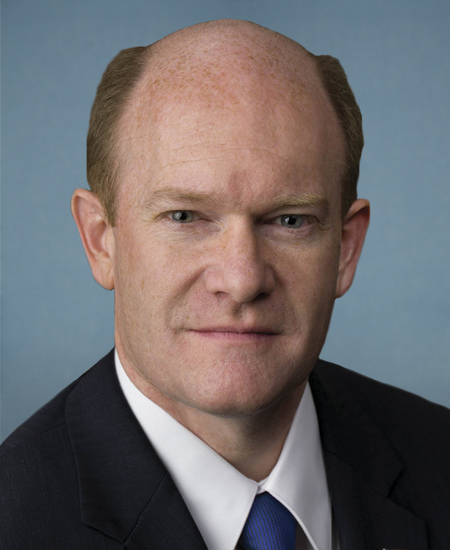
Christopher A. Coons
Christopher A. Coons Senate
D
Support
79% 52
Marsha Blackburn
Marsha Blackburn Senate
R
Strong −
11% 36
Ted Budd
Ted Budd Senate
R
Strong −
20% 40
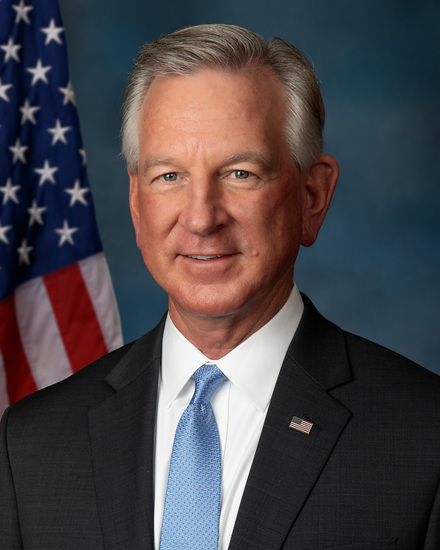
Tommy Tuberville
Tommy Tuberville Senate
R
Oppose
21% 53
Bill Cassidy
Bill Cassidy Senate
R
Oppose
22% 54
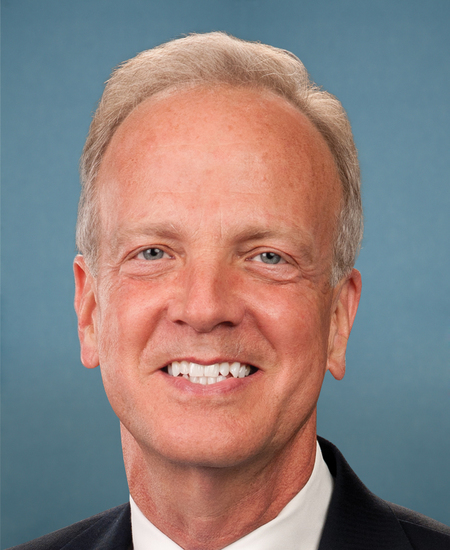
Jerry Moran
Jerry Moran Senate
R
Oppose
23% 53
Showing 231–240 of 499 bills

All environment bills

in committee · United States · House Jan 28, 2025

HR 775: No Net Gain in Federal Lands Act of 2025

HR 775, the No Net Gain in Federal Lands Act of 2025, requires the U.S. Department of the Interior and Department of Agriculture to maintain a "no net gain" in federal land ownership within any state each fiscal year. This means the total acres of federal land acquired (including fee title and other interests) cannot exceed the acres disposed of (sold or transferred) in that state during the same year. The bill mandates annual inventories and reports tracking land holdings by interest type (e.g., fee, easement), and if acquisition exceeds disposal, the President must convey equivalent land to the state within 24 months. It directly affects federal land management agencies and state governments by limiting federal land expansion without corresponding disposal.
in committee · United States · House Nov 21, 2025

HR 6250: Cold Weather Diesel Reliability Act of 2025

This bill allows diesel vehicles operating in extremely cold regions to temporarily disable engine shutdowns and emissions-related functions when temperatures drop below freezing, ensuring critical transportation and emergency services remain operational. It grants year-round exemptions from diesel exhaust fluid (DEF) system requirements for vehicles primarily operating north of 59°N latitude or in areas where DEF systems become impractical due to prolonged freezing conditions. The exemptions apply only during cold weather (below freezing) for engine derates/shutdowns or permanently for DEF systems, without altering emissions standards outside these specific conditions. It directly affects diesel vehicles used by emergency responders, rural transport, and critical infrastructure in Arctic or sub-Arctic regions. The EPA must implement these changes within 180 days of the bill’s enactment.
in committee · United States · House Feb 14, 2025

HR 1367: ELITE Vehicles Act

The ELITE Vehicles Act repeals federal tax credits for purchasing new electric vehicles, used clean vehicles, and commercial clean vehicles. It also eliminates the tax credit for installing electric vehicle charging infrastructure. These changes apply to vehicles purchased or with a binding contract entered into 30 days after the bill's enactment. The bill directly affects consumers and businesses that previously used these credits to offset the cost of electric vehicles and charging stations.
in committee · United States · House Apr 9, 2025

HR 2773: Landowner Easement Rights Act

HR 2773, the Landowner Easement Rights Act, limits new conservation easements to 30 years and gives current landowners with certain long-term easements (over 30 years old or created before 1977 without a map) the right to renegotiate or buy back their easements. The bill requires the Secretary of the Interior to provide landowners with a detailed map and current fair market value notice within six months of a request, then offer renegotiation for a new 30-year term or payment equal to the easement's value minus prior payments (adjusted for inflation). Landowners can also choose to purchase the easement back at fair market value. The Secretary must notify landowners of these rights 3 months before specific milestones related to their easement's status. This directly affects private landowners holding eligible conservation easements managed by the Department of the Interior.
in committee · United States · House Jan 21, 2025

HR 587: To remove the lesser prairie-chicken from the lists of threatened species and endangered species published pursuant to the Endangered Species Act of 1973 and to amend that Act to exclude the lesser prairie-chicken from the authority of that Act.

HR 587 removes the lesser prairie-chicken (all populations) from the federal lists of threatened and endangered species under the Endangered Species Act. It also permanently amends the law to prevent the U.S. Fish and Wildlife Service from ever listing the bird as threatened or endangered in the future. This bill directly affects the lesser prairie-chicken by ending its current legal protections under the Endangered Species Act. The key mechanism is a specific exclusion added to the Act’s listing authority, blocking any future federal protection for this species.
Sub-Topics Wildlife
in committee · United States · Senate Dec 2, 2025

S 3305: CLEAR Act of 2025

The CLEAR Act of 2025 limits legal challenges to energy projects by blocking repeated lawsuits about the same project's authorization. It establishes that once a court rules on any legal action concerning an energy project's authorization (like permits for electricity, fossil fuels, or critical minerals), no further lawsuits about that project can be filed - regardless of the parties or type of relief sought. The bill requires courts to remand procedural errors to agencies within 180 days and sets a 150-day deadline for filing challenges after authorization is public. Exceptions include post-completion violations or enforcement actions by government agencies. This primarily affects energy developers, federal/state agencies, and legal challengers by reducing litigation delays for projects already approved.
in committee · United States · House Sep 3, 2025

HR 4018: To unleash America's offshore critical minerals and resources.

HR 4018 aims to accelerate U.S. access to critical minerals (like nickel, cobalt, and rare earths) found in seabed resources on the continental shelf. It requires federal agencies to expedite permits for exploration and commercial recovery under the Deep Seabed Hard Mineral Resources Act and the Outer Continental Shelf Lands Act within 60 days of enactment. The bill also mandates a seabed mapping plan, identifies critical minerals for defense/energy use, and directs engagement with allies to support U.S. companies in developing these resources. This directly affects U.S. mining companies seeking seabed mineral rights and federal agencies managing offshore resource development.
Sub-Topics Oil & Gas
in committee · United States · House May 7, 2025

HR 3231: American Energy Act

HR 3231, the American Energy Act, streamlines oil and gas drilling permit processing by requiring the government to approve applications even during pending lawsuits (unless a court has already canceled the lease), and limits court challenges to lease sales. It sets a four-year expiration for drilling permits and bars courts from halting development or lease awards based on environmental lawsuits (like those under NEPA) after bids are opened, unless imminent environmental harm is proven with no other remedy. This directly affects oil and gas companies seeking permits, federal agencies managing leases, and courts handling related litigation. The bill changes procedural rules for permits and lease sales without altering environmental standards.
in committee · United States · House Jan 8, 2026

HR 839: No FED in West Texas Act

HR 839, the "No FED in West Texas Act," prohibits the U.S. Department of the Interior from finalizing or implementing the Muleshoe National Wildlife Refuge Land Protection Plan. This bill directly affects the U.S. Fish and Wildlife Service and the Secretary of the Interior, blocking action on a specific 2023 plan for the refuge. The key provision bans the federal government from administering or enforcing the refuge's land protection plan as outlined in the February 2023 document. The bill does not create new policy but prevents the implementation of an existing federal land management plan.
in committee · United States · House Feb 5, 2025

HR 978: Superior National Forest Restoration Act of 2025

This bill rescinds a 2023 federal withdrawal of lands in Minnesota's Superior National Forest, allowing mining operations to resume. It requires the Secretary to complete environmental reviews for mine plans within 18 months (or 6 months for supplements) and reissues canceled mineral leases with 20-year terms plus automatic 10-year renewals. The bill directly affects mining companies operating in the forest, particularly those with canceled leases or rejected applications since 2021. It mandates issuance of new permits for surface use related to mining and prohibits judicial review of these reissued leases.
Sub-Topics Forestry
Showing 231 to 240 of 499 bills
Previous 1 23 24 25 50 Next