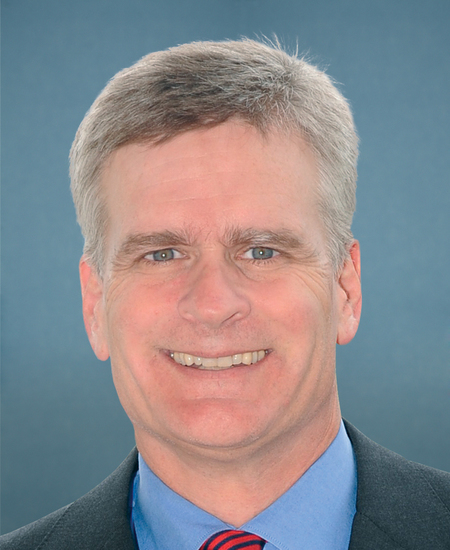
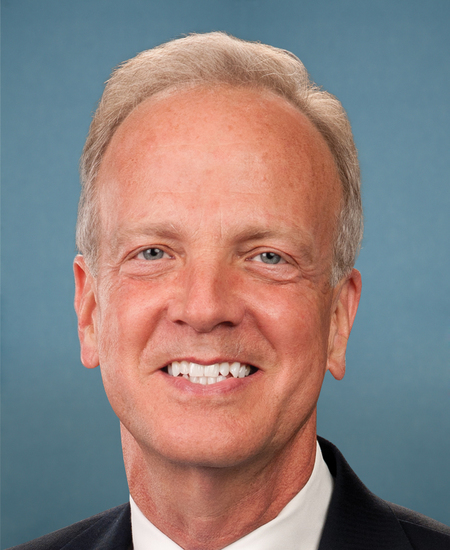
This resolution designates the second Friday of June as National Service and Conservation Corps Day to honor the work of over 140 organizations that engage young adults and veterans in community and environmental projects. These programs, which are descendants of the Civilian Conservation Corps, provide participants with skills training, stipends, and opportunities to work on conservation, disaster response, and infrastructure improvements. The bill formally recognizes the contributions of these groups and encourages citizens to value civic engagement as the nation approaches its 250th anniversary.
The Restoring Renewable Energy Parity Act aims to reverse recent executive actions that restricted renewable energy development by directing federal agencies to stop certain investigations and cancel specific orders related to wind, solar, and geothermal projects. It mandates that the Secretary of Commerce halt a national security review of wind turbine imports and requires the Secretary of Health and Human Services to remove any barriers hindering renewable energy growth. Additionally, the bill prevents federal officials from issuing new documents that mimic the cancelled restrictions and ensures that pending mitigation agreements for energy facilities are approved within 30 days. The legislation also simplifies the process for securing federal permits by allowing the use of the IPaC Portal and establishes a rule where delayed responses to financial assistance applications are automatically treated as approvals.
The American Electric Rail Mapping Act of 2026 directs the Federal Railroad Administration to conduct a study on the feasibility of electrifying passenger and freight rail lines across the United States. This study will identify existing and planned rail corridors, determine how current systems are powered, and assess which segments could adopt clean rail technologies. The Administrator must consult with railroad operators, state and local governments, and other relevant entities while using existing resources to minimize costs. The agency is required to submit an initial progress report to Congress within one year of enactment, followed by a final report on the study's results a year later.
This resolution supports designating the second Friday in June as National Service and Conservation Corps Day to honor the work of over 140 organizations that engage young adults and veterans in community service projects. These programs, which are descendants of the historic Civilian Conservation Corps, help participants gain skills, earn education awards, and contribute to conservation, disaster response, and infrastructure improvements. The Senate's action calls on citizens to recognize the value of national service and encourages the continued expansion of these existing nonprofit and government-run initiatives.
The Local Data for Better Conservation Act requires the federal government to include data collected by states when deciding whether to list or remove species from the endangered species list. This change directly impacts state agencies and conservationists who gather information about local wildlife populations. By mandating the integration of state-collected data, the bill aims to ensure that federal decisions are based on a more comprehensive set of regional observations. The legislation does not alter the overall process for listing species but modifies how evidence is considered during those determinations.
The Southeastern Rail Technologies Mapping Act of 2026 directs the Federal Railroad Administration to study how to improve rail performance and integrate new power technologies in the southeastern United States. This study will examine rail segments between Florida and Washington, DC to identify areas suitable for electrification or battery and fuel cell systems while noting any implementation challenges. If certain segments are found unsuitable for these technologies, the report must explain the reasoning and suggest specific infrastructure updates with estimated costs to make them viable. The Administrator is required to submit the findings of this study to Congress within 18 months of the bill's enactment.
This bill allows the President to declare a smoke emergency in any state facing significant air quality drops due to wildfire smoke, either based on current conditions or future predictions. Once declared, the Federal Emergency Management Agency and other federal agencies can provide grants, equipment, and personnel to help states and local communities set up smoke shelters, air purifiers, and monitoring sites. The legislation also authorizes the Small Business Administration to offer grants to small businesses that suffer major revenue losses because of the smoke. Additionally, the bill adjusts federal budget rules to ensure that money designated for these smoke emergency efforts is not subject to certain deficit reduction measures.
This resolution expresses support for designating July 3 through July 10, 2026, as "National Extreme Heat Awareness Week" to educate the public on the dangers of extreme heat. The bill highlights how high temperatures threaten public safety, infrastructure, and agriculture, noting that heat is the leading weather-related cause of death in the United States. It encourages federal, state, and private entities to hold ceremonies and activities during this week to raise awareness about preventing heat-related illnesses and promoting community preparedness.
The CHEERS Act of 2026 allows restaurants, bars, and entertainment venues to depreciate energy-efficient draft alcohol equipment, such as stainless steel or aluminum beer taps, over a 15-year period instead of the standard schedule. This tax incentive applies to new equipment installed in U.S. businesses after December 31, 2025, aiming to encourage the adoption of more efficient alcohol distribution systems. The legislation also directs the Treasury Department to create rules covering how this benefit applies to businesses that rent or lease this specialized equipment.
The Alan S. Lowenthal Blue Whales, Blue Skies Act directs the National Oceanic and Atmospheric Administration to create a voluntary program that encourages large ships to slow down to reduce pollution, greenhouse gas emissions, and risks to whales. Ships that are 300 gross tons or larger and operate in designated areas along the U.S. Pacific coast can participate by voluntarily limiting their speed to 10 knots or lower. In exchange for verified compliance, eligible vessel owners may receive annual Excellence Awards and display an official logo on their vessels to show their commitment to the program. The legislation explicitly states that joining the program is optional, provides no financial incentives, and does not compromise navigation safety. Additionally, the bill requires officials to review the possibility of expanding the program to cover all shipping channels along the Pacific coast within four years.