Issue · Environment

Environment (Wildlife)

Every environment bill, vote, and legislator stance in United States, automatically classified by Maddy, our AI policy reader.

Total bills
194
119th Congress
Top supporter
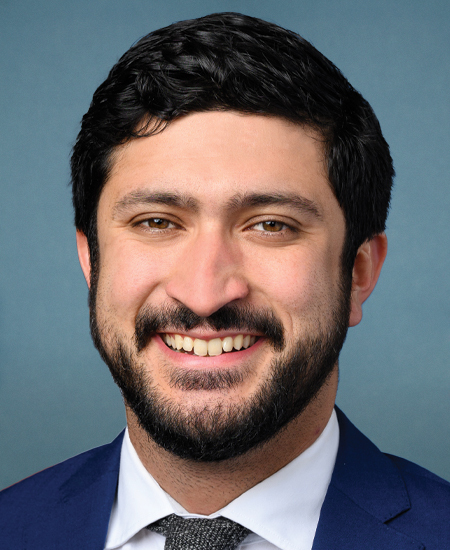
Greg Casar
83% support rate
Top opponent
Susan M. Collins
0% support rate
Ranked legislators
10
5 support · 5 oppose
Key legislators

Who's moving wildlife in United States

Legislators moving wildlife in United States
Legislator Party Stance Support rate Votes
Greg Casar
Greg Casar House · District 35
D
Strong +
83% 12
Judy Chu
Judy Chu House · District 28
D
Strong +
81% 16
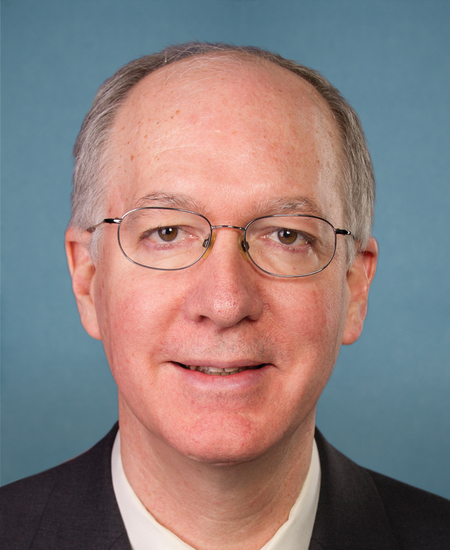
Bill Foster
Bill Foster House · District 11
D
Strong +
80% 15
Chellie Pingree
Chellie Pingree House · District 1
D
Strong +
80% 15
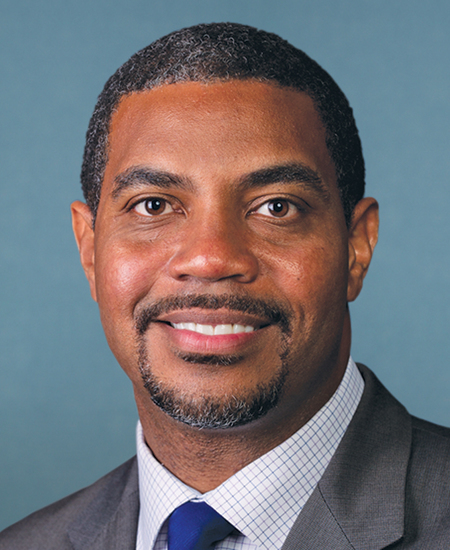
Steven Horsford
Steven Horsford House · District 4
D
Strong +
80% 15
Susan M. Collins
Susan M. Collins Senate
R
Strong −
0% 5
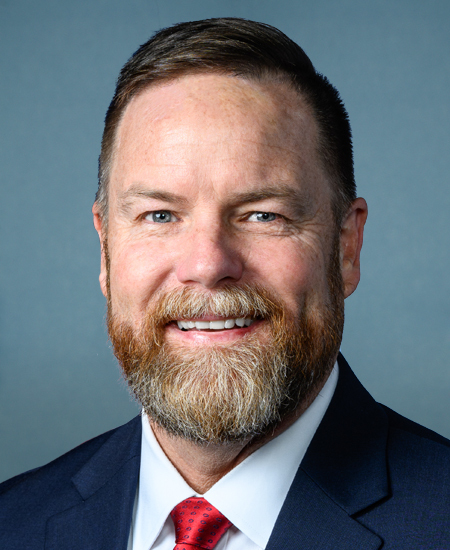
Aaron Bean
Aaron Bean House · District 4
R
Strong −
19% 16
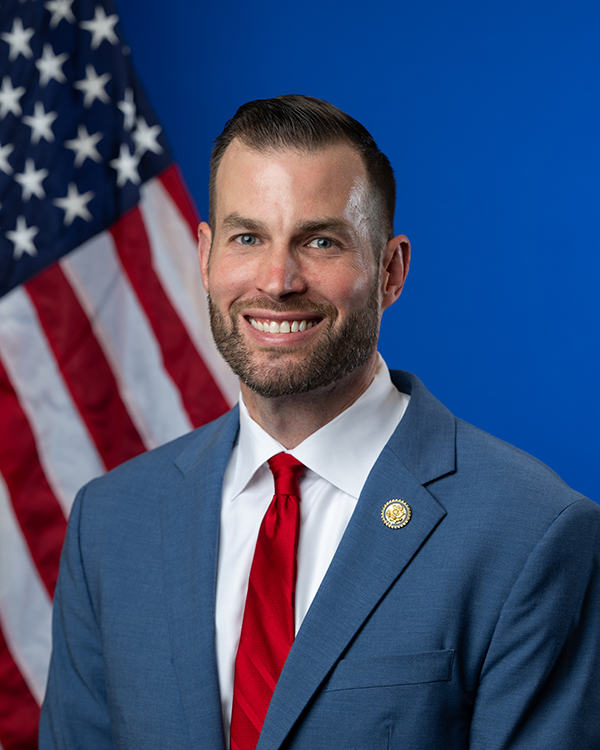
Clay Fuller
Clay Fuller House · District 14
R
Strong −
20% 5
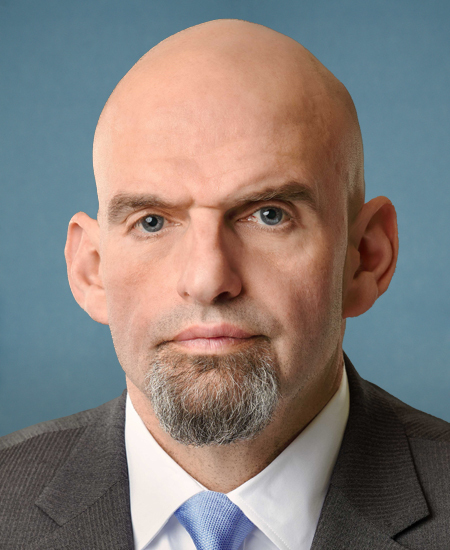
John Fetterman
John Fetterman Senate
D
Strong −
20% 5
Andrew Ogles
Andrew Ogles House · District 5
R
Oppose
21% 14
Showing 11–20 of 194 bills

All environment bills

in committee · United States · Senate Jul 13, 2026

S 4956: Farmers and Ranchers Relief Act of 2026

The Farmers and Ranchers Relief Act of 2026 aims to simplify the permitting process for landowners by changing how federal rules regarding the discharge of dredged or fill material are interpreted. Specifically, the bill directs regulators to broadly allow discharges that do not harm fish or wildlife while strictly limiting the ability to revoke permits later. By amending the Clean Water Act, the legislation seeks to reduce the number of required permits for agricultural and ranching activities involving earth-moving or water management. These changes are intended to provide more flexibility for farmers and ranchers without altering the underlying environmental protections of the law.
Sub-Topics Water Quality Wildlife
in committee · United States · House Jul 9, 2026

HR 9631: Bear Poaching Elimination Act

The Bear Poaching Elimination Act prohibits the import, export, and interstate trade of bear internal organs and products, aiming to stop the commercial demand that drives poaching. This law specifically targets items like gallbladders used in traditional medicine and cosmetics, while explicitly excluding blood and brains from the ban. The legislation applies to individuals, businesses, and government entities, with exceptions only for wildlife law enforcement and specific Native American traditional rituals. Violations can result in criminal prison time, civil fines up to $25,000 per offense, and the seizure of the illegal items. The bill also requires the Secretary of the Interior to continue international discussions to reduce the global trade in bear parts.
Sub-Topics Wildlife
in committee · United States · House Sep 10, 2026

HR 9590: SAFE for Manatees Act

The SAFE for Manatees Act directs the Secretary of the Interior to conduct a study identifying potential new habitats for manatees in Florida as industrial sites are decommissioned and water temperatures change. This study must evaluate natural warm-water locations and explore methods for building artificial warm-water refuges in cooperation with the Army Corps of Engineers and Florida wildlife officials. The bill requires the Interior Department to publish a report on these findings within 180 days of enactment to inform future conservation efforts.
Sub-Topics Conservation Wildlife
in committee · United States · House Jun 11, 2026

HR 9299: Advancing Next-Generation Genetic Learning for Effective Resource Strategy Act

This bill establishes a grant program to help state, tribal, local, and academic organizations use environmental DNA (eDNA) techniques to improve sport fish surveys. The funding, totaling $4 million annually from 2027 to 2033, is intended to expand survey coverage to remote areas, increase the frequency of data collection, and enhance the accuracy of identifying fish species and detecting invasive or endangered populations. Priority will be given to applicants who plan to collaborate with other eligible entities, and the program requires the collection of data to measure how effectively the new methods improve fisheries management.
Sub-Topics Wildlife
in committee · United States · House Jun 9, 2026

HR 9226: Connecticut River Watershed Partnership Act

This bill establishes a new partnership program to coordinate conservation efforts across the five-state Connecticut River watershed, involving federal, state, tribal, and local groups. It creates a voluntary grant system that provides up to 90 percent federal funding for projects focused on restoring fish and wildlife habitats, improving water quality, and supporting environmental justice communities. The legislation also mandates regular reporting to Congress and authorizes funding from 2026 to 2030 to support these restoration activities.
in committee · United States · House Jun 29, 2026

HR 9512: Doug LaMalfa Sacramento River Basin Water Security and Reliability Act of 2026

This bill, known as the Doug LaMalfa Sacramento River Basin Water Security and Reliability Act of 2026, aims to improve water management and environmental health in California's Sacramento River Basin by extending deadlines and funding specific restoration efforts. It extends the timeline for completing feasibility studies for federal water storage projects until 2041 and authorizes the federal government to contribute up to 50 percent of the costs for operating and maintaining state-led storage projects that provide public benefits like flood control and ecosystem improvements. The legislation also allocates $500 million over ten years for habitat restoration, fish passage improvements, and scientific monitoring to support endangered species such as Chinook salmon and steelhead trout. Additionally, the bill establishes a new Federal Leadership Committee to coordinate between various government agencies and state partners to accelerate the implementation of water and habitat projects. Finally, it allows water sellers to keep revenue from temporary water transfers to invest in dam safety, drought resilience, or extraordinary maintenance, provided unused funds are returned to the federal reclamation fund after a decade.
in committee · United States · House Jun 30, 2026

HRES 1388: Recognizing the importance of pollinators to ecosystem health and agriculture in the United States and expressing support for "National Pollinator Week".

This resolution recognizes the vital role that pollinators, such as bees, butterflies, and birds, play in supporting U.S. agriculture and ecosystem health. It highlights that these creatures contribute over $18 billion annually to crop production while helping to maintain biodiversity and environmental stability. The bill formally expresses support for National Pollinator Week and encourages the public to participate in related conservation and educational activities. Additionally, it acknowledges the significant decline in certain pollinator populations due to habitat loss and disease, urging continued efforts to protect these species.
Sub-Topics Conservation Wildlife Tags Agriculture
in committee · United States · Senate Jun 22, 2026

S 4851: SCALE Act of 2026

The SCALE Act of 2026 creates a new grant program to help states and eligible Indian tribes improve soil health and wildlife habitat on agricultural lands. Between fiscal years 2027 and 2031, the Department of Agriculture will provide up to $10 million annually to recipients that meet specific performance standards, with a total funding pool of $250 million. To receive these funds, applicants must submit a plan detailing their goals and agree to match federal dollars with their own state or tribal funds, unless they cannot provide the full match. The law also sets strict rules on how the money can be spent, limiting administrative costs and prohibiting conditions that would force changes to existing local programs. Recipients must submit annual audit results and could be disqualified from future funding if they fail to comply with the grant terms.
passed · United States · House Sep 1, 2026

HR 9436: Northeast Lobsterman Protection Act of 2026

This bill extends the deadline for specific regulations protecting the North Atlantic right whale from 2028 to 2035. The change directly affects the U.S. government agencies responsible for enforcing these conservation rules, such as the National Marine Fisheries Service. By updating the Consolidated Appropriations Act, 2023, the legislation ensures that current protective measures remain in effect for an additional seven years. This adjustment allows regulators more time to gather data and potentially develop new strategies before the regulations expire.
Sub-Topics Conservation Wildlife
in committee · United States · House Jun 8, 2026

HR 9188: Military Readiness Permitting Efficiency Act of 2026

The Military Readiness Permitting Efficiency Act of 2026 allows the Department of Defense to enter into agreements with the National Marine Fisheries Service and the U.S. Fish and Wildlife Service to speed up environmental reviews for priority military projects. Under these agreements, the military can provide direct funding to hire additional staff for these agencies if they lack the necessary personnel or funds to complete reviews within a specific timeframe. This process applies to environmental assessments required by laws such as the Endangered Species Act and the Marine Mammal Protection Act. The bill aims to reduce delays in military construction and operations by ensuring these reviews are completed promptly when national defense interests are at stake.
Sub-Topics Wildlife
Showing 11 to 20 of 194 bills