Issue · Environment

Environment (Wildlife)

Every environment bill, vote, and legislator stance in United States, automatically classified by Maddy, our AI policy reader.

Total bills
194
119th Congress
Top supporter
Greg Casar
83% support rate
Top opponent
Susan M. Collins
0% support rate
Ranked legislators
10
5 support · 5 oppose
Key legislators

Who's moving wildlife in United States

Legislators moving wildlife in United States
Legislator Party Stance Support rate Votes
Greg Casar
Greg Casar House · District 35
D
Strong +
83% 12
Judy Chu
Judy Chu House · District 28
D
Strong +
81% 16
Bill Foster
Bill Foster House · District 11
D
Strong +
80% 15
Chellie Pingree
Chellie Pingree House · District 1
D
Strong +
80% 15
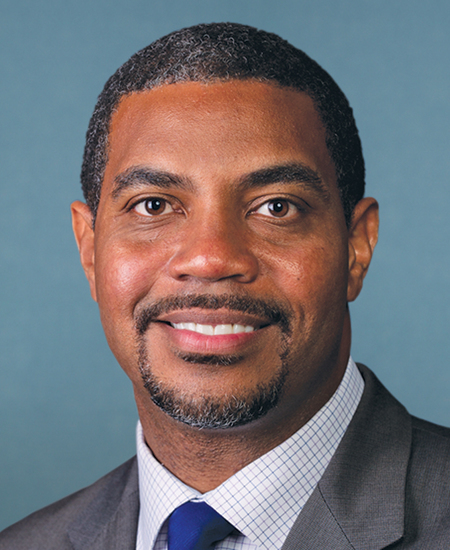
Steven Horsford
Steven Horsford House · District 4
D
Strong +
80% 15
Susan M. Collins
Susan M. Collins Senate
R
Strong −
0% 5
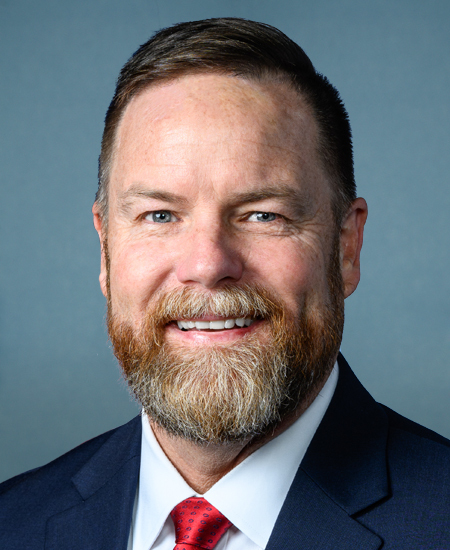
Aaron Bean
Aaron Bean House · District 4
R
Strong −
19% 16
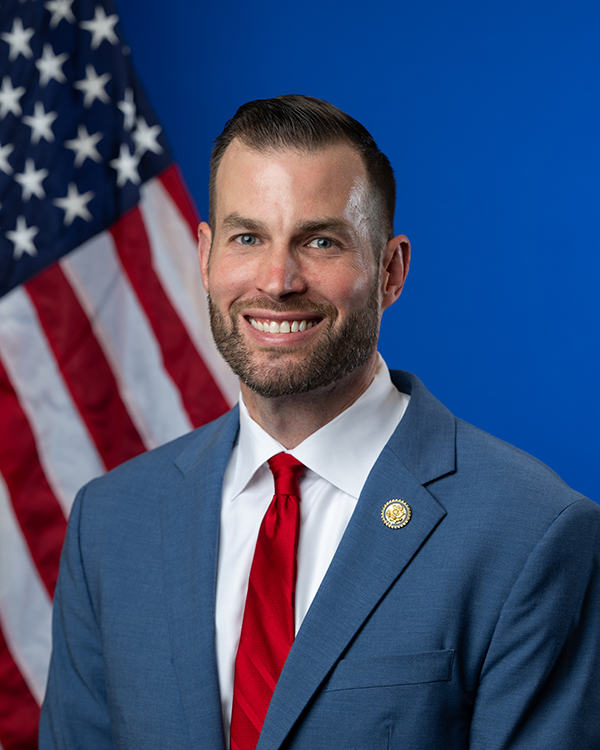
Clay Fuller
Clay Fuller House · District 14
R
Strong −
20% 5
John Fetterman
John Fetterman Senate
D
Strong −
20% 5
Andrew Ogles
Andrew Ogles House · District 5
R
Oppose
21% 14
Showing 181–190 of 194 bills

All environment bills

in committee · United States · House Mar 6, 2025

HR 1934: ProTECT Act of 2025

HR 1934 (ProTECT Act of 2025) prohibits trophy hunting and importing trophies of threatened wildlife species within the U.S. and into the U.S., extending protections currently limited to endangered species under the Endangered Species Act. It amends the law to ban taking (hunting) or importing trophies of species listed as threatened, and blocks permits for such activities, closing a loophole where threatened species lacked these safeguards. The bill defines "trophy" broadly to include recognizable animal parts or derivatives obtained under hunting authorization. This directly affects hunters, importers, and wildlife trade businesses dealing with threatened species.
Sub-Topics Wildlife
in committee · United States · House Aug 8, 2025

HRES 642: Expressing support for continued Federal commitment to repopulation and recovery efforts for the red wolf in North Carolina and across the country.

HRES 642 is a symbolic resolution expressing congressional support for federal efforts to recover the endangered red wolf population. It directly supports the U.S. Fish and Wildlife Service's Red Wolf Recovery Program, which maintains 270 captive wolves and protects the only wild population (15 wolves) in eastern North Carolina. The resolution specifically highlights planned wildlife corridors along Route 64 in the Alligator River National Wildlife Refuge to create safe passage for wolves and reduce vehicle collisions. This resolution does not create new laws or funding but affirms the need for continued federal, state, and partner collaboration on recovery efforts.
Sub-Topics Wildlife
in committee · United States · Senate Jul 16, 2025

S 2315: Habitat Enhancement Now Act

The Habitat Enhancement Now Act establishes two competitive grant programs to improve nesting success for migratory waterfowl. It provides $3.5 million annually (2026-2030) for eligible entities - such as state governments, nonprofits, or private landowners - to implement specific habitat improvements. The first program funds strategic placement of hen houses (nesting structures) in the prairie pothole region, while the second targets California to create nesting cover, brood ponds, and incentivize landowners. These grants directly support conservation efforts for species like mallards and gadwalls by addressing documented habitat loss impacting breeding success.
Sub-Topics Conservation Wildlife
in committee · United States · Senate Mar 4, 2026

S 3527: Montana Sportsmen Conservation Act

This bill removes wilderness study area designations from three specific Montana public lands: the 81,000-acre Middle Fork Judith area (managed by the Forest Service), and the 11,380-acre Hoodoo Mountain and 11,580-acre Wales Creek areas (managed by the Bureau of Land Management). These lands were previously evaluated and determined unsuitable for wilderness designation under federal law. The bill directs land managers to instead implement existing management plans developed through collaborative processes, which allow for activities like improved public access, wildlife habitat projects, and sportsmen opportunities. This change affects over 104,000 acres of public land in Montana that had remained under wilderness study status despite being deemed unsuitable for wilderness management.
in committee · United States · House May 5, 2025

HR 3188: Migratory Bird Protection Act of 2025

This bill amends the Migratory Bird Treaty Act to require permits for incidental harm to migratory birds (e.g., from construction or energy projects), directly affecting industries that might unintentionally impact birds. It establishes civil penalties up to $10,000 per violation for unpermitted incidental take and creates the "Migratory Bird Recovery Fund" to collect fees from permit holders, using funds for bird conservation and administrative costs. The bill also mandates annual $10 million funding, requires industry-specific research programs to monitor bird populations, and demands 5-year reports to Congress on conservation progress. These changes shift enforcement from current practices to a structured permit system with clearer accountability for bird protection.
Sub-Topics Conservation Wildlife
passed · United States · Senate Apr 5, 2025

SRES 157: A resolution designating April 2025 as "National Native Plant Month".

SRES 157 designates April 2025 as "National Native Plant Month" to recognize the environmental and ecological benefits of native plants. The resolution highlights that native plants - indigenous species adapted to specific regions - support biodiversity, improve air and water quality, stabilize soils, and provide essential food and habitat for wildlife like birds and pollinators. As a non-binding Senate resolution, it does not create new laws or funding but aims to raise public awareness about conserving native plant species, which face threats from habitat loss and invasive species.
in committee · United States · House Nov 19, 2025

HR 6078: Wildlife Road Crossings Program Reauthorization Act of 2025

This bill reauthorizes and permanently funds the Wildlife Road Crossings Program through fiscal years 2026-2031, allocating $200 million annually for projects that build wildlife crossings (like overpasses or underpasses) to reduce animal-vehicle collisions. It directly affects state and tribal governments, local agencies, and conservation groups that design and build these crossings, with specific provisions ensuring 100% federal cost coverage for tribal projects. Key mechanisms include dedicated annual funding, streamlined application assistance for tribes, and rules allowing unobligated funds to roll over for future use. The bill removes "pilot" language from prior law, making the program permanent and expanding tribal participation.
in committee · United States · Senate Oct 29, 2025

SJRES 69: A joint resolution providing for congressional disapproval under chapter 8 of title 5, United States Code, of the rule submitted by the United States Fish and Wildlife Service relating to "Record of Decision for the Barred Owl Management Strategy; Washington, Oregon, and California".

Senate Joint Resolution 69 (SJRES 69) seeks to disapprove a U.S. Fish and Wildlife Service rule titled "Record of Decision for the Barred Owl Management Strategy" in Washington, Oregon, and California. The rule, issued in September 2024, outlines a plan to manage barred owl populations to protect endangered spotted owls by controlling their numbers in the region. Under the Congressional Review Act, this resolution would block the rule from taking effect, voiding its implementation. This directly affects the federal agency's ability to carry out the barred owl management strategy in the three states.
Sub-Topics Wildlife
passed · United States · House Sep 16, 2025

HRES 354: Providing for consideration of the joint resolution (H.J. Res. 60) providing for congressional disapproval under chapter 8 of title 5, United States Code, of the rule submitted by the National Park Service relating to "Glen Canyon National Recreation Area: Motor Vehicles"; providing for consideration of the joint resolution (H.J. Res. 78) providing for congressional disapproval under chapter 8 of title 5, United States Code, of the rule submitted by the United States Fish and Wildlife Service relating to "Endangered and Threatened Wildlife and Plants; Endangered Species Status for the San Francisco Bay-Delta Distinct Population Segment of the Longfin Smelt"; providing for consideration of the joint resolution (H.J. Res. 87) providing congressional disapproval under chapter 8 of title 5, United States Code, of the rule submitted by the Environmental Protection Agency relating to "California State Motor Vehicle and Engine Pollution Control Standards; Heavy-Duty Vehicle and Engine Emission Warranty and Maintenance Provisions; Advanced Clean Trucks; Zero Emission Airport Shuttle; Zero-Emission Power Train Certification; Waiver of Preemption; Notice of Decision"; providing for consideration of the joint resolution (H.J. Res. 88) providing congressional disapproval under chapter 8 of title 5, United States Code, of the rule submitted by the Environmental Protection Agency relating to "California State Motor Vehicle and Engine Pollution Control Standards; Advanced Clean Cars II; Waiver of Preemption; Notice of Decision"; providing for consideration of the joint resolution (H.J. Res. 89) providing congressional disapproval under chapter 8 of title 5, United States Code, of the rule submitted by the Environmental Protection Agency relating to "California State Motor Vehicle and Engine and Nonroad Engine Pollution Control Standards; The "Omnibus" Low NOX Regulation; Waiver of Preemption; Notice of Decision"; and for other purposes.

HRES 354 is a procedural resolution that sets rules for the House to vote on five separate disapproval resolutions (H.J. Res. 60, 78, 87-89). These disapproval resolutions aim to block specific federal agency rules: one from the National Park Service regarding motor vehicles in Glen Canyon, another from Fish & Wildlife on endangered smelt protections, and three from the EPA targeting California's vehicle emissions standards. The resolution streamlines debate and voting on these disapproval measures, waiving most procedural objections to allow direct consideration. If passed, the disapproval resolutions would cancel the agency rules, directly affecting how California implements vehicle pollution controls and wildlife protections. The bill itself does not change policy but enables Congress to block these specific regulations.
in committee · United States · House Oct 14, 2025

HR 5762: New York-New Jersey Watershed Protection Act of 2025

This bill establishes the New York-New Jersey Watershed Restoration Program to coordinate and fund habitat restoration and water quality improvements across the shared watershed region. It creates a competitive grant program providing federal matching funds (up to 90% for small/rural/disadvantaged communities) to state/local governments, nonprofits, and tribes for projects advancing habitat restoration, climate resilience, and public access. The program prioritizes communities facing environmental injustice and requires coordination with existing regional conservation plans like the Hudson River Estuary Program. Funding of $20 million annually (2026-2031) will support these activities, with 75% dedicated to the grant program and all projects supplementing existing conservation efforts.
Showing 181 to 190 of 194 bills